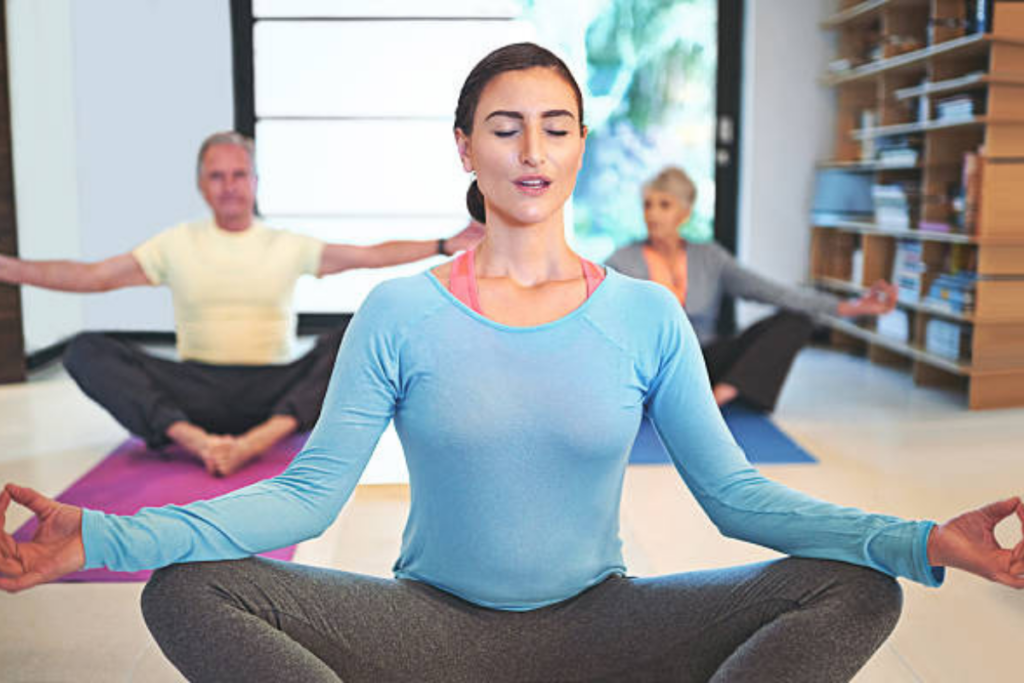
“You’re not behind in your day—you just haven’t taken your first real breath yet.”
Mornings move fast. Between the lesson prep, the coffee, and the mental juggling act, it’s easy to feel like you’re sprinting before the day even starts.
But what if your morning didn’t begin with tension?
What if your very first act wasn’t a task—but a breath?
This isn’t about squeezing in another routine. It’s about giving yourself three quiet minutes to reset your nervous system—before the noise, the needs, and the nonstop giving begin.
Why a 3-Minute Breath Practice Helps Teachers Reset

This short meditation meets you exactly where you are—coffee in hand, seated in your car, standing at your desk. No cushion. No silence. No perfection required.
Why it works:
- Grounds your nervous system in safety and calm
- Shifts you from reactive to responsive before the day begins
- Creates a mindful “buffer” between home life and classroom demands
- Supports emotional regulation, focus, and mental clarity
Even just a few conscious breaths can shift your stress physiology, reduce cortisol, and improve how your brain handles complexity—all backed by nervous system research.
Your 3-Minute Morning Breath Meditation
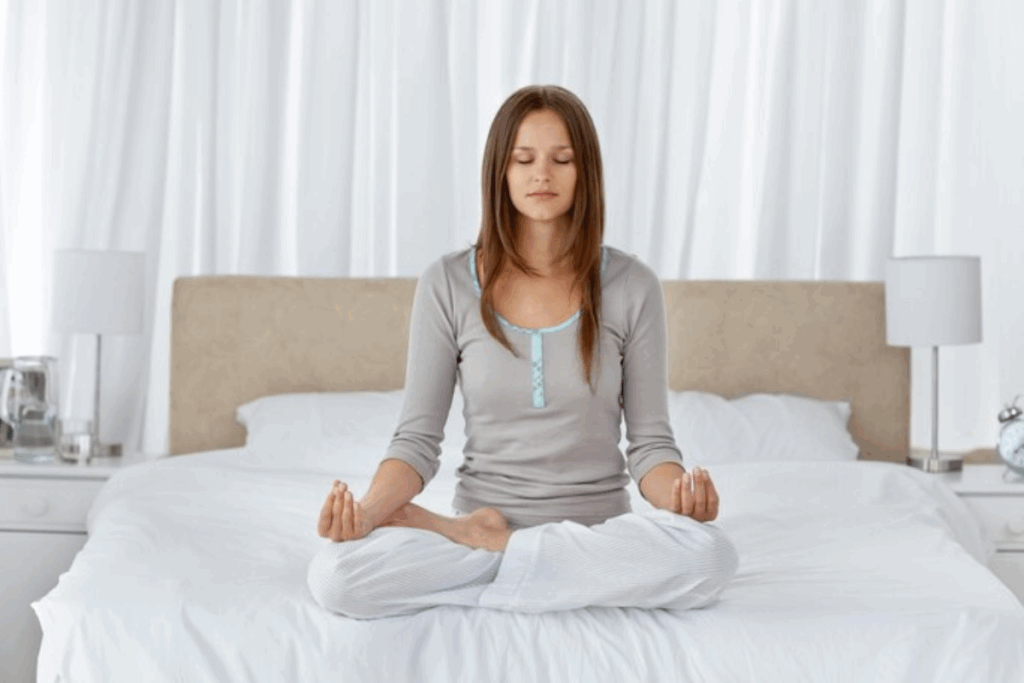
Step 1: Ground (30 seconds)
- Sit or stand tall
- Let your feet connect to the floor
- Relax your shoulders
- Soften your gaze or close your eyes
Exhale slowly through your mouth with a sigh
Step 2: Breathe (2 minutes)
- Inhale gently through your nose (count to 4)
- Pause at the top (count to 2)
- Exhale slowly through your mouth (count to 6)
- Repeat this cycle for 5–6 rounds
- Let your breath be the only thing you focus on
If your mind wanders, that’s okay. Just return to the next inhale.
Step 3: Intend (30 seconds)
- Ask yourself: How do I want to feel as I begin today?
- Choose a simple phrase:
“I start with calm.”
“Today, I choose presence.”
“I am grounded and clear.”
Let the intention settle. Then take one last slow breath before you step into your day.
You Deserve to Start from Center

Teaching is more than a job—it’s a daily act of emotional, mental, and physical presence. Most days, you give that presence away before giving any to yourself.
This moment is yours.
Not to push harder. Not to do more.
But to come back to your center—where your resilience lives.
When you start from that place, you don’t just meet your day.
You lead it—with grounded calm that ripples into every hallway, every conversation, every small moment you hold space for someone else.
Gentle Ways to Make It a Habit
Let it be simple. Let it be yours.
- Breathe while your coffee brews—let one ritual anchor another
- Stick a quiet note on your desk: “Breathe first.”
- Start with just one breath if three minutes feels like too much
- Add a reminder in your planner: “I am calm. I am here.”
- When your mind says “there’s no time”—that’s your cue to pause
Need a Little More Support to Carry That Calm?
We offer gentle, teacher-centered care—from breathwork and massage to stress relief and nervous system resets, all designed to meet you where you are.
Whether it’s before the first bell or after the final one, we’re here to help you reset and feel like yourself again.
Schedule your personalized wellness session
FAQs

1. What if I’ve never meditated before?
Perfect. This practice was made for beginners. No experience needed—just a willingness to pause, breathe, and notice. There’s no wrong way to start grounding yourself.
2. Is three minutes really enough to help?
Yes. Even a few intentional breaths can reset your nervous system, lower cortisol, and improve focus. Think of it as a micro-break for your body and brain.
3. What if I don’t have silence or privacy?
You don’t need silence to feel still. Close your eyes at your desk, sit in your car, or take a hallway breath—it’s the intention that matters.
4. Can I use this practice during the school day?
Definitely. Use it between periods, after a tough class, or before a meeting. It’s a portable reset that helps you regulate and return to center anytime.
5. Do I need to sit on the floor or buy anything?
Not at all. No props, cushions, or apps required. This is a come-as-you-are practice. Just bring your breath—and a little space to pause.
6. How does this help with burnout or stress?
Breathwork activates your parasympathetic nervous system—your body’s natural “rest and recover” state. Over time, it builds resilience and lowers the stress that causes burnout.
7. Does Circle Wellness offer other support for teachers?
Yes. We specialize in working with educators—offering breathwork, massage, and nervous system care that’s flexible, trauma-aware, and designed around the rhythms of real school life.
8. Can I use this breath practice with my students?
Yes—and many teachers do. A brief breathing pause at the start of class can help students settle, focus, and feel safe. Even one minute of quiet breathing together sets the tone for a calmer, more connected learning environment.
9. How often should I do this practice?
You can use it daily—or as often as you need. Many teachers build it into their morning prep, but others return to it between classes, before meetings, or whenever they feel scattered. The more often you pause to breathe, the more your nervous system learns it’s safe to slow down.
10. What if I try this and don’t feel any different?
That’s okay. Like any practice, the effects can be subtle at first. The goal isn’t instant transformation—it’s consistency. Over time, this three-minute pause becomes a signal to your body that it can soften, refocus, and restore. The shifts will build.
Because You Deserve to Begin from Calm
You give so much—your energy, your attention, your care.
Let this be your moment to receive.
A breath isn’t just an inhale. It’s a way back into your body. A way to soften into presence—before you give it all away again.
So take the breath. Let it be enough.
And when you’re ready for more support, we’re here to hold that space with you.