Targeted Relief For Chronic Muscle Pain With Trigger Point Injections
Trigger Point Injections (TPI) are a fast and effective treatment designed to relieve muscle pain and tension by targeting these specific knots. Whether your pain is in your neck, shoulders, lower back, or limbs, this treatment helps release tight muscles and restore mobility.

- HSA/FSA Approved
Simple 3-Step Booking Process
Schedule Appointment
Schedule Appointment
Complete Intake forms
Complete Intake forms
Arrive at your session
Arrive at your session

How Do Trigger Point Injections Work?
A small injection of anesthetic (sometimes combined with a steroid) is administered directly into the trigger point, helping to:
- Relax tense muscle fibers
- Reduce inflammation
- Improve blood flow to the area
- Provide lasting pain relief
For many people, trigger point injections bring relief in just minutes—without the need for surgery or long-term medication use.
Note: All Physician and Physician Assistant (PA) medical services are performed by Behrouz Farahmandpour D.O., PC and Martin Levy – PA-C, MPAS
10 Common Causes Of Trigger Points
Poor Posture
Muscle Overuse
Injury or Trauma
Emotional Stress & Tension
Dehydration
Nutritional Deficiencies
Muscle Imbalances
Sleep Disturbances
Injury or Trauma
Lack Of Momement

Benefits Of Trigger Point Injections
Chronic muscle pain can slow you down, limit mobility, and drain your energy. If you’ve tried stretching, massage, acupuncture, or physical therapy, —without lasting relief, a Trigger Point Injection (TPI) may be the remedy you need.
Why Choose Trigger Point Injections?
Fast-Acting Pain Relief
- Many patients feel relief within minutes to hours after treatment.
- Muscle tension loosens quickly, making movement easier.
Long-Lasting Results
- Injections provide weeks to months of pain relief.
- Regular treatments can help prevent chronic pain flare-ups
Minimally Invasive & Quick
- The procedure takes just a few minutes—no downtime required.
- No need for surgery or heavy medication.
Targets the Root Cause of Pain
- Relieves muscle knots and tight bands rather than just masking pain.
- Improves blood flow and healing in the affected area.
Complements Other Therapies
- Works alongside physical therapy, massage, and exercise for a comprehensive approach.
- Helps restore mobility and flexibility faster.
Safe & Well-Tolerated
- Most patients experience little to no side effects.
- Low risk of complications with proper medical supervision.
Top 20 Common Conditions Treated With Trigger Point Injections
Melville, NY & Long Island
How The Procedure Works
Positioning & Identification
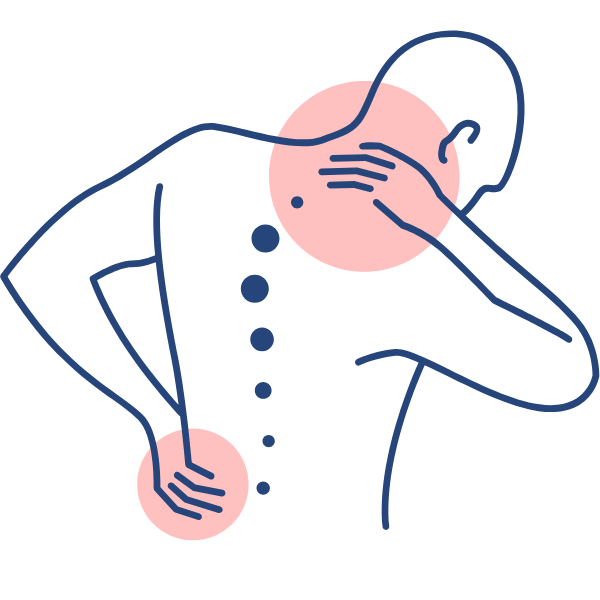
Positioning & Identification
Your specialist will gently press on the affected muscle to locate the trigger point causing pain.
The Injection
The Injection
The injection contains a local anesthetic, sometimes combined with a steroid to reduce inflammation.
The procedure lasts just a few minutes and is well tolerated by most patients.
Immediate Relief & Recovery

Immediate Relief & Recovery
Others may experience gradual relief within 24 to 72 hours as the muscle fully relaxes.
Mild soreness at the injection site is normal and usually resolves within a day or two.
How to Prepare
For a Trigger Point Injection
Trigger Point Injections are quick, minimally invasive, and require little preparation, but a few simple steps can help maximize your comfort and results.
What You Need to Know?
- Wear Comfortable Clothing: Loose, flexible clothing makes it easier to access the treatment area.
- Stay Hydrated: Drinking water before your appointment can help reduce muscle tightness.
- Avoid Blood Thinners (If Advised by Your Doctor): If you take aspirin, ibuprofen, or prescription blood thinners, ask if you need to pause them before treatment.
- Eat a Light Meal: A small meal before your appointment can help prevent dizziness after the injection.
- Discuss Your Medications & Medical History: Let your provider know if you have any allergies, existing conditions, or concerns about the treatment.


Self-Pay & Out-of-Pocket Care Options – Melville, NY
Per Session Cost - New/Returning Patients
- Single Session Cost - $150
Multi-Session Package Savings
- 2 Sessions: $275 (save $25)
- 4 Sessions: $550 (save $50 - most popular)
- 6 Sessions: $800 (save $100)
- 8 Sessions: $1050 (save $150)
- 10 Sessions: $1300 (save $200)
- 12 Sessions: $1500 (save $300)
Helpful Tips
- Packages offer better value for patients who require ongoing care
- Start with a single session before committing to a package
- Insurance coverage may vary; prices above are discounted rates for clients that DO NOT have insurance and are paying “out of pocket”
What to Expect After
A Trigger Point Injection?
After your Trigger Point Injection, you may feel immediate relief, or the effects may take a day or two to fully kick in. While results vary, most patients experience reduced muscle tension, improved mobility, and long-lasting pain relief.
Post-Treatment Guidelines
Mild Soreness is Normal
Avoid Strenuous Activity for 24-48 Hours
Use Ice for Any Discomfort
Stay Hydrated & Keep Moving Gently
Monitor for Unusual Reactions

How Long Do Results Last?
One of the biggest questions patients ask is: "How long will my pain relief last?" The answer varies, but many people experience significant relief for weeks to months after a Trigger Point Injection.
Factors That Affect Duration Of Relief
- Severity of Muscle Tension & Pain: Mild cases may feel relief for a few months, while chronic conditions might require ongoing maintenance.
- Your Activity Level & Lifestyle: High-impact activities or poor posture can lead to faster reformation of trigger points.
- Underlying Conditions: If you have fibromyalgia, myofascial pain syndrome, or chronic tension, maintenance injections may be necessary.
- Complementary Therapies: Combining TPI with stretching, physical therapy, or massage can extend pain relief and prevent future muscle knots.
Got a question?
FAQs

Where is Circle Wellness located?
We are located conveniently in Melville Corporate Plaza near Route 110 & LIE Exit 49.
When does a simple muscle knot become Chronic Pain?
A trigger point doesn’t just cause discomfort where it forms—it can also create referred pain in nearby areas, leading to headaches, nerve pain, and limited mobility. This is why simply stretching or massaging the area may not be enough to relieve the pain permanently.
How do Trigger Points Develop?
Muscle pain doesn’t always come from a major injury—sometimes, it’s the result of repetitive strain, stress, or poor posture. Trigger points are tight knots of muscle fibers that fail to relax, creating pain and tension that can spread to other areas of the body.
Why are Trigger Point Injections used?
Trigger Point Injections (TPI) aren’t just for temporary relief—they are a targeted solution for chronic muscle pain that doesn’t improve with stretching, massage, or pain medications. These injections help reset tight muscle fibers, reducing inflammation and improving blood flow to the affected area.
What's included in each session?
- Pricing is per session, not per injection
(multiple trigger points may be treated in one session if deemed clinically appropriate) - Each session is approximately 15 minutes
- Packages do not expire
- All treatments are customized based on your response to treatment and goals
Who can benefit from Trigger Point Injections?
- People with Chronic Muscle Pain – If you have tight, painful knots that don’t go away, TPI can help release tension and restore movement.
- Athletes & Active Individuals – Repetitive motion can lead to trigger points in the back, shoulders, or legs, making recovery difficult.
- Office Workers & Those with Sedentary Lifestyles – Sitting for long hours can cause stiffness in the neck, shoulders, and lower back that TPI can help alleviate.
- People Recovering from Injury – Whether from sports, accidents, or overuse injuries, trigger points can form during healing and prolong discomfort.
- Individuals with Stress-Related Tension – Emotional stress can lead to muscle contractions, causing knots that contribute to ongoing pain and headaches.
- Teachers – Prolonged standing, poor posture, repetitive movements, and stress-related muscle tightness can result in tension and discomfort. TPIs can help release muscle knots, improve mobility, reduce headaches and discomfort, allowing teachers to stay pain-free throughout their demanding workdays.
What’s the difference between a trigger point and regular muscle pain?
Trigger points are tight muscle knots that cause pain, often radiating to other areas of the body. Unlike regular muscle soreness, trigger points don’t go away easily with massage or stretching.
Will the injection be painful?
Most patients describe the feeling as a quick pinch or mild discomfort. The procedure is very short and relief is often felt within minutes to hours
How soon will I feel relief?
Many patients experience immediate muscle relaxation after the injection. Full effects typically develop within 24 to 72 hours.
How long do results last?
Relief can last weeks to months, depending on your condition, lifestyle, and how well you follow post-treatment care.
How many injections will I need?
Some patients feel better after one session, while others need a series of treatments for long-term relief. Your provider will create a personalized treatment plan.
What are the potential Risks and Side effects of Trigger point injections?
Trigger Point Injections are a safe and effective treatment for muscle pain, but like any medical procedure, they come with a few potential risks. Side effects are rare and usually mild—especially when performed by an experienced provider.
- Common Side Effects (Usually Temporary & Mild): Soreness or Mild Discomfort, Bruising or Swelling, Temporary Numbness or Weakness, Dizziness or Lightheadedness
- Rare but Possible Risks: Infection (Very Uncommon), Bleeding or Hematoma, Allergic Reaction (Rare)
How do you minimize the risks and ensure a treatment is safe?
Your healthcare provider will evaluate your medical history, discuss any concerns, and ensure that Trigger Point Injections are safe for you.
Can I resume normal activities after my injection?
Yes! Just avoid strenuous exercise for 24-48 hours to allow your muscles to fully relax and heal.
Does NYSHIP Empire Plan cover Trigger Point Injections (TPIs)?
In many cases, the NYSHIP Empire Plan does cover Trigger Point Injections when they are:
- Medically necessary
- Performed by a licensed physician (such as a DO or MD)
- Linked to a documented diagnosis (for example, myofascial pain, muscle spasm, or chronic musculoskeletal pain)
- Supported by documentation showing that conservative treatments (like physical therapy, home exercises, or medications) were tried or considered
Coverage is not guaranteed for every patient or every visit. We can help verify your benefits before treatment however final determination is made by NYSHIP based on your specific plan benefits and how the service is billed.
Are trigger point injections for people recovering from injury or surgery?
Yes, trigger point injections (TPIs) can be beneficial for patients recovering from injury or surgery, particularly when muscle tightness, spasms, or referred pain from myofascial trigger points are interfering with recovery.
Here’s how TPIs help in this context:
Relieves muscle tension: Surgery or injury often leads to muscle guarding or compensatory overuse in surrounding areas. TPIs can break the pain-spasm cycle.
Improves mobility and rehab potential: Reducing pain and tension allows patients to better participate in physical therapy or exercise programs.
Reduces referred pain: Trigger points can cause pain that mimics other sources, complicating recovery. TPIs help isolate and reduce this type of pain.
Supports faster healing: By improving blood flow and reducing inflammation in the affected area, TPIs can create a more favorable environment for healing.
Common Post-Surgical or Post-Injury Uses:
After orthopedic surgeries (e.g., rotator cuff repair, spinal fusion)
Following sports injuries (e.g., hamstring or calf strain)
For postural compensations after joint replacements
In chronic pain syndromes that flare up due to surgery or trauma
Is Sarapin available for trigger point injections, and what does it cost?
Sarapin may be used as part of trigger point injection (TPI) treatment when clinically appropriate. It does not contain steroids or local anesthetics and is selected based on your provider’s medical assessment.
For patients treated in Melville, NY and surrounding Long Island communities, Sarapin pricing is as follows:
- NYSHIP Empire Plan patients:
- $50 per treatment area (10 mL vial)
- Self-pay (out-of-pocket) patients:
- $100 per treatment area (10 mL vial)
Pricing is per treatment area, not per injection, and is reviewed with you before treatment. Sarapin is optional and may not be recommended for every patient.
What is Sarapin and how does it help?
- Sarapin® is an FDA-registered non-toxic, natural analgesic injectable solution derived from the pitcher plant (Sarracenia purpurea). Its commonly used by physicians as part of pain management and trigger point injection treatments. In practices serving Melville, NY and the surrounding Long Island area, Sarapin may help reduce pain associated with muscle spasm, myofascial pain, and irritated soft tissues.
- Sarapin is believed to work by calming pain signals from irritated nerves and muscles without causing numbness or muscle weakness. It does not contain steroids or local anesthetics and is typically used as part of a broader treatment plan that may include physical therapy, stretching, and posture or movement correction. It works by targeting C-fibers (sensory nerve fibers), stopping pain signals at the spine without disrupting motor nerves, leading to pain relief, reduced inflammation, and reduced muscle spasms without causing weakness. Results vary, and Sarapin is not appropriate for every patient. A medical evaluation is required before use.
What’s the difference between Sarapin, lidocaine, and steroid injections?
Sarapin, lidocaine, and steroids are different injectable options used for trigger point injections, each with a distinct purpose.
- Lidocaine is a local anesthetic that provides temporary pain relief by numbing the area.
- Steroids reduce inflammation and may provide longer-lasting relief in inflammatory conditions.
- Sarapin is often used to help calm pain signals without numbing muscles or using steroids. The best option depends on your diagnosis, response to prior treatments, and overall health.
How does Sarapin compare to lidocaine for trigger point injections?
- Lidocaine works quickly by numbing the treated area, which can confirm the pain source but usually wears off within hours.
Sarapin does not cause numbness and is often selected when patients want pain relief without temporary weakness or sensory changes. Some patients report more sustained symptom improvement with Sarapin, though responses vary. In Melville, NY clinics, Sarapin may be chosen for patients who are sensitive to anesthetics or prefer a non-numbing option.
When are steroid injections used instead of Sarapin or lidocaine?
Steroid injections are typically used when pain is driven by significant inflammation, such as bursitis or certain joint conditions. They are not always necessary for classic muscle trigger points. Because steroids can have systemic effects with repeated use, many clinicians reserve them for specific situations. Sarapin or lidocaine may be preferred when inflammation is minimal or when avoiding steroids is clinically appropriate.
Which option lasts the longest: Sarapin, lidocaine, or steroid?
Duration of relief varies by individual and condition:
- Lidocaine: short-term relief (hours)
- Steroid: potentially longer relief (weeks to months) in inflammatory conditions
Sarapin: variable duration; some patients experience sustained improvement without numbing or steroid exposure
Which option lasts the longest: Sarapin, lidocaine, or steroid?
Duration of relief varies by individual and condition:
- Lidocaine: short-term relief (hours)
- Steroid: potentially longer relief (weeks to months) in inflammatory conditions
- Sarapin: variable duration; some patients experience sustained improvement without numbing or steroid exposure
No option guarantees long-term relief on its own. In most Long Island practices, injections are combined with stretching, physical therapy, or movement correction for best results.
How does my doctor decide which injection is right for me?
Your provider will consider:
- The source of your pain (muscle vs inflammatory tissue)
- Prior response to injections
- Medical history and medication sensitivities
- Goals for function and activity
- Frequency and safety considerations
A physical exam and discussion of risks and benefits help guide the choice. Not every option is appropriate for every patient.
Is one option safer than the others?
All three options are generally considered safe when used appropriately and administered by a qualified clinician. Lidocaine and Sarapin avoid steroid-related side effects, while steroids may carry additional considerations with repeated use. Your doctor will review risks, alternatives, and expected outcomes before treatment.