Let’s Talk About the Needle Thing
We get it. The word “acupuncture” brings up one image for most people: needles.
And not the soft, calming kind—more like the sharp, medical kind. No thanks, right?
But here’s the truth: acupuncture is nothing like getting a shot.
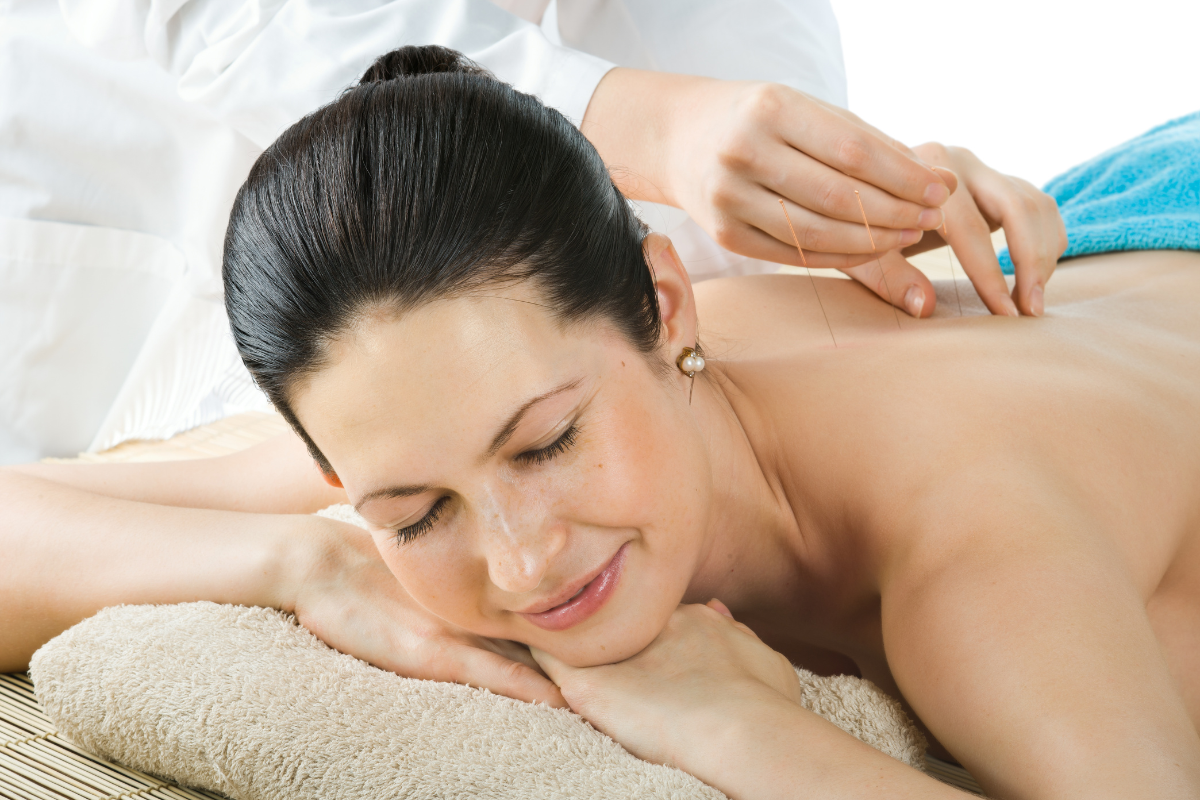
In fact, most people are surprised by how little they feel—and how good they feel afterward. Because instead of triggering pain, those hair-thin needles activate your body’s natural healing response. Think: endorphins, nervous system calm, muscle relaxation, and mental clarity.
If you’ve avoided acupuncture because you thought it would hurt, you’re not alone.
But you might be missing out on one of the gentlest, most effective ways to release tension, regulate stress, and feel more like yourself again.
What Acupuncture Feels Like
Gentle. Grounding. Surprisingly soothing.
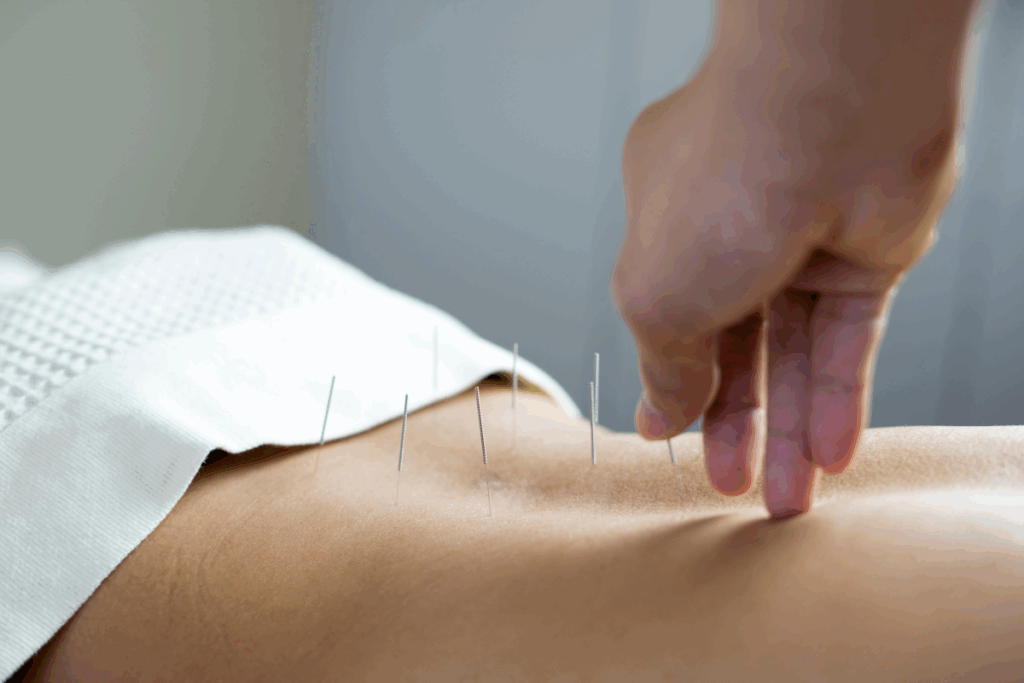
That’s how most people describe it—once they let go of the “needle” myth. You might feel a soft tap as the needle is placed, or nothing at all. Sometimes, there’s a gentle ache, a wave of warmth, or a tingling release—your body’s way of saying, “I feel that. I’m listening.”
Many people sink into a deep stillness. Some fall asleep. Others describe it as a meditative state, like their whole system is finally allowed to exhale.
And if something doesn’t feel quite right? Speak up. This is your session, your body, your healing. A good practitioner will adjust immediately.
Why Acupuncture Works (and Why It Feels So Good)
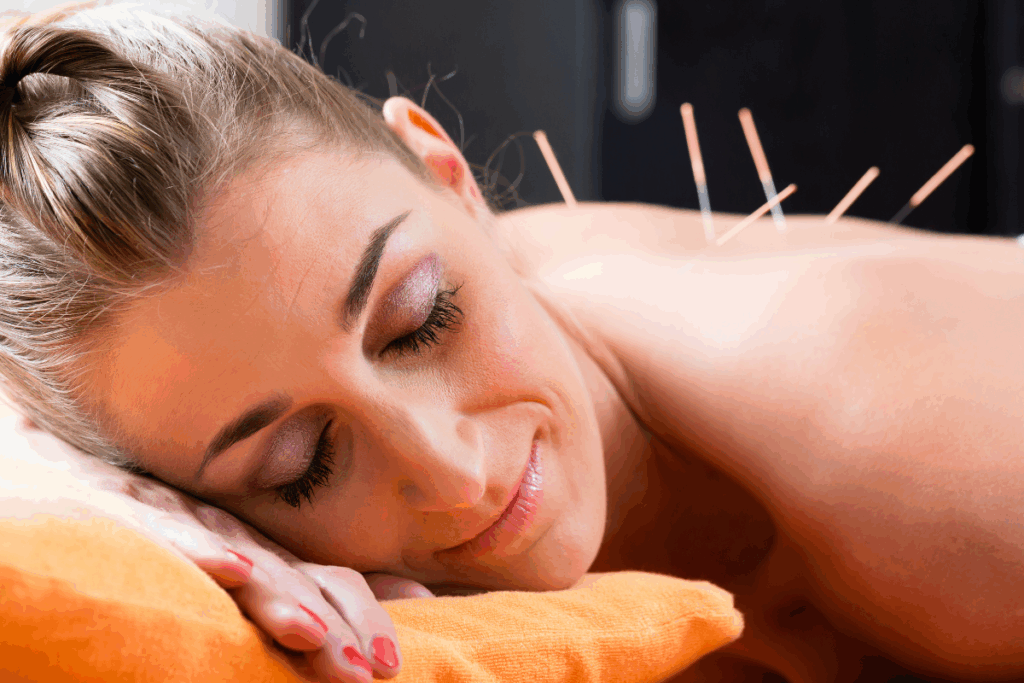
Acupuncture isn’t magic—it’s biology. Each tiny needle acts as a gentle prompt, encouraging your body to shift out of stress mode and into healing.
When a licensed practitioner places needles in specific points, a few key things happen:
- Endorphins are released, your body’s natural feel-good chemicals
- Circulation improves, helping bring oxygen and nutrients to tense or inflamed areas
- The parasympathetic nervous system is activated, which lowers stress hormones and promotes relaxation
- Muscles begin to relax, not because they’re forced to—but because they finally get permission
The effects aren’t just physical. Many clients report feeling mentally clearer, emotionally lighter, and more balanced—like their whole system got a reset.
For teachers, caregivers, or anyone who holds stress in their shoulders, jaw, or gut (hello, everyone?)—acupuncture can offer a rare kind of release.
Common Fears About Acupuncture

If you’ve been curious about acupuncture but nervous to try it, you’re not overreacting—you’re human. Most people aren’t scared of healing. They’re scared of what they think the healing will feel like.
Here are a few common hesitations—and why they don’t need to hold you back:
“I hate needles.”
“I don’t want to feel weird or out of control.”
“What if I don’t know what I need treated?”
How Long Does a Session Last? What to Expect
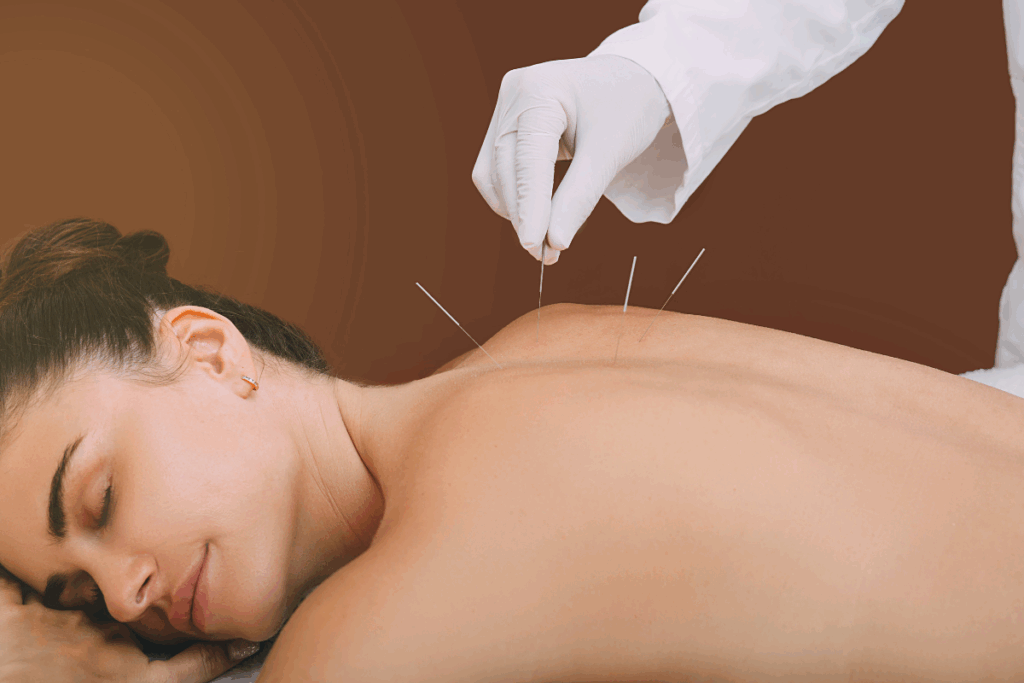
Your first session is usually around 60 to 75 minutes. It starts with a conversation—about your stress, your sleep, your body’s signals, your wellness goals. Then, once you’re settled, the needles go in. Gently. Thoughtfully. One at a time.
They stay in place for about 20–30 minutes while you rest. There’s no doing—just being. You may drift off. You may feel sensations shift as your nervous system recalibrates. Follow-ups are often shorter—about 45 minutes—and build on what your body shared in the first session.
There’s no pressure to “feel something big.” Healing doesn’t always speak loudly. Sometimes, it whispers through softness.
Aftercare: What to Do Post-Acupuncture
After your session, give yourself the gift of space—physical and emotional. Your system just did some deep work, even if it felt effortless.
Here’s how to support that:
- Hydrate well. Water helps your body move what was released.
- Eat something nourishing. Think grounding foods—warm soups, whole grains, protein.
- Rest if you can. Even 15 minutes of quiet can help the benefits settle in.
- Avoid alcohol and heavy stimulation. Your body is in recovery mode—honor that softness.
You might feel clear, calm, energized, or pleasantly tired. You may also feel like something shifted—and you can’t quite name what. That’s the beauty of it. Acupuncture doesn’t just treat symptoms—it speaks to your whole system, gently calling it back to balance.
You Might Want to Try Acupuncture If:
- You’re carrying stress in your body and nothing else is quite cutting it
- Your sleep is off and your thoughts are racing at night
- You’re on your feet all day and your body feels “tired but wired”
- You’re looking for a way to support your emotional and physical wellness—without adding more to your plate
Acupuncture meets you where you are. It doesn’t ask for effort. It offers relief.
FAQs
1. Does acupuncture actually hurt?
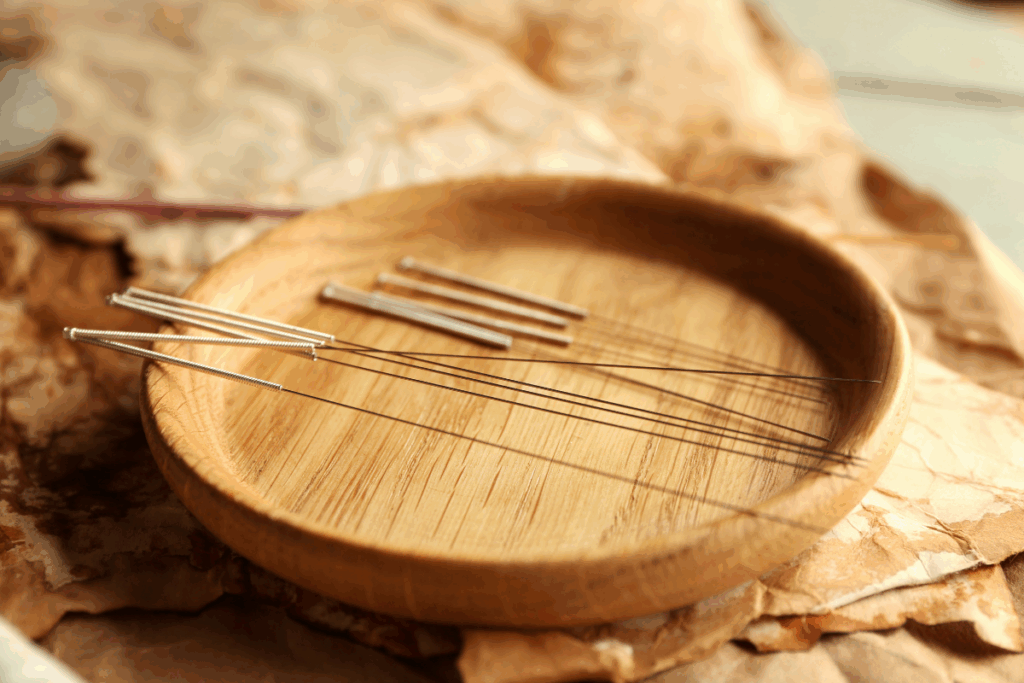
No—most people feel little to no discomfort. The needles are extremely thin and flexible. You might feel a quick pinch, a dull tingle, or nothing at all.
2. What does it feel like once the needles are in?
Clients often describe a deep sense of calm. Some feel warmth, heaviness, or gentle pulsing around the points. Many people fall asleep or enter a meditative state.
3. What if I’m nervous or scared during the session?
That’s completely okay. A good practitioner will talk you through every step, check in often, and go as slowly as you need. You’re always in control.
4. How long does a session take?
Initial visits are usually around 60–75 minutes, including consultation. Follow-ups are typically 45–60 minutes. Most of that time, you’re simply resting while the needles do their quiet work.
5. What does acupuncture help with?
It’s used for everything from stress, anxiety, and insomnia to muscle tension, headaches, digestion, menstrual pain, and more. It’s a whole-body approach to balance.
6. Do I need to be dealing with a big issue to benefit?
Not at all. Many people use acupuncture as a form of maintenance or preventive care—like a nervous system tune-up.
7. How many sessions will I need?
It depends on your goals. Some people feel a shift after one visit, while others benefit from a short series. Your practitioner will help you build a plan that works for you.
8. Will I feel weird or “off” afterward?
You may feel deeply relaxed, a little spacey, or pleasantly tired. Most people describe it as feeling “lighter” or “cleared out.” We recommend drinking water and giving yourself a calm evening afterward.
9. Can I combine acupuncture with other treatments?
Yes. It pairs well with massage, breathwork, talk therapy, and other holistic or clinical care. It’s safe and supportive as part of a broader wellness plan.
10. Does Circle Wellness offer acupuncture for teachers and working professionals?
Yes. Our acupuncture services are designed to support real people with real schedules—especially educators, caregivers, and anyone who holds a lot in their body and mind. We meet you where you are.
Acupuncture Isn’t About Pain—It’s About Relief
If the only thing holding you back from trying acupuncture is the idea that it might hurt, you’re not alone—and you’re definitely not the only one who’s been surprised to find out how gentle and restorative it actually is.
This isn’t about enduring discomfort. It’s about creating a quiet space for your body to soften, recalibrate, and breathe again—especially when the stress you’re carrying doesn’t have an obvious outlet.
Whether you’re curious, cautious, or just looking for a new way to care for yourself, acupuncture might be exactly what your nervous system has been waiting for.