
What Does It Mean to “Reset” Your Nervous System?
You may have heard wellness experts or acupuncturists talk about “resetting the nervous system,” especially when describing how acupuncture helps with stress, anxiety, or chronic tension. But what does that really mean—and is it medically accurate?
The idea of a “reset” isn’t about flipping a switch. Instead, it refers to shifting your body out of a constant stress mode (also known as sympathetic overdrive) and guiding it back into a calmer, more balanced state.
Understanding the Nervous System: Sympathetic vs. Parasympathetic

Your autonomic nervous system controls things you don’t think about—like heart rate, digestion, and respiration. It has two major branches:
- Sympathetic nervous system: Often called “fight or flight,” it prepares your body for emergencies by increasing heart rate, tightening muscles, and raising cortisol levels.
- Parasympathetic nervous system: Known as “rest and digest,” it slows the heart rate, aids digestion, and promotes a sense of calm and healing.
When life is balanced, these systems work like a seesaw. But chronic stress, trauma, or burnout can throw this balance off—keeping the body stuck in overdrive. This is where many people turn to acupuncture to help “rebalance” the system.
How Acupuncture Interacts with the Nervous System
Acupuncture influences the body on multiple levels—nervous, endocrine, and immune. Here’s how it interacts specifically with your nervous system:
- Stimulates the vagus nerve, which activates the parasympathetic response
- Increases serotonin and GABA, two calming neurotransmitters
- Lowers cortisol, the body’s main stress hormone
- Improves heart rate variability (HRV), a key marker of nervous system health
- Reduces activity in the amygdala, the part of the brain linked to fear and anxiety
By targeting specific points on the body, acupuncture can help send a signal of safety to the brain—encouraging a calm, regulated state that feels grounded instead of reactive.
Schedule an acupuncture session today and feel the shift in your nervous system.
How Acupuncture Interacts with the Nervous System
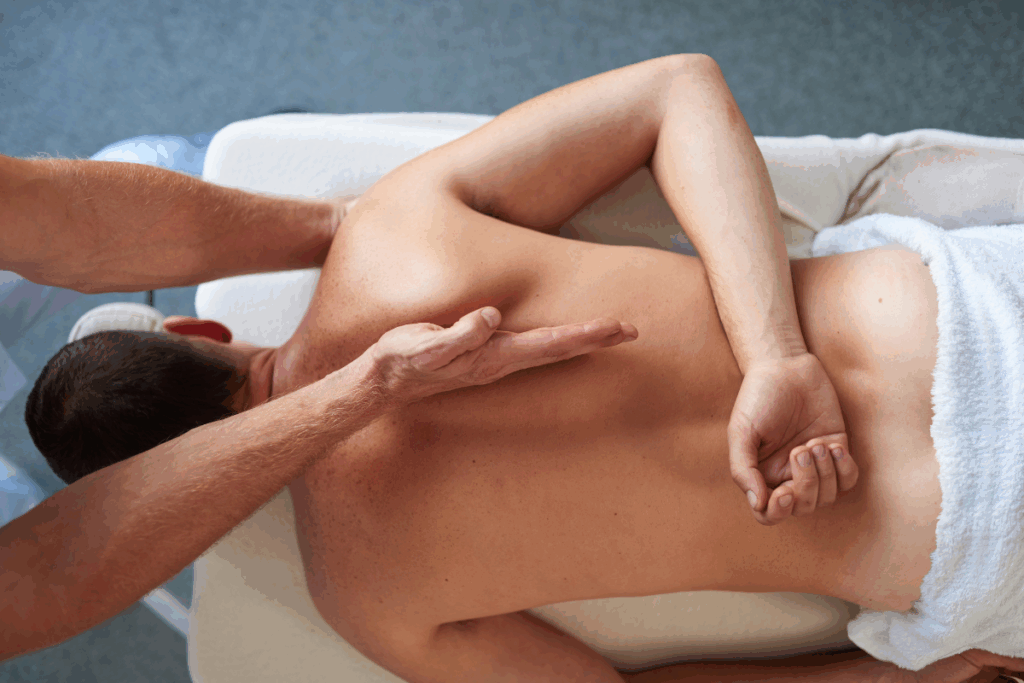
Acupuncture influences the body on multiple levels—nervous, endocrine, and immune. Here’s how it interacts specifically with your nervous system:
- Stimulates the vagus nerve, which activates the parasympathetic response
- Increases serotonin and GABA, two calming neurotransmitters
- Lowers cortisol, the body’s main stress hormone
- Improves heart rate variability (HRV), a key marker of nervous system health
- Reduces activity in the amygdala, the part of the brain linked to fear and anxiety
By targeting specific points on the body, acupuncture can help send a signal of safety to the brain—encouraging a calm, regulated state that feels grounded instead of reactive.
Scientific Evidence: Can Acupuncture Regulate Nerve Activity?

- HRV Improvement: A 2013 review found that acupuncture at ST36 and PC6 significantly improved heart rate variability (HRV), showing enhanced parasympathetic activity.
- Brain Modulation: fMRI scans revealed that acupuncture at LI-4 activated the hypothalamus and calmed the amygdala—regions linked to stress and emotion regulation.
- Autonomic Shift: A 2018 study showed that needling at LI-10 reduced heart rate and shifted HRV toward parasympathetic dominance.
This growing body of research shows acupuncture as more than a relaxation tool—it’s a measurable way to help modulate your nervous system toward regulation and resilience.
Conditions Tied to Nervous System Dysregulation Helped by Acupuncture

Acupuncture is increasingly used to address conditions that stem from—or are worsened by—nervous system imbalance. These include:
- Generalized anxiety disorder
- PTSD and trauma recovery
- Chronic fatigue syndrome
- Digestive disorders like IBS
- Insomnia or circadian rhythm disruption
- Panic attacks or hypervigilance
- Fibromyalgia and tension headaches
- Burnout and emotional exhaustion
By calming sympathetic activity and strengthening the parasympathetic system, acupuncture offers a gentle pathway to relief for many people whose systems feel like they’re “always on.”
Signs Your Nervous System Might Be Out of Balance

Not sure if your nervous system is dysregulated? Common symptoms include:
- Frequent anxiety or feeling “on edge”
- Difficulty falling or staying asleep
- Racing heart or shallow breathing
- Digestive problems without a clear medical cause
- Emotional reactivity or numbness
- Fatigue that doesn’t improve with rest
- A sense of detachment or feeling “wired and tired”
If these feel familiar, your body may be stuck in sympathetic overdrive. Acupuncture may help you shift out of that loop.
What to Expect from a Nervous-System-Focused Acupuncture Session
When working with the nervous system, acupuncture focuses on calming the body’s internal alarms. Here’s what to expect:
- Initial consultation: Your acupuncturist will ask about your stress levels, sleep, digestion, and emotional patterns.
- Point selection: Needles may be placed at calming points such as Shen Men (ear), Yin Tang (forehead), or Pericardium 6 (inner wrist).
- Treatment experience: You’ll likely feel deeply relaxed. Some people even fall asleep during the session.
- Post-session effects: Many report improved sleep, clearer thinking, and a more grounded emotional state.
A full nervous system reset usually takes multiple sessions—but even a single session can begin to shift you into a calmer state.
FAQs: Acupuncture and Nervous System Health

Can acupuncture really reset my nervous system?
It doesn’t “reset” like a button, but it can shift your body from a stressed state to a regulated one by stimulating the parasympathetic nervous system.
How many sessions do I need to feel a difference?
Most people feel calmer after 1–3 sessions. For long-term regulation, 6–10 sessions are often recommended.
What acupuncture points calm the nervous system?
Common points include Shen Men (ear), Yin Tang (between the brows), Heart 7, and Pericardium 6 (inner wrist).
Does acupuncture help with anxiety and panic attacks?
Yes—many people report reduced anxiety symptoms and a calmer baseline after regular treatments.
Can acupuncture replace therapy or medication?
It can complement but not replace mental health therapy or prescriptions. Always consult your healthcare provider before changing any treatment plan.
Is acupuncture safe for people with trauma or PTSD?
Yes—when performed by a trauma-informed practitioner, acupuncture can be a gentle and supportive modality.
How does acupuncture compare to meditation or breathwork?
They all help regulate the nervous system. Acupuncture uses physical stimulation to guide internal balance, which can complement mindfulness practices.
Are there side effects of nervous-system-focused acupuncture?
Most people feel relaxed. Occasionally, you might feel lightheaded or sleepy after a session.
Is this covered by insurance?
Some insurance plans cover acupuncture for certain conditions. Check with your provider.
Final Thought: Is Acupuncture a Myth or a Mind-Body Solution That Works?
The idea of “resetting” the nervous system may sound vague—but when you break it down through the lens of neuroscience, acupuncture’s effects are both tangible and supported by research.
It doesn’t “turn the system off and on,” but it does gently guide the body away from stress, fear, and hyperarousal—back into a place of safety, regulation, and repair.
So is it a myth? Not according to your biology—or the evidence. Acupuncture may just be one of the most underappreciated ways to support nervous system healing in a chaotic world.