What Is Sports Medicine Massage? Core Principles Explained
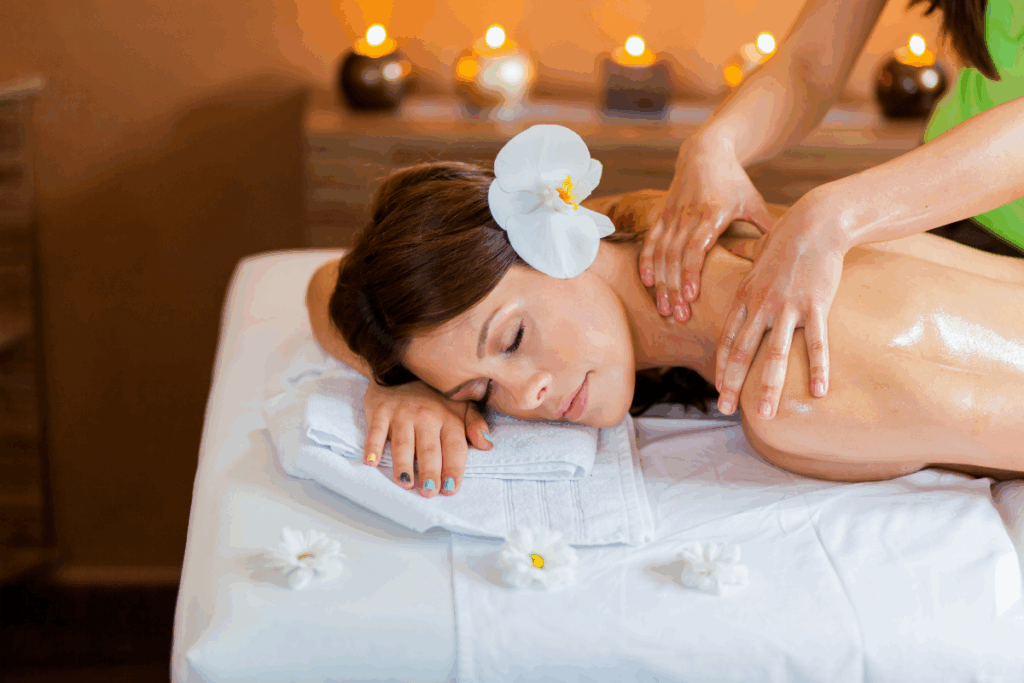
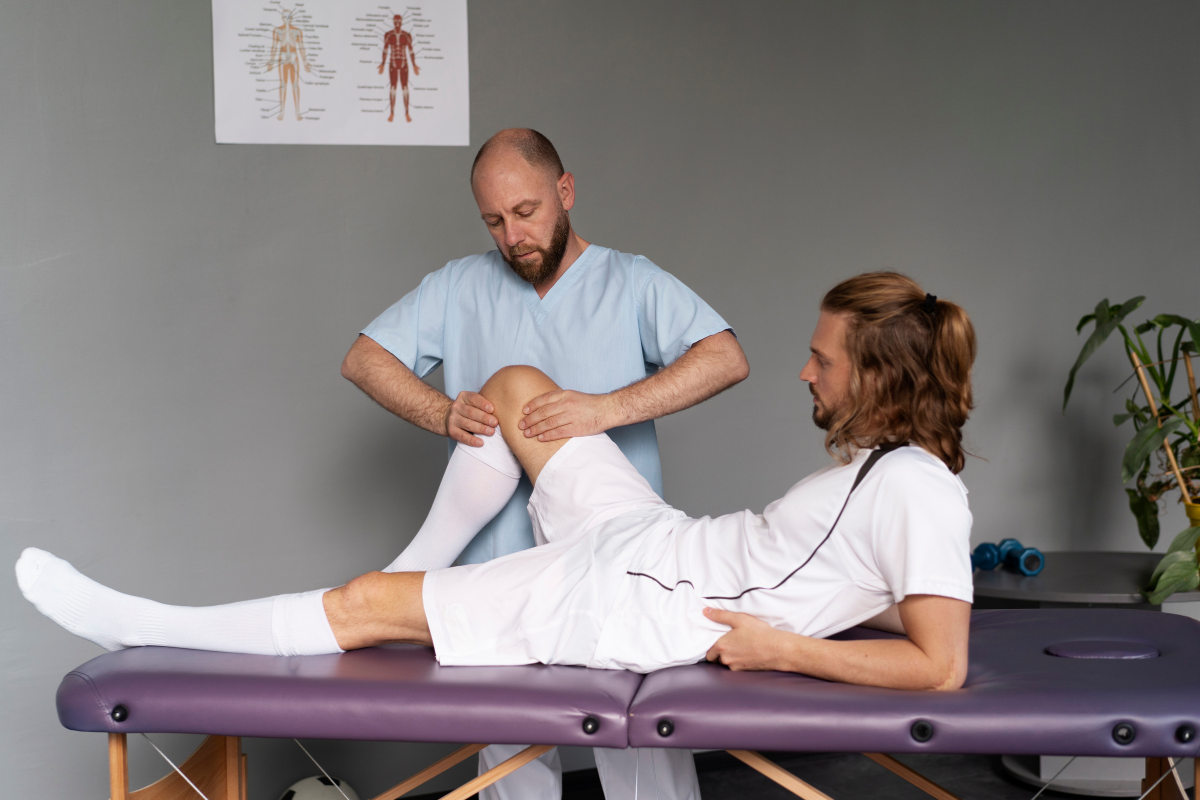
Sports medicine massage is a specialized form of therapeutic bodywork designed to support athletes at every stage of performance—before training, after workouts, during rehabilitation, and throughout recovery. Unlike relaxation massage, sports massage is intentional, targeted, and often deeply therapeutic.
Its primary goals are to speed up recovery, improve muscle performance, prevent common injuries caused by overuse or imbalance. Whether you’re a professional athlete or someone who works out regularly, this type of massage can be a vital part of your wellness plan.
Key Benefits: Why Sports Massage Is More Than Just Recovery
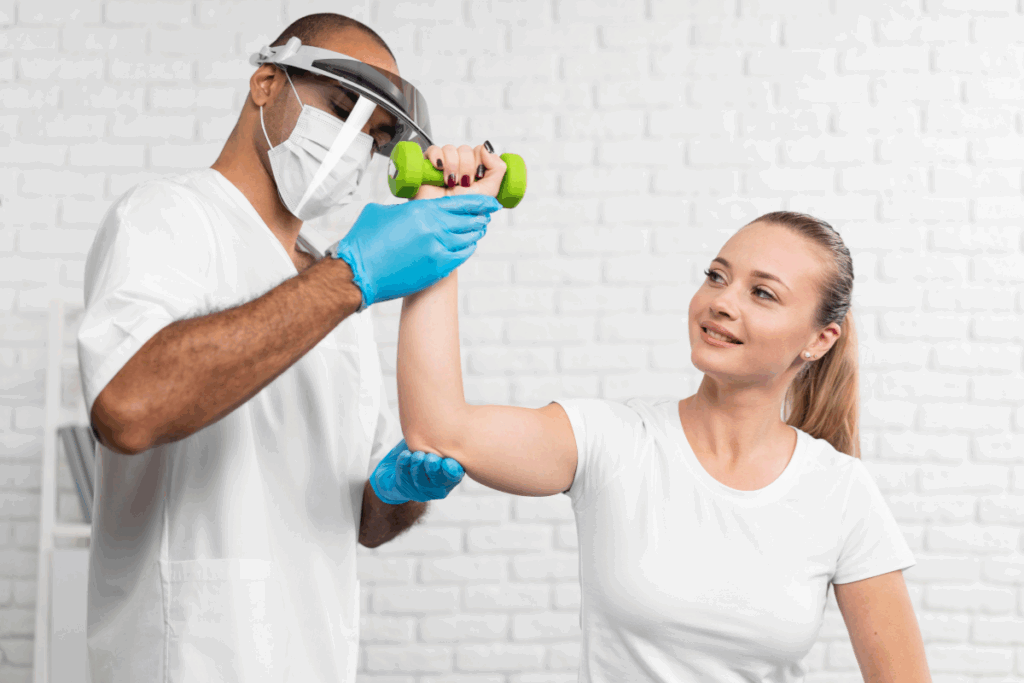
Many associate sports massage with post-workout soreness. But the benefits go far beyond recovery:
- Improved circulation: Helps deliver oxygen and nutrients to fatigued muscles
- Faster removal of metabolic waste: Clears lactic acid buildup
- Reduced inflammation: Helps decrease swelling and muscle tension
- Mental reset: Lowers cortisol levels and relieves nervous system strain
- Enhanced range of motion: Improves flexibility for better performance
A well-timed massage doesn’t just feel good—it can boost function, reduce pain, and support consistency in training.
Stay injury-free and performance-ready—schedule your massage now!
How Sports Massage Prevents Injuries: What the Evidence Shows
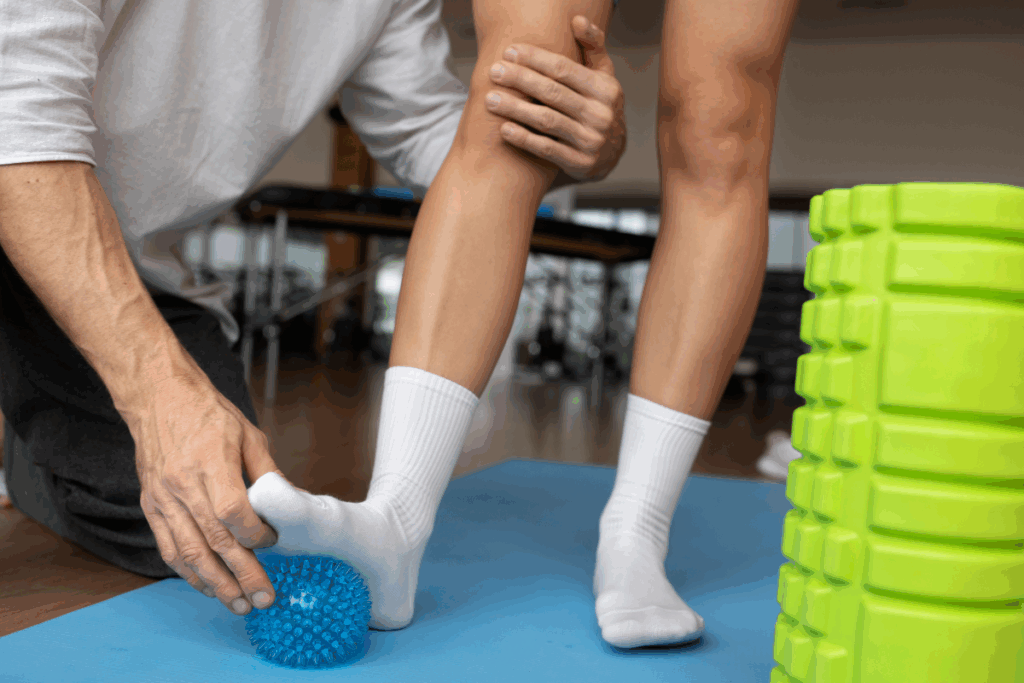
Sports massage is a proven tool in injury prevention. Here’s how it works:
- Reduces muscular tension: Tight muscles are more prone to strains. Massage helps lengthen tissue and improve flexibility.
- Improves joint mobility: Increased flexibility in surrounding muscles supports better biomechanics.
- Identifies minor dysfunctions early: Skilled therapists can spot adhesions or imbalances before they escalate into full injuries.
- Promotes healthy tissue repair: Massage increases blood flow, which supports collagen remodeling and helps tissues stay resilient.
A 2015 systematic review published in the Journal of Physiotherapy concluded that “massage therapy has short‑term benefits for people with common musculoskeletal disorders compared to no treatment,” particularly improving pain and function
Techniques Used in Sports Medicine Massage
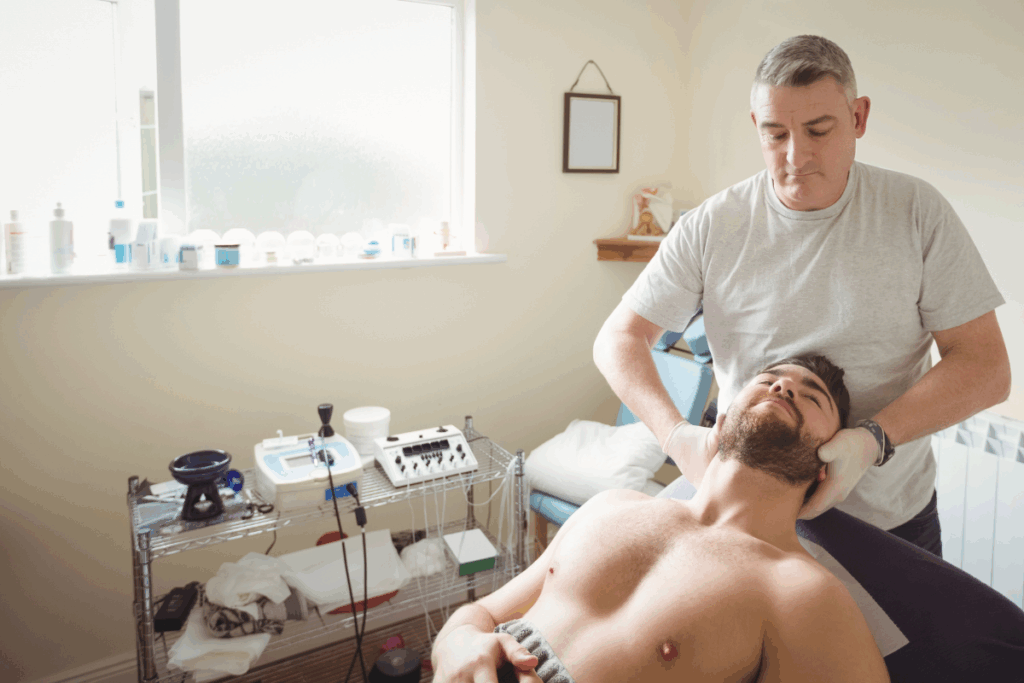
Sports massage isn’t one-size-fits-all. Therapists often blend several methods, depending on your sport and condition:
- Deep Tissue Massage: Targets deeper muscle layers to release chronic tension
- Trigger Point Therapy: Focuses on “knots” or tight bands that refer pain elsewhere
- Myofascial Release: Stretches connective tissue for greater mobility
- Cross-Fiber Friction: Helps break down adhesions and scar tissue
- Effleurage and Petrissage: Used for warm-up or cool-down strokes
Each technique serves a purpose—whether you’re loosening up pre-event or recovering after intense effort.
Sports Massage vs. Other Techniques: What Sets It Apart?
Not sure how sports massage compares to other common methods? Here’s a quick reference chart:
Massage Type | Goal | Pressure Intensity | Target Audience | Therapeutic Focus |
Sports Massage | Performance, recovery, injury prevention | Moderate to Deep | Athletes, active individuals | Muscle groups used in sports, flexibility, circulation |
Deep Tissue Massage | Chronic muscle tension, adhesions | Deep | People with chronic muscle pain | Deep muscle layers, fascia, scar tissue |
Relaxation Massage | Stress relief, relaxation | Light to Moderate | General population | Overall relaxation, reduced stress hormones |
Not sure how sports massage compares to other common methods? Here’s a quick reference chart:
Massage Type
Sports Massage
Goal: Performance, recovery, injury prevention
Pressure Intensity: Moderate to Deep
Target Audience: Athletes, active individuals
Therapeutic Focus: Muscle groups used in sports, flexibility, circulation
Deep Tissue Massage
Goal: Chronic muscle tension, adhesions
Pressure Intensity: Deep
Target Audience: People with chronic muscle pain
Therapeutic Focus: Deep muscle layers, fascia, scar tissue
Relaxation Massage
Goal: Stress relief, relaxation
Pressure Intensity: Light to Moderate
Target Audience: General population
Therapeutic Focus: Overall relaxation, reduced stress hormones
When to Use Sports Massage: Pre, Post, or Maintenance?
Here’s a basic guide:
- Pre-Event Massage (24–48 hours before)
Light, stimulating techniques to prepare muscles and increase blood flow. - Post-Event Massage (1–6 hours after)
Aimed at reducing soreness and flushing waste products like lactic acid. - Maintenance Massage (weekly or biweekly)
Helps manage tightness, identify asymmetries, and prevent injuries long-term.
Each session should be tailored to your training cycle, intensity, and personal recovery needs.
Self-Massage vs. Professional Massage: Tools, Techniques & Limitations
While professional massage offers unmatched depth and personalization, self-massage can be a helpful tool between appointments. Some common self-care techniques include:
- Foam rolling
- Massage balls for trigger points
- Handheld massagers or vibration tools
- Compression and mobility bands
However, self-massage has limitations:
- It’s hard to reach certain areas (e.g., upper back, glutes)
- You might miss deeper or more complex tissue dysfunctions
- Poor technique can cause bruising or irritation
In short: use self-massage to support—not replace—professional therapy.
Who Benefits Most from Sports Massage? (Not Just Pro Athletes)
You don’t need a jersey or a sponsorship to benefit from sports massage. It’s ideal for:
- Recreational runners, lifters, or weekend athletes
- Manual laborers or physically demanding jobs
- People recovering from surgeries or injurie
- Anyone prone to tight hips, back pain, or repetitive strain
If you’re active and want to stay pain-free, sports massage is worth considering—even if you’re not training for a marathon.
Foam Rolling, Trigger Point Therapy, and Recovery Tools: Do They Help?
Yes—when used properly.
- Foam rollers help release large muscle groups and improve mobility.
- Trigger point balls target small, stubborn knots (e.g., in glutes or shoulder blades).
- Vibrating tools may enhance circulation and desensitize tender spots.
Still, these tools aren’t a substitute for skilled hands—they work best when paired with professional massage.
Red Flags and Precautions: When to Avoid Sports Massage
Sports massage is generally safe, but it isn’t for everyone all the time. Avoid massage or consult your healthcare provider if:
- You’ve had a recent acute injury (e.g., sprain or fracture)
- You’re recovering from surgery and haven’t been cleared
- You have a blood clotting disorder or deep vein thrombosis
- You’re experiencing an active infection or skin condition
- You’re in severe, undiagnosed pain
Always let your therapist know about your medical history to ensure techniques are adapted safely.
FAQs: Sports Massage for Recovery and Injury Prevention

1.Is sports massage painful?
It can be intense, but it shouldn’t be unbearable. Communication is key.
2.How often should I get one?
Active individuals benefit from weekly or bi-weekly sessions. Others may opt for monthly maintenance.
3.Does sports massage help with DOMS (delayed onset muscle soreness)?
Yes—it helps flush out waste, reduce tension, and speed up recovery.
4.Can I get a sports massage during injury rehab?
Yes, but only under the guidance of a trained therapist or your healthcare provider.
5.Is there a difference between deep tissue and sports massage?
Deep tissue targets chronic muscle tension, while sports massage is tailored to athletic demands.
6.Are there any side effects?
Mild soreness, fatigue, or light bruising may occur—but typically resolve within 24 hours.
7.Can sports massage improve performance?
Indirectly, yes—by enhancing mobility, reducing tightness, and improving recovery cycles.
8.Do I need to be an athlete to benefit?
Not at all. Anyone with an active or physically demanding lifestyle can gain from it.
9.Should I stretch after a massage?
Gentle stretching can help maintain the mobility gained during the session.
10. What if I try this and don’t feel any different?
That’s okay. Like any practice, the effects can be subtle at first. The goal isn’t instant transformation—it’s consistency. Over time, this three-minute pause becomes a signal to your body that it can soften, refocus, and restore. The shifts will build.
Injury-Free Performance Starts Here
Whether you’re trying to shave seconds off your sprint time or simply stay pain-free after a long workday, sports medicine massage is a proven way to protect your body, boost recovery, and stay in the game.
Each massage session is tailored to your goals, movement patterns, and recovery needs, personalized care with measurable results.