Ever wonder why two people can get the same injection and have completely different results?
If you’re exploring trigger point therapy for chronic pain or muscle tightness, the way medication is delivered—subcutaneous (just under the skin) vs. intramuscular (deeper into the muscle)—can make all the difference. It’s not just about the needle. It’s about how your body absorbs treatment, how quickly you feel relief, and how long that relief lasts.
Whether you’re a first-timer or already tried injections with mixed results, understanding how they’re given can lead to better outcomes. Let’s walk through the difference between subcutaneous and intramuscular techniques in trigger point therapy—so you can feel informed and confident in your care.
What Is a Subcutaneous (SubQ) Injection?

A subcutaneous injection delivers medication into the fatty tissue layer just beneath the skin. It’s a shallow injection that avoids penetrating deep into the muscle, making it a gentler option for certain therapies.
In trigger point therapy, subcutaneous injections are sometimes used for delivering small doses of medication—such as anesthetics or anti-inflammatories—near tense or irritable areas without deeply piercing muscle fibers.
Key features of SubQ injections:
- Injection depth: Just under the skin, into the fat layer.
- Needle length: Typically short and thin (⅜ to ⅝ inches).
- Absorption rate: Slower and more controlled compared to IM.
- Pain level: Generally minimal discomfort.
- Common sites: Abdomen, outer thigh, upper arm.
While subcutaneous (SubQ) injections aren’t typically used for trigger point therapy—since muscle spasms lie deeper—they may offer relief for sensitive patients or when surface tissue needs attention without deep penetration.
What Is an Intramuscular (IM) Injection?

An intramuscular injection is delivered directly into the muscle tissue. Because muscles have a rich blood supply, this method allows for faster absorption of medication—making it the most common technique for trigger point injections.
In trigger point therapy, IM injections are used to target deep knots or hyperirritable spots within the muscle that refer pain elsewhere. The goal is to deliver medication—such as a local anesthetic or corticosteroid—right into the tense or spastic area to relieve pain, reduce inflammation, and restore mobility.
Key features of IM injections:
- Injection depth: Deep into the muscle layer.
- Needle length: Longer and thicker (typically 1 to 1.5 inches).
- Absorption rate: Fast, with quick onset of relief.
- Pain level: Mild to moderate, depending on the site and medication.
- Common sites: Gluteus (hip), deltoid (shoulder), vastus lateralis (thigh).
Because trigger points lie within the muscle itself, intramuscular (IM) injections are the preferred route for delivering direct and fast-acting relief—especially in more severe or stubborn cases of muscle pain and tightness.
Key Differences Between Subcutaneous and Intramuscular Injections
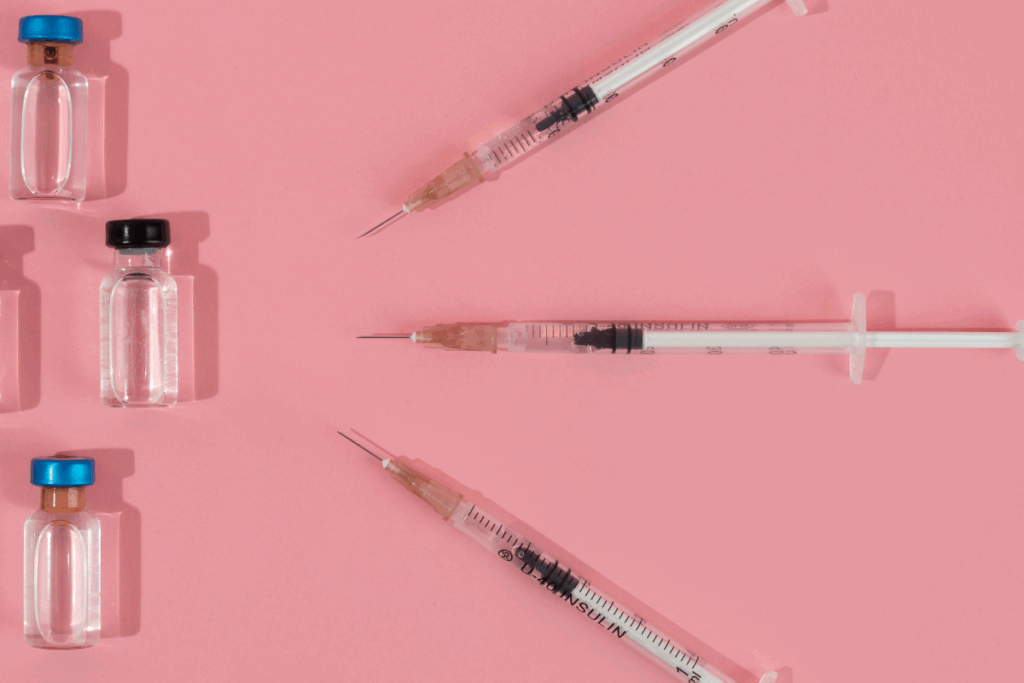
While both injection methods are used to deliver medication into the body, their differences significantly affect how they’re used in trigger point therapy. Here’s how they compare:
Depth of Injection
Subcutaneous (SubQ) – Into the fatty layer just beneath the skin.
Intramuscular (IM) – Deep into the muscle tissue
Needle Length and Size
Subcutaneous (SubQ) – Shorter, finer needles (typically ½ inch)
Intramuscular (IM) – Longer, thicker needles (1 to 1.5 inches)
Absorption Speed
Subcutaneous (SubQ) – Slower; suitable for gradual medication release
Intramuscular (IM) – Faster; ideal when quicker relief is needed
Volume of Medication
Subcutaneous (SubQ) – Small amounts (usually < 1 mL)
Intramuscular (IM) – Larger volumes (up to 3–5 mL, depending on the site)
Use in Trigger Point Therapy
Subcutaneous (SubQ) – For superficial pain or sensitive patients
Intramuscular (IM) – Preferred for deep muscle knots and rapid relief
Pain at Injection Site
Subcutaneous (SubQ) – Less painful due to shallow depth
Intramuscular (IM) – May cause more soreness due to deeper muscle penetration
Comparing Efficacy in Pain Relief

In trigger point therapy, how the medication is delivered can influence not just comfort—but how well and how quickly pain relief sets in.
- Intramuscular (IM) injections tend to deliver faster and more noticeable relief, especially for deeply embedded trigger points. Patients often report feeling lighter, looser, or more mobile within minutes to hours after treatment. This approach is particularly effective when using corticosteroids or anesthetics meant to reduce inflammation and disrupt chronic tension cycles.
- Subcutaneous (SubQ) injections, while not the first choice for traditional trigger points, may offer relief in cases involving surface-level pain, fascia irritation, or needle-sensitive patients. The gentler delivery can make it a viable alternative in special situations—but typically provides slower, more subtle results.
Bottom line:
IM injections are usually preferred for immediate and direct treatment of trigger points.
SubQ injections may play a supportive role in some cases, but are generally less effective for deep muscle relief.
When SubQ vs. IM Might Be Considered in Trigger Point Therapy
Choosing between subcutaneous (SubQ) and intramuscular (IM) injections isn’t just a technical detail—it’s a strategic clinical decision based on your unique symptoms, anatomy, and treatment goals.
Intramuscular (IM) injections are typically preferred when:
- The trigger point lies deep within a muscle belly (e.g., trapezius, gluteus medius, piriformis).
- The pain is localized and clearly traced to a tight, hyperirritable band of muscle.
- Fast relief is needed for acute flare-ups or severe muscle spasms.
- The patient has previously responded well to IM steroid or anesthetic injections.
- A longer-acting medication is being used, such as corticosteroids.
Subcutaneous (SubQ) injections might be considered if:
- The pain is superficial or originates from the fascia or subdermal tissue.
- The patient has a low BMI or limited muscle mass, making IM injections uncomfortable or risky.
- There is heightened sensitivity to deeper needling or prior adverse reactions to IM therapy.
- A mild anesthetic is being used to desensitize an area before manual release techniques.
- The provider is targeting nerve pathways or referred pain patterns near the skin’s surface.
In many cases, your provider will use imaging, palpation, and detailed history to guide the decision. While IM is the gold standard for most trigger point injections, SubQ injections may complement the approach when used selectively.
Safety, Side Effects & Complications
Trigger point injections—subcutaneous or intramuscular—are safe when done by trained professionals, but like any procedure, they come with important considerations.
Common, mild side effects may include:
- Soreness or tenderness at the injection site
- Bruising or minor bleeding
- Temporary increase in muscle tightness
- Lightheadedness or fatigue after treatment
Less common but potential complications:
- Infection at the injection site (rare with proper sterilization)
- Allergic reaction to the medication (especially anesthetics or corticosteroids)
- Accidental puncture of a blood vessel or nerve (more likely with IM than SubQ)
- Steroid flare — a temporary increase in pain due to medication reaction
- Skin changes (e.g., dimpling or discoloration) at the injection site, especially with repeated steroid use
Important safety considerations:
- IM injections should be avoided in individuals with bleeding disorders or those on blood thinners unless cleared by a physician.
- SubQ injections are not suitable for deeply located trigger points and may offer limited relief if used incorrectly.
- Clear communication with your provider is key—always disclose any allergies, medications, or medical history.
When done thoughtfully and with proper technique, both injection methods offer targeted relief with minimal risk. Your provider will always weigh the benefits against the risks to ensure the safest, most effective approach for your body.
FAQs

1 Which injection method works faster for trigger point relief?
Intramuscular (IM) injections generally act faster because the medication is absorbed more quickly into the bloodstream via muscle tissue.
2 Is one method more painful than the other?
IM injections may feel slightly more intense due to deeper penetration, while SubQ injections tend to cause less discomfort overall.
3 Can I choose between SubQ and IM injections?
It depends on your condition and the location of the trigger point. Your provider will recommend the best method for effective relief.
4 Are side effects different between the two?
Side effects are typically mild for both, but IM injections carry a slightly higher risk of bruising or soreness due to deeper tissue involvement.
5 How long does the relief from these injections usually last?
Relief can last from a few days to several weeks. It often depends on the medication used, your body’s response, and any underlying conditions.
6 Can both SubQ and IM injections be used with steroids?
Yes. Steroids can be delivered via both methods, but IM is more commonly used for deeper muscle-related inflammation.
7 Are SubQ injections used often for trigger points?
They’re less common but may be considered for superficial trigger points or in patients sensitive to IM injections.
8 Do both methods require the same aftercare?
Basic aftercare like light movement and monitoring for soreness applies to both, but IM sites may need more rest.
9 How are the injection sites chosen?
Sites are selected based on the depth and location of the muscle knot—IM for deeper tissues, SubQ for more surface-level areas.
10 Are results from SubQ injections as effective as IM?
They can be, depending on the case. However, IM injections typically provide stronger, more immediate muscle relief.