You wake up with a stiff neck, or maybe your lower back aches every time you sit at your desk. You know something isn’t moving the way it should, but the thought of adding “manual therapy” to the mix just sounds… confusing.
Is it massage? Is it chiropractic care? Is it just another term for physical therapy? If you’ve ever wondered what manual therapy really means—or whether it could help you—you’re not alone.
The good news: manual therapy is simply a hands-on technique to ease pain and restore movement.
Ahead, we’ll explain what it is, how it works, and what you can expect, so you feel clear and confident about your options.
What Is Manual Therapy?

Manual therapy is a specialized, hands-on approach physical therapists use to treat pain and movement problems. Instead of relying only on machines or exercise equipment, your therapist uses their hands to gently work with your body—targeting muscles, joints, and soft tissues to restore natural movement.
Think of it as more than just massage. Manual therapy combines gentle pressure, stretching, and precise joint techniques designed to reduce stiffness, improve mobility, and calm pain signals. The goal isn’t only to make you feel better in the moment, but to improve how your body moves overall.
How Does Manual Therapy Work?
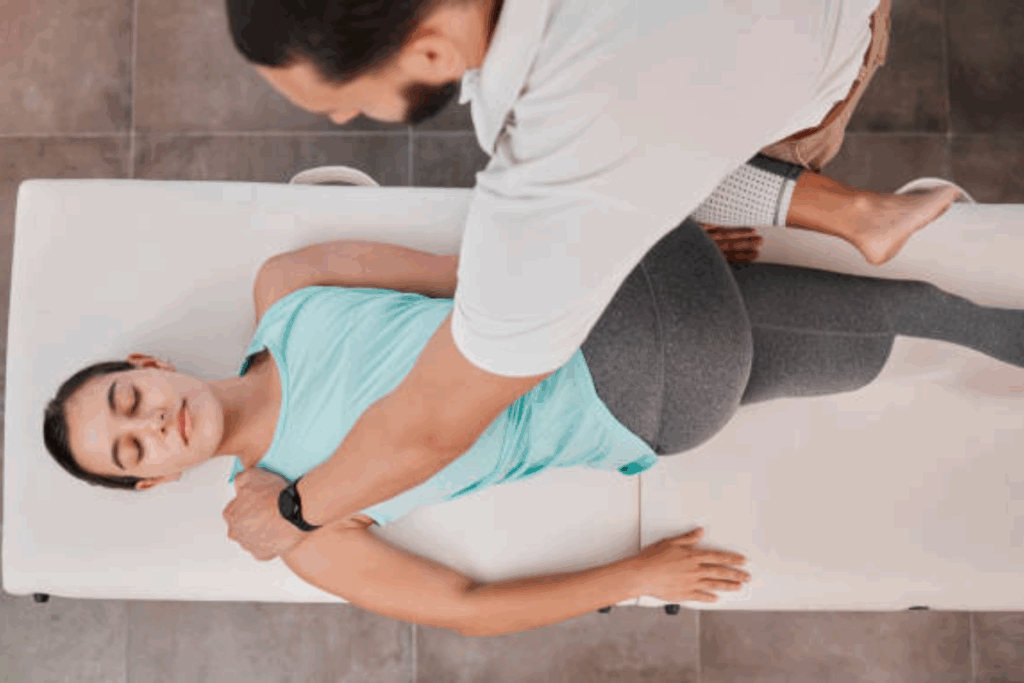
At its core, manual therapy works through the power of skilled touch. A physical therapist uses precise, hands-on techniques to move joints, stretch muscles, and release tension in the soft tissues that surround and support your body.
But the real magic lies in how these techniques affect your entire system:
- Eases pain signals – Gentle pressure and mobilization calm overactive nerves, helping your brain “turn down the volume” on pain.
- Improves circulation – Moving soft tissues increases blood flow, bringing in oxygen and nutrients while flushing out inflammation.
- Restores mobility – By guiding stiff joints or tight muscles through healthy ranges of motion, your therapist helps your body move the way it was designed to.
- Supports better movement patterns – Manual therapy often makes exercises easier and more effective, giving you the confidence to move without fear of pain.
Think of it this way: exercise is the “training,” manual therapy is the “reset button” that makes that training more effective. Alone it offers relief, but together with exercise and education, it builds lasting results.
Benefits of Manual Therapy

Manual therapy offers more than just short-term relief. By addressing the underlying causes of stiffness, tension, and pain, it helps you move with more ease and confidence in daily life.
Key Benefits at a Glance
- Reduces pain by calming tight muscles and easing pressure on joints
- Improves mobility so you can move more freely and comfortably
- Decreases stress and tension through gentle, hands-on release
- Increases blood flow to support faster healing and reduce inflammation
- Restores posture and balance to prevent recurring issues
Short-Term Benefits
- Quick pain relief by easing muscle tightness and stiff joints
- Reduced swelling and improved circulation after injury or strain
- Increased flexibility so everyday movement feels less restricted
- A sense of relaxation that makes it easier to stay active
Long-Term Benefits
- Less reliance on pain medication by addressing the root cause of pain
- Improved posture and healthy movement patterns that last
- Greater resilience against injuries and flare-ups
- Support for joint health, slowing down stiffness from arthritis or aging
Major Manual Therapy Frameworks
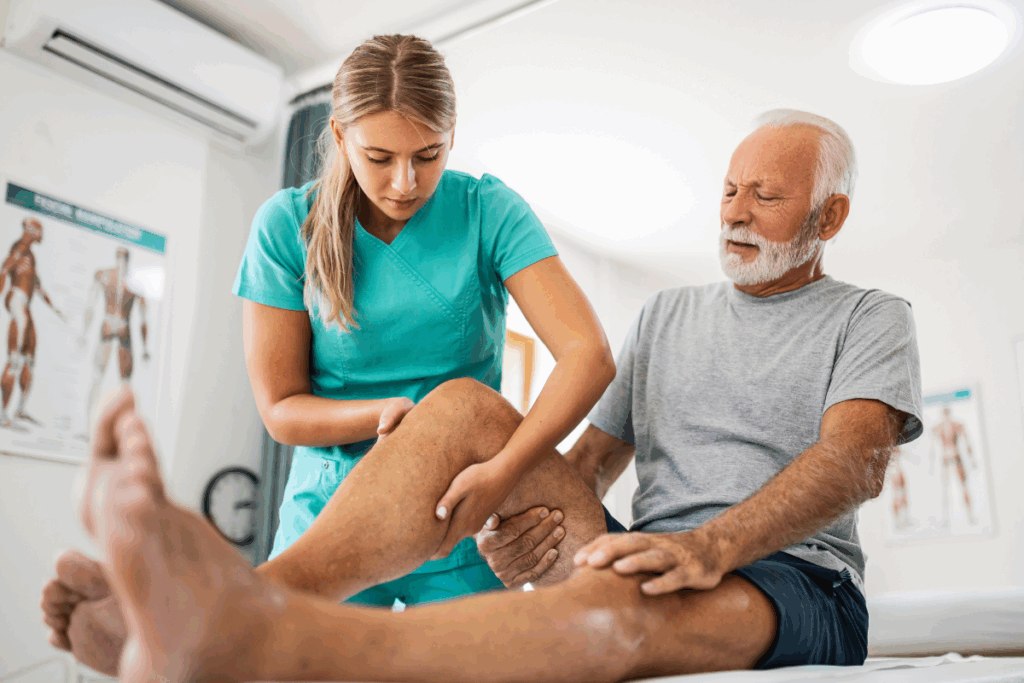
Manual therapy isn’t a single technique—it’s an entire toolbox of approaches that physical therapists may draw from. Over the years, different clinicians have developed unique frameworks, each with its own style, focus, and benefits. Here are some of the most widely used:
Cyriax Approach
- Focus: Treating soft tissue problems such as muscle or ligament injuries.
- Method: Uses deep friction massage and targeted joint manipulation to reduce pain and stimulate healing.
Lewit Method
- Focus: Looking at the body as a connected chain, rather than isolated parts.
- Method: Combines joint mobilization, gentle manipulations, and corrective exercises to treat dysfunctions.
Kaltenborn-Evjenth Technique
- Focus: Restoring natural joint mechanics and mobility.
- Method: Uses traction (gentle pulling) and gliding motions to free up stiff joints.
Maitland Concept
- Focus: Tailoring treatment based on ongoing assessment and patient feedback.
- Method: Uses oscillatory (back-and-forth) movements and manipulations, adjusted to each individual’s condition.
Mechanical Diagnosis and Therapy (McKenzie Method)
- Focus: Empowering patients through self-care and exercise.
- Method: Patients perform specific repeated movements or sustained positions that reduce pain and restore function.
Mulligan’s Mobilization with Movement (MWM)
- Focus: Blending therapist input with patient participation.
- Method: The therapist gently guides the joint while the patient actively moves, creating a painless, functional correction.
Each framework has its own strengths, and your therapist may blend elements from several approaches. The key is personalization—choosing the right method for your condition, comfort level, and recovery goals.
Common Manual Therapy Techniques
Manual therapy isn’t just one single method—it’s a collection of hands-on techniques your therapist may use depending on your condition, goals, and comfort level. Each technique has a unique purpose, but they all work together to restore movement, decrease pain, and improve function.
These techniques are often combined during a session to meet your specific needs. For instance, your therapist may start with soft tissue work to reduce tension, then follow with joint mobilization and stretching to restore motion.
Soft Tissue Mobilization
Joint Mobilization and Manipulation
Myofascial Release
Trigger Point Therapy
Assisted or Passive Stretching
Mobilization with Movement (MWM)
These techniques are often combined during a session to meet your specific needs. For instance, your therapist may start with soft tissue work to reduce tension, then follow with joint mobilization and stretching to restore motion.
Is Manual Therapy Right for Me?
Manual therapy can be a powerful tool in physical therapy—but like any treatment, it works best when it’s matched to the right person and condition.
ou may benefit from manual therapy if:
- You have chronic back or neck pain that doesn’t fully improve with rest
- Your joints feel stiff or limited from arthritis or injury
- You deal with muscle tension or poor posture from sitting long hours
- You’re recovering from a sports injury and want to restore mobility safely
- You prefer a drug-free approach to managing pain and improving function
When manual therapy may not be the best fit:
- Joint hypermobility – where too much movement needs stability, not more mobility
- Osteoporosis or fragile bones – where certain techniques may pose risk
- Recent surgery or acute trauma – where healing tissue needs time before hands-on care
What to Expect from Your First Session?
Walking into your first physical therapy appointment can feel a little uncertain—you may wonder what will actually happen once you’re in the room. The good news is, manual therapy sessions are designed to be comfortable, collaborative, and tailored to your needs.
Here’s what you can typically expect:
- Initial Evaluation
Your therapist will start by asking about your health history, current symptoms, and goals. They’ll check your posture, flexibility, strength, and movement patterns to identify what may be causing discomfort. - Hands-On Techniques
If manual therapy is appropriate for your condition, your therapist will begin with gentle techniques. This may include soft tissue mobilization, stretching, or joint movements aimed at easing tension and improving mobility. You should feel relief, not pain—any discomfort should always be mild and short-lived. - Guided Exercise
Manual therapy is most effective when paired with movement. After hands-on work, your therapist may guide you through targeted exercises or stretches to reinforce what was just corrected. - Ongoing Feedback
Throughout your session, your therapist will check in to make sure you’re comfortable. If a certain technique feels too intense, they’ll adjust right away. - Homework for Healing
To keep your progress going, you’ll likely leave with simple exercises or stretches to do at home. This helps you build strength, maintain mobility, and stay on track between sessions.
Think of your first appointment as a conversation between you and your therapist—one where your comfort, goals, and long-term health are the top priority. By the end of your session, you should feel clearer about your treatment plan and confident about the road ahead.
FAQs

1. What exactly is manual therapy?
Manual therapy is a hands-on treatment where a physical therapist uses techniques like gentle joint movements, stretching, and soft tissue work to reduce pain and improve mobility.
2. Is manual therapy the same as physical therapy?
Not exactly. Manual therapy is one approach within physical therapy. Your treatment plan may also include exercises, education, and other methods to support recovery.
3. How quickly will I notice results?
Many patients feel some relief after the first session, especially with reduced tension and easier movement. However, lasting improvements usually take a series of treatments combined with exercise.
4. Does manual therapy replace exercise?
No. Manual therapy works best when combined with prescribed exercises. Hands-on techniques help reduce pain and stiffness, while exercise builds long-term strength and stability.
5. How often do I need manual therapy sessions?
Frequency depends on your condition. Many people start with 1–2 sessions per week, then reduce as symptoms improve and they transition to self-management.
6. Is manual therapy painful?
It shouldn’t be. Some mild soreness can happen afterward, similar to how you might feel after a workout, but the techniques themselves should feel relieving—not uncomfortable.
7. Is manual therapy safe for everyone?
Manual therapy is generally very safe, but it may not be recommended for conditions like severe osteoporosis, recent fractures, or certain medical issues. Your therapist will screen for these before treatment.
8. How is manual therapy different from massage?
Massage mainly focuses on relaxation and muscle tension, while manual therapy targets specific movement problems and is performed by licensed physical therapists as part of a treatment plan.
Your Next Step Toward Relief
Manual therapy isn’t just a “feel-good” add-on—it addresses the root of pain by calming tight tissues, freeing stiff joints, and retraining healthy movement. Unlike medications that only mask symptoms, it restores natural function and supports long-term healing.
Paired with exercise and education, it becomes a lasting solution for back pain, joint stiffness, headaches, or posture-related discomfort—offering a safe, drug-free path to moving and living better.
At Circle Wellness, our therapists use evidence-based techniques tailored to your unique needs.