Stiff shoulders from endless hours at your desk? Aching legs after a tough workout? Most of us know that nagging pull in our muscles that begs for relief. But here’s the thing—not all massages answer that call in the same way.
One style leaves you completely relaxed, as if stress has been smoothed right out of your body. The other goes deeper, breaking through stubborn knots and tension you didn’t even realize were holding you back.
That’s the key difference between Swedish massage and deep tissue massage—two of the most popular therapies, each with its own purpose. The question is: when your body is asking for help, which one should you choose?
Swedish Massage
What It Is
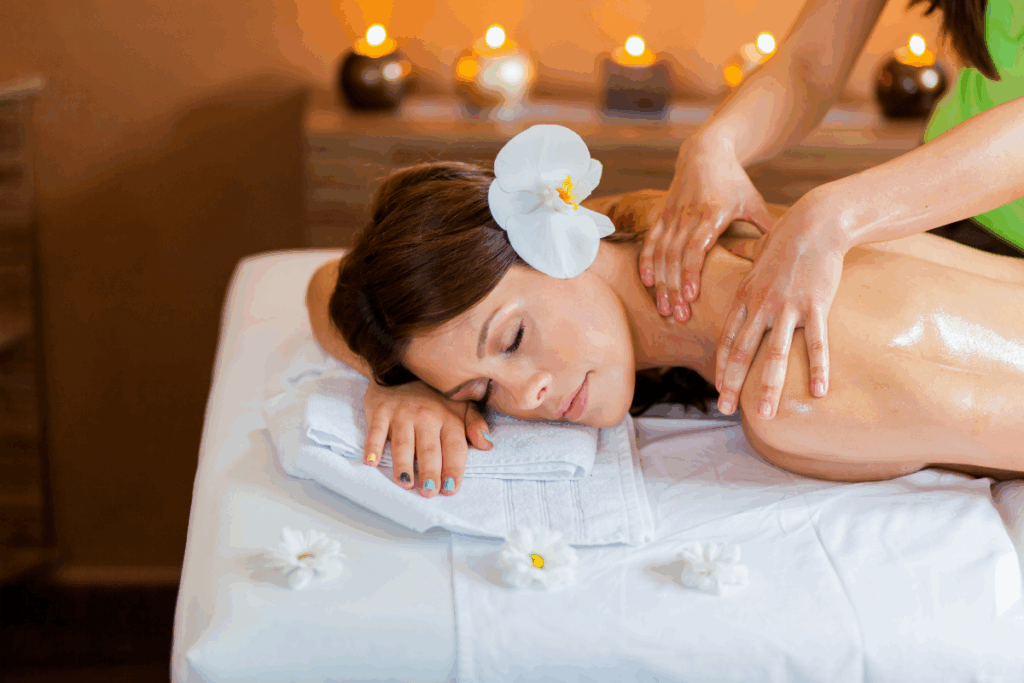
Swedish massage, often called the “classic” massage, is one of the most widely practiced forms of massage therapy. It’s designed to relax the body, ease muscle tension, and improve circulation through long, flowing strokes and gentle pressure. This style is ideal for anyone seeking a calming, full-body experience that soothes both the muscles and the mind.
Techniques Used
A Swedish massage session typically includes a blend of five foundational strokes:
- Effleurage: Long, gliding strokes that warm up the muscles and promote relaxation.
- Petrissage: Kneading and rolling movements that help release surface tension.
- Friction: Small, deep circular motions that stimulate circulation and ease knots.
- Tapotement: Rhythmic tapping or chopping motions to invigorate the muscles.
- Vibration: Light shaking or trembling motions to relax tight areas.
Therapists often use oils or lotions to allow smooth, continuous movements, creating a seamless, soothing experience.
Common Benefits
- Promotes deep relaxation and stress relief
- Enhances blood flow and circulation
- Loosens tight muscles from daily activities (e.g., sitting, working out)
- Supports better sleep and reduced anxiety
- Provides a gentle introduction to massage therapy for beginners
Deep Tissue Massage

What It Is
Deep tissue massage is a therapeutic technique that targets the deeper layers of muscle and connective tissue. Unlike Swedish massage, which emphasizes relaxation, this approach uses firm, focused pressure to release chronic tension, treat injuries, and restore mobility. It’s especially effective for athletes, individuals with physically demanding jobs, or anyone dealing with long-term muscle tightness or pain.
Techniques Used
- Layered Pressure: Gradually increasing intensity to reach deeper tissues.
- Slow, Firm Strokes: Applied with fingers, knuckles, or elbows to break down adhesions and tight knots.
- Cross-Fiber Friction: Pressure applied against the muscle fibers to improve flexibility and circulation.
- Targeted Focus: Sessions often concentrate on specific problem areas rather than the whole body.
Common Benefits
- Relieves chronic muscle tension and stiffness
- Supports recovery from sports injuries or physical strain
- Improves posture and range of motion
- Helps reduce inflammation and pain from conditions like sciatica or lower back issues
- Encourages faster muscle healing by improving blood flow to deep tissues
Difference Between Swedish Massage and Deep Tissue Massage?

| Aspect | Swedish Massage | Deep Tissue Massage |
|---|---|---|
| Pressure | Light to moderate, gentle and soothing | Firm to intense, targeting deeper layers of muscle and fascia |
| Techniques | Long gliding strokes, kneading, circular motions, passive joint movements | Slow, forceful pressure using fingers, fists, elbows after initial strokes |
| Primary Goal | Relaxation, stress relief, improved circulation | Release knots, ease chronic tension, aid recovery from strain or injury |
| Areas of Focus | Full-body relaxation with extra time on problem spots | Full-body or specific areas like back, shoulders, or legs |
| Best For | Stress, light tension, mood, and overall well-being | Athletes, injury recovery, chronic pain, structural issues, deep tightness |
| After-Effects | Relaxed, refreshed, and rejuvenated | Possible mild soreness, deeper healing, long-term relief |
Which One Is Right for You?
Choosing between Swedish and deep tissue massage comes down to your goals and how your body feels right now.
- Choose Swedish massage if:
- You want full-body relaxation and stress relief
- Your muscles feel tight from everyday activities like sitting or working out
- You’re new to massage and prefer a gentler introduction
- You’re looking to boost circulation and improve sleep
- You want full-body relaxation and stress relief
- Choose Deep Tissue massage if:
- You’re dealing with chronic tension, stiffness, or recurring pain
- You’re recovering from a sports injury or strain
- You need targeted work on specific problem areas
- You prefer stronger pressure and don’t mind mild soreness afterward
- You’re dealing with chronic tension, stiffness, or recurring pain
Both styles can support your wellness—sometimes even in combination. If you’re unsure, share your goals and concerns with a licensed massage therapist. They can guide you toward the best option for your needs.
FAQs

1.What is the main difference between Swedish and deep tissue massage?
Swedish massage focuses on gentle relaxation, while deep tissue massage uses stronger pressure to target deeper layers of muscle and connective tissue.
2.Which massage is better for stress relief?
Swedish massage is generally better for relaxation, stress relief, and improving circulation.
3.Is deep tissue massage painful?
It can feel intense and sometimes uncomfortable, but it should not be painful. Always tell your therapist if the pressure is too much.
4.Who should choose Swedish massage?
It’s best for people who want to relax, ease light tension, or improve overall wellness.
5.Who should choose deep tissue massage?
It’s ideal for athletes, people recovering from injuries, or anyone dealing with chronic muscle pain or stiffness.
6.Can Swedish and deep tissue massages help with back pain?
Yes, both can help, but deep tissue massage is often recommended for chronic or severe back pain.
7.How long does a typical session last?
Most Swedish and deep tissue massages last between 60 and 90 minutes, depending on your needs.
8.Are there side effects to deep tissue massage?
Some people experience mild soreness for a day or two, but it usually fades quickly.
9.Can I get a Swedish massage if I’m pregnant?
Prenatal massage is a safer option during pregnancy. Always let your therapist know if you are expecting.
10.How do I decide which massage is right for me?
Consider your goals: choose Swedish for relaxation and stress relief, or deep tissue for recovery, injury care, and chronic pain relief.
Don’t Put Off Relief
Swedish and deep tissue massage serve different needs—one melts stress, the other tackles deep pain. The right choice depends on what your body is craving right now.
At our clinic, we customize every session to bring you the exact relief you need.