
If you’ve ever felt stubborn knots, nagging tightness, or aches that just won’t go away, you’re not alone. Sometimes the issue isn’t just your muscles—it can be the fascia, the connective tissue that runs throughout your body. When it gets stiff, movement feels harder, and even simple tasks can leave you sore.
This is where myofascial massage makes a difference. Instead of only working on muscles, it focuses on releasing restrictions in the fascia to ease pain, improve flexibility, and help your body move more freely.
In the sections ahead, we’ll look at what myofascial massage is, how it works, the benefits it may offer, and what to expect during a session—so you can decide if it’s the right approach for your body.
What Is Myofascial Massage?
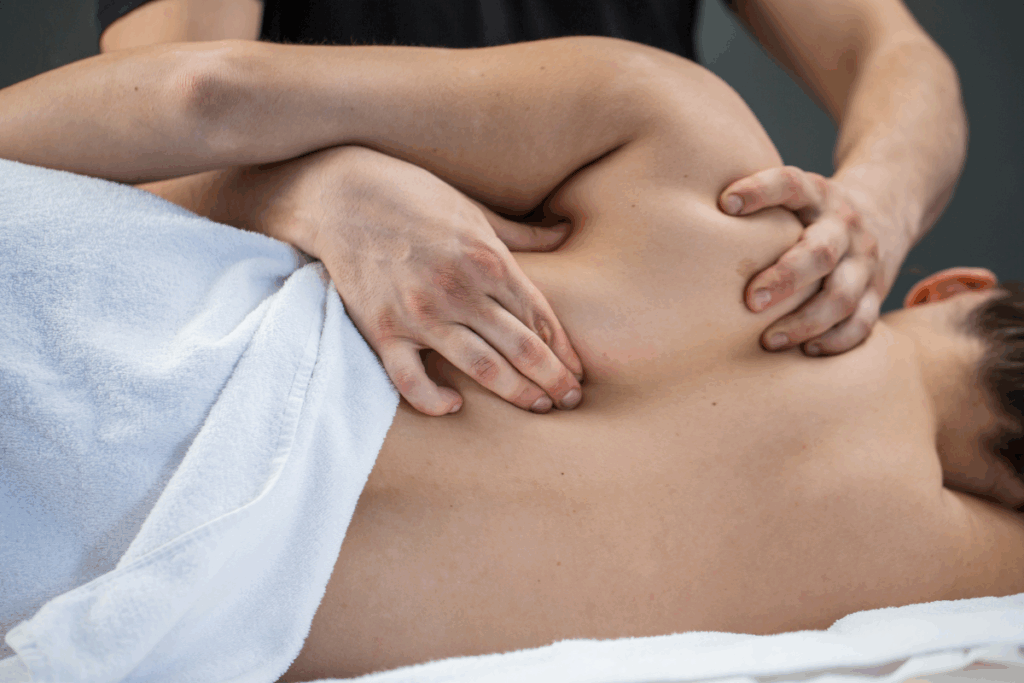
Myofascial massage, often called myofascial release therapy, is a gentle, hands-on technique designed to ease tightness and pain in the body’s connective tissue, known as fascia. Fascia is a thin, web-like layer that surrounds and supports your muscles, bones, and organs. When it becomes tight or restricted—often due to injury, stress, or overuse—it can create painful knots or “trigger points” that limit movement and cause discomfort.
Myofascial massage is not just about relaxation—it’s about restoring balance, releasing restrictions, and improving overall function.
Benefits of Myofascial Massage
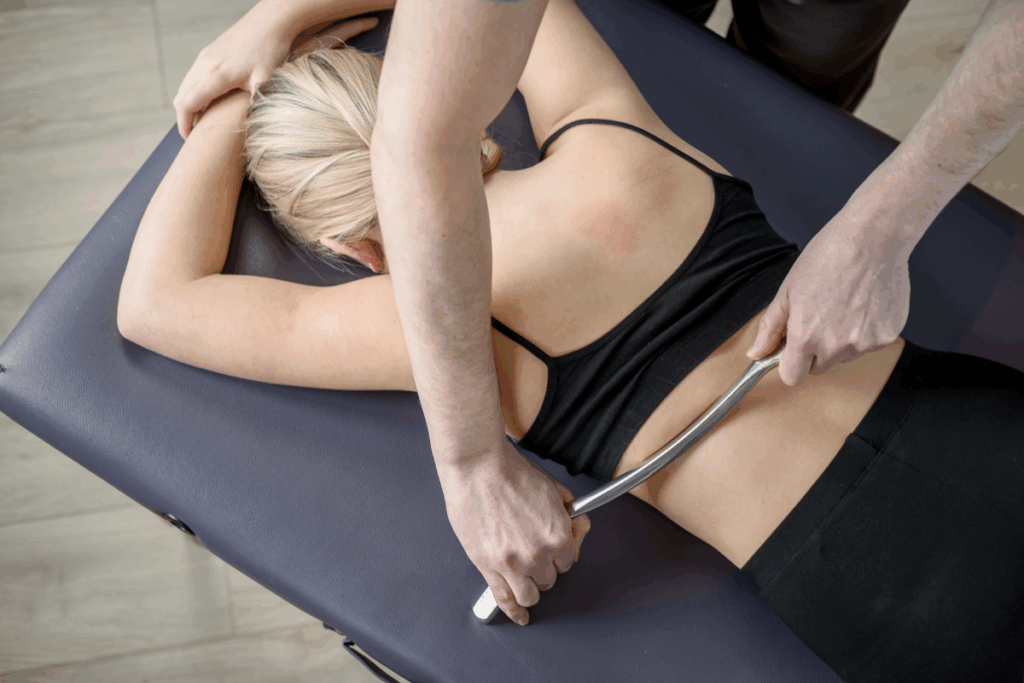
Myofascial massage offers more than just temporary relief—it helps address the underlying tension in your body’s connective tissue. By targeting restricted fascia, this therapy can:
- Reduce chronic pain: Eases discomfort linked to trigger points, muscle tension, and myofascial pain syndrome.
- Improve mobility and flexibility: Restores range of motion in stiff or restricted joints.
- Enhance circulation: Supports better blood and oxygen flow, aiding tissue recovery.
- Release muscle tension: Helps loosen knots and relieve pressure from tight fascia.
- Promote relaxation and stress relief: The slow, gentle pressure calms the nervous system and supports mental well-being.
- Support injury recovery: Complements physical therapy by reducing stiffness and preparing tissues for movement.
Treatment Details

What Happens During a Session?
The therapist applies gentle, sustained pressure on the skin—without oils—to stretch and release tight tissue. Sessions are slower and more focused than traditional massage, lasting 15 to 50 minutes depending on your needs.
What Happens After Therapy?
Most people also notice an immediate sense of looseness, improved mobility, and reduced discomfort.
For best results, myofascial massage is usually scheduled regularly—every few days or weekly—over several weeks. This consistency helps retrain the tissue, improve circulation, and maintain long-term relief.
Risks and Considerations

- Mild soreness: It’s common to feel slight tenderness in the treated areas for a day or two after a session.
- Underlying conditions: People with fractures, open wounds, severe osteoporosis, deep vein thrombosis, or certain metabolic or clotting disorders should avoid this therapy unless cleared by a healthcare provider.
- Rare complications: Though uncommon, improper technique could lead to bruising, nerve irritation, or increased discomfort.
- Professional guidance: Always work with a licensed therapist who understands safe techniques and can adapt the pressure to your tolerance.
What Does Science Say?

- Chronic Low Back Pain (CLBP)
According to a 2023 systematic review published in the Journal of Clinical Medicine, isolated myofascial release (MFR) resulted in significant reductions in pain, improved physical function, and decreased muscle activity in adults with chronic low back pain—though the review emphasized a limited number of studies and advised caution with generalizing these findings. - Meta-Analysis on Low Back Pain
A 2021 meta-analysis published in the Switzerland-based journal Frontiers in Medicine found that myofascial release (MFR) provided modest improvements in pain intensity and lumbar function for patients with low back pain. However, it showed no significant effects on quality of life, balance, or mental health—highlighting the need for higher-quality clinical trials. - Institutional Support and Research Gaps
The NIH’s HEAL Initiative and NCCIH (National Center for Complementary and Integrative Health) have identified the absence of objective biomarkers and imaging tools for fascia as a major research barrier. A grant program has been launched to develop quantitative measures of myofascial tissue for use in clinical pain studies.
Why More Research Is Needed
Until then, myofascial massage is best viewed as a promising, low-risk option that may be worth trying alongside other treatments recommended by your healthcare provider.
FAQs

1. What is myofascial massage?
It’s a hands-on therapy that uses gentle, sustained pressure to release tension in the fascia—the connective tissue surrounding your muscles.
2. How is it different from a regular massage?
Regular massage works mainly on muscles, while myofascial massage targets fascial restrictions that may cause pain or limit movement.
3. What conditions can myofascial massage help with?
It may ease chronic pain, back or neck tension, fibromyalgia, headaches, scarring, or limited joint mobility.
4. Is myofascial massage painful?
It shouldn’t be. You may feel pressure or mild discomfort, but the technique is gentle and should not cause sharp pain.
5. How long does a session last?
Sessions usually run 30–60 minutes, depending on your needs and treatment plan.
6. How many sessions will I need?
Relief may come after a few treatments, but chronic issues often require ongoing sessions for the best results.
7. Are there any side effects?
Some people feel mild soreness afterward, but this typically fades within a day or two.
8. Who should avoid myofascial massage?
Those with fractures, open wounds, blood clots, or certain health conditions should consult a doctor before trying it.
9. Can I do myofascial release at home?
Yes, foam rollers and massage balls can be used for self-care, but professional treatment is more targeted and precise.
10. How do I know if myofascial massage is right for me?
If you have persistent muscle tightness, pain that doesn’t improve with stretching, or limited mobility, you may benefit. A therapist or healthcare provider can help you decide.
Release Tension, Restore Ease
Myofascial massage works deeper than relaxation—it helps free tight fascia, ease pain, and bring back natural movement. Safe, gentle, and effective, it’s a powerful way to support your body’s well-being.
Why push through pain when comfort is one session away? Every day you wait is another day tension holds you back.
Here, your journey from discomfort to ease starts now—just one click is all it takes