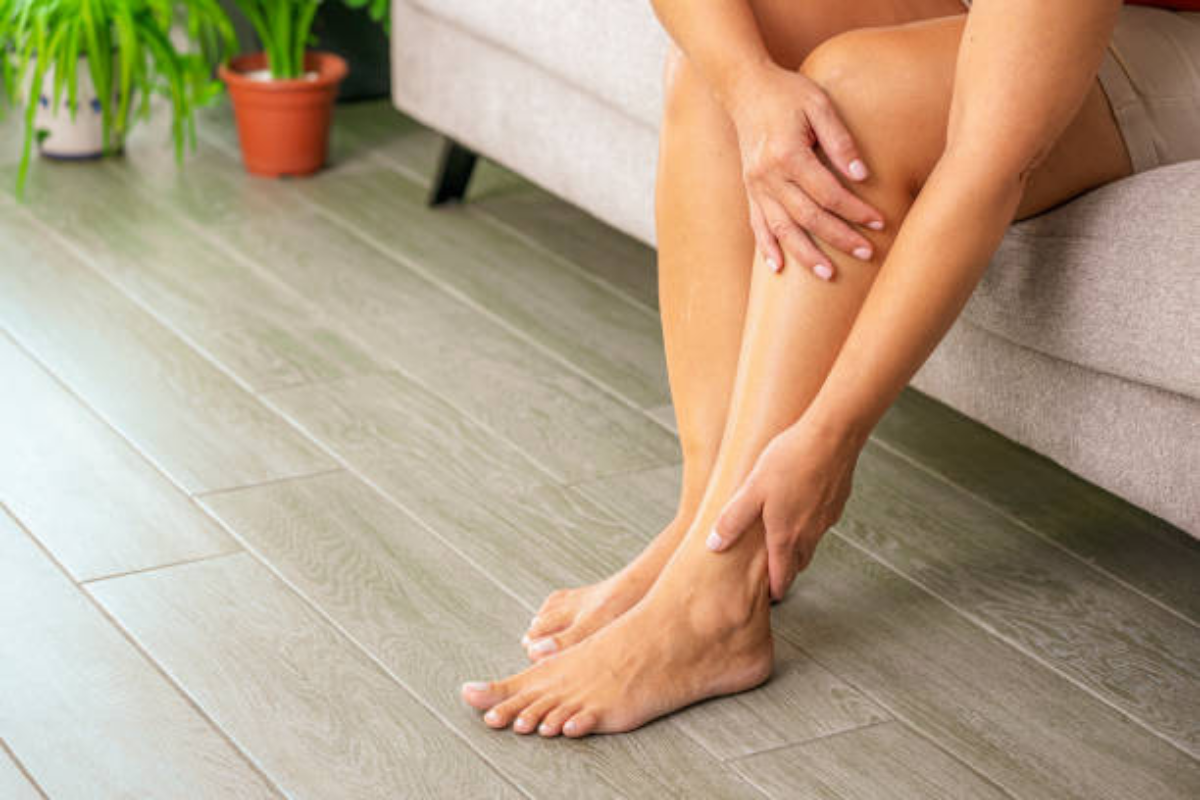
Do your joints feel stiff, sore, or achy—even on days when you haven’t done much?
Living with arthritis often means waking up already uncomfortable. Your hands feel tight. Your knees ache when you stand. Your hips or shoulders resist simple movements. Even tasks like opening jars, walking up stairs, or getting dressed can feel harder than they should.
Many people are told arthritis is something you simply “manage.” You take medication, maybe do physical therapy, stay active when you can—and still, the stiffness and soreness linger. Some days are better than others, but the discomfort rarely disappears completely.
What’s often overlooked is that arthritis doesn’t affect only joints. It also impacts the muscles, connective tissue, nerves, and circulation around those joints. Over time, pain leads to guarding. Guarding leads to tight muscles. Tight muscles reduce movement and blood flow—making stiffness and pain worse.
Medical massage helps break this cycle. By working with the surrounding tissues and calming the nervous system, it supports the body’s ability to move with less pain and strain.
What Arthritis Really Means for the Body
Arthritis is commonly described as joint inflammation, but its effects extend far beyond the joint surface. Whether you’re dealing with osteoarthritis, rheumatoid arthritis, or another inflammatory condition, several patterns tend to show up:
- Muscles around affected joints tighten to protect against pain
- Circulation slows in areas that move less
- Connective tissue becomes stiff and less flexible
- Swelling increases pressure and discomfort
- Pain signals keep the nervous system on high alert
Over time, these changes limit mobility and increase fatigue. You may feel stiff after sitting too long, sore after mild activity, or drained even on low-demand days.
Medical massage addresses these secondary effects—helping the tissues that support the joints function more smoothly.
How Medical Massage Helps Arthritis Symptoms
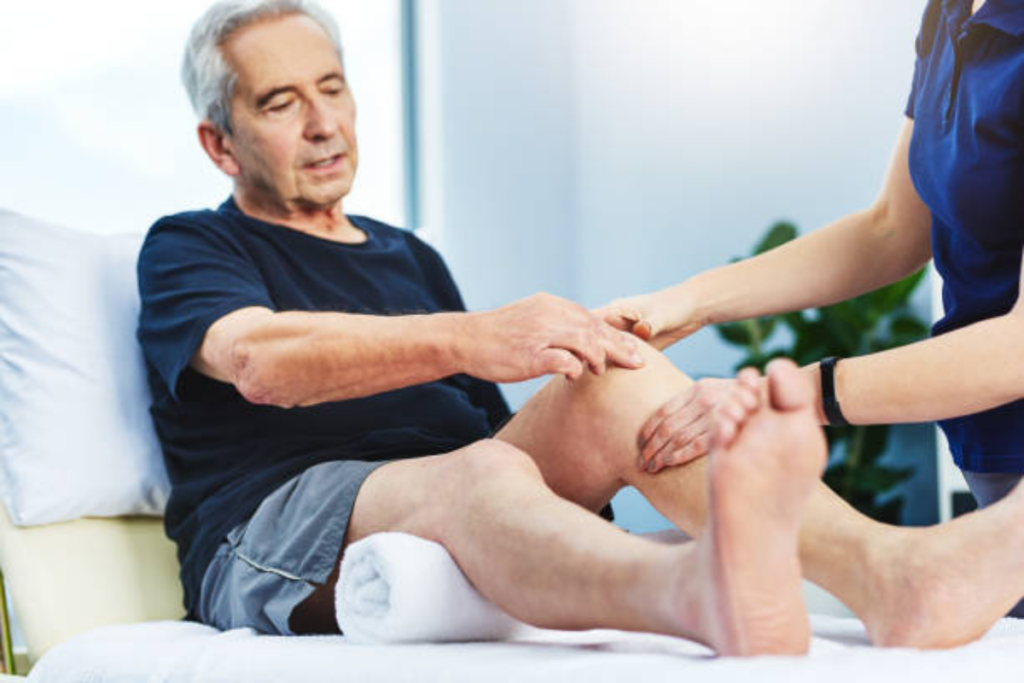
Medical massage focuses on muscles, fascia, circulation, and the nervous system. While it does not reverse joint damage, it helps reduce the physical stress that makes arthritis feel worse.
Here’s how it supports the body:
- Reduces muscle guarding around painful joints, allowing easier movement
- Improves circulation, bringing oxygen and nutrients to sore tissues
- Decreases stiffness, especially after rest or inactivity
- Helps manage swelling by supporting lymphatic flow
- Calms pain signaling by relaxing the nervous system
- Improves flexibility, making daily tasks feel more manageable
Many people report that joints feel less “locked,” mornings feel easier, and movement feels smoother after consistent sessions.
Types of Arthritis That Benefit From Medical Massage
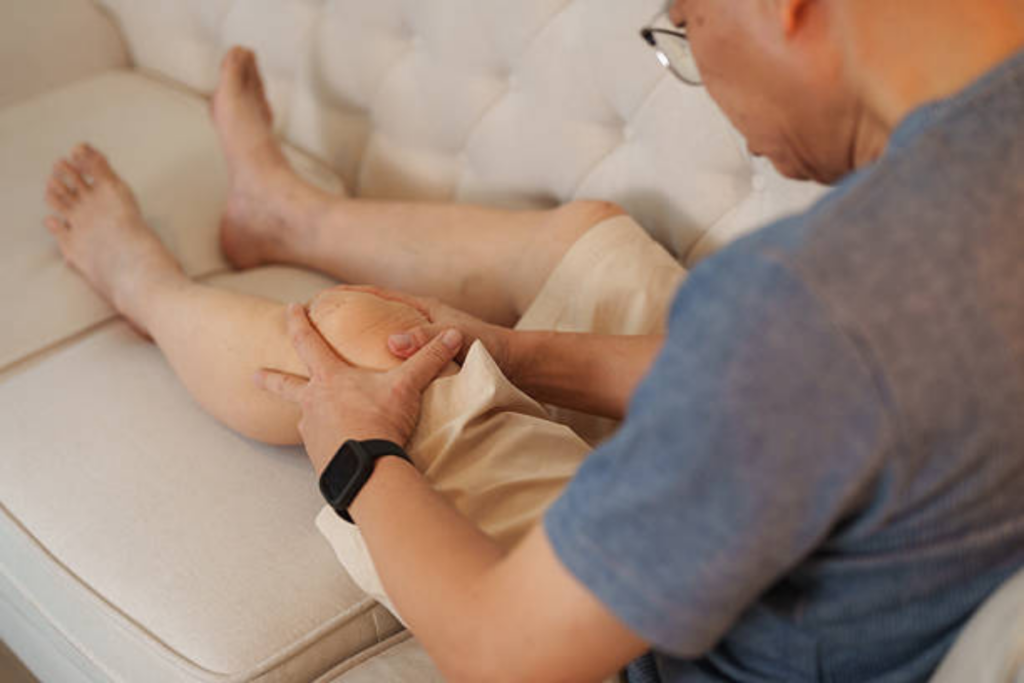
Medical massage can support many forms of arthritis when applied correctly and safely.
| Type of Arthritis | Common Challenges | How Medical Massage Helps |
|---|---|---|
| Osteoarthritis | Joint stiffness pain with movement limited mobility | Relaxes surrounding muscles improves circulation reduces stiffness |
| Rheumatoid Arthritis | Joint pain swelling fatigue | Supports circulation reduces muscle tension calms stress response |
| Psoriatic Arthritis | Joint pain inflammation soft tissue discomfort | Eases muscle tightness supports mobility |
| Arthritis in Hands | Weak grip finger stiffness aching | Improves hand mobility and reduces muscle strain |
| Knee & Hip Arthritis | Pain with walking standing or stairs | Supports surrounding muscles and joint mechanics |
| Spinal Arthritis | Back stiffness reduced range of motion | Improves soft tissue flexibility and posture support |
What a Medical Massage Session for Arthritis Looks Like
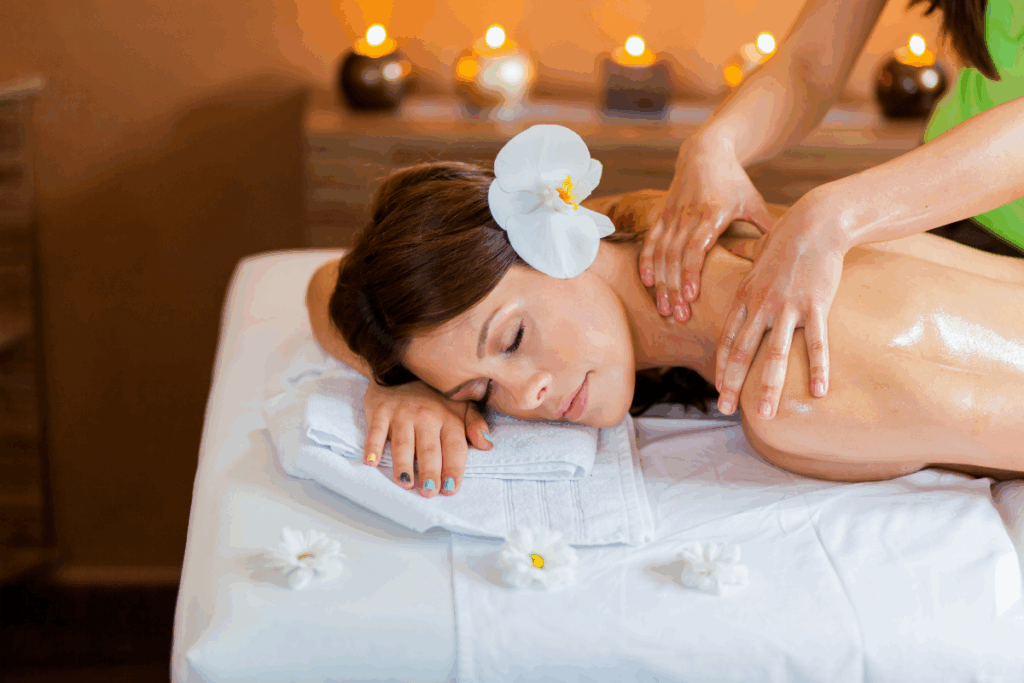
Medical massage for arthritis is careful, targeted, and responsive to your symptoms. It is not aggressive and never forces joints beyond comfort.
Step 1: Symptom Review
✔Which joints are affected
✔Pain levels and flare patterns
✔Medications and medical history
✔Activities that worsen or relieve symptoms.
●This helps determine pressure, pacing, and focus areas.
Step 2: Identifying Supportive Areas
✔Muscles surrounding arthritic joints
✔Areas of compensation or overuse
✔Adjacent joints and connective tissue
✔Regions with reduced circulation
●For example, knee arthritis often involves work on the thighs, calves, hips, and lower back—not just the knee itself.
Step 3: Controlled, Therapeutic Techniques
✔Slow, rhythmic strokes to improve circulation
✔Gentle myofascial work to reduce stiffness
✔Light to moderate pressure to ease muscle guarding
✔Lymphatic-focused techniques if swelling is present
●Painful joints are never forced or aggressively manipulated.
Step 4: Nervous System Support
Step 5: Ongoing Care Plan
✔Session frequency based on symptom severity
✔Gentle movement or stretching guidance
✔Posture or activity adjustments
●Most people notice changes within a few sessions, with continued improvement over time.
Why Medical Massage Works Better Than “Pushing Through Pain”
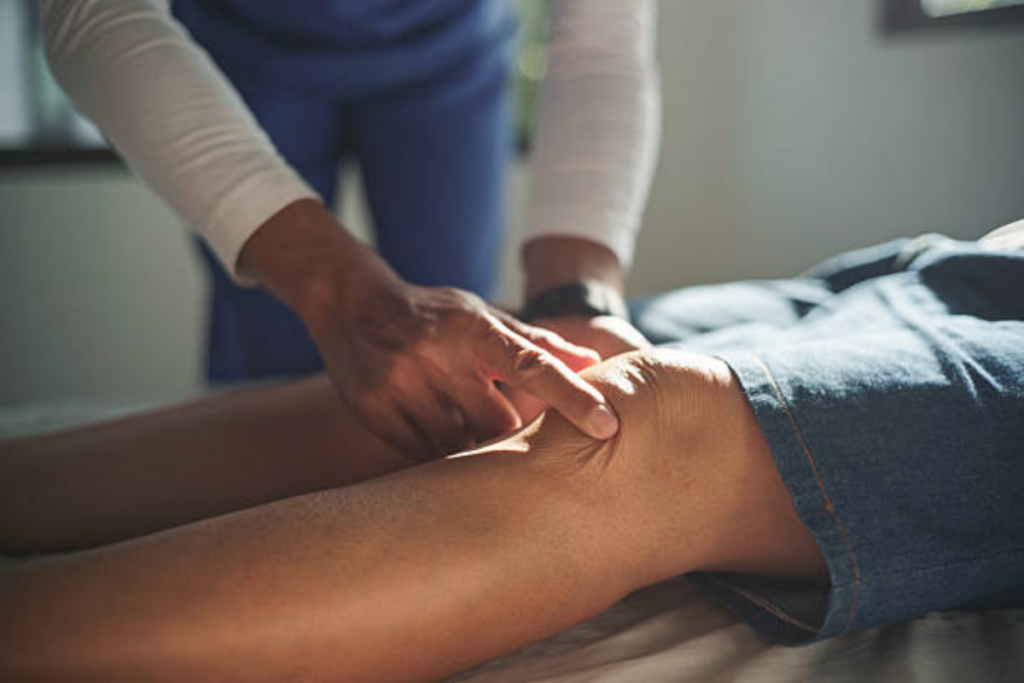
Many people with arthritis are told to “stay active,” which is important—but activity without proper tissue support can worsen pain.
Quick solutions like pain relievers or topical creams may dull discomfort temporarily, but they don’t address muscle tension, circulation, or stress patterns.
| Concern | Quick Relief Options | Medical Massage |
|---|---|---|
| Joint stiffness | Temporary relief | Improves tissue flexibility |
| Muscle tightness | Often ignored | Releases guarding and strain |
| Swelling | Masked by medication | Supports lymphatic movement |
| Pain sensitivity | Suppressed | Calms nervous system response |
| Long-term comfort | Limited | Supports sustainable movement |
The Stress–Pain Connection in Arthritis
Chronic pain and stress feed into each other. When pain is present:
- Muscles tighten
- Movement decreases
- Stress hormones rise
- Pain sensitivity increases
This loop can make arthritis feel worse even when joint damage hasn’t changed.
Medical massage helps interrupt this cycle by calming the nervous system. When the body shifts out of constant stress mode, muscles relax and pain becomes easier to manage.
| Stress Level | Effect on Arthritis | Massage Support |
|---|---|---|
| High stress | Increased pain and stiffness | Reduces muscle tension |
| Poor sleep | Worse morning stiffness | Promotes relaxation |
| Fatigue | Lower pain tolerance | Supports recovery |
When Massage Should Be Modified or Avoided

Massage should be adjusted or delayed if:
- Joints are actively inflamed or very swollen
- There is a sudden increase in pain or redness
- Fever or infection is present
- Your doctor advises against massage
A trained therapist will always adapt techniques and may request medical guidance during flares.
When Massage Should Be Modified or Avoided
Massage should be modified or delayed if:
- You are in a severe flare with extreme sensitivity
- Touch feels painful even at very light pressure
- You have fever, infection, or unexplained new symptoms
- Your healthcare provider advises against bodywork
A trained therapist will always adjust techniques and may recommend postponing sessions during intense symptom spikes.
FAQs
1. Can massage help arthritis pain?
Yes. Medical massage helps reduce muscle tension, improve circulation, and calm pain signals, which can make arthritis symptoms more manageable.
2. Is massage safe for rheumatoid arthritis?
Yes, when performed gently and adapted to flare status. Pressure is always adjusted.
3. How often should someone with arthritis get massage?
This varies. Some benefit from weekly sessions initially, then spacing out as symptoms improve.
4. Does massage damage joints?
No. Medical massage avoids forceful joint manipulation and focuses on supportive tissues.
5. How often should someone with arthritis get medical massage?
Frequency depends on symptom severity. Some benefit from weekly sessions initially, then less often as pain and stiffness improve.
6. Can massage replace arthritis medication or physical therapy?
No. Massage supports arthritis care but does not replace medical treatment, medication, or physical therapy.
Supporting Easier Movement, Not Forcing It
Arthritis doesn’t mean you have to live in constant stiffness or discomfort. While medical massage doesn’t cure arthritis, it can help your body move with less resistance, less pain, and less daily strain.
When muscles relax, circulation improves, and stress decreases, joints are better supported. Over time, this can make daily movement feel more possible—and less exhausting.
If you’re looking for a supportive, body-based approach to arthritis care, medical massage may be a valuable part of your plan. Talk with your healthcare provider and consider working with a licensed therapist trained in arthritis-focused massage.