
You expected the pain to settle by now—after rest, stretching, or medication. But the discomfort keeps returning. A sharp or burning sensation travels from your lower back into your hip or down your leg. Sitting feels uncomfortable. Standing for long periods feels just as difficult.
Sciatica and nerve-related pain can make daily movement feel unpredictable. Some days the pain feels dull and tight. Other days it feels intense, shooting, or electric. Sleep may become disrupted. Simple activities like walking, bending, or driving may feel more challenging than before.
Nerve pain isn’t always caused by the nerve alone. Tight muscles in the lower back, hips, and gluteal region can create pressure on nearby nerves, increasing discomfort.
Trigger point injections cannot replace treatment for underlying spinal conditions, but they may help relax overactive muscles and reduce nerve irritation.
So what do trigger point injections for sciatica and nerve-related pain actually involve?
What Are Trigger Point Injections?

Trigger point injections are a medical treatment used to relieve tight muscle bands or knots, known as trigger points, that contribute to pain and restricted movement.
- These injections typically contain:
- A local anesthetic
- Saline solution
- Sometimes a small amount of corticosteroid (when clinically appropriate)
- The goal is to reduce muscle spasm, improve circulation, and help restore normal movement patterns.
- In sciatica and nerve-related pain, trigger points often develop in areas such as:
- The gluteal muscles
- Piriformis muscle
- Lower back muscles
- Hip stabilizers
- Hamstrings
- Treating these points may help reduce referred pain patterns that mimic or worsen nerve symptoms.
What Happens in the Body With Sciatica and Nerve-Related Pain
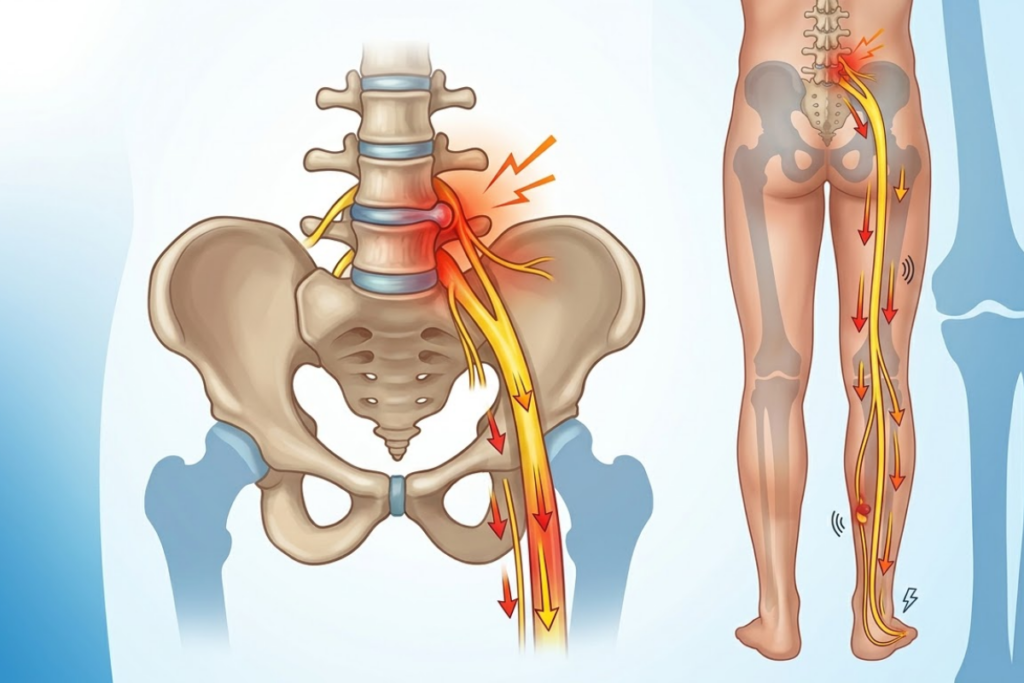
Sciatica occurs when the sciatic nerve or its branches become irritated or compressed.
- This can happen due to:
- Herniated or bulging discs
- Spinal stenosis
- Reduced physical activity
- Muscle tension in the lower back or hips
- Postural strain or prolonged sitting
- Common symptoms include:
- Shooting pain down the leg
- Burning or tingling sensations
- Numbness or weakness
- Tightness in the lower back or hip
- Pain that worsens with sitting or bending
- But nerve pain often involves surrounding tissues as well.
- When muscles become tight or inflamed, they may:
- Compress nearby nerves
- Reduce circulation
- Limit movement patterns
- Increase pain sensitivity
- Over time, the body may compensate by changing posture or movement, which can further strain muscles and worsen discomfort.
Understanding this broader picture is important, because trigger point injections focus on relaxing the muscles contributing to nerve pressure.
How Trigger Point Injections May Help Sciatica and Nerve Pain
Trigger point injections work by reducing muscle tension and improving the local environment around irritated nerves.
Here are several ways they may help.
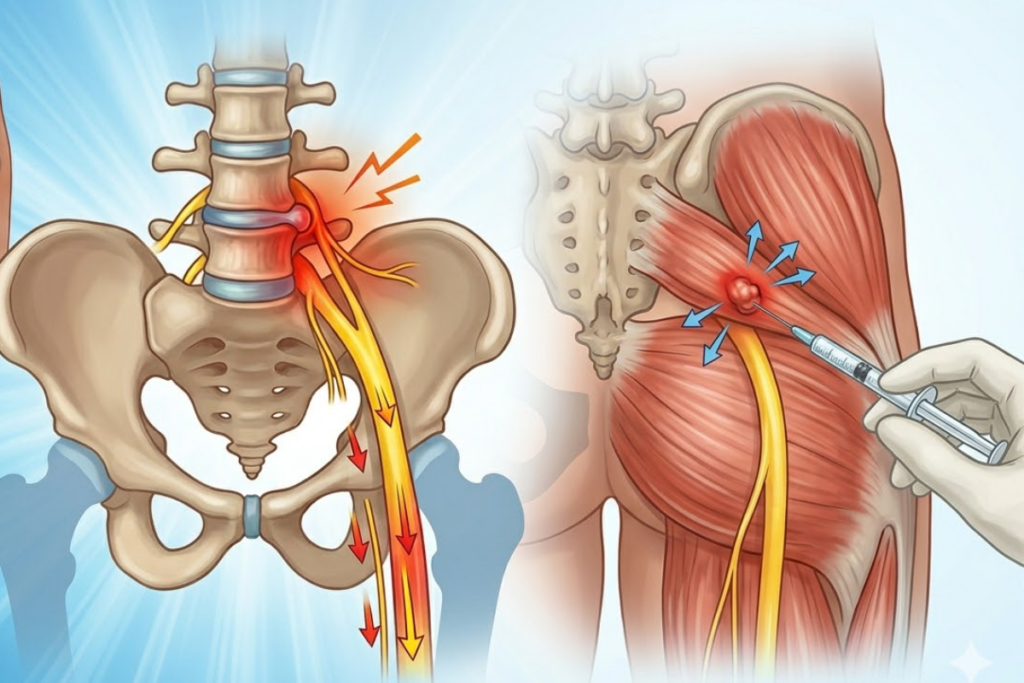
1. Relaxes Muscle Spasms
Tight muscle bands can place pressure on nerves and surrounding tissues.
Trigger point injections may help:
- Reduce involuntary muscle contraction
- Decrease localized tenderness
- Improve muscle relaxation
As muscle tension decreases, nerve irritation may also reduce.
2. Reduces Referred Pain Patterns
Trigger points can cause pain that radiates into nearby areas, sometimes mimicking nerve pain.
Treatment may help:
- Decrease shooting or radiating discomfort
- Reduce pain intensity during movement
- Improve daily comfort
3. Improves Circulation
Tight muscles often have reduced blood flow.
Trigger point injections may help:
- Increase oxygen delivery to tissues
- Support metabolic recovery
- Reduce localized inflammation
Better circulation may support nerve health.
4. Restores Movement Patterns
Pain often leads to guarded or altered movement.
By reducing muscle tightness, injections may help:
- Improve walking comfort
- Reduce stiffness during sitting or standing
- Support physical therapy exercises
5. Supports Nerve Decompression
When muscles relax, pressure on nearby nerves may decrease.
This may help:
- Reduce tingling or numbness
- Improve nerve signaling
- Increase tolerance for daily activity
6. Enhances Response to Rehabilitation
Trigger point injections are often used alongside:
- Physical therapy
- Stretching programs
- Postural correction
- Strengthening exercises
Reducing pain can make it easier to participate in these treatments.
Sciatica Patterns and Potential Benefits of Trigger Point Injections

| Condition | Potential Benefits |
|---|---|
| Piriformis Syndrome | Reduced nerve compression and improved hip mobility |
| Muscular Low Back Pain | Relaxed muscle tension and better movement comfort |
| Referred Leg Pain | Reduced radiating discomfort |
| Postural Sciatica | Improved tolerance to sitting and standing |
| Nerve Irritation From Muscle Tightness | Reduced tingling and improved circulation |
| Activity-Related Sciatic Pain | Faster muscle recovery |
What to Expect During a Trigger Point Injection Session

1. Medical Evaluation
Your provider will review:
- Pain history and location
- Imaging reports (if available)
- Movement limitations
- Previous treatments
2. Identification of Trigger Points
The clinician will locate tight muscle bands that reproduce familiar pain patterns.
3. Injection Procedure
A small needle is used to deliver medication directly into the trigger point.
Patients may feel:
- Brief pressure or twitch response
- Temporary soreness
- Gradual muscle relaxation
4. After the Injection
Common early effects may include:
- Reduced muscle tightness
- Easier movement
- Decreased pain intensity
Some patients benefit from multiple sessions depending on symptom severity.
Who May Benefit From Trigger Point Injections for Sciatica
This treatment may be helpful if you:
- Experience muscle-related sciatic pain
- Have persistent tightness in the hips or lower back
- Find physical therapy difficult due to pain
- Want targeted pain-management support
- Have nerve symptoms worsened by muscle tension
Trigger point injections work best when combined with:
- Exercise therapy
- Stretching
- Posture correction
- Medical supervision
When to Avoid Trigger Point Injections
- Active infection
- Bleeding disorders
- Severe nerve weakness
- Uncontrolled medical conditions
- Allergy to injection medications
FAQs

Can trigger point injections cure sciatica?
No. They help relieve muscle-related contributors to nerve pain but do not correct structural spinal conditions.
Are trigger point injections painful?
Most patients feel brief discomfort during the injection, followed by gradual relief.
How long does relief last?
Relief may last days to weeks depending on the cause of pain and follow-up care.
Can they replace surgery or spinal injections?
No. They are a supportive treatment used as part of a broader plan.
How many sessions are needed?
Some patients benefit from 1–3 sessions, while others require ongoing care.
Can trigger point injections help numbness?
They may reduce nerve pressure caused by muscle tightness, which can improve sensation in some cases.
Is rest needed after treatment?
Light activity is usually recommended, but strenuous exercise may be avoided for a short period.
Are trigger point injections safe?
They are generally safe when performed by trained medical professionals.
Supporting Relief From Nerve-Related Pain
Sciatica and nerve-related pain can affect mobility, sleep, and daily comfort. Even when underlying causes are being managed, muscle tension can continue to aggravate symptoms.
Trigger point injections offer a targeted approach to relaxing tight muscles, reducing nerve pressure, and supporting movement recovery.
If persistent muscle tension is contributing to your nerve pain, this treatment may help improve comfort and support your rehabilitation plan.