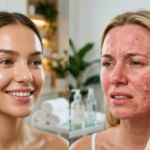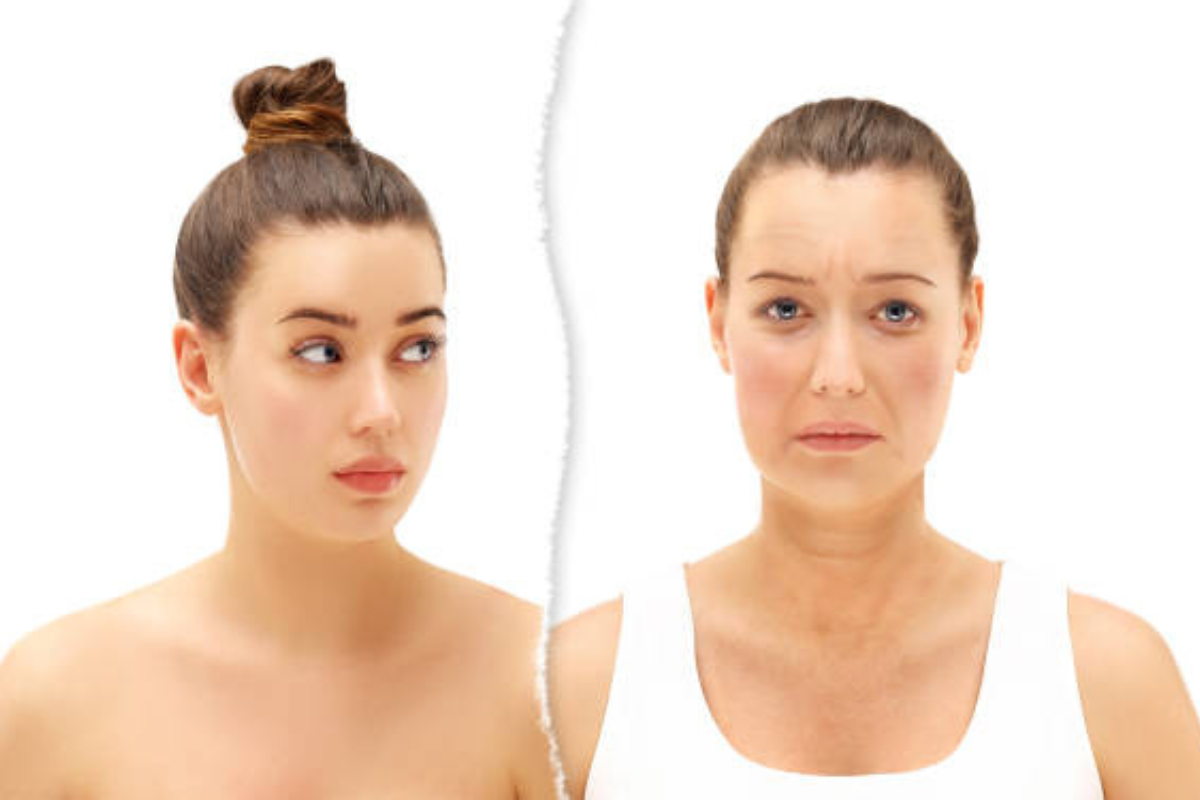
You Got a Facial… So Why Does Your Skin Look Worse?
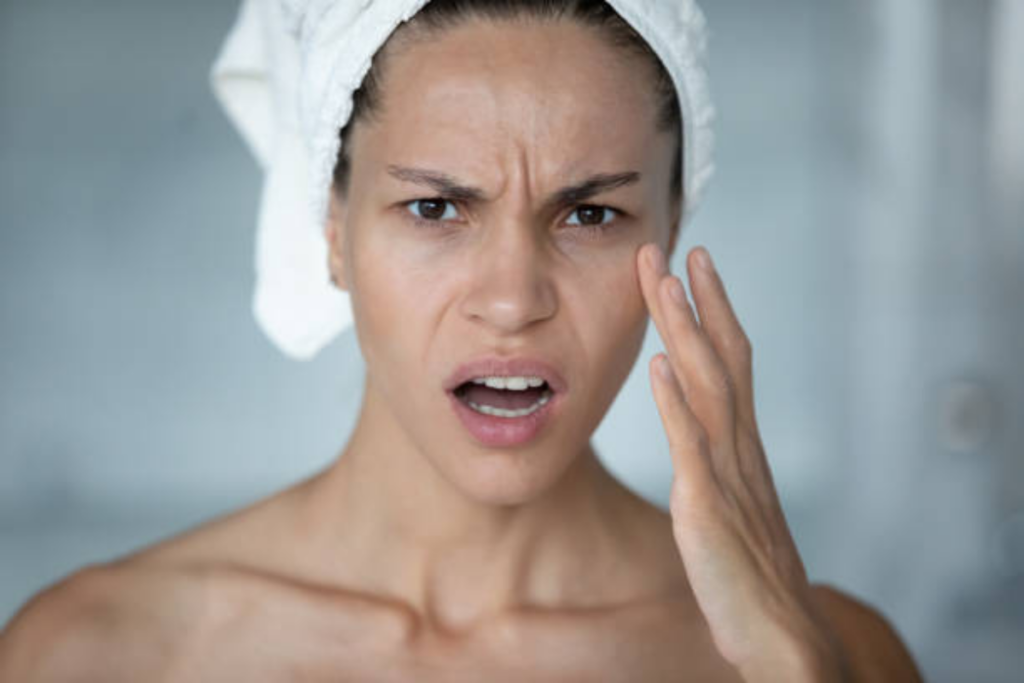
You expected clearer, glowing skin.
Instead, you’re dealing with:
- New breakouts
- Redness that won’t fade
- Sensitivity or irritation
It’s frustrating—and confusing.
Here’s the truth:
Not every post-facial reaction is normal. And not every facial is right for your skin.
At Circle Wellness, one of the most common concerns patients bring up is:
“Why did my skin get worse after a facial?”
The answer depends on understanding the difference between temporary purging and actual skin damage.
The Key Difference: Purging vs Damage
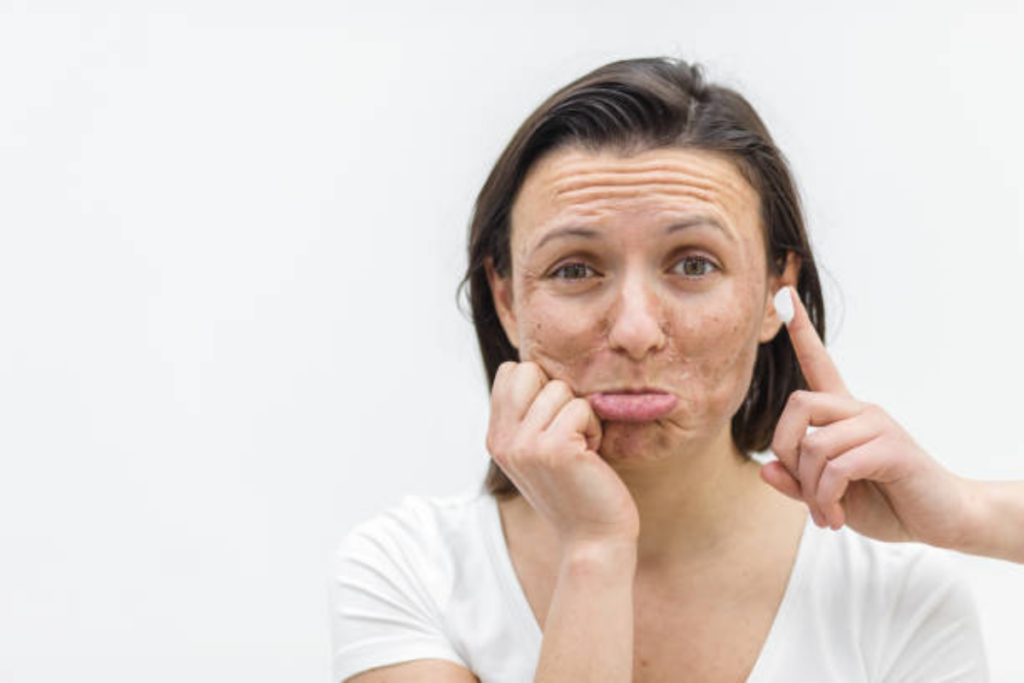
Let’s clarify something important.
Normal Skin Purging
- Small breakouts appear in usual acne-prone areas
- Occurs within a few days
- Clears relatively quickly
Skin Damage or Irritation
- Breakouts worsen or spread
- Redness lasts more than 2–3 days
- Skin feels tight, burning, or overly sensitive
Knowing the difference is critical for protecting your skin.
The #1 Reason Skin Gets Worse After a Facial
The most common cause is:
A mismatch between the facial treatment and your skin’s current condition.
Examples include:
- Aggressive exfoliation on sensitive or inflamed skin
- Over-extraction on acne-prone skin
- Using strong actives on a compromised barrier
When treatments are not customized, they can do more harm than good.
Common Causes of Post-Facial Breakouts & Irritation
1. Over-Exfoliation
Too much exfoliation (chemical or physical) can strip your skin.
Result:
- Barrier damage
- Increased oil production
- More breakouts
2. Improper Extractions
Unskilled or aggressive extractions can:
- Spread bacteria
- Cause inflammation
- Lead to scarring
3. Using the Wrong Products
Some facials use products that don’t suit your skin type.
Result:
- Allergic reactions
- Irritation
- Breakouts
4. Ignoring Skin Sensitivity
Treating inflamed or sensitive skin too aggressively worsens the condition.
5. Lack of Post-Treatment Care
After a facial, your skin is more vulnerable.
Without proper aftercare:
- Irritation increases
- Healing slows
- Breakouts worsen
Why At-Home Skincare Can’t Always Fix the Problem
Once your skin barrier is disrupted, your regular routine may not help—and can even make things worse.
- Active ingredients can irritate damaged skin
- Over-cleansing strips natural oils
- Hydration alone isn’t enough for repair
This is why professional guidance becomes essential after a negative reaction.
How to Avoid a Bad Facial (Clinically Proven Approach)
At a medical wellness clinic like Circle Wellness, facials are designed to protect and improve your skin—not stress it.
Here’s what to look for:
Proper Skin Assessment First
Customized Treatment Plan
Controlled, Gentle Exfoliation
Safe, Minimal Extractions
Anti-Inflammatory Support
Barrier Repair Focus
At Circle Wellness, this approach is part of a clinical protocol designed for long-term results—not short-term reactions.


Book a personalized consultation today
experience the difference of
medically guided skincare.
Facials for Acne: What Should Happen Instead
- When done correctly, facials for acne should:
- Reduce congestion
- Calm inflammation
- Support healing
- Prevent future breakouts
- Not cause:
- Increased irritation
- Severe breakouts
- Skin barrier damage
If your skin consistently reacts negatively, the issue is likely the treatment approach—not your skin.
What to Do If Your Skin Reacts Badly After a Facial

Skin Reacts Badly After a Facial
Pause active skincare
Avoid acids, retinoids, and harsh products temporarily.
Focus on gentle hydration
Use barrier-repairing products recommended by professionals.
Avoid picking or over-treating
This can worsen inflammation and cause scarring.
Seek professional evaluation
A licensed expert can assess the damage and guide recovery.
Why a Medical Wellness Clinic Makes the Difference
Choosing where you get your facial matters.
At Circle Wellness, treatments are:
- Performed by licensed skincare professionals
- Based on clinical safety protocols
- Fully customized to your skin condition
- Integrated with holistic care (stress, lifestyle factors)
This ensures:
- Safer treatments
- Better outcomes
- Long-term skin health
Ready to Get Results—Without the Setbacks?
- Address your skin’s root cause
- Avoid unnecessary irritation
- Deliver consistent, clinically guided results
FAQs
Is it normal for skin to break out after a facial?
Mild purging can occur, but persistent or worsening breakouts are not normal and may indicate irritation or improper treatment.
How long should redness last after a facial?
Mild redness may last a few hours, but anything beyond 48–72 hours could signal skin barrier damage.
Can facials damage your skin?
Yes, if done incorrectly or without proper customization, facials can cause irritation, breakouts, or barrier disruption.
What should I avoid after a facial?
Avoid harsh products, excessive sun exposure, and over-exfoliation while your skin is healing.
How do I know if a facial was too harsh?
Signs include burning, tightness, prolonged redness, and increased sensitivity.
Are medical facials safer than spa facials?
Medical facials are typically safer because they are performed by licensed professionals using clinically guided protocols.
Conclusion
If your skin looks worse after a facial, don’t ignore it.
It’s a signal—not a coincidence.
The right facial should support your skin—not stress it.
And with the right expertise, facials can become one of the most effective tools for achieving clear, healthy, resilient skin.