The changes can feel subtle at first. Maybe your sleep becomes lighter. Maybe you wake up warmer than usual. Your patience feels thinner. Your body feels different — but you can’t quite explain how.
Then the hot flashes begin. Suddenly, waves of heat rise through your chest and face. Night sweats interrupt sleep. Mood shifts feel stronger than before. Energy dips. Focus becomes harder. Your body no longer responds the way it used to.
Menopause is natural — but that doesn’t mean it’s easy. Hormones shift. Sleep changes. Stress tolerance lowers. And even when you know this phase is expected, it can still feel disruptive. Many women explore lifestyle changes, hormone therapy, or supplements. Others look for supportive options that work with the body rather than override it.
That leads to a common question:
Can acupuncture help manage menopause symptoms?
Before understanding how acupuncture may help, it’s important to understand what menopause is doing inside the body.
Understanding Menopause and Hormonal Shifts
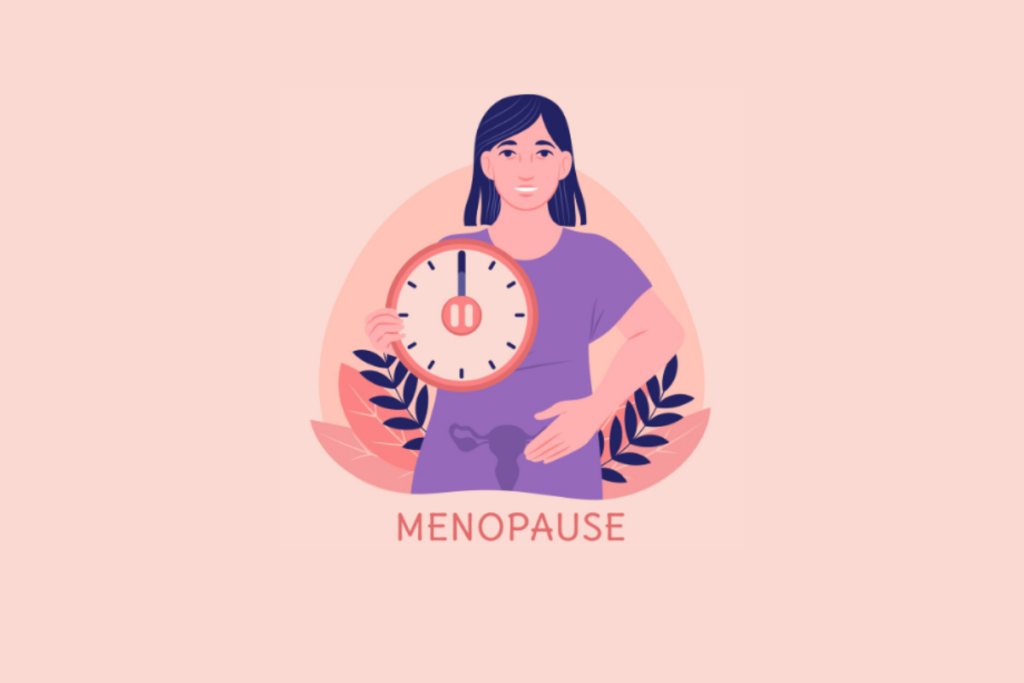
Menopause marks the natural decline of ovarian hormone production — primarily estrogen and progesterone.
- These hormones influence far more than reproductive function. They affect:
- Body temperature regulation
- Mood stability
- Sleep cycles
- Metabolism
- Joint comfort
- Brain chemistry
- Cardiovascular function
- As estrogen levels fluctuate and gradually decline, the body adapts — sometimes smoothly, sometimes not.
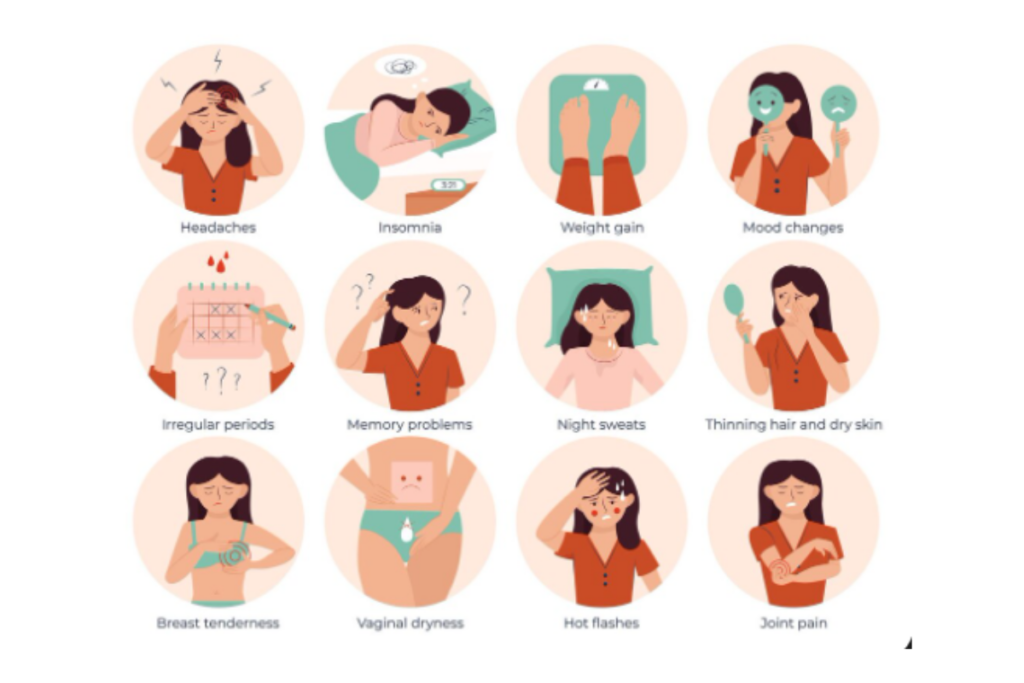
- Common menopause symptoms include:
- Hot flashes
- Night sweats
- Insomnia
- Mood swings
- Irritability
- Anxiety
- Brain fog
- Vaginal dryness
- Joint stiffness
- Fatigue
- But what many women don’t realize is: Many menopause symptoms are strongly connected to nervous system regulation.
Hormonal shifts affect the hypothalamus — the brain’s temperature and hormone control center. This can make the body more reactive to stress and more sensitive to internal temperature changes.
- The result?
- Sudden heat surges
- Sleep disruption
- Increased stress response
- Emotional variability
- Over time, disrupted sleep increases fatigue. Fatigue increases stress sensitivity. Stress worsens hot flashes.
- Understanding this bigger picture matters — because acupuncture does not “replace hormones.” Instead, it works on the systems that regulate temperature, stress response, and neuroendocrine balance.
How Acupuncture Helps Menopause Symptoms

Acupuncture for menopause works by supporting nervous system balance, regulating stress hormones, stabilizing temperature control pathways, and encouraging hormonal equilibrium.
Here’s how it may help:
1. Supports Thermoregulation (Hot Flashes & Night Sweats)
- Reduce frequency of hot flashes
- Decrease intensity of heat episodes
- Improve nighttime temperature stability
2. Regulates the Stress Response
- Reduces cortisol levels
- Supports parasympathetic activation
- Improves heart rate variability
3. Improves Sleep Quality
- Reduce nighttime awakenings
- Improve sleep depth
- Shorten time to fall asleep
4. Supports Mood Stability
- Support neurotransmitter balance
- Reduce anxiety
- Improve emotional regulation
- Decrease irritability
5. Reduces Joint and Muscle Discomfort
- Improve circulation
- Reduce inflammation
- Relax muscle tension
6. Encourages Hormonal Balance
- Sleep quality
- Emotional regulation
- Reduced muscle tension
- Improved breathing patterns
Menopause Symptoms and Potential Benefits of Acupuncture
| Symptom | Potential Benefits of Acupuncture |
|---|---|
| Hot Flashes | Reduced frequency and intensity |
| Night Sweats | Improved nighttime stability |
| Insomnia | Better sleep depth and duration |
| Mood Swings | Increased emotional balance |
| Anxiety | Nervous system calming |
| Brain Fog | Improved mental clarity |
| Joint Stiffness | Improved circulation and flexibility |
| Fatigue | Better energy through sleep and regulation |
What to Expect During a Menopause Acupuncture Session

1. Comprehensive Intake
We review:
- Symptom pattern
- Sleep quality
- Stress levels
- Menstrual history
- Current treatments
2. Nervous System Assessment
We assess:
- Tension patterns
- Heart rate response
- Emotional stress indicators
- Temperature sensitivity
3. Personalized Treatment Plan
Treatment may include:
- Hormone-regulating acupuncture points
- Stress-modulating protocols
- Sleep-supportive techniques
- Gentle heat therapy when appropriate
4. During Treatment
Patients often feel:
- Deep relaxation
- Warmth spreading gradually
- Reduced tension
- Mental quieting
5. After Treatment
Common early changes:
- Fewer hot flashes
- Improved sleep
- Calmer mood
- Reduced anxiety
Many women benefit from 6–8 sessions initially, followed by maintenance care based on symptom pattern.
Who Is a Good Candidate for Acupuncture During Menopause?

You may benefit if you:
- Experience moderate to severe hot flashes
- Struggle with sleep disturbances
- Prefer non-hormonal support
- Are using hormone therapy and want additional support
- Want an integrative approach to symptom management
Acupuncture works well alongside:
- Hormone replacement therapy (when prescribed)
- Nutritional adjustments
- Stress reduction
- Exercise
- Medical supervision
FAQs

1. Can acupuncture cure menopause?
No. Menopause is a natural life stage. Acupuncture helps manage symptoms but does not stop the transition.
2. How many sessions are needed?
Some women notice improvement within 2–3 sessions. More consistent relief often develops after 6–8 sessions.
3. Is acupuncture safe during perimenopause?
Yes. It can be especially helpful during fluctuating hormone phases.
4. Can acupuncture replace hormone therapy?
It may reduce symptoms for some women, but it does not replace medically prescribed hormone therapy.
5. Does acupuncture help with anxiety during menopause?
Yes. It supports nervous system balance and stress regulation.
6. Can acupuncture help with menopause weight gain?
Indirectly. By improving sleep and stress balance, it may support healthier metabolic regulation.
7. Is acupuncture painful?
Most patients feel minimal sensation — often described as light pressure or warmth.
8. How long do results last?
Relief often builds over time and becomes more stable with consistent sessions.
Supporting Balance Through Transition
Menopause is not an illness — but the symptoms can feel disruptive and exhausting.
Acupuncture offers a structured, research-informed, and integrative approach to calming hot flashes, improving sleep, stabilizing mood, and restoring a sense of balance.
If you’re looking for natural, supportive menopause care, acupuncture may be a meaningful part of your plan.
Book your consultation and take the next step toward steadier, more comfortable days.