More Than Just Relaxation —It’s a Reset
“Your body hears everything your mind says.” — Naomi Judd
You stretch, you rest, you hydrate—but the muscle tension just won’t let up. Whether it’s a sudden spasm that stops you in your tracks or a lingering tightness that dulls your day, the discomfort can feel relentless—and confusing.
Many people turn to medications or massage, only to find short-term relief. But what if there were another option? One rooted in centuries-old healing and backed by growing clinical research?
Acupuncture, a key component of Traditional Chinese Medicine, is gaining renewed attention for its role in treating muscular tension and spasms. In this guide, we’ll explore what the science says, how acupuncture works, and whether it might be the missing piece in your journey toward lasting relief.
What Are Muscle Spasms?
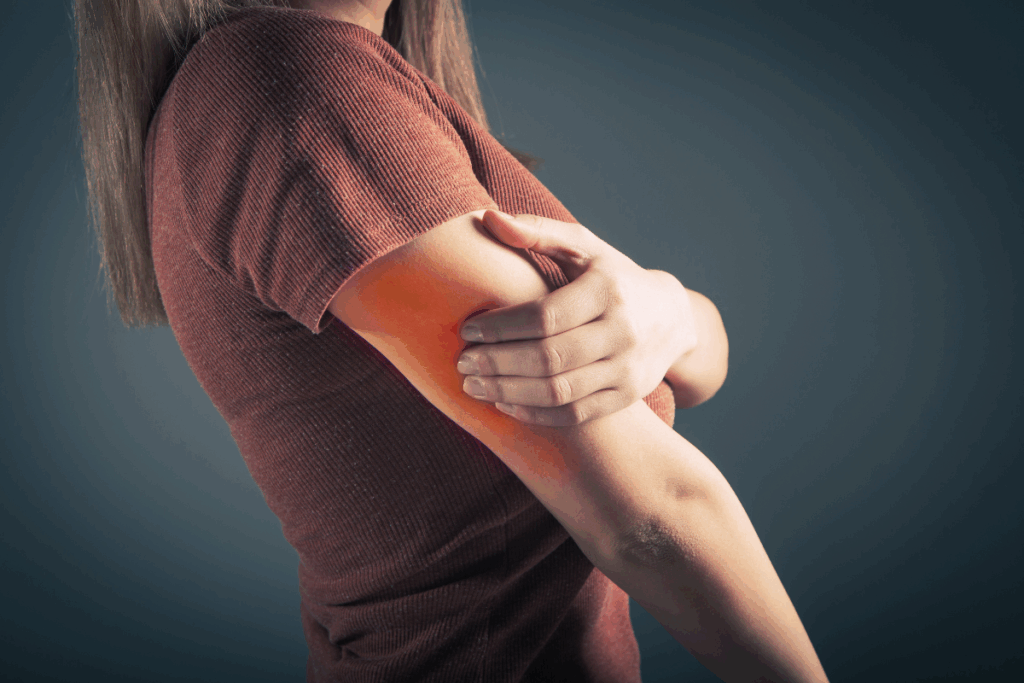
If you’ve ever felt your muscle suddenly tighten and refuse to let go, you’ve experienced a muscle spasm. Often described as a sharp, involuntary contraction, a spasm can strike anywhere—your calves while walking, your back after a long day at the desk, or your neck when you’re stressed.
These spasms can last a few seconds or linger for several minutes. Some fade quickly, while others leave behind soreness that lasts for days.
Common causes include:
- Overuse or fatigue (especially during workouts or repetitive tasks)
- Dehydration or electrolyte imbalance
- Poor posture or prolonged sitting
- Nerve irritation or spinal misalignment
- Emotional stress and anxiety
While they’re usually not dangerous, muscle spasms are your body’s way of signaling something’s off—be it physical strain, lack of nutrients, or built-up tension. Ignoring them can mean facing more frequent or intense episodes over time.
What Is Muscle Tightness?
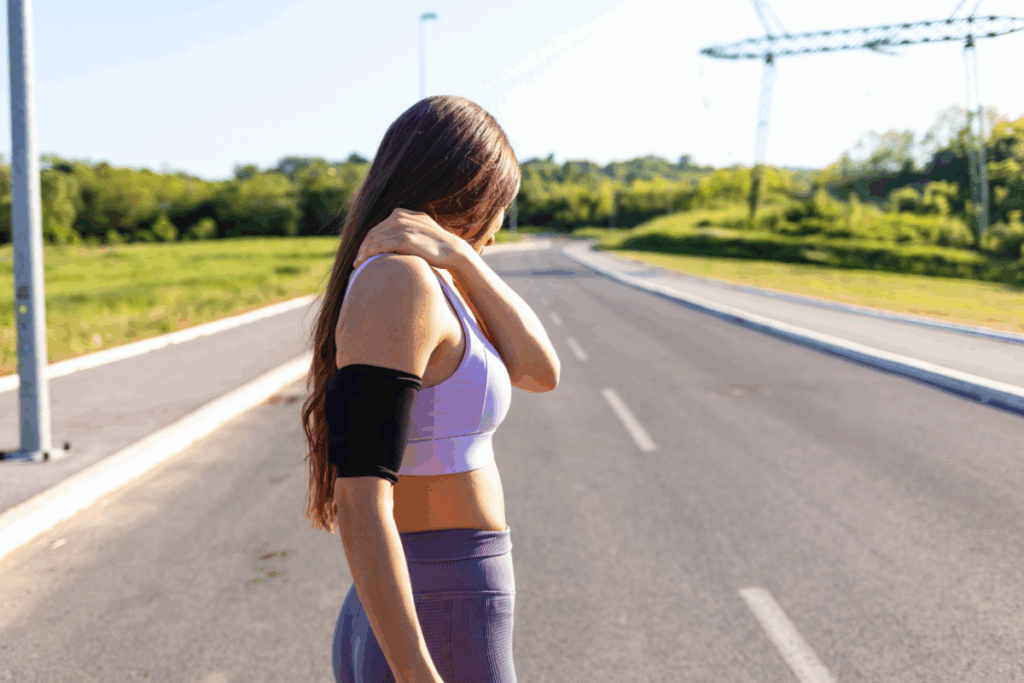
Muscle tightness is that constant feeling of stiffness, tension, or limited flexibility in your body—like your muscles are bracing, even when you’re at rest. It’s not as sudden or intense as a spasm, but it can be just as disruptive, especially when it lingers for days or keeps coming back.
You might notice it as:
- A dull ache or stiffness in your neck, shoulders, or lower back
- A pulling sensation when stretching or moving
- Reduced range of motion or flexibility
- That “knotted” feeling that doesn’t fully release
Why does it happen?
- Poor posture or ergonomics: Long hours at a desk or looking down at your phone
- Lack of movement: Sedentary routines can cause muscles to shorten and stiffen
- Stress: Emotional tension often settles in the body, especially in the neck and shoulders
- Injury recovery: Muscles can stay tight as a protective response to past trauma
Unlike spasms, tightness builds gradually—but left untreated, it can lead to chronic discomfort, imbalances, and even pain patterns that impact how you move and feel each day.
What Is Acupuncture?
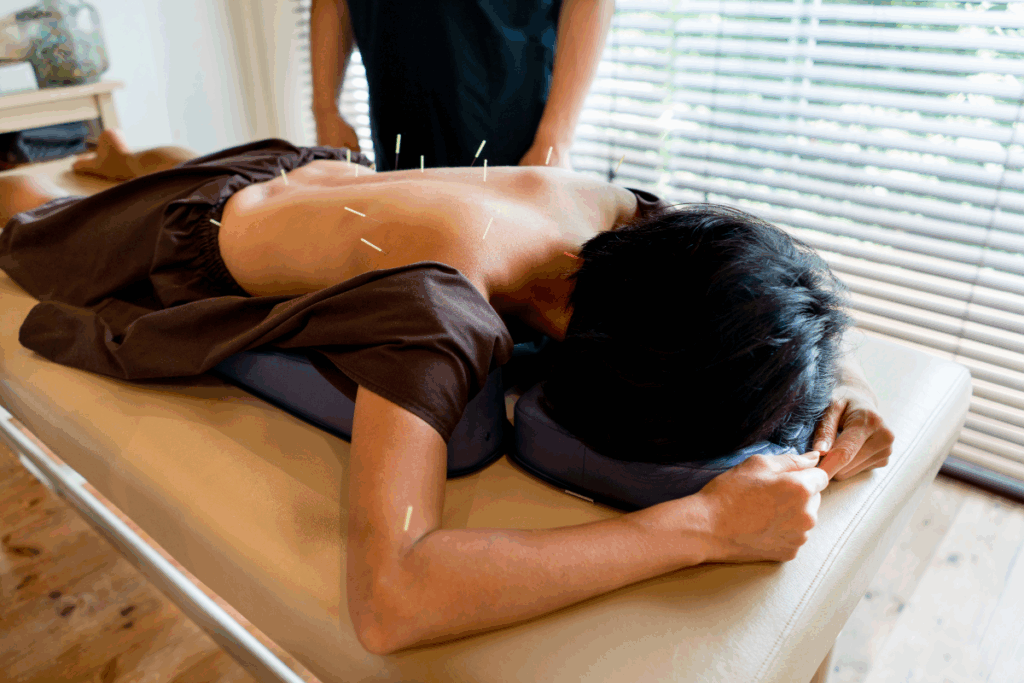
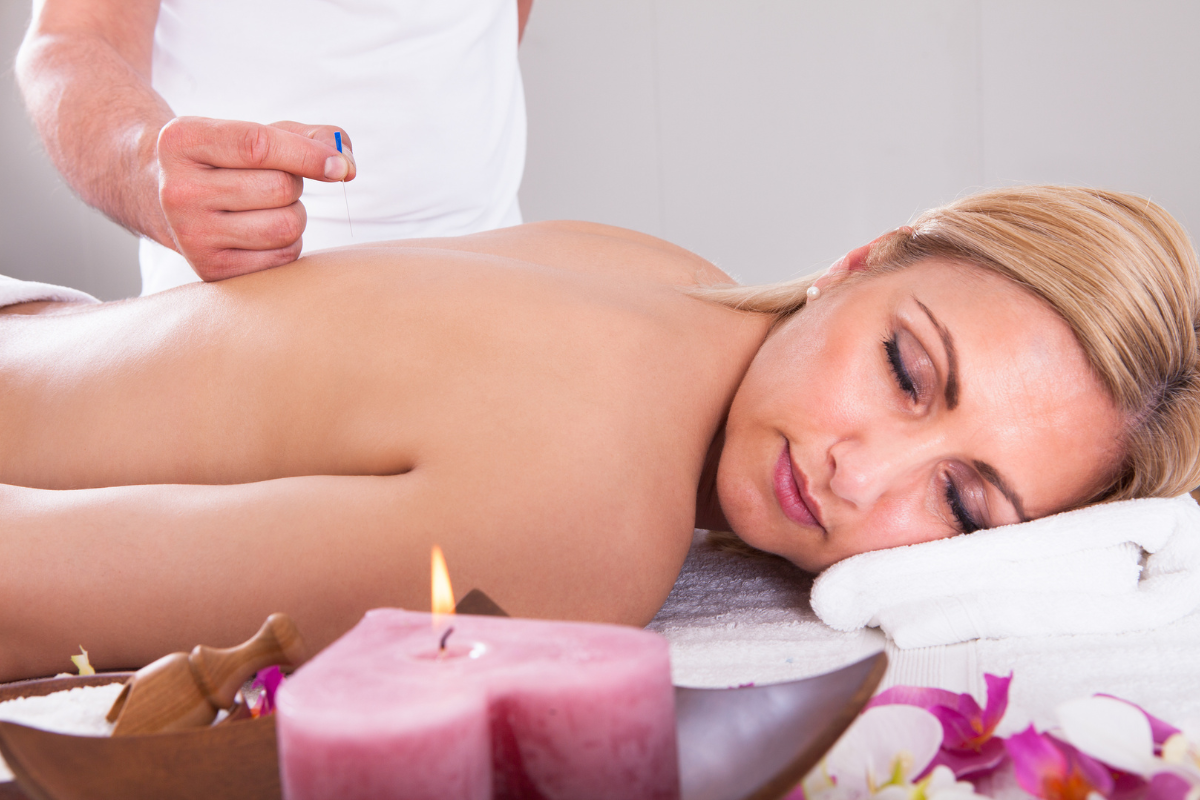
Acupuncture is a time-tested therapy that involves inserting ultra-fine needles into specific points on the body to stimulate healing. Rooted in Traditional Chinese Medicine, it’s based on the idea of restoring balance and encouraging the smooth flow of energy—or “qi.” But even through a modern lens, acupuncture holds up. Studies show it can influence the nervous system, improve circulation, and trigger the release of natural painkillers like endorphins. The process is gentle, precise, and deeply calming—often helping people find relief from pain, tension, and stress without relying on medication.
Can Acupuncture Help with Muscle Spasms and Tightness?
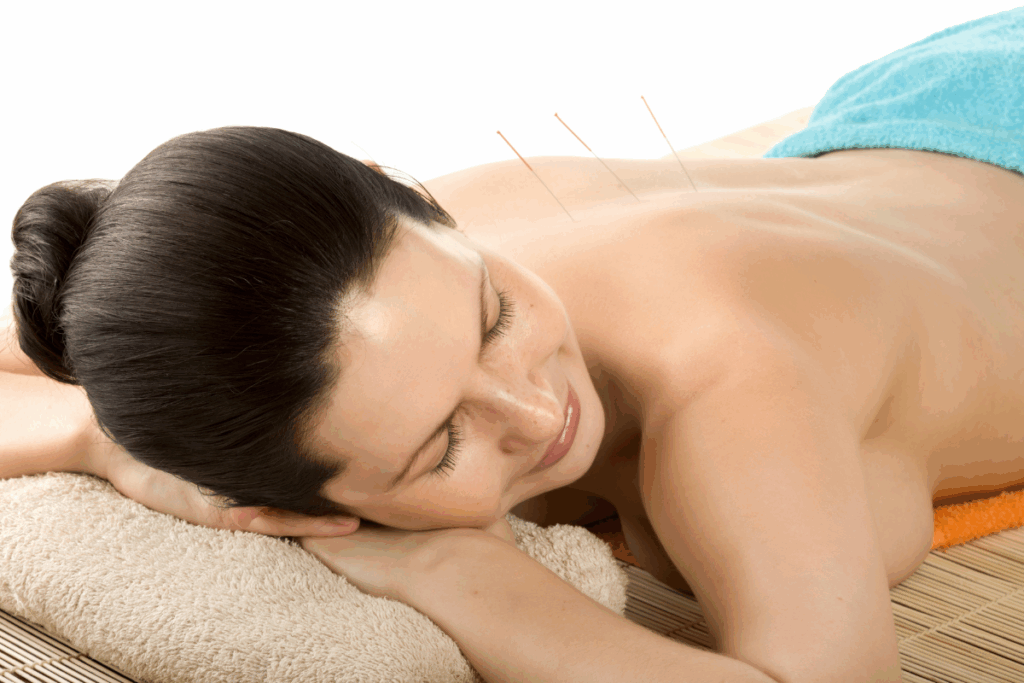
Yes—and for many people, it already has.
Acupuncture works by targeting the areas of muscle dysfunction and restoring balance to the nervous system. When muscles spasm or feel chronically tight, it’s often due to misfiring signals, stress overload, or inflammation. Acupuncture helps calm those signals and improve blood flow to the affected areas, which reduces pain and encourages the muscle to relax.
In practice, many people notice that acupuncture:
- Releases “knots” or tension that haven’t responded to stretching or massage
- Reduces the frequency and severity of spasms
- Improves range of motion and muscle function
- Relieves the lingering soreness that comes after a spasm
Whether the tightness is from poor posture, stress, athletic overuse, or chronic conditions like fibromyalgia, acupuncture offers a non-invasive, drug-free path to relief.
How Acupuncture Works for Muscle Relief
Acupuncture is often misunderstood as a mystical practice, but modern science has helped explain how this ancient therapy creates real physiological changes—especially in muscle tissues. When it comes to managing muscle spasms and tightness, acupuncture offers a unique, non-invasive way to regulate nerve activity, reduce inflammation, and reset muscular tension at the root level.
Muscle Spasms: Calming the Overactive Signals Techniques Used
Muscle spasms are sudden, involuntary contractions that can range from mildly annoying to severely painful. They often result from nerve irritation, poor circulation, electrolyte imbalances, or stress. Acupuncture helps manage spasms by quieting the body’s overactive signals and reestablishing normal neuromuscular balance.
Here’s how acupuncture helps relieve spasms:
- Neural modulation: Needling specific acupuncture points sends signals through the central nervous system, calming overactive motor neurons that may be causing repetitive contractions.
- Deactivation of trigger points: Trigger points (tiny knots or tight bands of muscle) can be deactivated by targeting them with acupuncture needles, reducing localized twitching and referred pain.
- Increased blood flow: Inserting needles in or around the spasm increases circulation in the area, helping flush out lactic acid and bringing oxygen and nutrients that soothe irritated muscle tissue.
- Pain relief through endorphin release: Acupuncture stimulates the release of natural painkillers like endorphins and serotonin, reducing discomfort and preventing the feedback loop that causes spasms to persist.
- Interrupting the pain-spasm-pain cycle: By addressing both pain and muscle overactivity simultaneously, acupuncture breaks the cycle and encourages longer-term muscle stability.
In cases like sciatica or cervical muscle spasms, patients often report significant relief within a few sessions—without the side effects of medication or injections.
Muscle Tightness: Restoring Ease and Movement
Muscle tightness is usually more chronic and widespread than spasms. It may develop from postural strain, repetitive activity, stress, or injury. While stretching and massage help, acupuncture goes deeper by influencing the body’s nervous, circulatory, and fascial systems simultaneously.
Here’s how acupuncture targets tightness:
Myofascial release effect
Reduces inflammation
Promotes parasympathetic activation
Improves range of motion
Relieves emotional tension stored in the body
For those who sit at a desk all day, play sports, or live with chronic conditions like fibromyalgia, acupuncture offers an incredibly effective way to reduce tightness and feel more fluid in your body again.
When Should You Consider Acupuncture for Muscle Spasms?
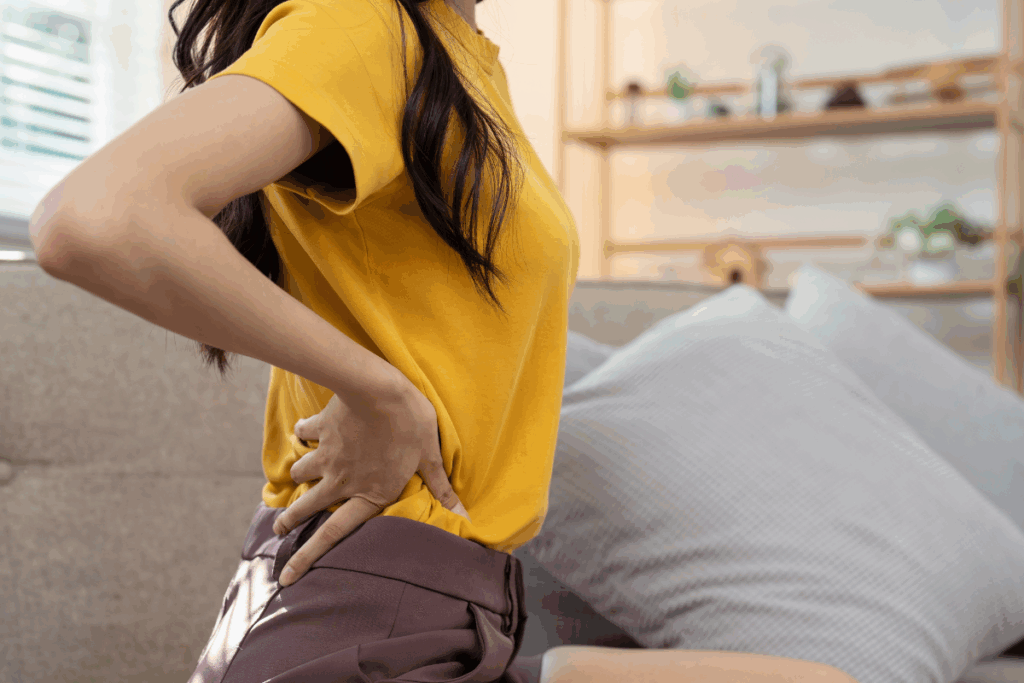
While muscle spasms can sometimes resolve on their own, recurring or stubborn spasms often need deeper support. Acupuncture is worth considering when the discomfort starts to interfere with your movement, sleep, or overall quality of life.
You might want to explore acupuncture if:
- Your spasms come back frequently despite rest, stretching, or hydration.
- Over-the-counter painkillers or muscle relaxants aren’t helping—or you want a drug-free alternative.
- The spasms are connected to chronic issues like sciatica, neck strain, or sports injuries.
- Stress or anxiety is a known trigger for your muscular discomfort.
- You feel other signs of imbalance, like poor circulation, fatigue, or trouble sleeping—issues that acupuncture can address holistically.
Acupuncture is especially helpful when muscle spasms are part of a larger pattern—such as tension headaches, TMJ, or nerve-related pain. In these cases, treating just the muscle isn’t enough. Acupuncture works by supporting the whole system, not just the symptom.
For best results, it’s recommended to consult a licensed acupuncturist who can evaluate your full history, identify trigger patterns, and develop a customized plan that may include acupuncture, lifestyle changes, and movement guidance.
Scientific Evidence and Clinical Findings
Acupuncture has come a long way from being viewed as alternative or fringe. Today, a growing body of scientific research supports its role in managing musculoskeletal issues—including muscle spasms and tightness.
Muscle Spasms
Several clinical studies have shown that acupuncture can reduce both the frequency and intensity of muscle spasms. Research points to mechanisms such as:
- Improved blood flow: Acupuncture increases circulation in the affected area, helping deliver oxygen and nutrients to tense, overworked muscles.
- Release of endorphins and enkephalins: These natural painkillers help relax hyperactive nerves that may be causing spasms.
- Modulation of nerve activity: Acupuncture may calm over-firing motor nerves, which are often responsible for sudden, involuntary contractions.
One review published in Evidence-Based Complementary and Alternative Medicine concluded that acupuncture produced better outcomes than conventional muscle relaxants in some cases of chronic muscle spasm.
Muscle Tightness
Muscle tightness is often linked to trigger points, poor posture, repetitive stress, or emotional tension. Acupuncture addresses tightness by:
- Reducing inflammation around stiff or overused muscles.
- Stimulating fascia release, helping loosen connective tissues that restrict movement.
- Promoting parasympathetic (rest and digest) response, which eases physical tension rooted in stress or anxiety.
- Restoring muscle elasticity by calming localized pain and allowing tissues to lengthen naturally.
Studies using imaging like ultrasound and infrared thermography have even shown visible changes in tissue tension after acupuncture sessions—further validating its physical effects.
In short, modern science is beginning to echo what traditional Chinese medicine has known for centuries: acupuncture doesn’t just treat symptoms—it helps restore functional balance across the entire body.
Acupuncture Techniques for Muscle Spasms and Tightness
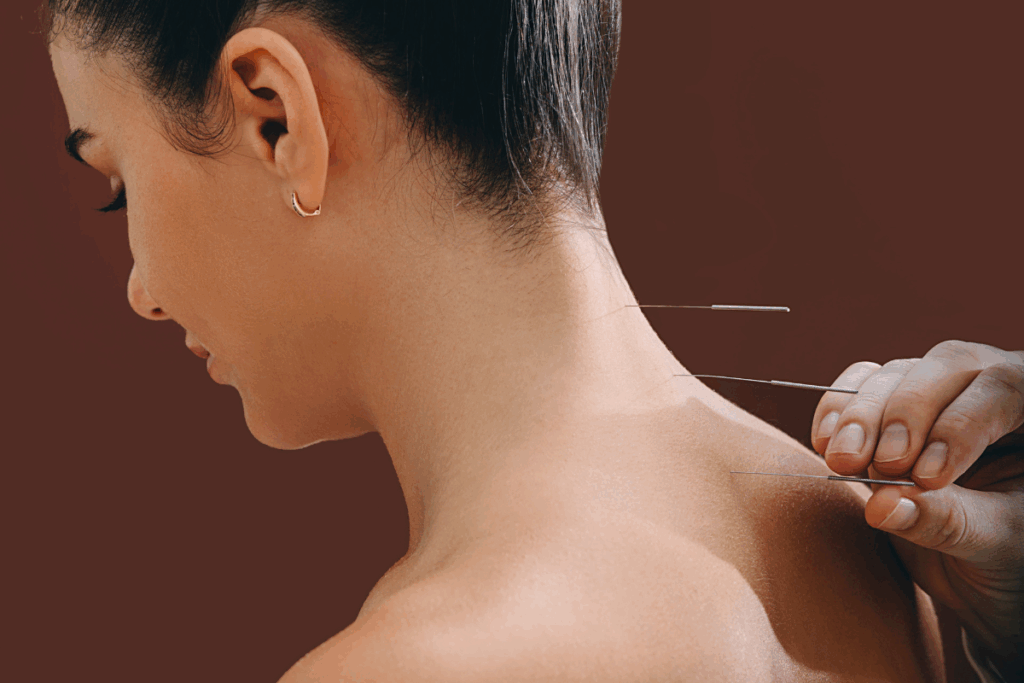
Not all acupuncture treatments are the same—and that’s a good thing. Depending on your symptoms, an experienced practitioner will customize techniques to address the specific nature of your muscle spasms or tightness.
For Muscle Spasms
- Local Needling: Thin needles are inserted directly into the spasm site or surrounding muscle fibers to deactivate trigger points and promote relaxation.
- Electroacupuncture: A gentle electric current is applied to the needles to increase stimulation and encourage the release of muscle contractions—especially helpful in stubborn or chronic spasms.
- Motor Point Acupuncture: Targets the motor nerve’s entry point in the muscle, helping regulate involuntary spasms by resetting nerve signaling.
For Muscle Tightness
- Distal Needling: Needles are placed away from the area of tension—along meridians that influence the muscle group—creating a full-body relaxation response.
- Myofascial Trigger Point Acupuncture: A precise form of dry needling that targets knots and adhesions in the fascia and muscle, often combined with slow breathing to enhance release.
- Cupping or Gua Sha (optional add-ons): While not strictly acupuncture, these techniques are often paired to help loosen tight fascia and encourage lymphatic drainage.
Who Can Benefit (and Who Should Avoid It)?
Acupuncture is remarkably versatile—but like any treatment, it isn’t one-size-fits-all. Here’s who typically benefits most, and who may need to proceed with caution or consult a healthcare provider first.
Who Can Benefit
Acupuncture may be especially effective for people experiencing:
- Chronic muscle tightness from stress, posture imbalances, or sedentary lifestyles.
- Recurring muscle spasms, especially in the neck, shoulders, back, or calves.
- Sports-related muscle strain and tightness from repetitive motion or overtraining.
- Tension-related headaches or TMJ issues linked to jaw or neck tightness.
- Nervous system-related muscle issues, such as mild nerve impingement causing spasms.
- Post-injury recovery, when muscles stay guarded or locked long after healing.
- Occupational strain, like desk workers, teachers, and healthcare providers who hold tension all day.
Even if you’ve tried other treatments like massage, stretching, or medication, acupuncture can offer a new path by addressing both the muscular and nervous systems.
Who Should Be Cautious or Avoid It
Acupuncture is generally very safe—but there are a few exceptions and precautions:
- People with bleeding disorders or on blood thinners may bruise more easily or need gentler techniques.
- Pregnant individuals should only be treated by acupuncturists trained in prenatal care, as some points may stimulate uterine activity.
- People with pacemakers should avoid electroacupuncture unless cleared by a doctor.
- Anyone with a severe underlying medical issue (such as cancer or an active infection) should speak to their physician first before beginning acupuncture.
If you’re unsure, a brief consult with an experienced acupuncturist or your primary care provider can help clarify whether acupuncture is right for your specific case.
FAQs: Acupuncture for Muscle Spasms and Tightness
1. How many acupuncture sessions do I need for muscle relief?
It depends on the severity and root cause of your muscle issues. Some people feel relief after 1–2 sessions, while others may need a series of 4–6 treatments for lasting results.
2. Does acupuncture hurt?
Most people feel little to no pain. You may experience a mild tingling or heaviness at the needle site, but many describe the sensation as calming or barely noticeable.
3. Can acupuncture replace physical therapy or massage?
Absolutely. This is your time. If something feels too intense—or not intense enough—speak up at any point. Your therapist wants you to feel safe, supported, and cared for.
4. Are there any side effects?
Minor side effects may include light bruising, slight soreness, or a relaxed “floaty” feeling afterward. Serious side effects are rare when performed by a licensed acupuncturist.
5. Is acupuncture safe for older adults or people with chronic illness?
Yes, with proper guidance. Acupuncture is often used to manage pain and tension in seniors or those with chronic conditions—but it’s important to let your practitioner know your medical history.
6. Can acupuncture help with stress-related muscle tightness?
Absolutely. Acupuncture helps regulate your nervous system, making it especially effective for muscle tightness linked to stress or anxiety.
7. What should I do after a session?
Rest, stay hydrated, and avoid strenuous activity for a few hours. Many people also find it helpful to do light stretching or take a warm bath.
Ready to Loosen the Tension—Naturally?

You don’t have to live with constant tightness or unpredictable muscle spasms. Acupuncture offers a gentle, effective way to reset your body and reclaim ease.
Whether your tension is rooted in stress, overuse, or something deeper, personalized acupuncture can help you move, rest, and feel better—without relying solely on medication.