Chronic pain has a way of creeping into everyday life — making it harder to move, harder to sleep, and sometimes even harder to smile. It lingers long after injuries heal or can show up without any clear reason at all. For many, it becomes something they simply live with.
But pain doesn’t have to take the lead. At Circle Wellness , massage isn’t just about relaxation — it’s a powerful tool for long-term relief. Whether it’s deep pressure easing muscle knots, gentle techniques calming inflamed joints, or natural methods improving circulation, the right approach can help the body heal in ways medication can’t always reach.
What Is Chronic Pain and Why Does It Persist?
Chronic pain isn’t just a sore muscle or a stiff back after a long day — it’s pain that sticks around for weeks, months, or even years. Unlike short-term pain that goes away once the body heals, chronic pain keeps coming back, even when there’s no clear injury.
Sometimes it starts with an accident, surgery, or illness. Other times, it builds slowly with no obvious cause. What makes it tricky is that the body gets stuck in a loop — known as the pain cycle.
Here’s how it works:
- When an area of the body feels pain, muscles nearby tighten to protect it.
- Those tight muscles limit movement and reduce blood flow.
- Less movement and poor circulation lead to more tension, stiffness, and — you guessed it — more pain.
How Massage Therapy Helps Relieve Chronic Pain
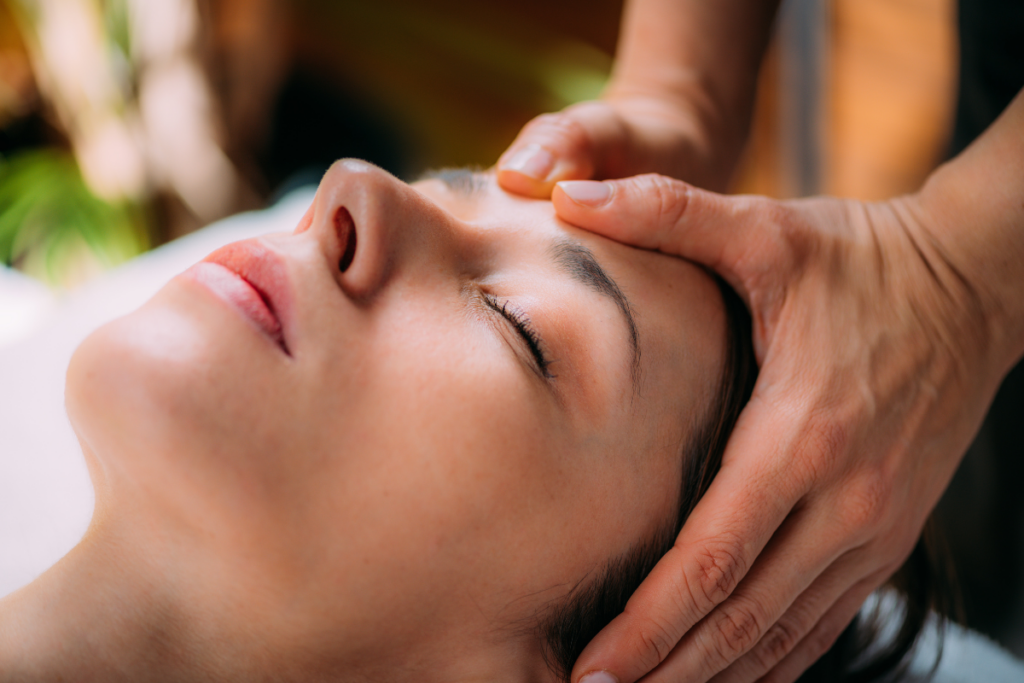
Chronic pain doesn’t only affect the body — it also affects the nervous system and how the brain responds to pain signals. Massage therapy supports the body in multiple ways, offering a natural approach to long-term relief.
Loosens Tight Muscles
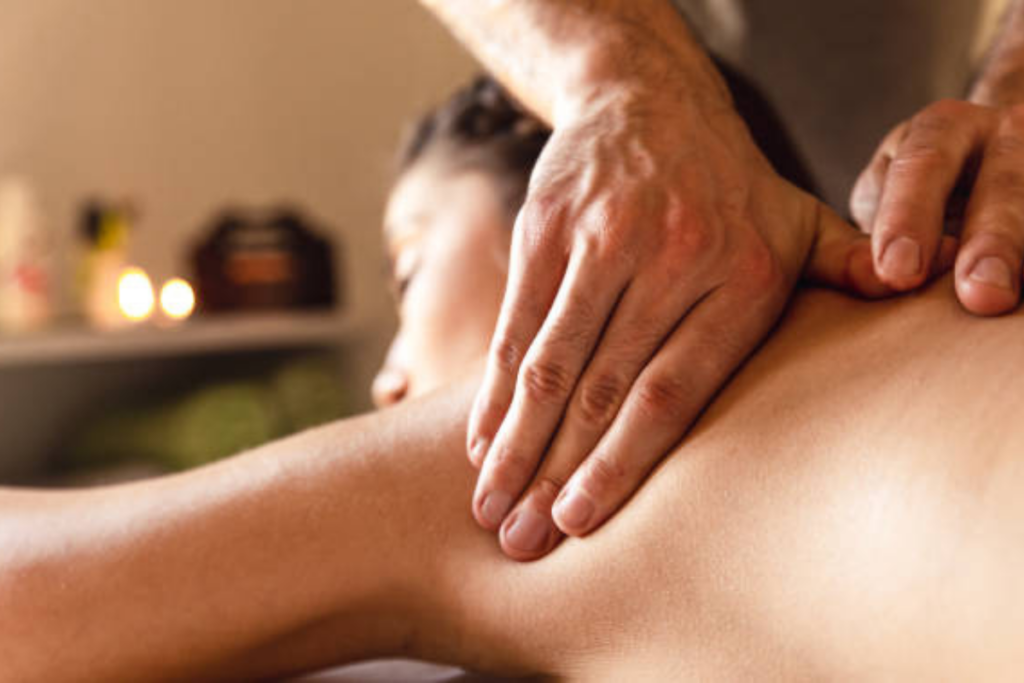
When muscles stay tense for too long, they begin to restrict movement and press on nearby nerves, which can make the pain worse. Massage works by gently softening those tight areas, helping muscles relax and easing the pressure they create.
Improves Blood Circulation
Good circulation plays a key role in healing. Massage helps move blood more efficiently through the body, delivering oxygen and nutrients to injured or painful areas. This improved flow helps tissues recover and reduces inflammation.
Calms the Nervous System
Massage encourages the brain to produce endorphins — the body’s natural painkillers. These chemicals help quiet pain signals and improve mood. As the nervous system begins to calm, pain often becomes more manageable.
Breaks the Pain Cycle
Pain causes muscles to tense, which leads to reduced movement and more pain. This is known as the pain cycle. Massage helps break this cycle by loosening muscles, improving circulation, and calming the mind. With consistent care, the body can begin to restore balance and function.
Massage isn’t a quick fix, but it is a powerful tool that supports the body’s ability to heal, especially when used regularly as part of a pain management plan.
Most Effective Massage Techniques for Chronic Pain Relief
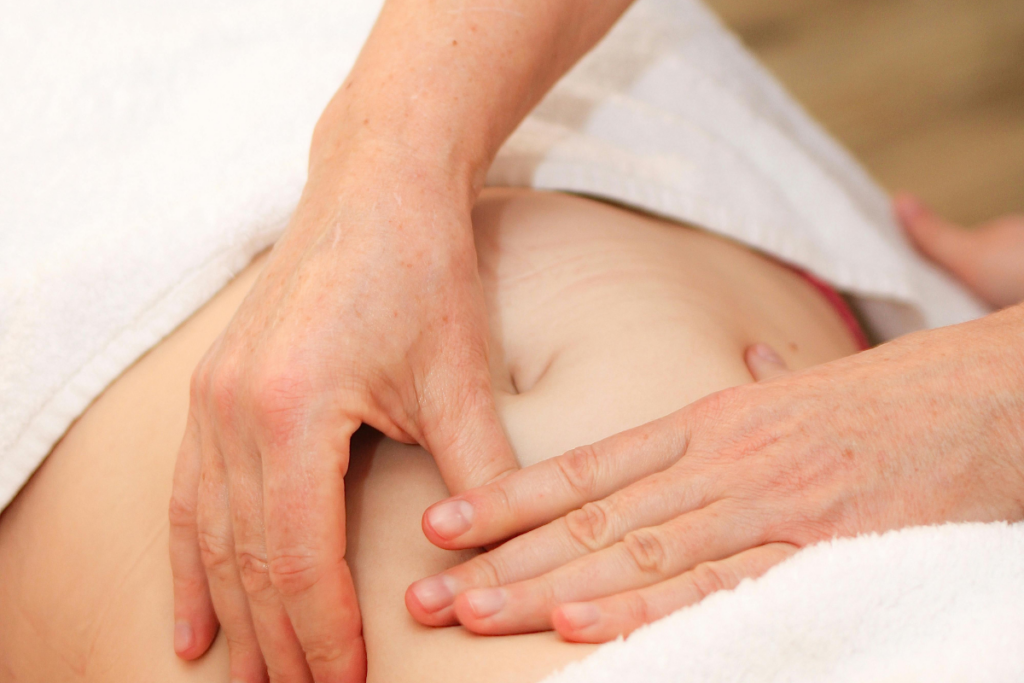
At Circle Wellness, massage therapy is personalized based on your pain type, lifestyle, and preferences. Here are the key techniques we use, along with how each one supports pain relief:
Deep Tissue Massage
- Targets deep layers of muscle and connective tissue
- Helps release muscle knots and chronic tension
- Best for lower back pain, post-injury stiffness, and tight shoulders
Medical Massage
- Focused on specific medical conditions or injuries
- Often recommended by a healthcare provider
- Helps with recovery, joint pain, and nerve-related discomfort
Gua Sha
- Involves gentle scraping of the skin using a smooth-edged tool
- Boosts circulation and reduces muscle inflammation
- Useful for neck tension, back pain, and chronic tightness
Cupping Therapy
- Uses suction cups to lift skin and improve blood flow
- Relieves deep muscle aches and upper back or shoulder pain
- Encourages faster healing in areas with restricted circulation
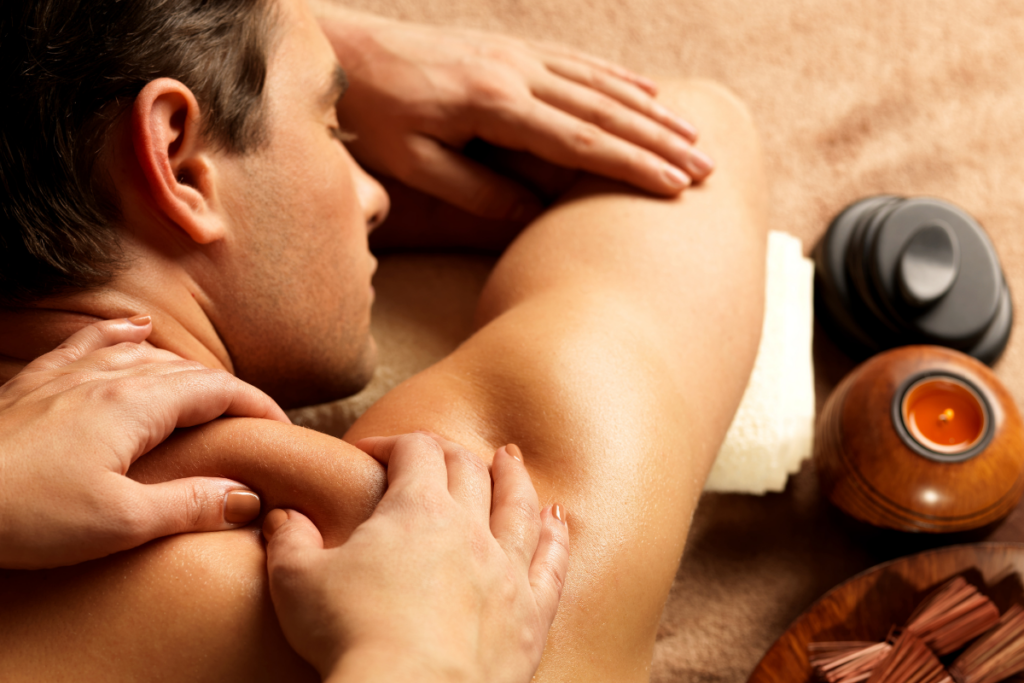
Hot Stone Massage
- Warm stones are placed on the body to loosen muscles
- Reduces stiffness and increases relaxation
- Ideal for joint pain and chronic tension
Aromatherapy Massage
- Combines massage with essential oils
- Supports relaxation and can help reduce pain, anxiety, and tension headaches
- Oils are selected based on your symptoms and needs
Acu Facials
- Gentle stimulation of facial pressure points
- Eases jaw tension, migraines, and sinus pressure
- Promotes facial relaxation and circulation
Prenatal Massage
- Safe for pregnant women to relieve discomfort
- Helps with lower back pain, leg cramps, and pelvic tension
- Supports relaxation and improves sleep quality during pregnancy
Reflexology
- Focuses on pressure points in the feet, hands, and ears
- Believed to support overall balance and relieve stress
- Can reduce pain in areas connected to specific pressure zones
Each technique offers unique benefits depending on the cause and location of your pain. Some clients respond best to a combination of methods, which can be adjusted over time based on results.
How to Choose the Right Massage for Your Type of Pain
Choosing the right massage can make a big difference in how effective your pain relief is. Not every technique works the same for every person, so it’s important to match the method to your specific needs.
Here are a few things to consider:
Identify Where the Pain Is Coming From
- Is it muscle-based (like tension or knots)?
- Is it joint-related (like arthritis or stiffness)?
- Does it involve nerve pain (like sciatica or tingling)?
Think About the Cause of the Pain
- Is it from an old injury, surgery, daily stress, or a long-term condition?
- If the pain is new or linked to a medical issue, medical massage might be the best place to start.
Consider Your Comfort Level
- If you’re sensitive to pressure, techniques like aromatherapy or reflexology may be more comfortable.
- For deeper, long-standing pain, deep tissue or cupping might offer better results.
Talk to a Qualified Therapist
- At Circle Wellness , your session begins with a conversation about your health, pain history, and goals.
- Based on that, your therapist will recommend a custom plan .
Be Open to Trying Different Techniques
- Some clients find that rotating between therapies (for example, deep tissue one week, gua sha the next) brings the best results.
- Everyone responds differently, so a bit of trial and error is normal.
Massage therapy is most effective when it’s personalized. What works for one person may not be the right fit for another — and that’s okay. The goal is to find what helps your body feel better and function better over time.
Integrating Massage into a Chronic Pain Management Plan
Massage can be a powerful part of managing chronic pain, but it works even better when combined with other healthy habits. It’s not about choosing one solution — it’s about building a routine that supports your body from all sides.
Here’s how to make massage therapy part of your bigger plan:
Stay Consistent with Treatments
- Regular massage sessions, even just once or twice a month, can help keep muscle tension and pain from building up again.
- Your therapist can recommend the right frequency based on how your body responds.
2Pair Massage with Movement
- Light stretching, yoga, or low-impact exercises can increase flexibility and help maintain the results of massage.
- If exercise feels painful, start small — even 5–10 minutes a day can help.
Support Your Body Between Sessions
- Use hot or cold packs at home as recommended
- Stay hydrated to help your muscles recover
- Try self-massage tools like foam rollers when needed
Address the Emotional Side of Pain
- Stress and anxiety can make chronic pain feel worse
- Massage helps reduce stress, but adding in meditation, deep breathing, or journaling can bring even more relief
Support Your Body Between Sessions
- Massage can support medical treatments, not replace them
- Always let your doctor know if you’re adding massage therapy to your routine — especially if you’re managing a chronic condition or taking medication
The goal is to help your body feel supported, not just for the moment, but for the long run. When massage is part of a balanced plan, it can improve how you move, sleep, and live each day.
What to Expect During a Chronic Pain Massage at Circle Wellness MD
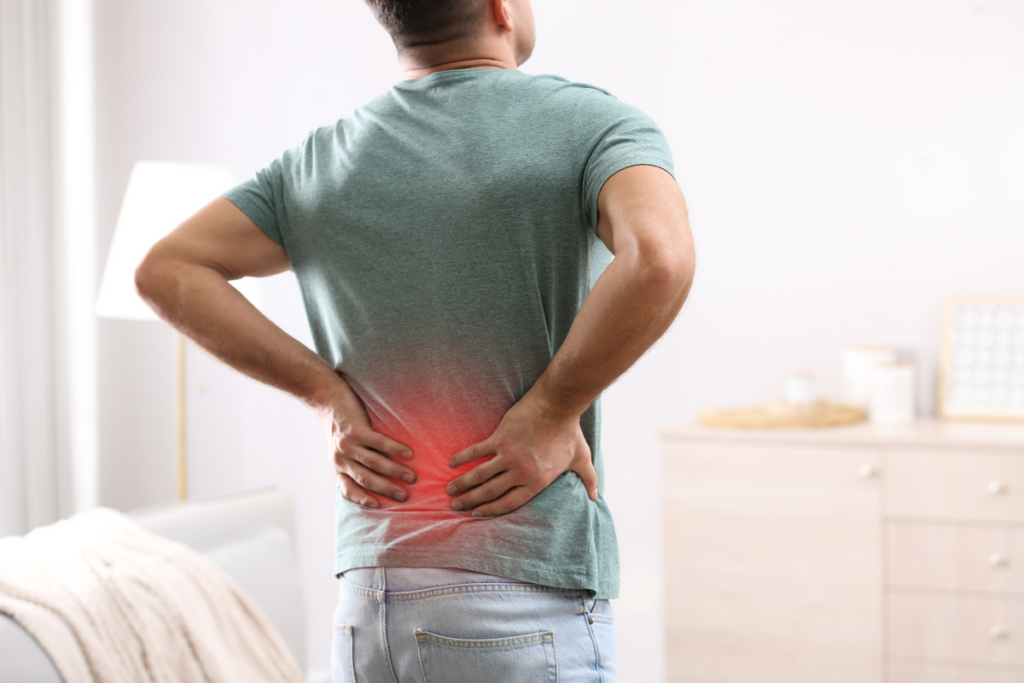
Walking into a massage session for chronic pain should feel calming, not intimidating. At Circle Wellness , everything starts with a conversation. Before any hands-on work begins, your therapist takes time to understand your pain history, medical background, daily habits, and how the pain is affecting your life. This step is important — it helps us design a treatment that truly fits your needs.
From the moment your session starts, the focus is on making you feel safe, supported, and at ease. We begin by helping you settle into a comfortable position — one that avoids pressure on painful areas and gives your body the support it needs to relax.
As the massage begins, your therapist uses slow, thoughtful movements tailored to what your body needs most. Whether you’re receiving deep tissue work to ease long-term tension, gua sha to improve circulation, or a gentle hot stone massage to melt away stress, every touch is intentional. Nothing is rushed or forced.
When the session ends, we don’t just send you on your way. We share simple, helpful tips to support your recovery — like staying hydrated, using heat or cold if needed, or doing a few easy stretches at home. You’ll also get honest feedback on what we noticed and what might help between visits, whether it’s posture advice or small lifestyle tweaks. This isn’t just a massage. It’s part of a bigger journey — one focused on helping you feel better, move easier, and live with less pain.
Faqs
1. How does massage therapy alleviate chronic pain?
Massage therapy reduces chronic pain by:
- Relaxing muscle tension
- Improving blood circulation
- Enhancing the release of the body’s natural pain-relieving chemicals
These effects collectively diminish discomfort and promote healing.
2. Which massage techniques are most effective for chronic pain relief?
Effective massage techniques include:
- Deep tissue massage
- Trigger point therapy
- Myofascial release
Each targets specific pain sources and should be selected based on individual needs.
3. How often should I receive massage therapy for chronic pain?
The frequency depends on the severity and nature of your pain. Many individuals start with weekly sessions and adjust as symptoms improve. Consulting with a massage therapist can help determine an optimal schedule.
4. Can massage therapy completely cure chronic pain?
While massage therapy may not cure chronic pain, it can significantly reduce symptoms, improve mobility, and enhance quality of life when integrated into a comprehensive pain management plan.
5. Are there any risks associated with massage therapy for chronic pain?
Massage therapy is generally safe. However, individuals with conditions like blood clots, osteoporosis, or certain skin conditions should consult a healthcare provider before treatment.
6. How soon can I expect results from massage therapy?
Some individuals experience immediate relief, while others notice gradual improvement over multiple sessions. Consistency is key for long-term benefits.
7. Is massage therapy suitable for all types of chronic pain?
Massage therapy can benefit various chronic pain conditions, including back pain, arthritis, and fibromyalgia. However, its suitability depends on individual circumstances and should be discussed with a qualified therapist.
8. What should I do after a massage session to maximize benefits?
Post-massage care includes:
- Drinking plenty of water
- Engaging in gentle movements
- Following any personalized advice from our therapist
These steps help integrate the benefits of the session.
9. Can massage therapy be combined with other treatments?
Yes, massage therapy often complements other treatments like physical therapy, chiropractic care, and medication, contributing to a holistic approach to chronic pain management.
Take Control of Your Pain Naturally
Chronic pain can take a lot from your life — your energy, your sleep, your mood, and even your confidence. But the good news is, you don’t have to live with it quietly or fight it alone.
Massage therapy offers more than just temporary relief. When it’s done with care, knowledge, and consistency, it becomes a powerful tool in helping your body heal. The right technique can reduce tension, improve movement, and calm the nervous system — all without relying on medication or invasive treatments.
At Circle Wellness , we’re here to listen to your story, understand your pain, and create a plan that works for your body. Whether your discomfort is rooted in years of tension, an old injury, or simply the stress of daily life, we believe real healing is possible — and it starts with the right support.
You deserve to move better. You deserve to rest without pain. And most of all, you deserve to feel like yourself again.