
“Take care of your body. It’s the only place you have to live.”
— Jim Rohn
If the thought of tiny needles makes you flinch, you’re not alone. For many, the idea of acupuncture brings images of pain—not relief. But here’s the truth: acupuncture isn’t about suffering; it’s about subtle, targeted healing. Whether you’re dealing with back tension, tightness in the foot, or even pressure in the ear, this ancient technique taps into the body’s natural systems to help you feel better—not worse. In this blog, we’ll break down exactly what acupuncture feels like, what happens afterwards, and why that fear of pain may be more myth than fact.
From pain relief to whole-body balance—see how we offer acupuncture care that works.
Understanding Acupuncture
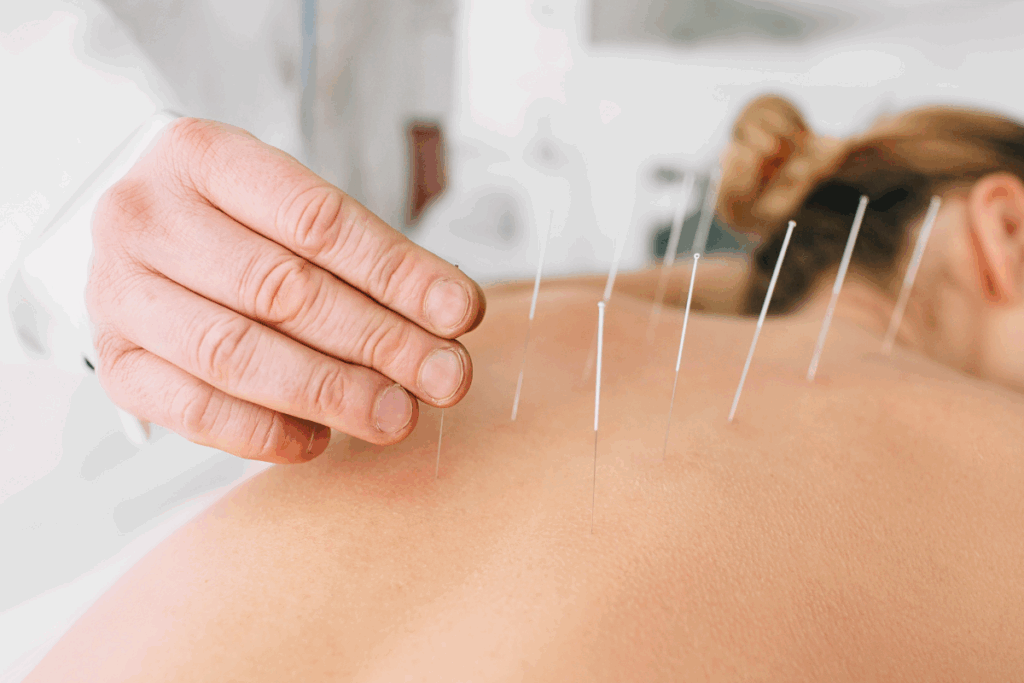
Acupuncture is a traditional healing method that uses ultra-fine needles to stimulate specific points on the body—called acupoints. These points correspond to pathways of energy (or “qi”) that influence pain, tension, digestion, sleep, and more. Today, acupuncture is widely recognized for its ability to treat everything from back pain to anxiety.
Rather than masking symptoms, acupuncture works by encouraging your body’s natural healing response. When a needle is placed, it gently stimulates nerves, boosts circulation, and signals the brain to release endorphins (your body’s feel-good chemicals). The result? Reduced inflammation, less pain, and better overall balance.
The Sensation: Understanding De‑Qi and Other Feelings
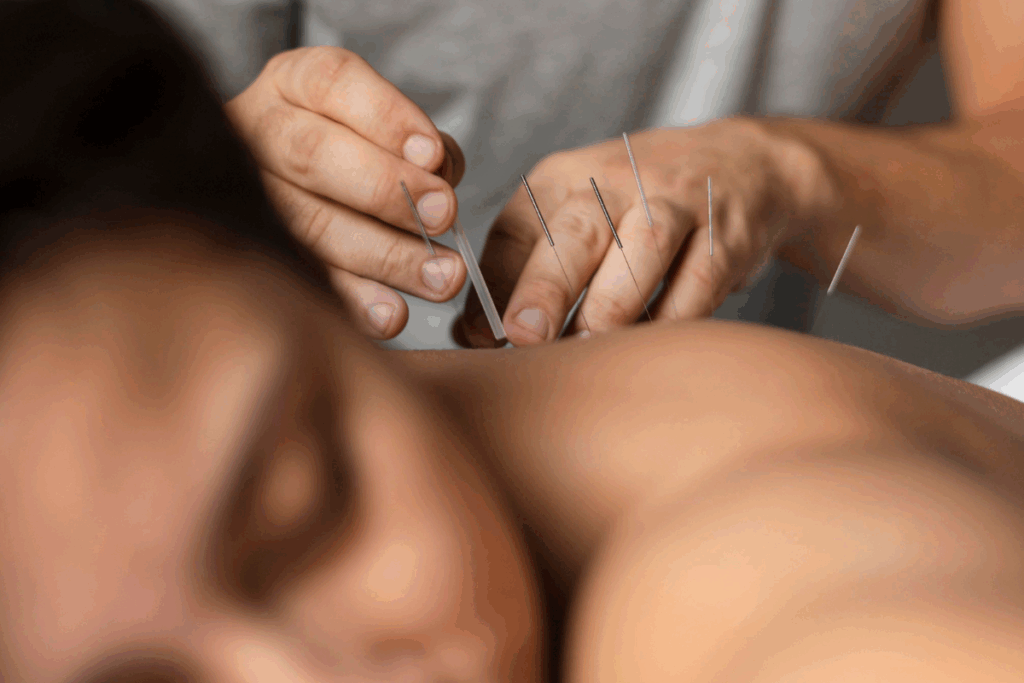
Many people describe the De‑Qi sensation as surprisingly soothing—even grounding. It often feels like:
- A dull ache or heaviness around the needle site
- Tingling or warmth, like a mild current of energy
- Numbness or pressure that fades in and out
- A subtle buzzing or traveling feeling along the body
Most patients feel a slight pinch during insertion, but it quickly fades. What follows is a gentle release of tension—especially in areas like the neck, foot, or back. These are not side effects; they’re signs your nervous system is responding. De‑Qi is your body’s signal that healing is in motion—without triggering pain.
Does Acupuncture Actually Hurt?

For most people, the thought of needles brings up images of pain—but acupuncture is a completely different experience. The needles are ultra-thin and flexible, designed to glide into the skin with minimal sensation. At most, you might feel a quick pinch or light tap, especially in sensitive spots like the back, foot, or ear.
Once inserted, the sensation often shifts to a dull ache, tingling, or warmth—signs that your body is responding. These feelings, part of the De‑Qi response, are not painful but therapeutic.
Pain during acupuncture is rare and usually mild. If discomfort does happen, your practitioner can adjust the needle instantly. For many, sessions feel relaxing and even meditative, with some patients falling asleep during treatment.
Bottom line: acupuncture isn’t about pain—it’s about relieving it. When done by a licensed practitioner, it’s a gentle yet powerful way to ease tension and restore balance.
What Happens During a Session
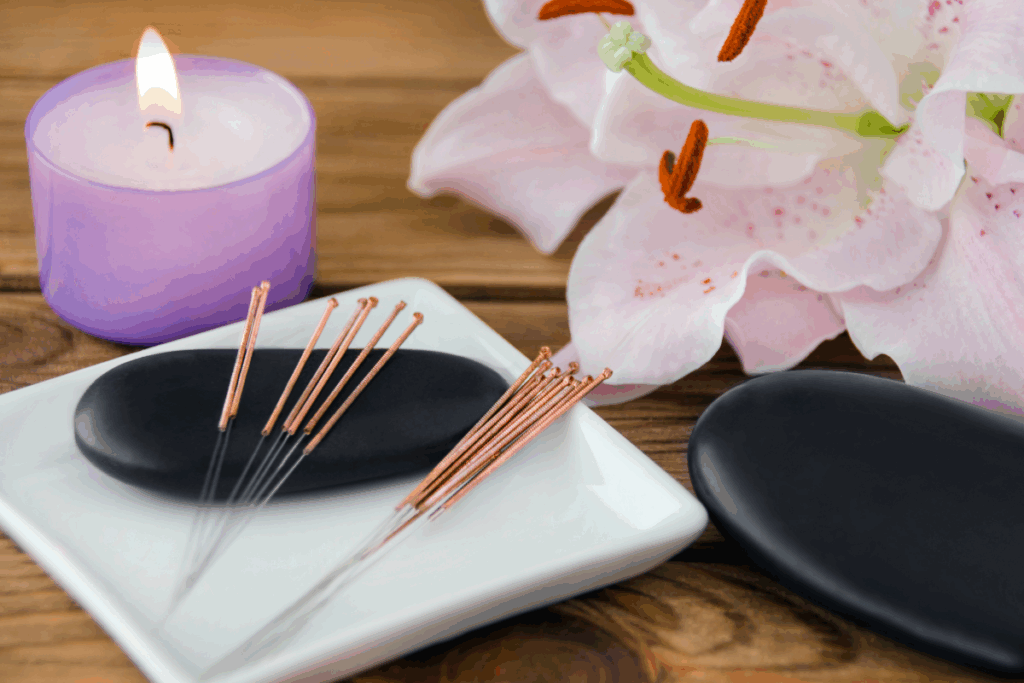
A typical acupuncture session is calm, focused, and surprisingly relaxing. Here’s what you can expect:
- Initial assessment: Your practitioner will ask about symptoms—like pain in the back, neck, or foot—and overall wellness to tailor your treatment.
- Needle placement: Ultra-thin, sterile needles are inserted into precise points on your body, including the back, ears, hands, or legs.
- Sensation: You may feel a tiny pinch followed by sensations like dull ache, warmth, or light tingling (the De‑Qi effect).
- Relaxation phase: You’ll rest quietly for 15–30 minutes as the needles stay in place. Many patients feel deeply relaxed or even fall asleep.
- Afterwards: Most people report reduced tension or pain and a lasting sense of calm—without side effects or downtime.
Each session is designed to activate your body’s natural healing process in a safe, controlled way.
Tips for a Comfortable Acupuncture Experience
Your first acupuncture session doesn’t have to be nerve-wracking. These simple tips can help ease tension and make the experience more comfortable:
- Dress for ease: Wear loose-fitting clothes so the practitioner can access areas like your back, foot, or ears without hassle.
- Eat lightly beforehand: A small meal or snack can prevent dizziness or lightheadedness—especially helpful if you’re nervous about needles.
- Communicate clearly: Let your acupuncturist know about any concerns, past side effects, or areas of pain so they can adjust the session to your needs.
- Breathe and relax: Deep, steady breathing calms the nervous system and helps reduce sensitivity at the needle sites.
- Hydrate afterwards: Drinking water can support your body’s detox response and reduce any lingering soreness.
With the right preparation and mindset, acupuncture can be a deeply relaxing—and even enjoyable—part of your healing routine.
How Our Licensed Acupuncturists Ensure a Pain-Free Experience
One reason acupuncture feels so gentle? The expertise behind it. Our licensed acupuncturists are trained in anatomy, needle technique, and safety—so every session is delivered with precision and care.
They select the right needle size, adjust placement in real time, and respond to your body’s feedback to keep discomfort at a minimum. If something feels off, it’s easy for them to shift the technique on the spot.
Comfort isn’t an afterthought—it’s built into every step. From calming treatment rooms to warm tables and quiet pacing, our team creates an environment where you can relax, reset, and heal with confidence.
FAQs

1 Does acupuncture hurt more on certain body parts like the back or foot?
Some areas like the back, foot, or ear can be more sensitive, but most patients feel only a mild pinch or pressure.
2 What does the acupuncture needle actually feel like?
It feels like a tiny tap or light prick. Many people describe sensations of warmth, tingling, or heaviness rather than sharp pain.
3 How big are acupuncture needles compared to regular needles?
Acupuncture needles are extremely thin—about 0.2 mm, much smaller than a typical injection needle.
4 Can I move during an acupuncture session?
Minor movement is okay, but it’s best to stay still to avoid discomfort and allow the needles to do their work.
5 How long do acupuncture sessions last?
Sessions typically last 30–60 minutes, depending on your condition and treatment goals.
6 Will I bleed after acupuncture?
Rarely. Some people may have a tiny spot of blood or mild bruising, but it’s minimal and temporary.
7 Is acupuncture safe for people with chronic pain?
Yes, acupuncture is often used to treat chronic pain conditions like back tension, migraines, and nerve issues.
8 Can acupuncture help with ear or jaw tension?
Absolutely. Acupuncture can target tension in areas like the ears, jaw, and neck to ease discomfort.
9 What should I do after my first acupuncture session?
Rest, hydrate, and avoid intense activity to let your body fully absorb the effects.
10 Is it normal to feel tired afterwards?
Yes, some people feel relaxed or sleepy after a session—that’s a sign your nervous system is calming down.