You expected your shoulders to feel better by now—after a few days of rest, stretching, or adjusting your posture. But the tension is still there. Your shoulders feel tight, your neck stiff, and even simple movements like reaching, typing, or turning your head feel heavier than they should.
Shoulder pain isn’t just about the joint. It often involves the muscles of the neck, upper back, chest, and shoulder blades working harder than they should. Long hours at a desk, stress, and repetitive movement can overload these areas, leaving the shoulders tight and uncomfortable.
Massage therapy can’t replace medical care for serious injuries, but it can help release tight muscles, improve circulation, and restore movement to the shoulder and surrounding tissues.
So what does massage therapy for shoulder pain and tension actually involve? Let’s start with what happens in the body when shoulder tension builds over time.
What Causes Shoulder Pain and Tension?

The shoulder is one of the most mobile joints in the body. It relies on a complex system of muscles, tendons, ligaments, and joints to allow movement in multiple directions.
Because of this flexibility, the shoulder can also be prone to strain and tension.
- Shoulder pain may develop due to several factors, including:
- Prolonged desk work or poor posture
- Repetitive movements
- Stress-related muscle tension
- Sleeping positions that strain the shoulder
- Overuse from sports or physical work
- Muscle imbalances in the neck and upper back
- Common symptoms may include:
- Tightness across the upper shoulders
- Neck stiffness
- Difficulty lifting the arm overhead
- Muscle knots in the upper back
- Headaches related to neck tension
- Reduced range of motion
Posture can also play a major role. When the shoulders round forward for long periods, the muscles in the chest tighten while the upper back muscles become strained trying to stabilize the shoulder.
Over time, this imbalance can create persistent tension and restricted movement. Understanding these patterns matters, because massage therapy works directly on the muscles and tissues that contribute to shoulder tension.
How Massage Therapy Helps Shoulder Pain and Tension

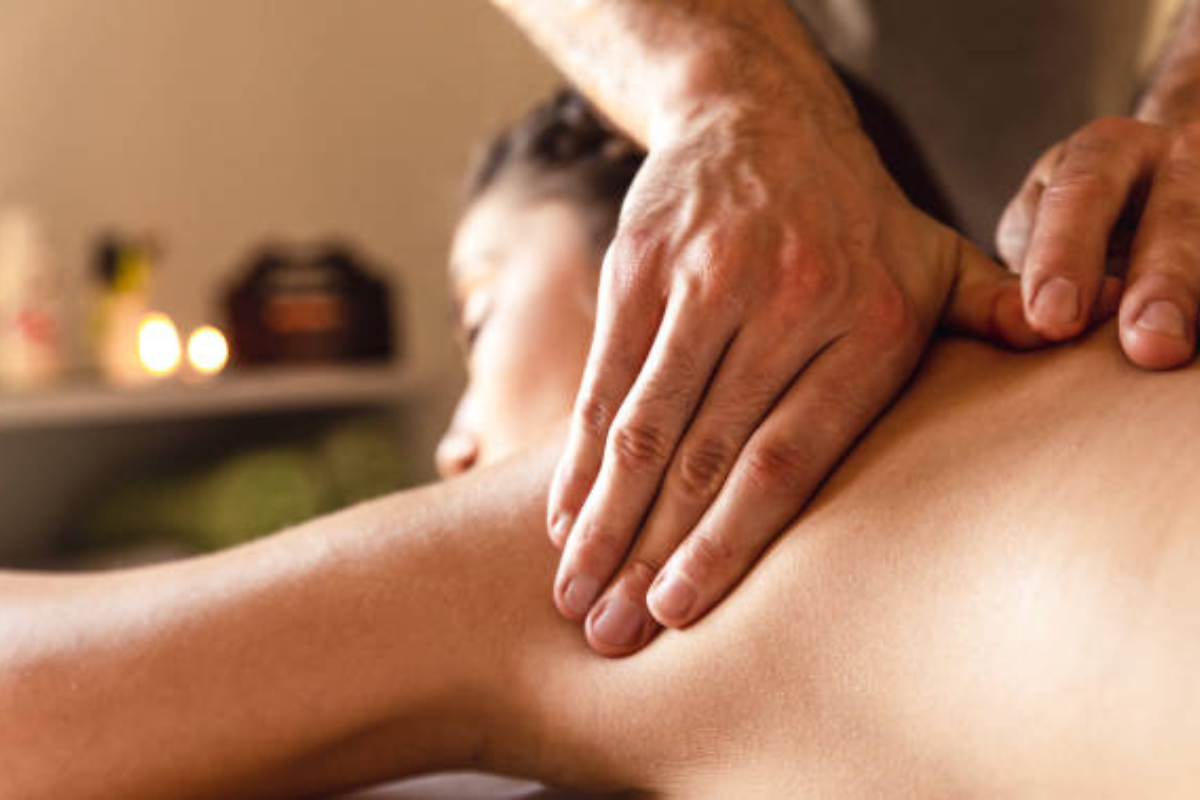
Massage therapy focuses on relaxing muscles, improving circulation, and restoring mobility to the tissues around the shoulder joint. Rather than treating only the shoulder itself, massage therapists often work on the entire upper body—including the neck, upper back, and chest—to restore balance.
Here are several ways massage therapy may help.
Releases Tight Muscles
- Muscle tension is one of the most common causes of shoulder discomfort.
- Massage techniques help release tight muscle fibers in areas such as:
- The trapezius (upper shoulders)
- The rotator cuff muscles
- The upper back and shoulder blade region
- The neck muscles
- As muscle tension decreases, the shoulder can move more freely and comfortably.
Improves Circulation
- Tight muscles often have reduced blood flow.
- Massage increases circulation to the affected areas, which may help:
- Deliver oxygen and nutrients to tissues
- Remove metabolic waste from muscles
- Support tissue recovery
- Improved circulation can reduce soreness and promote healing.
Reduces Muscle Knots and Trigger Points
- Muscle knots, also known as trigger points, are small areas of tight muscle fibers that can cause pain locally or in nearby areas.
- For example, a trigger point in the upper trapezius may cause pain that radiates toward the neck or head.
- Massage techniques such as trigger point therapy may help release these areas and reduce referred pain.
Improves Shoulder Mobility

- When muscles surrounding the shoulder become tight, they can restrict movement.
- Massage may help:
- Improve flexibility of muscles and fascia
- Reduce stiffness in the shoulder joint
- Increase range of motion
- This can make daily activities—like reaching, lifting, or turning the head—feel easier.
Supports Better Posture
- Poor posture is one of the most common contributors to shoulder tension. Massage helps relax tight muscles that pull the shoulders forward and strain the upper back. With reduced tension, it may become easier to maintain healthier posture during daily activities.
Reduces Stress-Related Tension
- Stress often causes people to unconsciously raise or tighten their shoulders.
- Massage therapy activates the parasympathetic nervous system—the body’s relaxation response.
- This may help:
- Reduce stress hormones
- Relax tense muscles
- Improve overall relaxation
- Many people notice their shoulders feel lighter after treatment.
Shoulder Conditions and Potential Benefits of Massage Therapy

Massage therapy can support a variety of shoulder-related concerns.
| Condition | Potential Benefits of Massage Therapy |
|---|---|
| General shoulder tension | Muscle relaxation and improved mobility |
| Desk-related shoulder pain | Postural muscle relief |
| Rotator cuff strain | Reduced muscle tightness around the joint |
| Tension headaches | Release of neck and shoulder muscles |
| Upper back tightness | Improved circulation and flexibility |
| Stress-related muscle tension | Nervous system relaxation |
Types of Massage That May Help Shoulder Pain

Different massage techniques may be used depending on the cause of shoulder tension.
| Massage Type | Best For | How It Helps |
|---|---|---|
| Deep Tissue Massage | Chronic shoulder tension | Works deeper muscle layers to release tight tissue |
| Trigger Point Therapy | Muscle knots and referred pain | Targets specific tight points causing discomfort |
| Myofascial Release | Stiff connective tissue | Improves tissue flexibility and mobility |
| Swedish Massage | Stress-related tension | Promotes relaxation and improved circulation |
| Sports Massage | Overuse or activity-related strain | Supports recovery and muscle balance |
A therapist may combine several techniques within one session.
When to Avoid Massage
- Massage may not be appropriate in certain situations.
- It’s best to consult a healthcare provider before massage if you have:
- Severe shoulder injury or suspected tear
- Acute inflammation or swelling
- Recent fractures or surgery
- Unexplained shoulder pain
- Nerve compression causing significant weakness or numbness
- A qualified therapist will adjust techniques based on your medical history and symptoms.
When to Expect Results

Everyone responds differently, but many people notice improvements gradually.
After 1–2 sessions
Muscles may feel looser and shoulder tension may decrease.
After 3–5 sessions
Posture may improve, and daily movements may feel more comfortable.
After several sessions
Many people experience longer-lasting relief from shoulder stiffness and tension.
Consistent treatment combined with posture awareness often provides the best results.
Signs Massage Therapy Is Helping
You may notice positive changes such as:
- Reduced shoulder tightness
- Easier arm movement
- Less neck and upper-back discomfort
- Fewer tension headaches
- Improved posture during daily activities
- A greater sense of relaxation
These changes often develop gradually with regular sessions.
What to Do During Your First Session
A few simple steps can help make massage therapy more effective.
Hydrate before and after your session
Drinking water supports circulation and muscle recovery.
Communicate with your therapist
Let them know if pressure feels too strong or if certain movements cause discomfort.
Pay attention to posture
Small changes—such as adjusting chair height or screen position—can help maintain the benefits of treatment.
Stretch between sessions
Gentle shoulder and neck stretches may help keep muscles relaxed.
Be consistent
Regular sessions typically provide better results than occasional treatments.
FAQs

Can massage therapy help shoulder pain?
Yes. Massage may reduce muscle tension, improve circulation, and support better shoulder mobility.
How many sessions are needed for shoulder tension?
Some people feel relief after one or two sessions, but lasting improvement often occurs after several treatments.
Is massage safe for shoulder injuries?
Massage can help certain conditions, but acute injuries should first be evaluated by a healthcare professional.
Can massage help tension headaches from shoulder tightness?
Yes. Releasing tight neck and shoulder muscles can often reduce headache frequency.
Is deep tissue massage necessary for shoulder pain?
Not always. The best technique depends on the cause of the tension.
Can massage improve shoulder mobility?
Yes. By relaxing muscles and improving tissue flexibility, massage may help increase range of motion.
Will massage replace physical therapy?
Massage is supportive but does not replace rehabilitation exercises when they are needed.
How long does relief last?
Relief may last several days initially and often becomes longer-lasting with regular care.
Restoring Comfort to Your Shoulders
Shoulder pain and tension can affect posture, sleep, and daily comfort.
Massage therapy offers a supportive approach to releasing tight muscles, improving circulation, and restoring movement to the shoulders and upper back.
While it does not replace medical care for serious injuries, it can help your body move more freely and comfortably.
If persistent shoulder tension is affecting your daily life, massage therapy may help restore balance and ease to your movement.