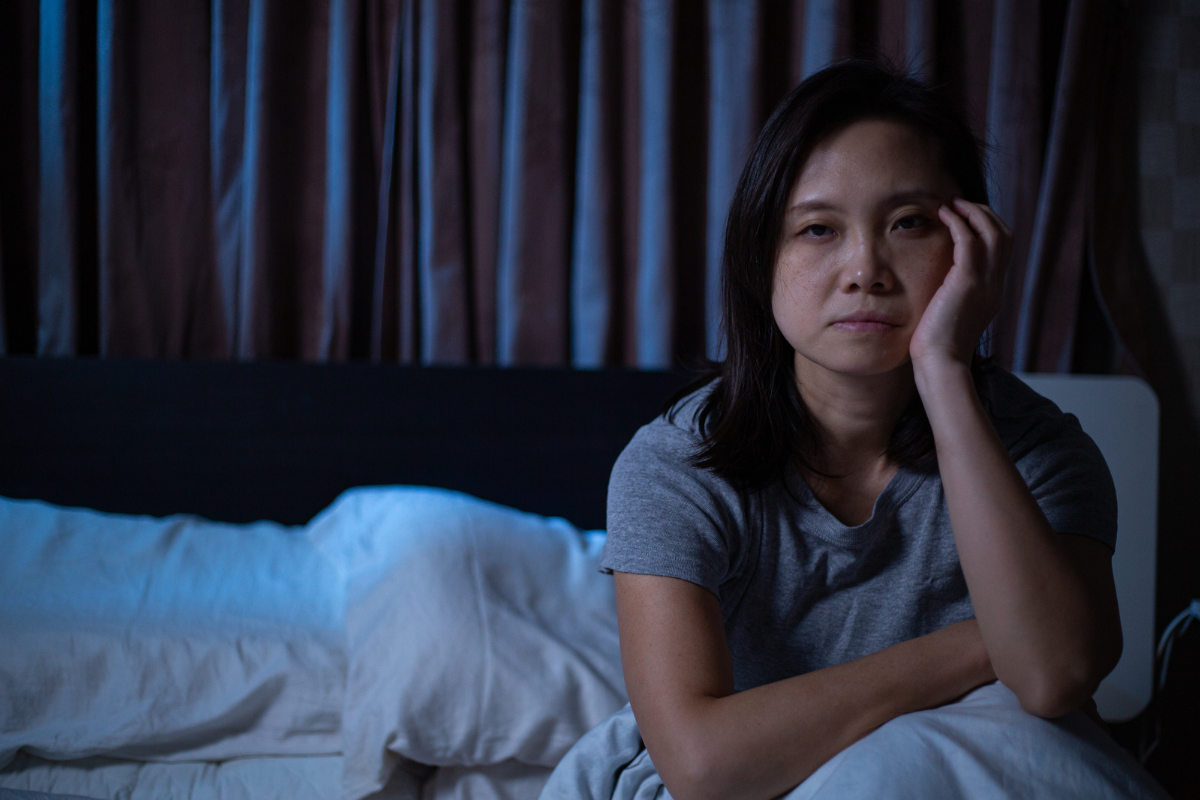
You try to sleep, but your eyes stay open. You wake up tired, even after lying in bed for hours. Your body wants rest, but your mind keeps thinking, planning, and worrying. Nights feel long, and mornings feel heavy.
Most people quickly turn to sleep pills — but medication doesn’t always fix the root cause.
What if your sleep struggles are connected to stress, tension, pain, or a nervous system that simply cannot “switch off”?
That’s where medical massage therapy steps in — not just to relax you, but to help your body naturally activate its sleep system.
What Is a Sleep Disorder?
Common Types of Sleep Disorders
| Sleep Disorder | What It Feels Like |
|---|---|
| Insomnia | Hard to fall asleep or stay asleep |
| Sleep Apnea | Breathing stops briefly while sleeping |
| Restless Legs Syndrome | Uncomfortable urge to move legs at night |
| Hypersomnia | Feeling sleepy all day, even after a full sleep |
| Circadian Rhythm Disorder | Internal sleep clock is off (like for shift workers) |
Sleep doesn’t only depend on the mind — it also depends on the body. When your muscles are tense, your pain levels are high, or your stress hormones are too active, your body sends “stay awake” signals to your brain. That’s why massage therapy is gaining attention as a supportive sleep treatment.
Can Massage Therapy Help With Sleep Disorders?
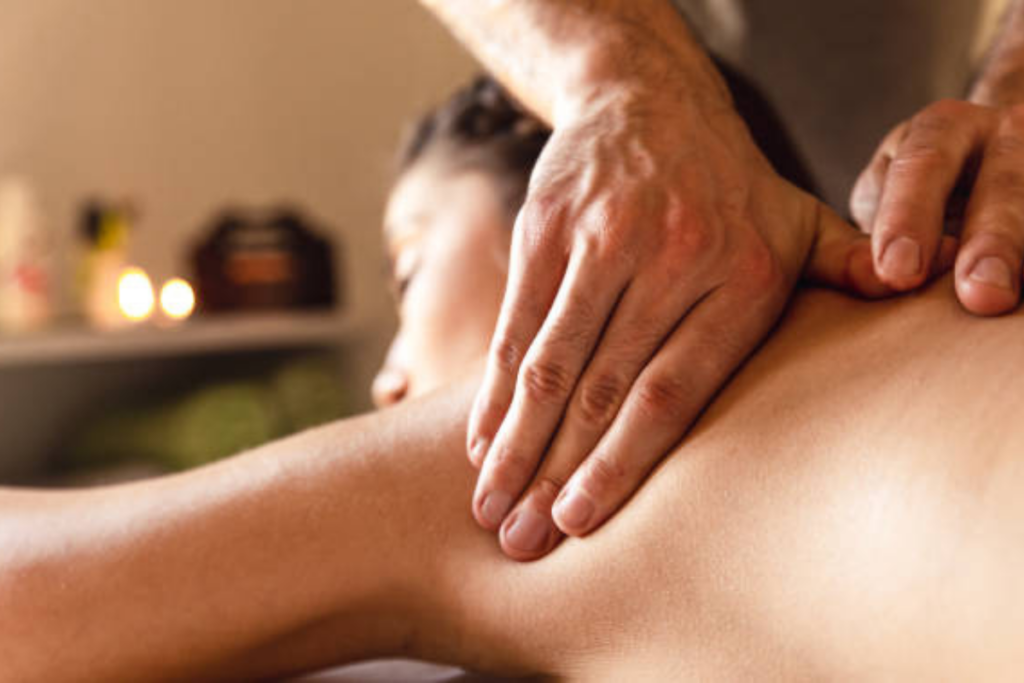
Yes. Medical massage therapy can help improve sleep quality by reducing stress, releasing muscle tension, improving blood flow, and boosting serotonin and melatonin — the hormones that help your body fall asleep naturally.
How Massage Supports Better Sleep
✔ Lowering stress hormones (cortisol)
✔ Boosting serotonin and melatonin (sleep hormones)
✔ Easing neck, shoulder, or back pain that keeps you awake
✔ Calming the nervous system for deep relaxation
✔ Improving blood circulation so your body can rest
Unlike sleep pills, which often just “force sleep,” massage therapy helps your body enter sleep naturally by resetting the nervous system.
What Does Science Say About Massage & Sleep?
Studies show that massage therapy doesn’t just make people feel relaxed — it changes how the body functions during sleep. It helps reduce brain arousal, supports melatonin production, and improves overall sleep quality.
| Who Was Studied | What Improved After the Massage |
|---|---|
| Postpartum women | Better sleep quality and deeper relaxation |
| ICU patients | Less anxiety and better sleep after just one session |
| Adults with insomnia | Better sleep efficiency and reduced time to fall asleep |
| Poor sleepers (college adults) | Reduced brain arousal, faster sleep onset (EEG measured) |
How Medical Massage Works to Support Better Sleep
Massage therapy activates the parasympathetic nervous system — also called the “rest and relax” system. This helps the body feel safe, calm, and ready for sleep.
| How the Body Responds | What It Means for Sleep |
|---|---|
| Lowers cortisol | Less stress, fewer racing thoughts |
| Boosts serotonin | Helps produce melatonin, the sleep hormone |
| Relaxes muscles | Less pain and discomfort during sleep |
| Activates the parasympathetic system | Heart rate slows, body relaxes |
| Improves blood flow | Promotes comfort, relaxation, and rest |
Can Medical Massage Cure Sleep Disorders?
Massage therapy may not permanently cure all sleep disorders — especially medical ones like sleep apnea or narcolepsy — but it can greatly improve sleep quality, reduce symptoms, and support emotional, hormonal, and physical balance.
| Sleep Disorder Type | How Massage Helps | Cure? |
|---|---|---|
| Stress or anxiety-related insomnia | Relaxes the nervous system | Often reversible |
| Tension or pain-related sleep issues | Reduces pain & discomfort | In many cases |
| Restless Legs Syndrome (RLS) | Improves blood circulation | Helps, but not a cure |
| Sleep Apnea | Relaxes neck & airway muscles | Needs medical treatment |
| Narcolepsy | Improves comfort, reduces fatigue | Neurological condition |
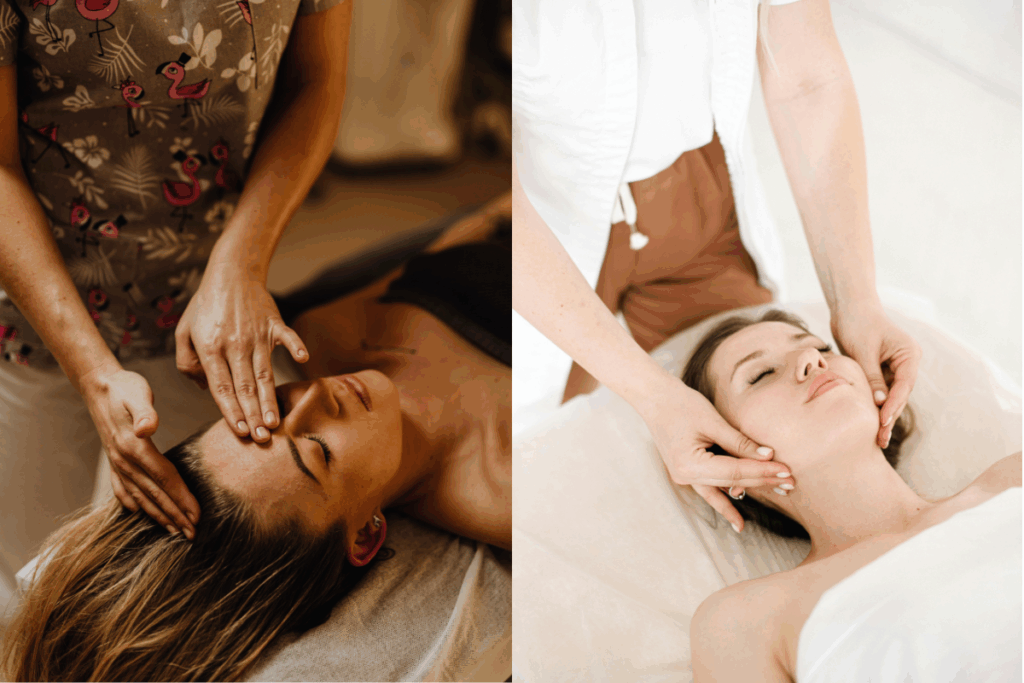
Massage Techniques Proven to Improve Sleep Quality
The results depend on the type of surgery, your healing speed, and when you start the massage. Most people start to notice small but clear changes after 2 to 3 sessions.
Here is what patients commonly report:
| Massage Type | Best For | How It Helps Sleep |
|---|---|---|
| Swedish Massage | Stress, insomnia, anxiety | Lowers cortisol, boosts serotonin |
| Acupressure Massage | RLS, nerve-related insomnia | Stimulates sleep-specific pressure points |
| Deep Tissue Massage | Pain-related sleep issues | Relieves muscle knots & chronic tension |
| Reflexology (Foot Massage) | Nervous system imbalance | Regulates sleep-wake rhythm & melatonin |
Who Should Consider Medical Massage for Sleep Disorders?
You may benefit from massage therapy if you experience:
Physical Causes
✔ Post-surgery discomfort affecting sleep
✔ Restless Legs Syndrome (RLS)
✔ Muscle stiffness or tension
Mental or Emotional Causes
✔ Difficulty relaxing before bed
✔ Burnout or sensory overload
✔ Light, broken, or non-restorative sleep
Lifestyle-Related Sleep Issues
✔ Irregular schedule or shift work
✔ Poor sleep environment
✔ Reliance on sleep medications
When Medical Massage May Not Be Enough Alone
✔ Severe sleep apnea
✔ Narcolepsy or neurological sleep disorders
✔ Hormonal disorders like thyroid imbalance
✔ Sleep issues caused by certain medications
How to Get Started with Medical Massage for Better Sleep
Consult a Licensed Massage Therapist or Sleep Specialist
They will help you understand:
✔ Is your insomnia stress-based or pain-based?
✔ Which massage technique will help you?
✔ How often should you get therapy?
Choose the Right Massage Frequency
| Sleep Issue | Suggested Frequency |
|---|---|
| Stress/Anxiety Insomnia | 1–2 sessions per week |
| Pain or Tension-Related Sleep Issues | 2–3 sessions weekly (initially) |
| Long-term Sleep Disorders | Weekly or bi-weekly |
| Post-Surgery Sleep Problems | Customized treatment plan |
Combine Massage with Bedtime Relaxation Techniques
Massage works even better when paired with restful habits like:
- Light stretching or yoga
- Guided breathing or meditation
- Avoiding screen time an hour before bed
- Using calming essential oils like lavender during a massage
Track Your Sleep Progress
Keep a simple sleep journal to monitor changes such as:
How quickly you fall asleep
Total sleep duration
Fewer wake-ups at night
Better mood on waking
Be Patient — Sleep Results Build Over Time
Many people feel better after 2–3 sessions, but deeper improvements — like reduced insomnia and fewer wake-ups — are usually seen after 4–6 weeks of consistent therapy.
FAQs
Can massage cure sleep disorders?
Massage may not fully cure medical sleep disorders but can significantly improve sleep quality and reduce symptoms like stress, pain, and anxiety.
How fast does massage help with sleep?
Some people feel more relaxed after the first session. Noticeable sleep improvements usually appear within 2–6 weeks.
Which massage type is best for sleep?
Swedish massage, aromatherapy massage, and relaxation massage are the most effective for insomnia and stress-related sleep problems.
Can massage help with sleep apnea?
It cannot cure sleep apnea, but it may reduce neck and muscle tension that worsens breathing.
Is massage therapy safe for everyone?
Generally, yes, but people with heart issues, infections, or blood clots should consult a doctor first.
A Better Night’s Sleep Starts with Small Steps
You don’t have to live with sleepless nights forever. Sometimes, relief doesn’t come from stronger medication — it comes from calming your body, quieting your mind, and restoring balance naturally.
Medical massage doesn’t just relax muscles — it helps your body feel safe, calm, and ready for rest.
Want to experience how massage can improve your sleep naturally?
Book your first session and start your journey to restful nights today.