Long Hours, Aching Shoulders—Sound Familiar?

Grading season can feel like a mental and physical marathon. Between stacks of essays, digital rubrics, and late-night reports, many educators spend hours hunched over desks, laptops, or kitchen tables. And while the grades may be done on time, the toll on your body builds quietly—until the tension becomes impossible to ignore.
Neck stiffness. Tight shoulders. Lower back pain. Headaches. Sound familiar?
The truth is, our bodies aren’t designed to sit and lean forward for hours. Poor posture, repetitive movements, and lack of breaks often lead to inflammation, fatigue, and chronic discomfort—especially during high-stress periods like grading season.
Why Massage Therapy Is a Game-Changer for Educators
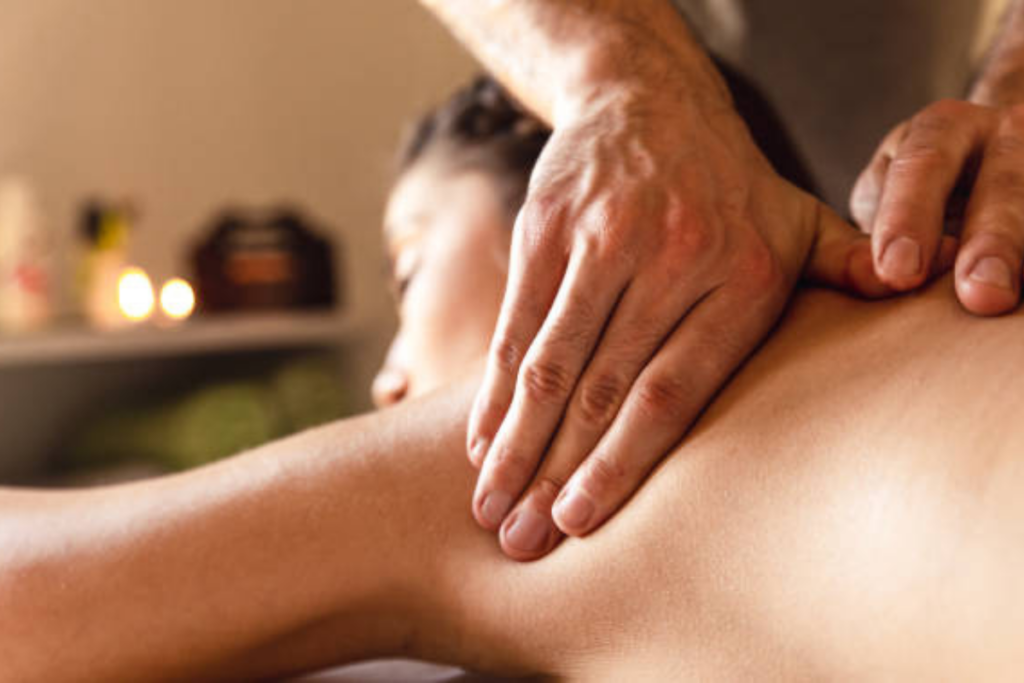
Massage therapy isn’t just about relaxation (although that part feels amazing too). It’s a targeted, evidence-backed way to reset the body when stress and tension pile up.
Here’s how massage helps teachers recover during intense work periods:
- Releases tight muscles from prolonged sitting and typing
- Improves circulation, helping oxygen and nutrients reach fatigued tissues
- Reduces stress hormones like cortisol, promoting mental clarity and better sleep
- Corrects postural imbalances, especially in the neck, shoulders, and lower back
Even one session can ease discomfort—but regular sessions during grading season? That’s where the real magic happens.
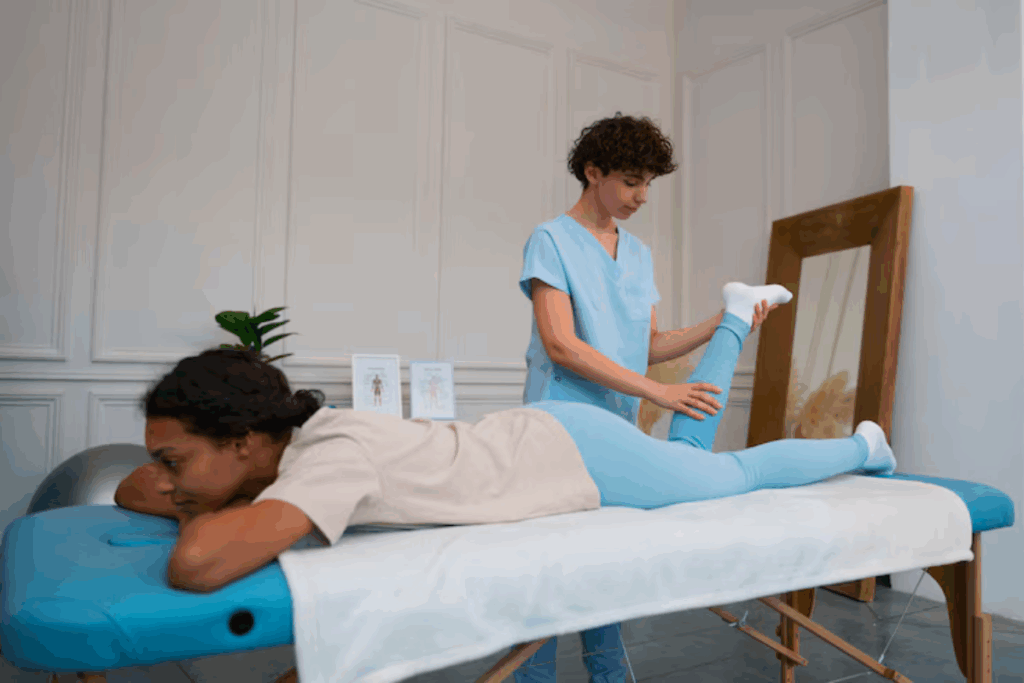
Grading strain? Massage relieves teachers’ neck and back pain—boosting focus and energy.
Which Massage Techniques Work Best for Grading Strain?
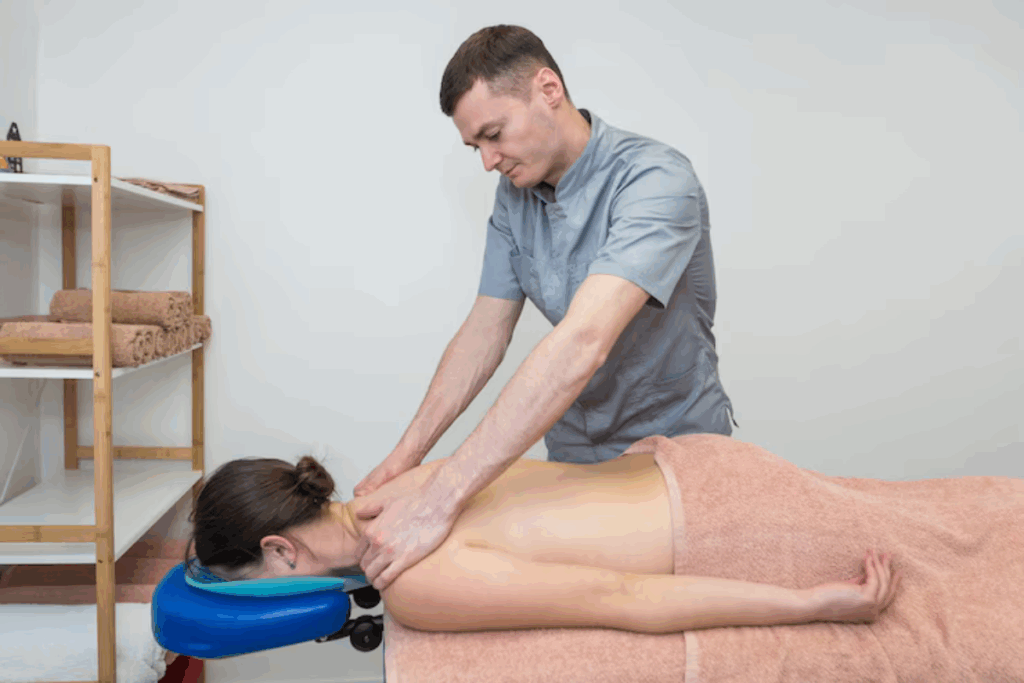
Not all massages are the same. Depending on your tension level and preferences, here are a few options worth considering:
1. Deep Tissue Massage
Great for chronic tightness, especially in the upper back and hips. This technique targets deeper layers of muscle and fascia, breaking up knots that cause pain and stiffness.
2. Trigger Point Therapy
Ideal for “hot spots” of pain, like between the shoulder blades or at the base of the skull. Gentle pressure is applied to specific points to release tension and improve mobility.
3. Swedish Massage
A soothing, full-body approach that promotes circulation and relaxation—perfect for teachers needing a full reset without too much intensity.
4. Neck & Shoulder Focused Sessions
If grading has you in a seated slump, a focused massage session on your neck, shoulders, and upper back can quickly reduce tension and improve posture.
Why Regular Massage Matters During Peak Workload Times

Grading marathons aren’t one-and-done. The workload builds week after week. That’s why consistent self-care makes such a difference.
Benefits of Regular Sessions:
- Keeps tension from becoming chronic
- Supports your immune system during high-stress periods
- Improves sleep quality, helping you stay sharp during long days
- Helps prevent injury from repetitive stress and poor posture
Think of massage as maintenance—not just a treat. A regular 30- or 60-minute session can help your body keep up with your mind during demanding weeks.
Book a wellness sessions tailored to educators’ needs—because your body deserves a break, too.
FAQs: Massage Therapy for Teachers
1. How soon can I feel relief after a massage?
Many teachers feel better immediately after one session, especially in high-tension areas like the neck and shoulders.
2. Is massage safe if I have chronic back pain?
Yes, therapeutic massage can be customized to support chronic conditions. Always communicate your needs during your session.
3. What’s the best frequency for massage during grading season?
Weekly or biweekly sessions are ideal for preventing tension buildup. Even once every two weeks can make a big difference.
4. Do I need to book a full hour?
Not at all. Even a focused 30-minute session on your upper back and neck can bring relief and boost energy.
5. Will massage help with posture problems?
Yes. Massage helps release tight muscles that pull your posture out of alignment, especially from sitting or leaning over.
6. What should I wear to a massage appointment?
Wear comfortable clothing. You’ll be covered during the session, and your therapist will guide you through everything.
7. Is massage just for stress relief?
No—it also supports better mobility, circulation, sleep, and injury prevention. It’s wellness care, not just self-care.
8. Can massage help with grading-related headaches?
Yes. Releasing neck and shoulder tension can significantly reduce the frequency and intensity of tension headaches.
9. Does Circle Wellness MD offer teacher-specific services?
Yes, sessions are designed around the physical and emotional demands teachers face—especially during peak work periods.
Take Care of Your Body—It’s the Only One You’ve Got
Grading may come with the territory, but discomfort and burnout don’t have to. Prioritizing your physical well-being—especially during the most demanding times—can lead to more than just short-term relief. It lays the groundwork for long-term energy, better sleep, and sustained focus. When your body feels supported, your mind and emotions follow. You respond with more patience, think more clearly, and move through your day with less strain.
Self-care isn’t selfish—it’s essential. You show up for your students with dedication and heart every single day. You deserve to feel strong, grounded, and cared for in return. Taking time for massage, mindful movement, or simple rest helps protect the most important resource you bring to the classroom: you. Let this be your reminder that your well-being matters—not just because of what you do, but because of who you are.