Your hand falls asleep at night.
Your fingers tingle while driving, typing, or holding your phone.
Your grip feels weaker than it used to, and simple tasks take more effort.
If you’ve been told you have carpal tunnel syndrome, you may already be wearing a brace, adjusting your workstation, or considering next steps. Your tests might show “mild” or “moderate” compression—but your symptoms feel very real.
Carpal tunnel syndrome isn’t just about the wrist. It involves the median nerve, surrounding tendons, forearm muscles, posture, and repetitive strain that builds quietly over time.
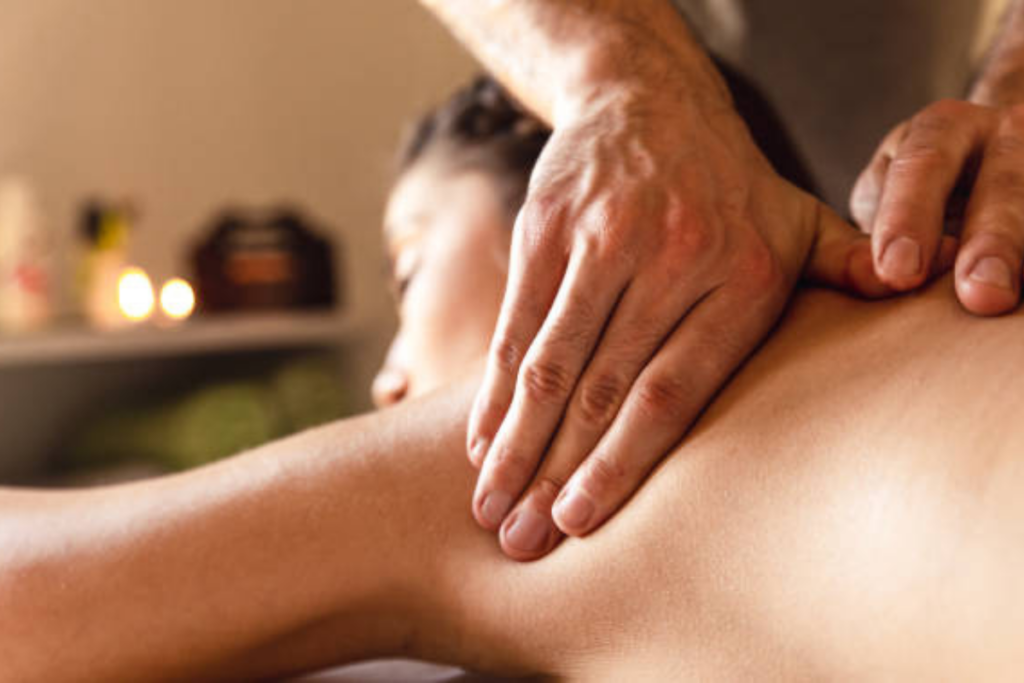
Medical massage can’t replace medical treatment—but it can help address the muscle tension and tissue restriction that contribute to pressure on the nerve. So what does massage therapy actually do for carpal tunnel syndrome?
Let’s take a closer look.
What Is Medical Massage for Carpal Tunnel Syndrome?
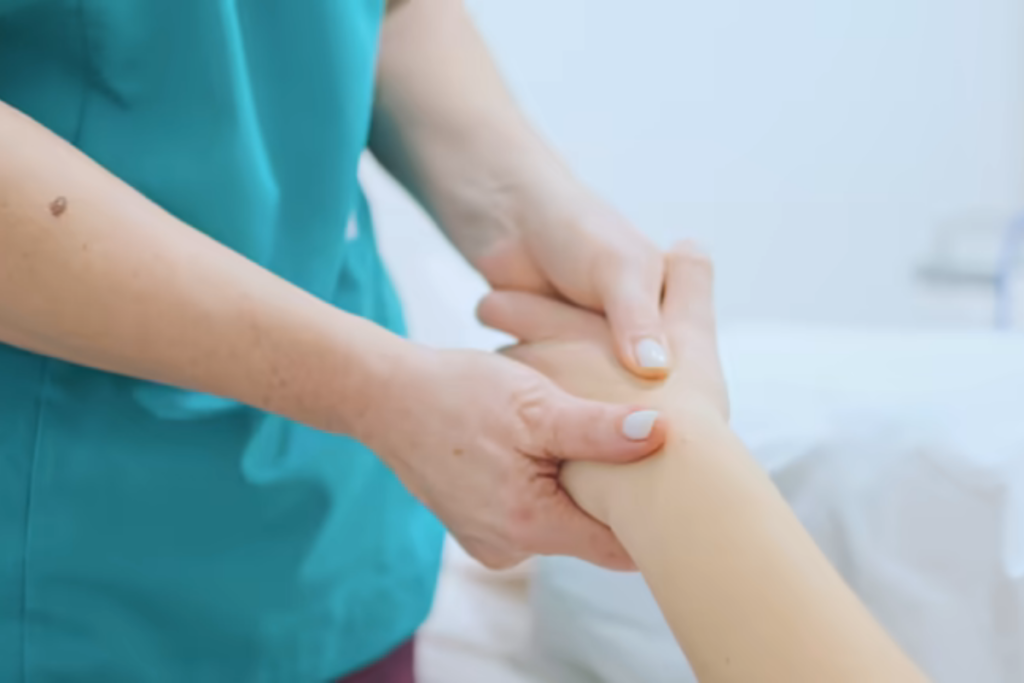
Treatment commonly focuses on:
- The forearm flexor muscles
- The wrist and palm
- The elbow and upper arm
- The neck and shoulder region (where nerve tension often starts)
Medical massage aims to:
- Reduce muscle tightness that increases pressure on the median nerve
- Improve tissue glide around tendons and nerves
- Support circulation and healing
- Calm the nervous system’s pain response
- Complement bracing, activity modification, and medical care
What Happens in the Body With Ongoing Carpal Tunnel Symptoms
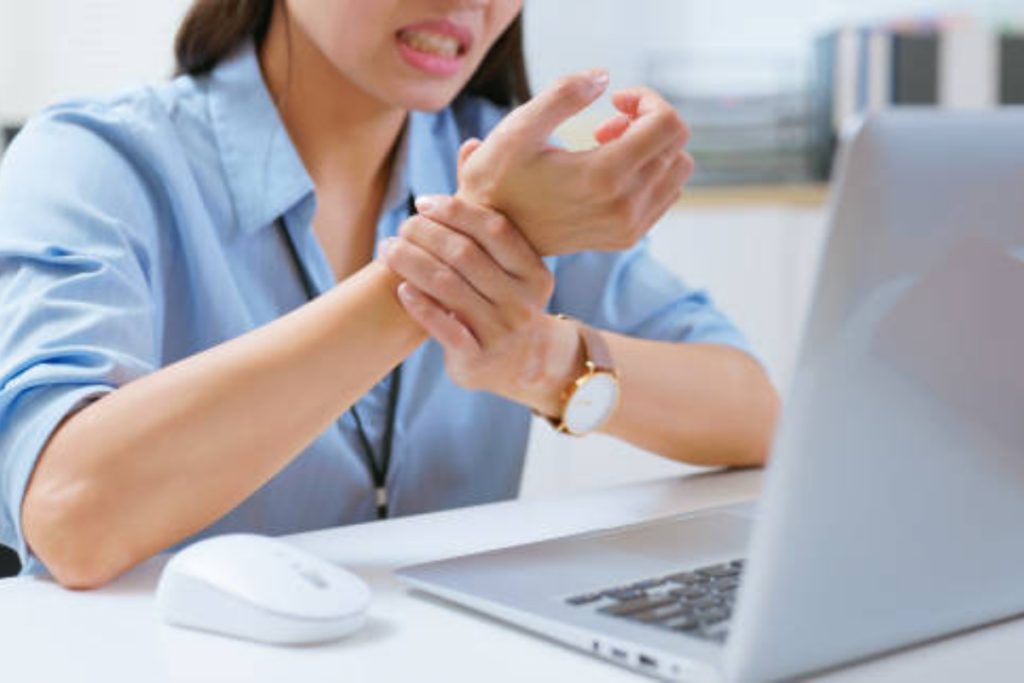
Carpal tunnel syndrome develops gradually. Repetitive hand use, gripping, typing, vibration exposure, or prolonged wrist positioning all play a role—but the body’s response matters just as much.
Over time, several changes often occur:
Forearm muscles become overworked
The muscles that bend your fingers and wrist tighten from repeated use. As they fatigue, tension increases along the tendons that pass through the carpal tunnel.
Tendon swelling reduces nerve space
Inflamed or restricted tendons take up more room in the carpal tunnel, leaving less space for the median nerve.
Nerve sensitivity increases
Compressed nerves become more reactive. Tingling, burning, or numbness may appear even with light activity.
Grip strength decreases
Pain and nerve irritation can inhibit muscle activation, making hands feel weak or clumsy.
Posture adds strain
Rounded shoulders or forward head posture increase tension along the nerve pathway from the neck to the hand.
Even if imaging or nerve tests show “early” changes, these muscular and postural factors can keep symptoms active.
How Medical Massage May Help
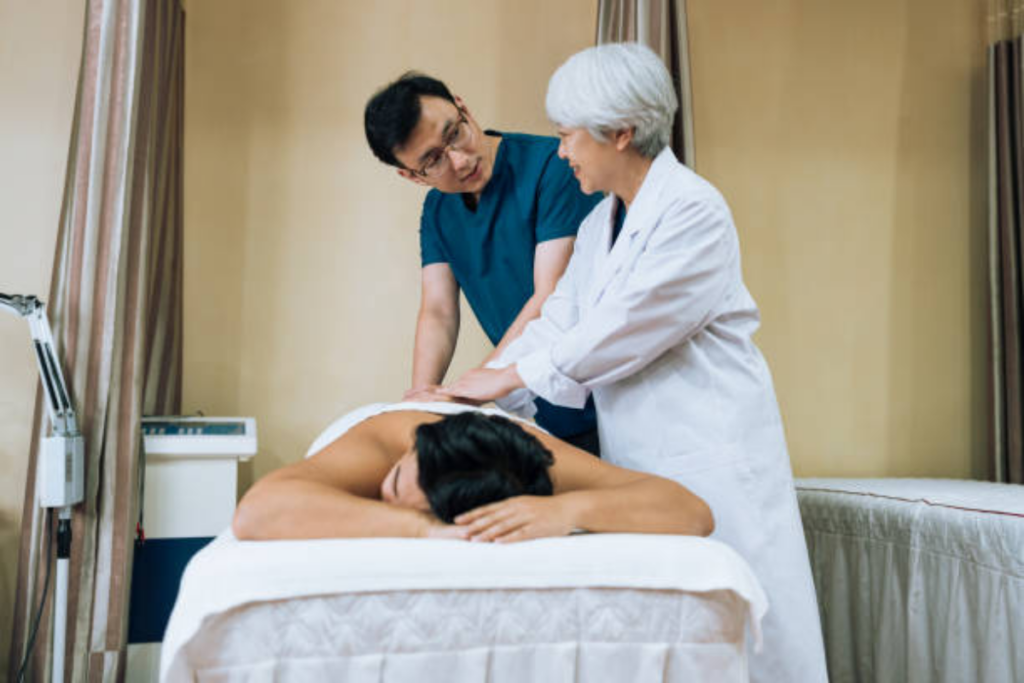
Medical massage works on the muscles, fascia, and nervous system that influence nerve pressure—especially above and below the wrist.
It may help in several ways:
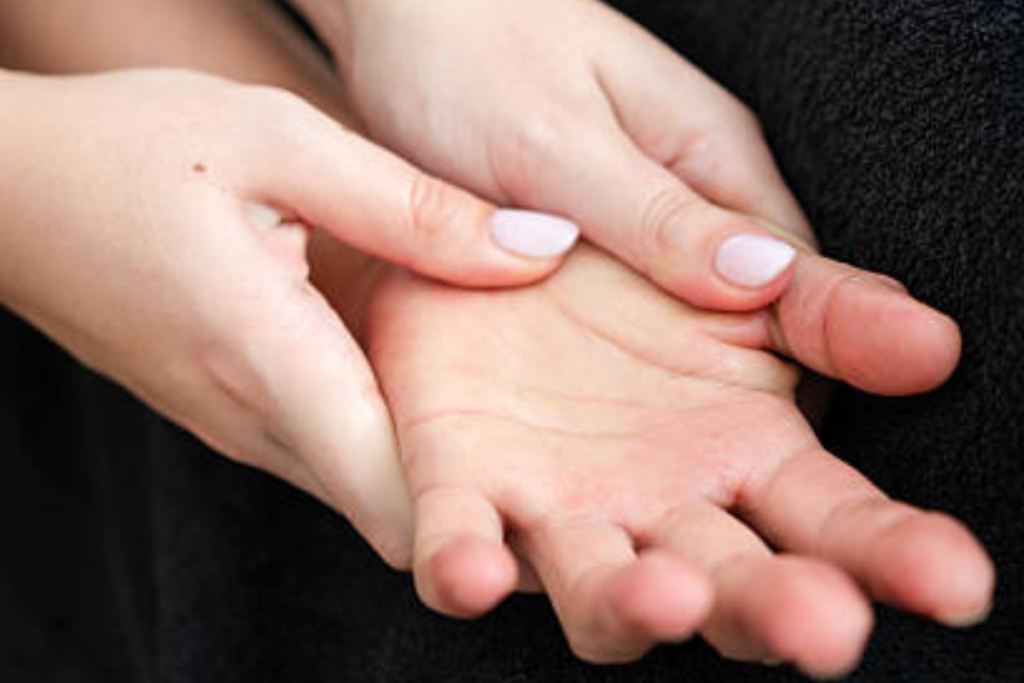
Releases forearm and wrist tension
Reducing tightness in the flexor muscles can decrease mechanical pressure on tendons and nerves.
Improves tissue mobility
Gentle myofascial techniques help tissues glide more freely, reducing friction inside the carpal tunnel.
Supports nerve comfort
When surrounding muscles relax, nerves often tolerate movement and activity better.
Addresses contributing posture
Working through the shoulder, neck, and upper arm can reduce tension along the entire nerve pathway.
Calms pain signaling
Massage supports nervous-system regulation, which can reduce the intensity of tingling or burning sensations.
Complements medical care
Massage works best alongside splinting, ergonomic changes, exercises, and physician-guided treatment.
Massage doesn’t “fix” the tunnel—but it can make the environment around the nerve far less hostile.
When Should You Consider Medical Massage?
Medical massage may be helpful if:
- Your carpal tunnel symptoms are mild to moderate and medically stable
- You experience forearm tightness, wrist stiffness, or hand fatigue
- Bracing provides partial relief, but symptoms persist
- You prefer conservative care before considering injections or surgery
- Your healthcare provider has cleared you for manual therapy
Important:
Always consult your healthcare provider before starting massage therapy—especially if symptoms are worsening, muscle strength is rapidly declining, numbness is increasing, or surgery is being considered.
Types of Massage That Help Most With Carpal Tunnel Syndrome
| Massage Type | Best For | When It’s Used | How It Helps |
|---|---|---|---|
| Myofascial Release (Forearm & Wrist) | Tight muscles, restricted movement | Early to moderate symptoms | Uses slow pressure to reduce tissue restriction and improve glide |
| Trigger Point Therapy | Forearm knots, grip pain | When muscle tension is dominant | Reduces localized tension contributing to nerve pressure |
| Manual Nerve-Friendly Techniques | Tingling, nerve irritation | With stable symptoms | Supports nerve comfort without overstimulation |
| Upper Body Postural Work | Shoulder or neck tension | When posture contributes | Reduces strain along the nerve pathway |
| Gentle Swedish Massage | Stress-related symptom flares | Any time symptoms are stable | Calms the nervous system and reduces pain sensitivity |
Aggressive wrist pressure is avoided. Precision matters more than intensity.
When to Avoid or Modify Massage
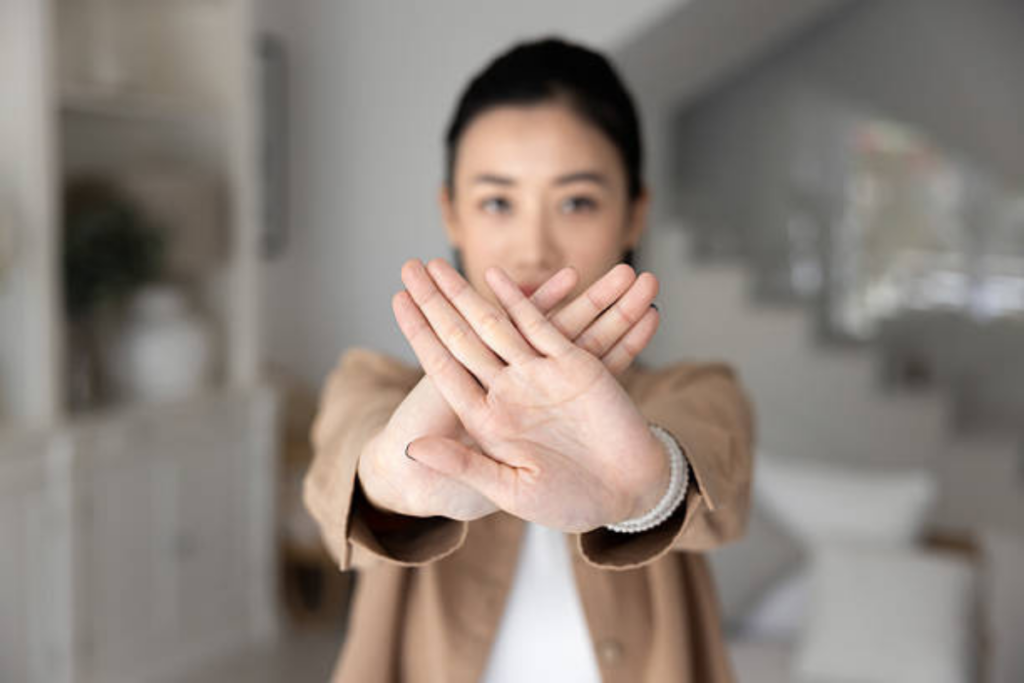
Massage should be postponed or adjusted if:
- Symptoms are rapidly worsening
- You have constant numbness or muscle wasting
- There is severe weakness or loss of coordination
- You have acute inflammation or recent injury
- Your doctor advises against manual therapy
A skilled therapist will screen carefully and adapt treatment to your condition.
When to Expect Results
Results vary, but many people notice changes in comfort and function before nerve tests change.
After 1–2 sessions
- Reduced forearm tightness
- Less nighttime hand discomfort
- Improved sense of circulation
After 3–5 sessions
- Less frequent tingling
- Improved grip comfort
- Better tolerance for daily tasks
After 6+ sessions
- More consistent symptom control
- Reduced reliance on constant bracing
- Improved hand endurance
Massage won’t reverse structural compression—but it can make symptoms far more manageable.
Signs Medical Massage Is Supporting Your Hands
You may notice:
- Fewer nighttime wake-ups from hand numbness
- Less tingling during repetitive tasks
- Reduced forearm soreness
- Improved hand strength or coordination
- Tasks like typing or gripping feeling less draining
What to Do During Your First Session
To get the most benefit:
- Stay hydrated before and after sessions
- Wear comfortable clothing that allows arm access
- Communicate clearly about numbness or tingling
- Avoid pushing through pain during treatment
- Continue splinting, exercises, and medical care as directed
Note: Consistency matters more than aggressive treatment.
FAQs

Can massage cure carpal tunnel syndrome?
No. Massage is supportive, not curative—but it can reduce symptoms and delay progression.
Is massage safe for carpal tunnel?
Yes, when symptoms are stable and techniques are appropriate.
Can massage replace surgery or injections?
No. Massage works alongside medical care, not instead of it.
How many sessions are needed?
Some relief may appear in 2–3 sessions; functional improvement often takes 4–6.
Can I do self-massage at home?
Light forearm work can help, but deeper techniques should be guided by a professional.
Can massage help with nighttime numbness or tingling?
Yes. By reducing forearm and wrist tension, massage may help decrease nighttime nerve irritation that causes hands to fall asleep.
Will massage help if I work on a computer all day?
It can. Massage may ease muscle strain from repetitive typing and mouse use, especially when combined with ergonomic changes.
Is massage helpful for mild or early-stage carpal tunnel?
Yes. Conservative care like medical massage is often most effective in early or mild cases before nerve compression becomes severe.
Can massage make carpal tunnel symptoms worse?
It can if pressure is too aggressive or poorly targeted. Medical massage avoids deep or forceful techniques at the wrist.
How often should I get massage for carpal tunnel symptoms?
Many people start with weekly sessions and adjust frequency based on symptom response and medical guidance.
Supporting Function, Not Forcing Relief
Carpal tunnel syndrome doesn’t happen overnight—and relief doesn’t need to be aggressive to be effective.
Medical massage offers a measured, body-aware approach that supports nerve comfort, reduces muscular strain, and helps your hands work with less effort.
If you’re looking for conservative care that respects both your symptoms and your medical plan, medical massage may be a valuable part of your recovery.