
Do you feel sore everywhere, exhausted even after rest, and overwhelmed by touch or stress?
Living with fibromyalgia often means your body hurts without a clear reason. Muscles ache, joints feel sore, and even light touch can feel overwhelming. You may wake up tired despite sleeping, feel foggy during the day, and notice pain shifting from one area to another.
Many people with fibromyalgia are told their tests look “normal.” That can be frustrating when your pain is very real. Fibromyalgia is not caused by joint damage or muscle injury—it’s linked to how the nervous system processes pain and stress.
Over time, the body becomes stuck in a heightened state of alert. Muscles stay tense. Pain signals amplify. Rest doesn’t feel restorative. Medical massage helps by working with this nervous-system overload, not against it.
What Fibromyalgia Really Means for the Body
Common features of fibromyalgia include:
- Widespread muscle pain and tenderness
- Heightened sensitivity to pressure, temperature, or touch
- Fatigue that does not improve with rest
- Poor or unrefreshing sleep
- Brain fog and difficulty concentrating
- Increased pain during stress or emotional strain
Because the nervous system stays in a heightened state of alert, muscles often remain tense as a protective response. This constant tension reduces circulation, increases stiffness, and amplifies pain signals.
Over time, this creates a cycle: pain leads to tension, tension leads to fatigue and poor sleep, and poor sleep further increases pain sensitivity. Effective care focuses on calming this cycle rather than forcing the body to tolerate more stimulation.
Is Medical Massage Effective for Fibromyalgia?
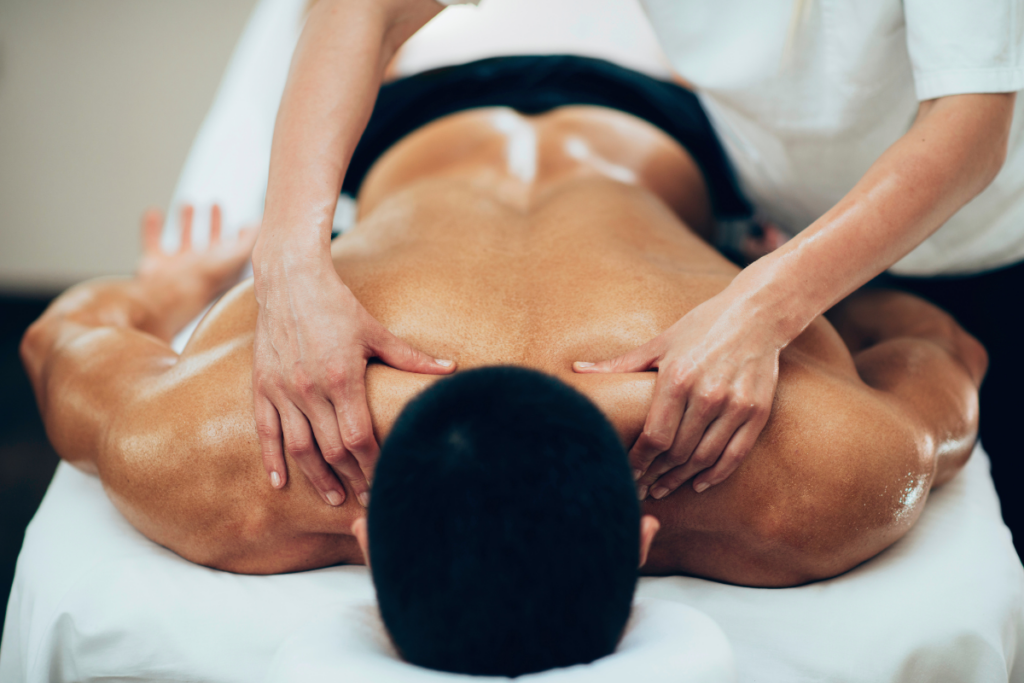
Medical massage can be effective for fibromyalgia when it is adapted specifically for nervous-system sensitivity. Research and clinical experience show that gentle, consistent bodywork can help reduce pain perception, improve relaxation, and support better sleep.
Unlike deep tissue massage, medical massage for fibromyalgia emphasizes:
- Light to moderate pressure
- Slow, predictable movements
- Nervous-system regulation
- Avoidance of aggressive techniques
When the body feels safe, pain signaling often decreases. Many people report that while massage may not eliminate pain entirely, it reduces its intensity and frequency and makes symptoms easier to manage.
Medical massage is most effective when used as part of a broader care plan that may include medical treatment, gentle movement, stress management, and sleep support.
Fibromyalgia Symptoms That Respond Well to Medical Massage

| Common Symptoms | How Medical Massage Helps |
|---|---|
| Widespread muscle pain | Reduces muscle guarding and pain sensitivity |
| Tender points | Uses gentle techniques to avoid overstimulation |
| Chronic fatigue | Improves circulation and nervous-system balance |
| Poor sleep | Promotes relaxation and parasympathetic response |
| Headaches and neck pain | Releases tension without deep pressure |
| Stress-related flares | Helps regulate stress response |
Massage is always adapted to your tolerance. Less pressure often leads to better results.
Benefits of Medical Massage for Fibromyalgia
Medical massage supports fibromyalgia care by working with the nervous system first and the muscles second. Key benefits include:
Calming the Nervous System
Reducing Muscle Tension
Improving Circulation
Supporting Better Sleep
Lowering Stress Hormones
Improving Daily Comfort
Consistency matters more than intensity. Shorter, regular sessions often produce better results than infrequent, aggressive treatments.
What a Medical Massage Session for Fibromyalgia Looks Like
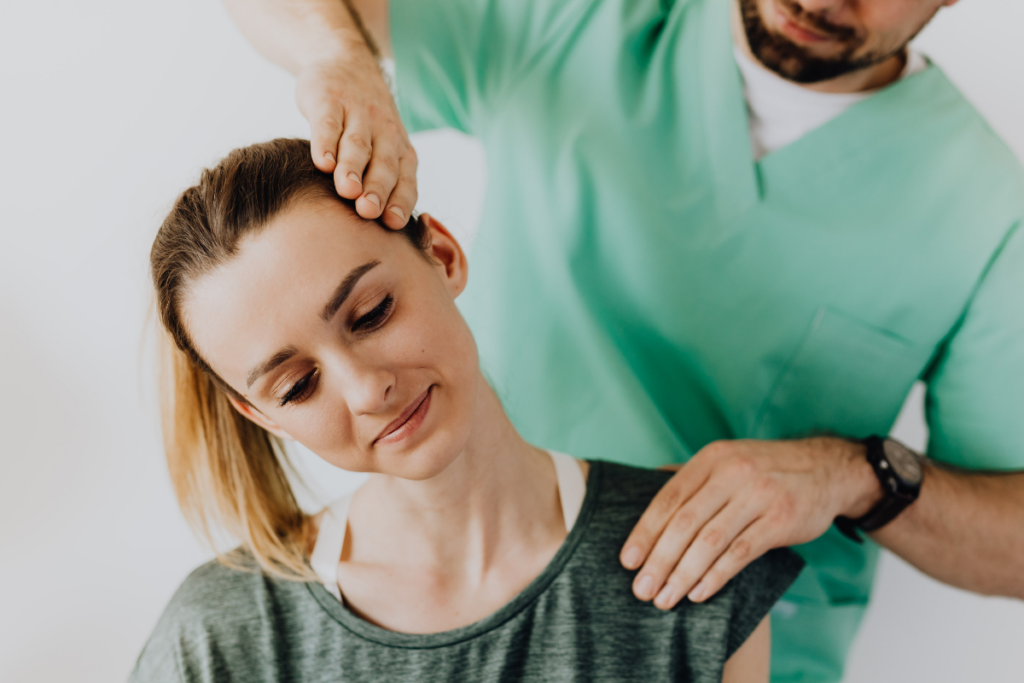
Medical massage for fibromyalgia is slow, gentle, and carefully paced.
Step 1: Symptom Review
Your therapist reviews:
- Pain patterns and flare triggers
- Sensitivity to touch or pressure
- Sleep quality and fatigue levels
- Stress and sensory overload
This guides how gentle the session needs to be.
Step 2: Creating a Safe Environment
Sessions are done in a calm, quiet setting. Sudden movements, cold hands, or intense pressure are avoided to prevent nervous-system spikes.
Step 3: Gentle, Regulating Techniques
Techniques may include:
- Light to moderate Swedish-style strokes
- Myofascial techniques with minimal pressure
- Nervous-system calming holds
- Slow rhythm to avoid overstimulation
Deep tissue work is typically avoided unless clearly tolerated.
Step 4: Nervous System Support
The therapist focuses on helping the body shift out of fight-or-flight. Many clients report feeling deeply relaxed or emotionally lighter after sessions.
Step 5: Gradual Care Plan
Frequency is adjusted carefully. Progress is measured by:
- Reduced flare intensity
- Improved sleep
- Less daily pain reactivity
Consistency matters more than intensity.
Can Medical Massage Make Fibromyalgia Worse?

Yes, massage can worsen fibromyalgia symptoms if it is too aggressive or poorly adapted. Deep tissue techniques, rapid movements, or “pushing through pain” can overstimulate the nervous system and trigger flares.
Warning signs include:
- Increased pain after sessions
- Flu-like soreness lasting days
- Hightened fatigue or brain fog
- Increased sensitivity to touch
Medical massage avoids these risks by prioritizing gentleness, communication, and nervous-system regulation. If a session feels overwhelming, pressure should always be reduced or stopped.
When Massage Should Be Modified or Avoided
Massage should be modified or delayed if:
- You are in a severe flare with extreme sensitivity
- Touch feels painful even at very light pressure
- You have fever, infection, or unexplained new symptoms
- Your healthcare provider advises against bodywork
A trained therapist will always adjust techniques and may recommend postponing sessions during intense symptom spikes.
FAQs

1. Is massage safe for fibromyalgia?
Yes, when performed gently and adapted to sensitivity levels.
2. Can massage make fibromyalgia worse?
Overly deep or aggressive massage can trigger flares. Medical massage avoids this.
3. How often should someone with fibromyalgia get massage?
Many benefit from shorter, more frequent sessions initially.
4. Does massage help fibromyalgia fatigue?
By calming the nervous system and improving sleep, many people notice improved energy.
5. What type of massage is best for fibromyalgia?
Gentle medical massage, light Swedish techniques, and nervous-system–focused bodywork are best. Deep tissue or aggressive pressure can worsen symptoms.
6. Can massage help fibromyalgia tender points?
Yes. When done carefully, massage can reduce sensitivity around tender points by calming pain signaling rather than applying strong pressure directly.
7. Can massage improve sleep with fibromyalgia?
Yes. Massage supports relaxation and parasympathetic nervous system activity, which can improve sleep quality and reduce nighttime pain.
8. How long do massage benefits last for fibromyalgia?
Effects vary, but consistent sessions often lead to longer-lasting relief, fewer intense flares, and improved daily comfort over time.
9. Should massage be combined with other fibromyalgia treatments?
Yes. Massage works best alongside medical care, gentle movement, stress management, and sleep support.
10. Is medical massage different from spa massage for fibromyalgia?
Yes. Medical massage is slower, more intentional, and adapted to pain sensitivity, while spa massage often uses pressure that may be too intense.
Supporting Calm, Not Forcing Relief
Fibromyalgia is complex, and there’s no single solution. But when the nervous system is supported, pain becomes more manageable.
Medical massage offers a gentle, body-respecting way to reduce tension, calm pain signals, and improve daily comfort—without pushing your body beyond its limits.
If you’re seeking supportive care that understands fibromyalgia, medical massage may be a meaningful part of your plan. Consider speaking with our provider and scheduling a session with our licensed therapist to see how your body responds.