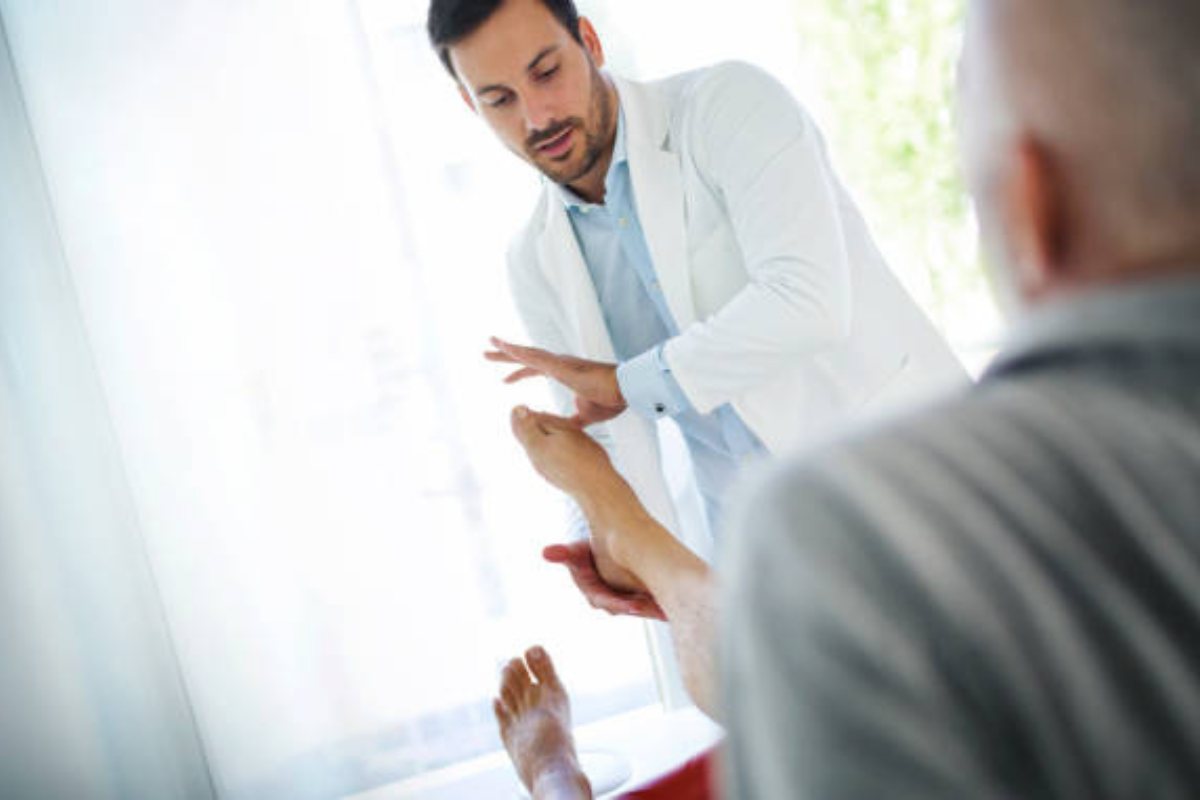
You feel burning, tingling, numbness, or electric-like sensations that don’t always make sense. Your feet may feel heavy or unsteady. Your hands may ache, buzz, or go numb without warning.
If you’ve been diagnosed with neuropathy, you may have been told the nerves are “damaged” or “irritated.” Medications may help somewhat—but symptoms often linger, especially at night or during daily activities. Neuropathy doesn’t only affect nerves. It also impacts muscles, circulation, posture, and the nervous system’s sensitivity to pain.
Medical massage can’t repair damaged nerves—but it can help reduce the physical and nervous-system stress surrounding them. So what does massage therapy actually do for neuropathy?
Let’s walk through it.
What Happens in the Body With Neuropathy
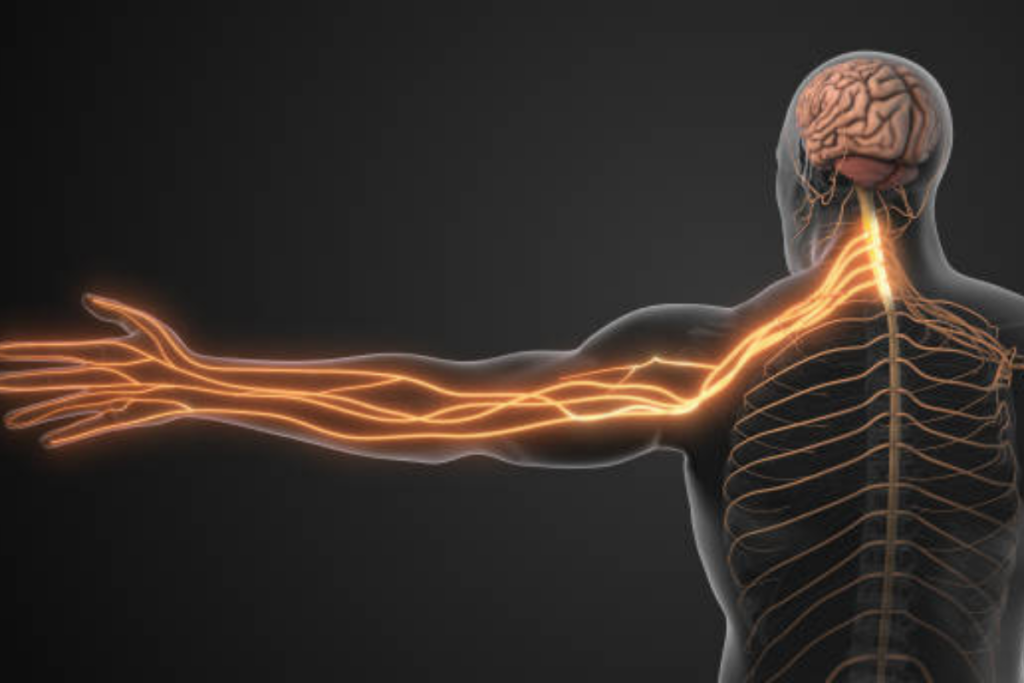
Neuropathy occurs when nerves are damaged or irritated due to conditions such as diabetes, chemotherapy, autoimmune disorders, injury, or spinal issues.
Over time, several changes often develop:
● Nerve signaling becomes distorted
Messages between the body and brain may become exaggerated, delayed, or unclear—leading to burning, tingling, numbness, or shooting pain.
● Muscles tighten defensively
Pain or numbness causes muscles to guard, which reduces circulation and increases stiffness.
● Circulation may decrease
Reduced movement and muscle tension can limit blood flow, especially in the feet and hands.
● Balance and coordination may suffer
Poor sensation in the feet increases fall risk and makes walking more effortful.
● Stress amplifies symptoms
Chronic nerve pain activates the stress response, which can heighten pain sensitivity and worsen flares.
Even when the underlying cause is being treated, these secondary effects can keep symptoms active.
What Is Medical Massage for Neuropathy?
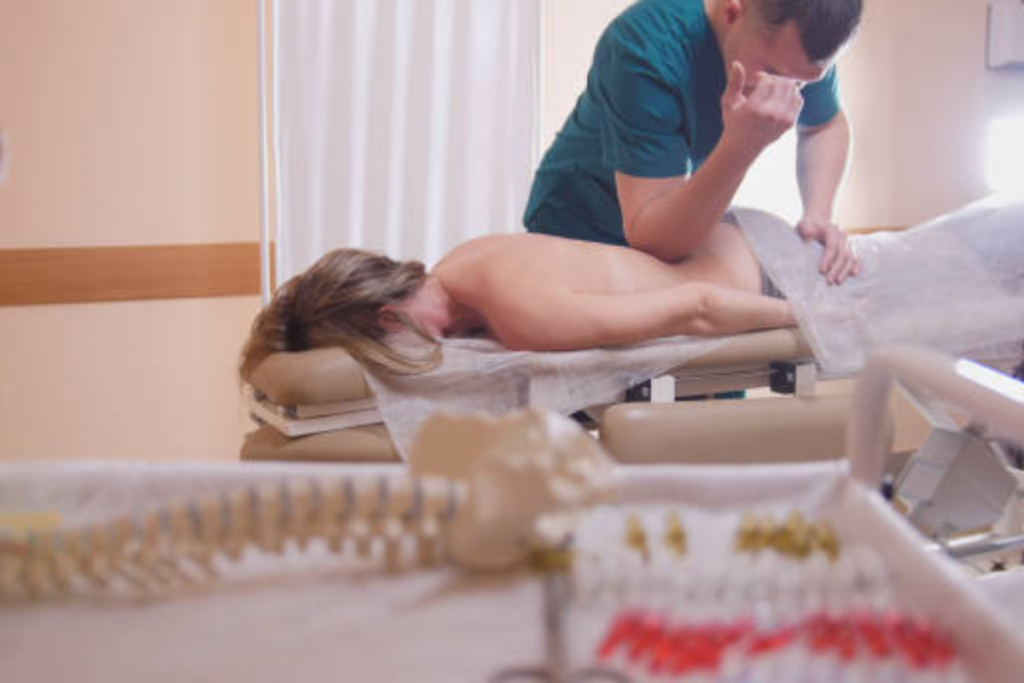
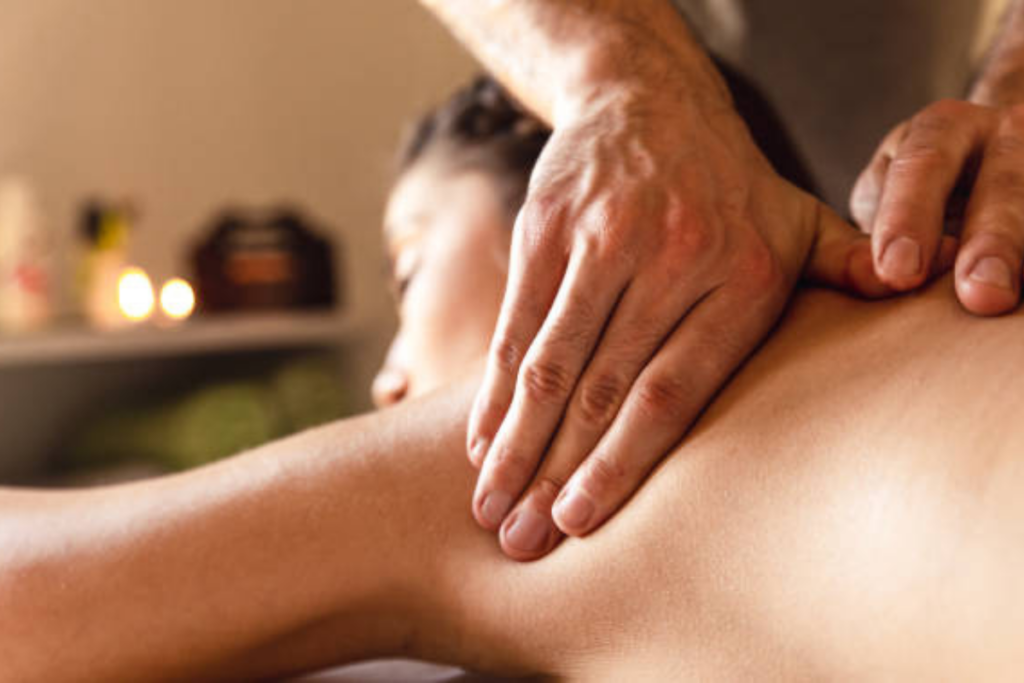
Medical massage for neuropathy is a carefully adapted, therapeutic approach that focuses on comfort, circulation, and nervous-system regulation—not deep pressure or aggressive techniques.
Sessions are designed around:
- The affected areas (feet, legs, hands, or arms)
- Surrounding muscles that may tighten to protect painful nerves
- Circulation and fluid movement
- Nervous-system calming
Medical massage aims to:
- Reduce muscle tension that worsens nerve irritation
- Improve blood and lymphatic flow to affected tissues
- Calm overactive pain signaling
- Improve body awareness and comfort
- Support medical and neurological care
Because neuropathy increases sensitivity, pressure is always adjusted. The goal is safety, predictability, and support—without forcing sensation.
How Medical Massage How Medical Massage May Help Neuropathy
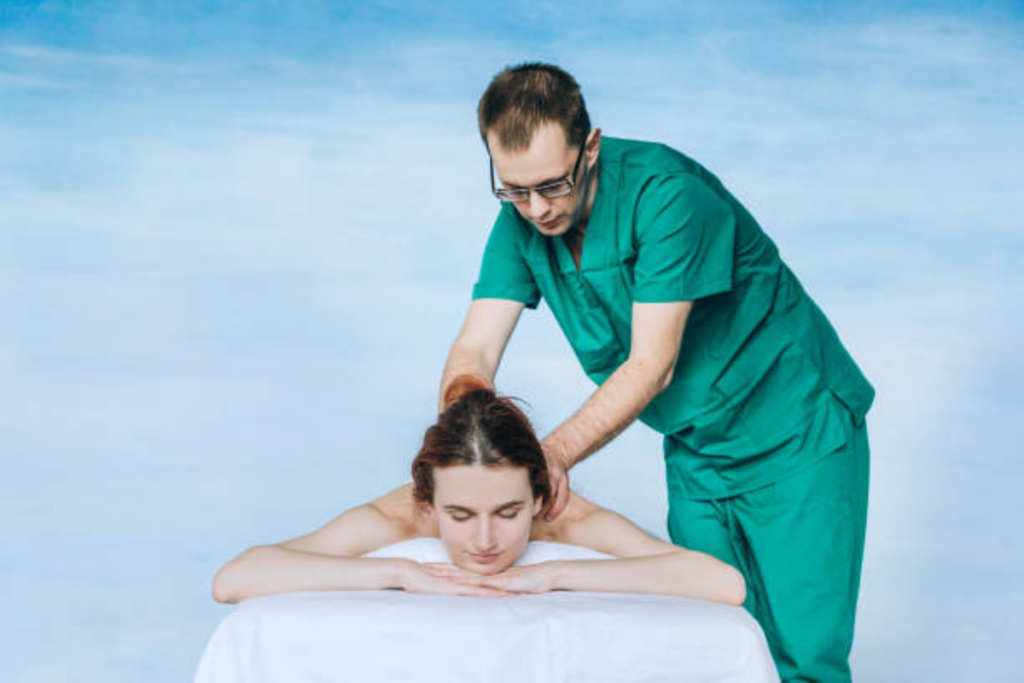
Medical massage works on the surrounding environment of the nerves, helping the body respond more calmly to nerve signals.
It may help by:
1) Reducing muscle guarding
Gentle techniques ease protective tension that increases discomfort and stiffness.
2) Improving circulation
Enhanced blood and lymphatic flow may support tissue health and reduce heaviness or swelling.
3) Calming nerve sensitivity
Massage supports parasympathetic nervous-system activity, which can reduce pain amplification.
4) Supporting comfort and mobility
Looser muscles often make walking, standing, or hand use feel less taxing.
5) Reducing stress-related flares
Lower stress levels can help reduce the intensity and frequency of symptom spikes.
6) Complementing medical treatment
Massage works best alongside medications, physical therapy, and physician-guided neuropathy care.
Massage doesn’t treat nerve damage—but it often changes how the body experiences it.
When Should You Consider Medical Massage for Neuropathy?
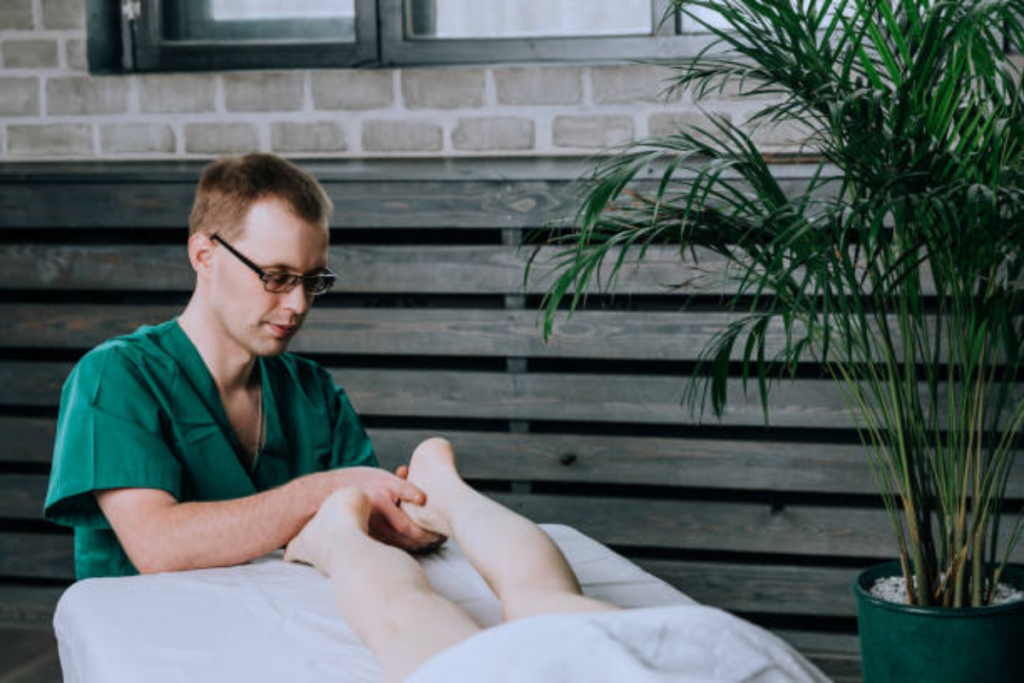
Medical massage may be appropriate if:
- Your neuropathy is medically diagnosed and stable
- You experience burning, tingling, numbness, or heaviness
- Muscle tension or stiffness worsens discomfort
- You struggle with sleep, stress, or mobility due to symptoms
- Your healthcare provider has cleared you for bodywork
Always consult your doctor before starting a massage—especially if you have diabetic neuropathy, vascular disease, or open wounds.
Types of Massage That Help Most With Neuropathy
| Massage Type | Best For | When It’s Used | How It Helps |
|---|---|---|---|
| Gentle Swedish Massage | Nerve sensitivity, stress | Most neuropathy cases | Calms the nervous system and improves circulation |
| Myofascial Release | Muscle stiffness near affected nerves | Stable symptoms | Reduces tissue restriction without overstimulation |
| Lymphatic-Focused Techniques | Swelling or heaviness | When medically cleared | Supports fluid movement and comfort |
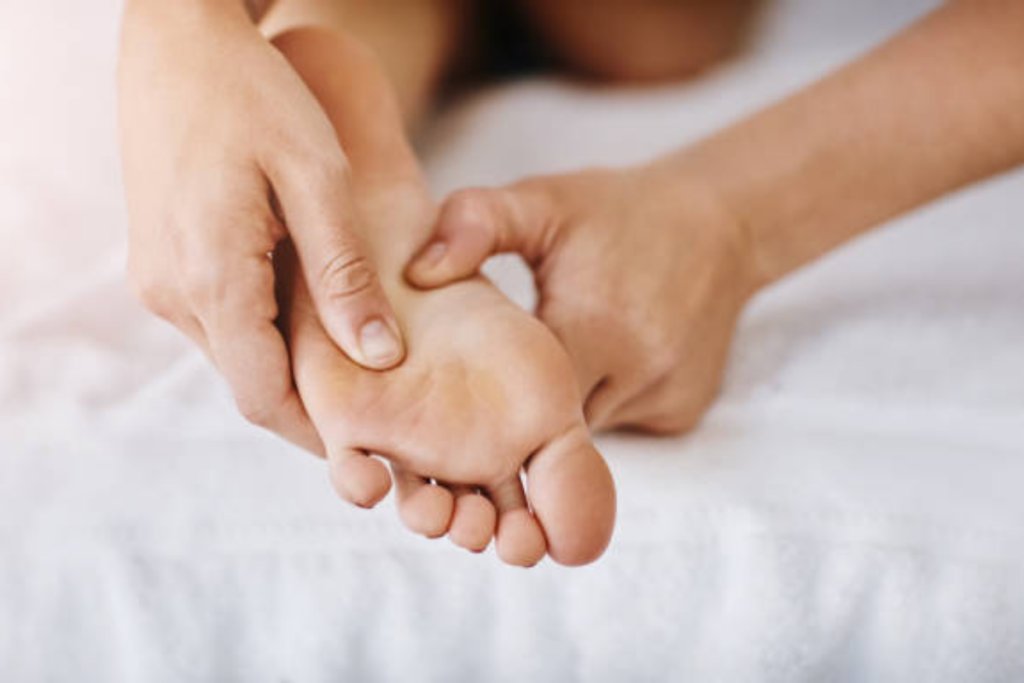
| Lower Extremity Massage | Foot or leg neuropathy | Balance and walking issues | Improves comfort and body awareness |
| Upper Body & Postural Work | Arm or hand neuropathy | When posture contributes | Reduces nerve strain along the pathway |
Deep, aggressive pressure is avoided in sensitive areas.
When Massage Should Be Avoided or Modified
● You have open sores, ulcers, or skin breakdown
● Sensation is severely reduced (risk of injury)
● There is active infection or inflammation
● Pain is rapidly worsening or unexplained
● Your physician advises against manual therapy
Our therapist will take time to understand your symptoms, check sensitivity and healing status, and adjust every technique to keep your nerves safe and comfortable.
When to Expect Results
Improvements are often subtle and gradual, focusing on comfort rather than sensation changes.
After 1–2 sessions
- Increased relaxation
- Reduced muscle tightness
- Improved warmth or circulation sensation
After 3–5 sessions
- Reduced intensity of burning or tingling
- Improved sleep comfort
- Easier movement or walking
After 6+ sessions
- More consistent symptom management
- Reduced stress-related flares
- Improved daily function
Massage won’t reverse neuropathy—but it can improve quality of life.
Signs Medical Massage Is Supporting Neuropathy
● Less muscle tightness around affected areas
● Improved sleep or relaxation
● Reduced heaviness or stiffness
● Improved comfort while walking or standing
● Less emotional distress around symptoms
● Small changes often add up over time.
What to Do During Your First Session
● Communicate clearly about numbness or pain
● Avoid heat or cold extremes unless approved
● Stay hydrated before and after sessions
● Continue medical treatments as prescribed
● Focus on consistency rather than intensity
FAQs

1) Can medical massage cure neuropathy?
No. Massage is supportive, not curative—but it can reduce discomfort and improve daily function.
2) Is massage safe for neuropathy?
Yes, when techniques are gentle and symptoms are stable.
3) Can massage help burning or tingling sensations?
It may reduce symptom intensity by calming nerve sensitivity and easing muscle tension.
4) Does massage help diabetic neuropathy?
It can support comfort and circulation, but only with medical clearance and careful technique.
5) How often should I get massage for neuropathy?
Many people benefit from weekly or bi-weekly sessions, adjusted based on response.
6) Can massage improve circulation in neuropathy-affected areas?
Yes. Gentle massage may support blood and lymphatic flow, which can improve tissue comfort.
7) Is deep tissue massage recommended for neuropathy?
Usually no. Deep or aggressive pressure can worsen nerve irritation and is generally avoided.
8) Can massage help with neuropathy-related sleep problems?
Yes. By reducing discomfort and calming the nervous system, massage may support better sleep.
9) Will massage restore normal sensation?
Massage does not restore damaged nerves, but it may make sensations more tolerable and less distressing.
10) Can massage be combined with medications or physical therapy?
Yes. Massage is often most helpful when used alongside medical treatment and therapeutic exercise.
Supporting Comfort When Nerves Are Sensitive
Neuropathy can feel unpredictable and exhausting—but relief doesn’t have to be aggressive.
Medical massage offers a gentle, body-respecting approach that supports comfort, circulation, and nervous-system balance—without overstimulating sensitive nerves.
If you’re seeking supportive care that works alongside your medical plan, medical massage may be a meaningful addition.