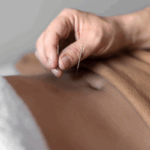
What Is Myofascial Pain Syndrome?
Myofascial Pain Syndrome (MPS) is a chronic condition caused by trigger points—sensitive knots in your muscles and fascia (the thin connective tissue surrounding muscles). These trigger points can cause deep, aching pain in specific areas or refer pain to other parts of the body.
Unlike occasional soreness after a workout, MPS doesn’t fade with rest or over-the-counter medications. It tends to persist and often worsens without intervention.
Key Symptoms to Watch For

People with Myofascial Pain Syndrome often experience:
- Localized, deep muscle pain that worsens with use
- Tight or stiff muscles that feel “bunched”
- Trigger points—small, tender nodules under the skin
- Radiating pain—for example, a trigger point in your shoulder may cause neck or arm pain
- Limited range of motion or stiffness
- Sleep disturbances due to discomfort
- Fatigue and headaches, especially in chronic cases
Left untreated, these symptoms can lead to a cycle of pain, reduced activity, and emotional distress. That’s where massage therapy becomes an essential part of care.
Myofascial Pain vs. Normal Muscle Soreness: What’s the Difference?

Symptom
Normal Soreness
Myofascial Pain Syndrome (MPS)
Onset
Within 24-48 hours post-exercise
Can devlop gradually. unrelated to exercise
Duration
Resolves within a few days
Persists for few weaks or longer
Pain Type
Dull ache, evenly distributed
Deep, aching, with tender "knots" or trigger points
Relief with Rest
Yes
No—may worsen with inactivity
Range of Motion
Slightly limited
Frequently restricted and painful
Response to Heat or Stretching
Improves symptoms
May offer only temporary relief
Referred Pain
Rare
Common—pain spreads beyond origin site
| Symptom | Normal Soreness | Myofascial Pain Syndrome (MPS) |
| Onset | Within 24–48 hours post-exercise | Can develop gradually, unrelated to exercise |
| Duration | Resolves within a few days | Persists for weeks or longer |
| Pain Type | Dull ache, evenly distributed | Deep, aching, with tender “knots” or trigger points |
| Relief with Rest | Yes | No—may worsen with inactivity |
| Range of Motion | Slightly limited | Frequently restricted and painful |
| Response to Heat or Stretching | Improves symptoms | May offer only temporary relief |
| Referred Pain | Rare | Common—pain spreads beyond origin site |
What Causes Myofascial Pain Syndrome?

While the exact cause varies by person, common contributors include:
- Muscle overuse or repetitive strain
- Poor posture—especially in desk jobs
- Chronic stress or anxiety
- Injury or trauma (like whiplash)
- Sedentary lifestyle or lack of stretching
- Vitamin deficiencies, especially B-complex and magnesium
Understanding what’s triggering your trigger points is the first step toward relief.
How Massage Therapy Eases Myofascial Pain
Massage therapy—especially medical massage and myofascial release—offers proven benefits for people with MPS. Here’s how:
1. Releases Trigger Points
Massage helps deactivate trigger points by applying sustained pressure and friction. Therapists use techniques such as:
- Trigger point therapy to reduce referred pain
- Myofascial release to stretch and loosen tight fascia
- Deep tissue massage to break up adhesions and scar tissue
These methods reduce hypersensitivity and restore healthy muscle function.
2. Increases Circulation and Oxygen Flow
Restricted blood flow around trigger points can lead to muscle tightness and fatigue. Massage improves local circulation, delivering oxygen and nutrients to the area—and flushing out waste byproducts like lactic acid.
3. Improves Flexibility and Mobility
Over time, MPS can limit your range of motion. Targeted massage stretches connective tissues, helping muscles glide more easily and reducing stiffness in affected joints.
4. Interrupts the Pain Cycle
Pain triggers stress, which causes more muscle tension—feeding the cycle. Massage therapy activates the parasympathetic nervous system, releasing endorphins and promoting relaxation. This shift reduces pain sensitivity and promotes better sleep, mood, and mental focus.
What to Expect During a Session

Your first visit may include:
- A thorough assessment of symptoms, posture, and movement
- Identification of active and latent trigger points
- A personalized treatment plan using targeted manual therapy techniques
- A combination of hands-on work and at-home self-care guidance
Many clients feel immediate relief after their session, though lasting improvement often requires a series of treatments and lifestyle adjustments.
At-Home Tips for Managing Myofascial Pain
Massage therapy works best when paired with at-home care. Try these:
- Use a foam roller or massage ball to release tension
- Apply heat therapy (like a warm compress or heating pad)
- Stretch daily to support flexibility
- Stay hydrated to flush out toxins
- Correct your posture, especially at your desk
- Track your pain patterns to notice flare-up triggers
Our therapist may also suggest specific stretches or strengthening exercises depending on the affected area.
When to Seek Professional Help

Don’t wait for symptoms to worsen. If you notice any of the following, book a session with a trained massage therapist who specializes in myofascial release:
- Pain lasting longer than 2 weeks
- Radiating discomfort that doesn’t align with an injury
- Muscle knots that never fully release
- Stiffness or mobility loss affecting daily activities
- Sleep disturbances due to muscle pain
Getting timely support can prevent chronic pain from becoming debilitating.
FAQs: Massage Therapy for Myofascial Pain Syndrome
1. Is massage safe for chronic myofascial pain?
Yes, especially when performed by a trained therapist. It’s non-invasive and complements medical treatment.
2. How many sessions will I need?
Many people benefit from 4–8 sessions, but chronic cases may require ongoing care.
3. What’s the difference between myofascial release and deep tissue massage?
Myofascial release focuses on the fascia (connective tissue), while deep tissue targets the muscle layer beneath.
4. Can massage replace medication for MPS?
Massage often reduces the need for pain medication, but always consult your provider before making changes.
5. Will massage therapy make the pain worse before it gets better?
Some soreness is normal, especially after the first few sessions. This usually fades within 24–48 hours.
6. Are home remedies enough without massage?
Home care helps, but professional therapy provides deeper, longer-lasting relief for chronic cases.
7. Does insurance cover massage for MPS?
Some plans cover medically necessary massage therapy. Check with your provider.
8. What lifestyle habits can make MPS worse?
Poor posture, lack of exercise, and high stress can all aggravate symptoms.
9. Is myofascial pain the same as fibromyalgia?
No—though they can overlap. Fibromyalgia involves widespread pain, while MPS is more localized and caused by trigger points.
Feel the Difference: Start Your Myofascial Healing Journey
Myofascial Pain Syndrome may affect how you move, rest, and focus—but it doesn’t have to define your life. For many, the daily struggle with tight muscles, radiating pain, and limited movement becomes a cycle of frustration and fatigue. But the cycle can be broken—and it often begins with one supportive, informed decision.
When guided by skilled professionals trained in myofascial techniques, it can help release long-held tension, restore healthy muscle function, and create space for better sleep, clearer focus, and a calmer nervous system. You deserve to feel strong, mobile, and in control of your body again. The path to healing doesn’t need to be complicated—it just needs to be consistent, compassionate, and customized to your needs.