
Pain & Joint Issues
- Neck pain + back pain
- Sciatica
- Shoulder pain
- Hip pain
- Knee pain
- Nerve pain or pinched-nerve symptoms
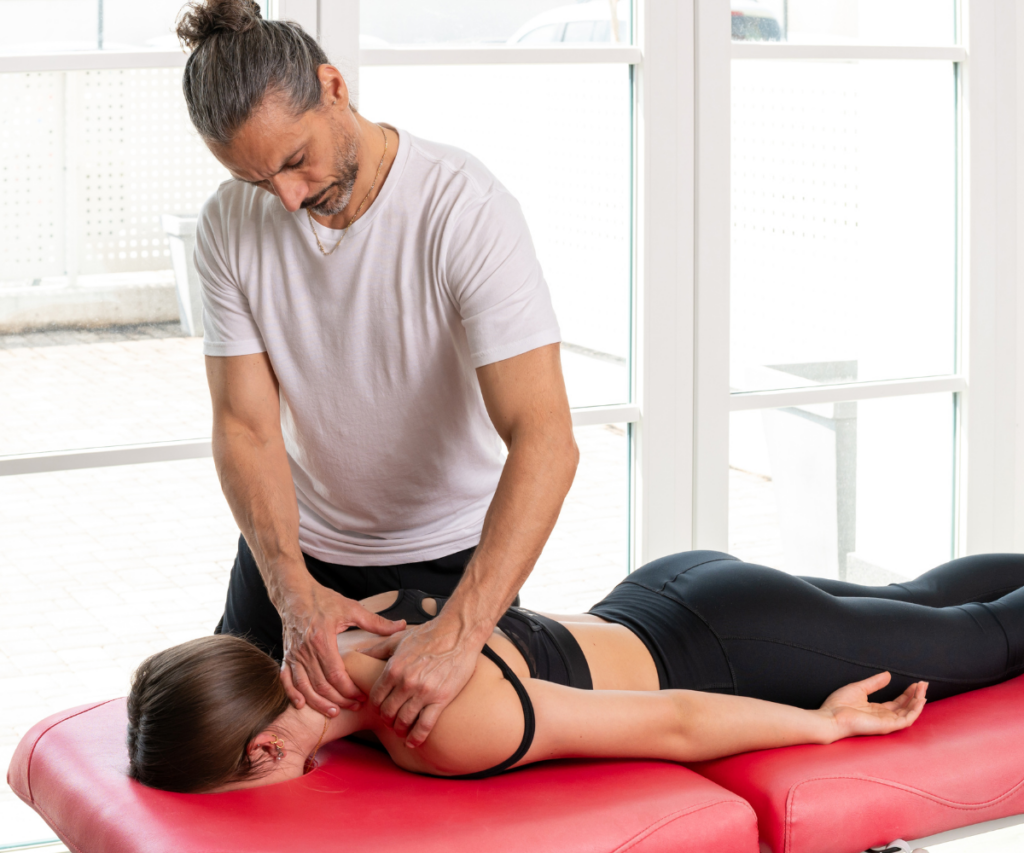
OMT is a precise, evidence-based form of osteopathic manipulation performed by a Doctor of Osteopathic Medicine (DO). It helps restore balance across your muscles, joints, nerves, and connective tissue—so your body can move better, recover faster, and feel normal again.
OMT is a specialized, hands-on medical therapy performed by a licensed DO. It focuses on improving how your musculoskeletal system, nervous system, and circulation work together—because when these systems move and communicate properly, your body heals more efficiently. Unlike treatments that only chase symptoms, OMT looks for the real mechanical cause behind pain, tension, or dysfunction—such as restricted joints, tight fascia, muscle imbalance, or poor movement patterns.
In simple terms: OMT helps your body move better, heal faster, and function the way it’s supposed to—without relying on medications to cover things up.
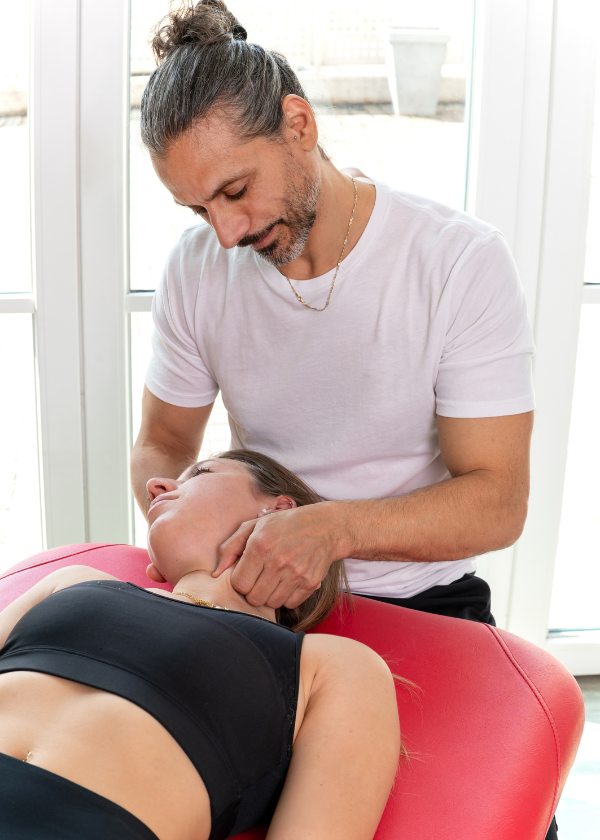
If you’re dealing with pain, stiffness, tension, or limited mobility, OMT gives you a doctor-led, drug-free option that goes beyond temporary relief.
Instead of forcing your body to “push through” discomfort, OMT helps restore normal motion and alignment—so your muscles, joints, and nerves can function the way they were designed to.


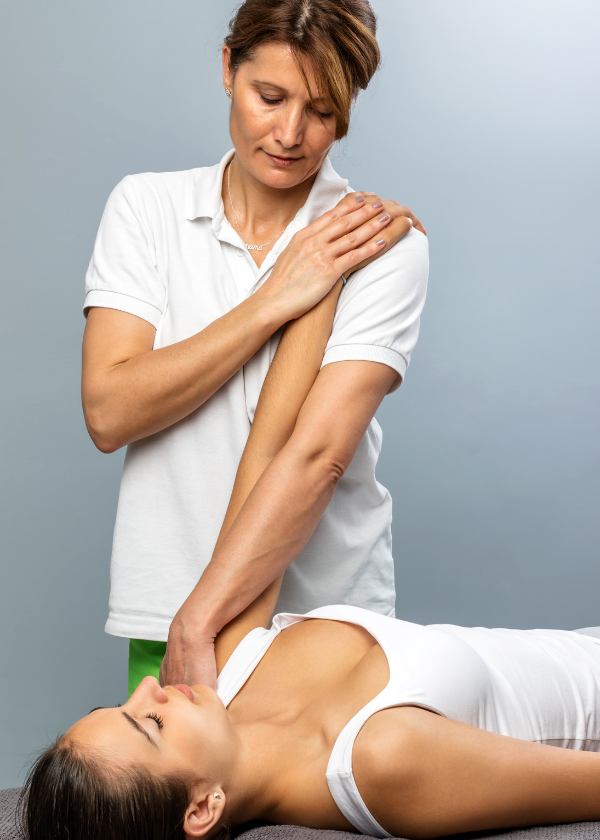
OMT isn’t a generic massage or a “one-method-for-everyone” approach. Your DO uses highly trained palpation skills to detect what most scans don’t show—things like tissue restriction, joint dysfunction, asymmetry, and tension patterns that can silently drive pain, tightness, or limited movement.
Once the root issue is identified, your DO selects the right technique (or combination of techniques) based on your body, your symptoms, and your diagnosis.

Not all hands-on care is the same.
OMT is performed exclusively by DOs—fully licensed medical physicians trained to diagnose and treat the entire body, not just the painful area.
That means you’re not just getting “manual therapy.”
You’re getting medical-level evaluation + hands-on treatment in one visit.

When you choose a DO for OMT, you get:
Most people walk in thinking:
Here’s what actually happens—step-by-step.
Your first OMT appointment includes:
This is not a rushed visit. Your DO focuses on identifying the real driver behind your symptoms.

OMT can be gentle or firm depending on your condition and comfort level.
Most patients notice:
Session length: typically 30–45 minutes.
OMT is a great fit if you’re looking for real relief, but you don’t want your only options to be pills, injections, or surgery. You may be an ideal candidate for Osteopathic Manipulative Treatment if you:
If you’re using NYSHIP (Empire Plan), a quick benefits check can help you avoid surprises and make your visit smoother.
Before your appointment, it’s smart to confirm:
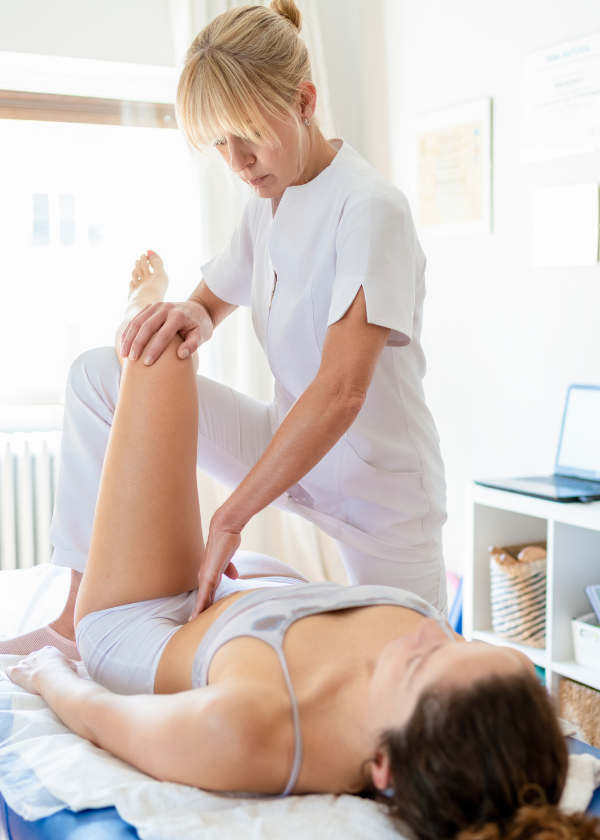
Most patients come in for back pain, neck pain, sciatica, headaches, postural strain, joint tightness, and stress-related muscle tension. OMT is especially helpful when pain is recurring or movement feels restricted.
OMT is performed by a DO and includes both medical evaluation and hands-on treatment. Chiropractic care often focuses mainly on the spine, while OMT addresses the entire body—muscles, joints, nerves, breathing mechanics, and posture patterns.
OMT should not be painful. Some techniques are gentle, while others feel firmer depending on your condition. Most patients describe it as pressure, stretching, or release—not sharp pain.
It depends on the severity and how long the issue has been present. Some patients feel noticeable improvement in 1–2 sessions, while chronic problems often need a short series of visits for long-term change.
Yes—when performed by a licensed DO, OMT is considered safe and is customized to your age, medical history, and comfort level. Your doctor will avoid techniques that aren’t appropriate for your condition.
Many insurance plans in New York cover OMT when it’s medically necessary and performed by a licensed DO. Coverage depends on your plan, deductible status, and whether the provider is in-network.
Yes. OMT is commonly used for tension headaches and migraine patterns, especially when the trigger involves neck tightness, posture strain, jaw tension, or restricted upper back mechanics.
OMT is ideal for patients who want a drug-free, whole-body approach, especially for pain, stiffness, posture issues, chronic tightness, or unclear imaging findings.
In many cases, yes. DOs can use gentle techniques appropriate for pregnancy or older adults. Your medical history and comfort level will guide what methods are used.

Often, yes—OMT may be covered when it’s medically necessary, performed by a licensed DO, and billed appropriately as part of a medical visit.
In many cases, yes. OMT is frequently covered when combined with an evaluation and medical decision-making during your appointment. Final determination depends on how the claim is processed.
Referrals are usually not required for in-network visits, but plan variations exist. It’s best to confirm directly with NYSHIP/Empire Plan for your specific option.
Most members have either:
Many patients use OMT for chronic conditions, but coverage frequency and approvals can vary. Medical necessity and documentation typically matter most.
NYSHIP / Empire Plan Patients (Important)
If you have the NYSHIP Empire Plan, OMT is often covered when:
Even if it’s covered, you may owe:
You might also pay for non-covered services.
We can help:
We can’t guarantee:
Only your insurance company can confirm that.
Call your insurance and ask:
If you want help, call us with your insurance card ready.
Call Us
You’re in the right place.
We provide doctor-led OMT in Long Island, NY in a calm, professional medical setting. Every visit is focused on what matters most: finding the real cause, restoring normal movement, and helping you feel better for the long term—not just quick, temporary relief.
If you’re tired of recurring pain, stiffness, or “tightness that keeps coming back,” OMT may be the missing piece.
Let our specialists help you achieve results that last longer, look natural, and enhance your overall appearance
Your body shouldn’t have to “live with it.”
If pain, tightness, or limited mobility is holding you back, OMT can help you get back to moving normally—without relying on medications as a long-term plan.
The sooner you treat the root cause, the easier recovery usually becomes.
Don’t wait until the problem turns chronic.
Circle Wellness – Melville’s Premier Medical Spa for Pain Relief & Rejuvenation With 100+ years of combined clinical and wellness expertise, Circle Wellness has become a trusted destination for Long Island residents—proudly accepting NYSHIP. All treatments are performed by licensed, certified specialists dedicated to safe, professional care. We offer acupuncture, medical massage, trigger point therapy, IV drips, and certified prenatal massage. Our prenatal program not only eases discomfort but also supports circulation, reduces stress, and promotes maternal well-being. Recognized by the community with 4.9-star patient reviews on google, our state-of-the-art Melville facility blends modern medicine with a calming spa environment. Step into a place where science meets serenity—clear your mind, recharge your body, and leave feeling truly renewed. Book your personalized session today.
Copyright © 2026 MNP Mangement Incorporated DBA Circle Wellness - All Rights Reserved. Developed By Corunit Media Corp