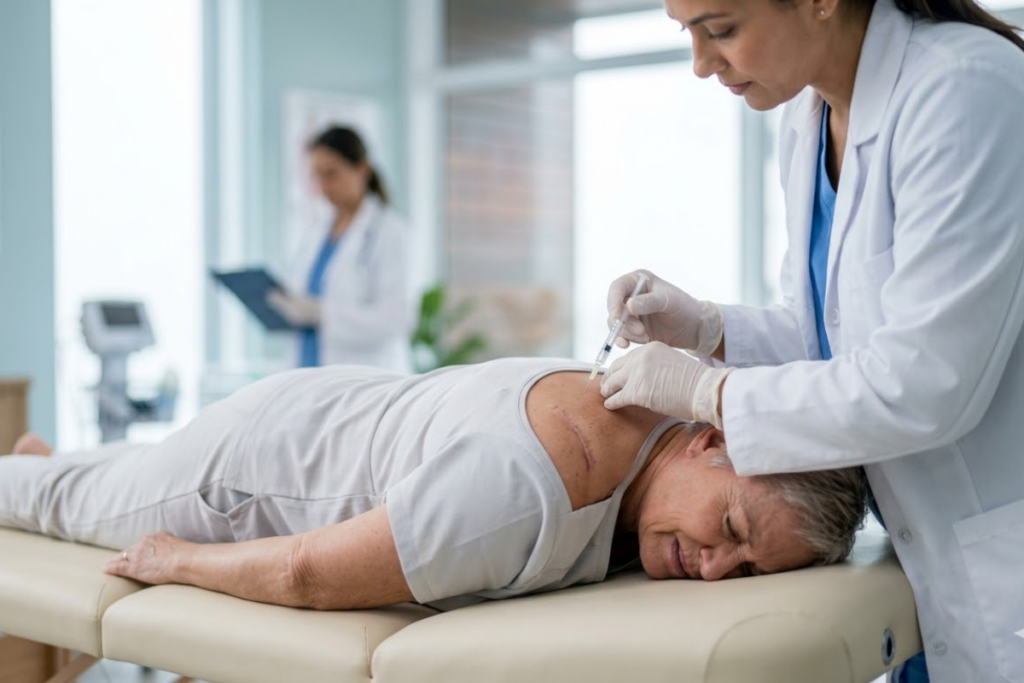
You expected recovery to feel better with time. But weeks passed, and you still woke up stiff, swollen, or sore. Walking, stretching, or even sitting for long periods feels tiring. You’re doing everything right—resting, taking meds, following doctor instructions—but something still feels stuck.
That’s because surgery heals the problem, but it also affects muscles, tissues, and fluid movement in the affected area.
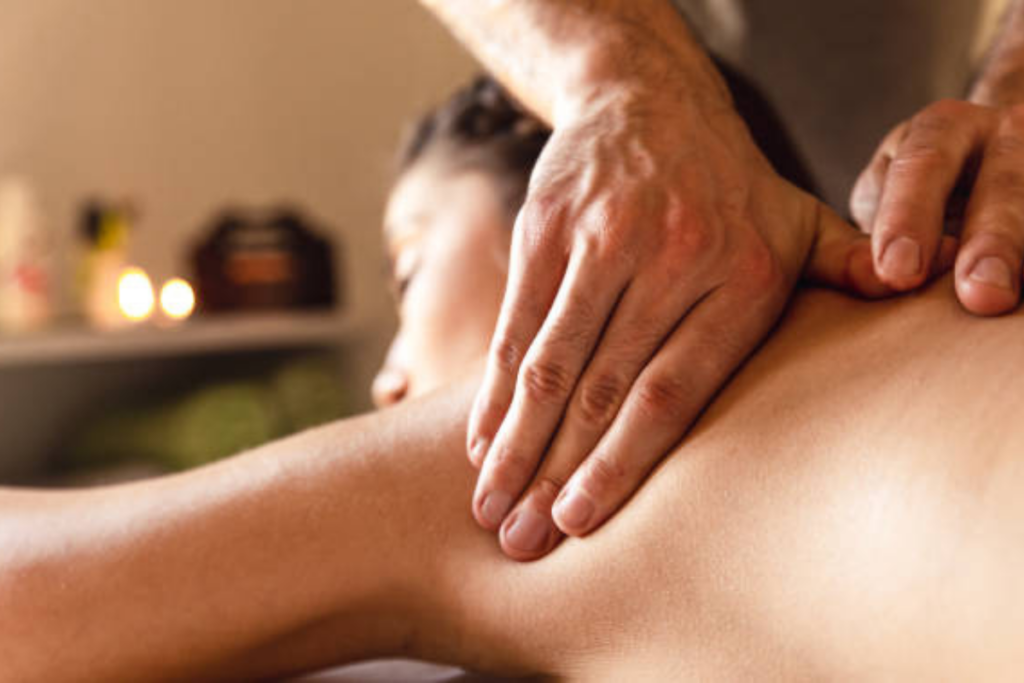
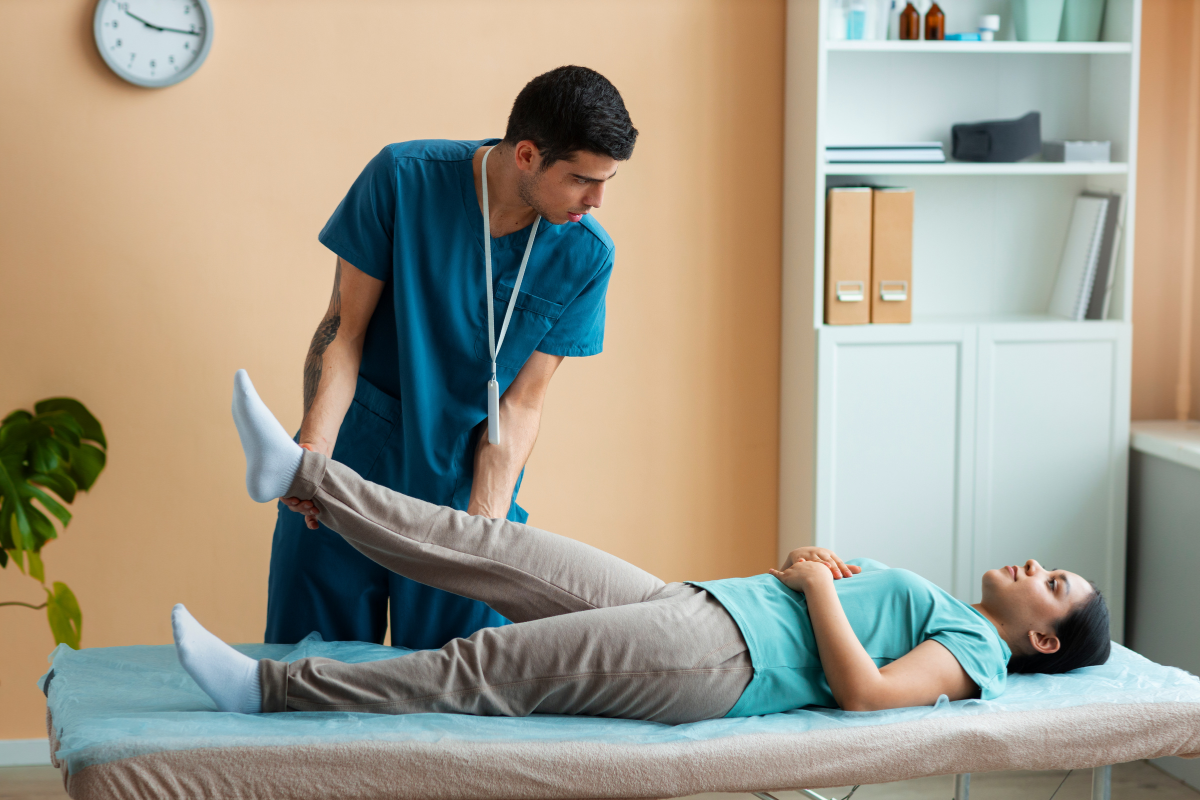
That’s where medical massage therapy can help. It supports your body from the inside—reducing pain, loosening scar tissue, improving blood flow, and restoring movement.
It doesn’t replace medical care—it works with it.
What Is Medical Massage Therapy After Surgery?
What Happens to Your Body After Surgery
After surgery, your body begins to heal by creating new tissue. But this new tissue is often thick, tight, and less flexible—leading to pain, stiffness, and restricted movement.
Here’s what normally happens:
- Muscles become weak and tight due to less movement
- Scar tissue forms and sticks to nearby muscles and skin
- Blood flow slows in the area, delaying healing
- Swelling and fluid buildup cause discomfort and pressure
You may look healed from the outside, but inside, your body still struggles to fully recover.
How Medical Massage Therapy Helps in Post-Surgery Recovery
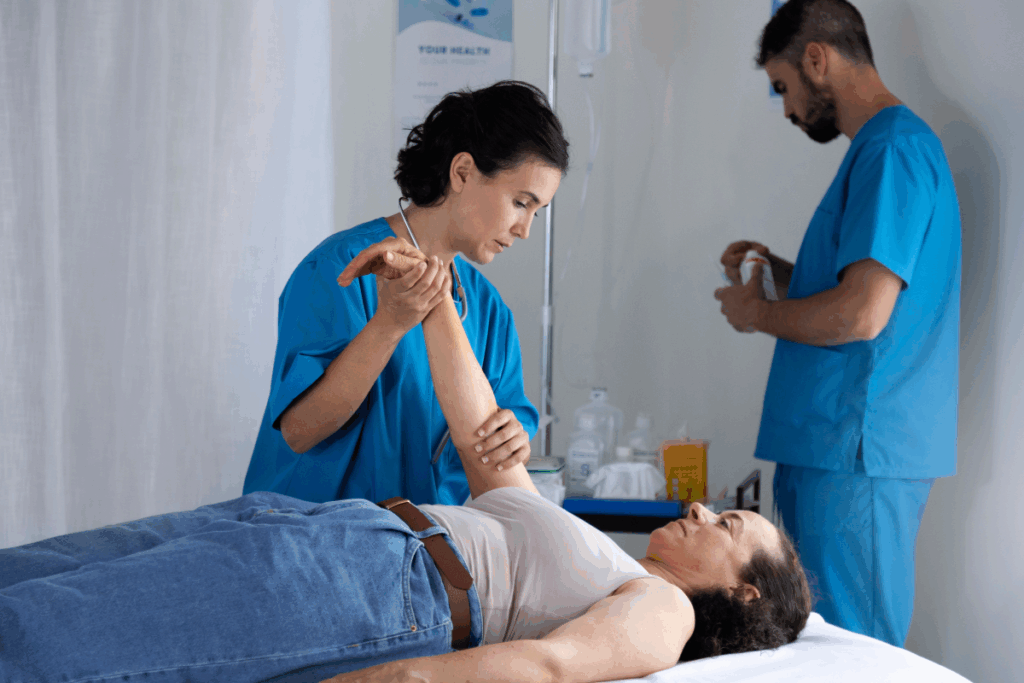
Medical Massage therapy supports your recovery safely and actively. Instead of only waiting for your body to heal, massage helps the healing process move faster and feel smoother.
| Benefit | How It Helps |
|---|---|
| Improves blood flow | Speeds up healing and reduces swelling |
| Softens scar tissue | Loosens tight layers, restores flexibility |
| Reduces swelling | Moves trapped fluid and reduces puffiness |
| Relieves pain naturally | Releases endorphins (natural pain relievers) |
| Restores movement | Relaxes tight muscles and improves flexibility |
When Can You Safely Start Massage After Surgery?
Important: If your incision is open, red, painful, or warm—wait.
Types of Massage That Help Most After Surgery
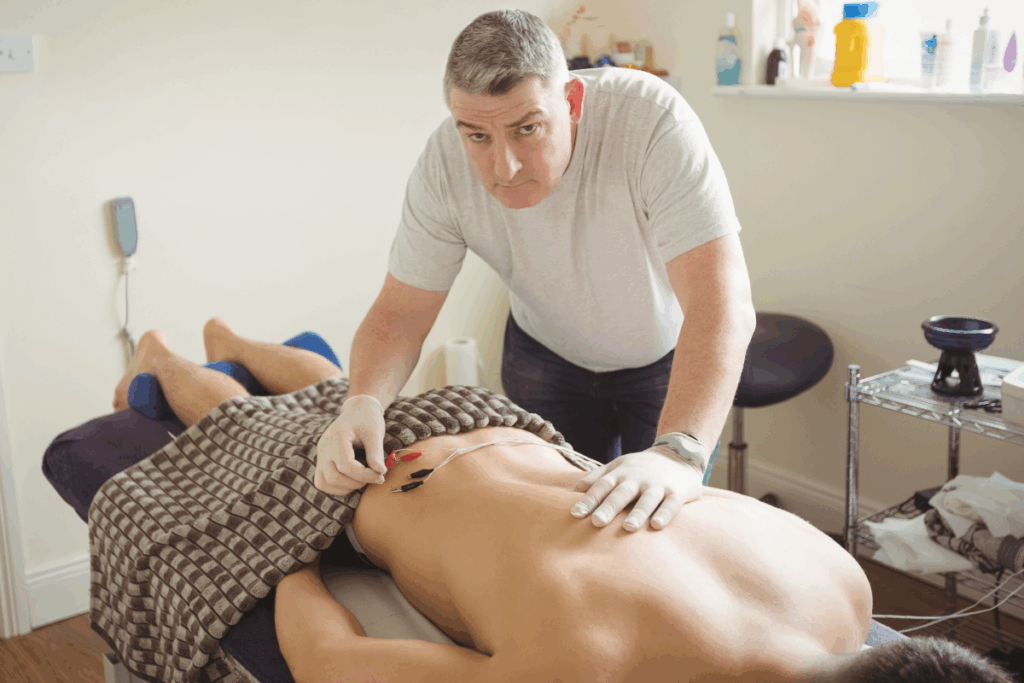
Not all massages are the same. Some are gentle and focus on swelling. Others work on deep tissues to release tightness. Here are the most helpful types for post-surgery recovery, explained in simple words:
| Massage Type | Best For | When It’s Usually Used | How It Helps |
|---|---|---|---|
| Lymphatic Drainage Massage | Swelling, fluid build-up | Early recovery (after incision heals) | Moves extra fluid, reduces puffiness and swelling |
| Scar Tissue Massage | Thick, tight, or painful scars | Once the wound fully heals | Softens scar tissue, improves movement |
| Deep Tissue Massage | Long-term pain, stiff muscles | Later recovery (6+ weeks) | Releases deep tightness, improves mobility |
| Myofascial Massage | Stiffness under the skin | Middle to late recovery | Loosens fascia, improves flexibility |
| Swedish Massage | Relaxation, light pain | Any recovery stage | Improves circulation and healing |
Signs You Should Avoid Massage
Avoid massage if:
- The incision is red, hot, open, or leaking fluid
- You still have stitches or bandages
- You have sharp pain or fever
Your doctor has advised against it
How to Choose a Trained and Safe Massage Therapist After Surgery
| What to Look For | Why It Matters |
|---|---|
| Licensed Massage Therapist (LMT or equivalent) | Ensures proper training |
| Experience with post-surgery patients | Safe handling of scar tissue and swelling |
| Knowledge of lymphatic and scar care | Better, safer results |
| Works with doctors/therapists | Professional care coordination |
| Collects your medical history | Safety-focused and responsible |
How Soon Can Massage Therapy Start Helping?

The results depend on the type of surgery, your healing speed, and when you start the massage. Most people start to notice small but clear changes after 2 to 3 sessions.
Here is what patients commonly report:
| Timeframe | Common Results |
|---|---|
| After 1–2 sessions | Less swelling, better sleep, lighter movement |
| After 3–5 sessions | Softer scars, better flexibility, reduced stiffness |
| After 6+ sessions | Better mobility, stronger movement, lasting comfort |
Signs Massage Therapy Is Helping Your Recovery
✔ Scar tissue becomes smoother and less tight
✔ Mornings feel easier with less stiffness
✔ You rely less on pain medicines
✔ Daily activities like walking, stretching, or lifting feel better
How to Get the Most Out of Post-Surgery Massage
✔Take short, gentle walks or light stretching daily.
✔Do not press, rub, or massage the surgical area by yourself.
✔Tell your therapist if you feel pain, tightness, or changes.
✔Follow your doctor's recovery plan and treatment schedule.
✔Stay consistent—small improvements build over time.
FAQs

1. When can I start massage therapy after surgery?
You can start massage only after the incision has fully healed and your doctor allows it. For most people, this is between 2 to 6 weeks.
2. Can massage break down scar tissue?
Yes. Scar tissue massage helps soften thick, tight tissue and improves movement. It should only be done by a trained therapist.
3. Is massage safe if I still have swelling?
Yes, if our doctor approves. Lymphatic drainage massage is gentle and helps reduce swelling and fluid build-up.
4. Does massage hurt after surgery?
A safe post-surgery massage should not hurt. You may feel light pressure or stretching, but it should not be painful. If it hurts, tell your therapist.
5. Can massage replace physical therapy?
No. Massage supports recovery, but it does not replace medical care or physical therapy. It works best when used together with your recovery plan.
6. How many sessions do I need to see results?
Most people feel changes after 2 to 3 sessions. Bigger improvements like flexibility and scar softening may take 4 to 6 sessions.
7. Can I massage the area myself at home?
You should not apply pressure on the surgery area by yourself unless our therapist teaches you safe home techniques.
Healing Better, Not Just Faster
When done safely and at the right time, massage can be a true beacon in recovery. It can reduce pain, soften scars, improve movement, and help you feel more like yourself again.
Recovery shouldn’t feel stuck. With the right care, your body can heal better—not just faster.
Book a session with our licensed post-surgery massage specialist today and start moving forward with confidence—not just hope