Does Your Body Feel Tense—Even When You’re Supposed to Be Resting?
When your shoulders won’t drop, your sleep is restless, and your jaw stays clenched, something deeper may be going on.
We’ve all been there. You lie down to relax, but your body stays wired. Muscles won’t soften. Your breath is shallow. And no amount of stretching seems to fully undo the tension you’ve been carrying all week.
If this sounds familiar, you’re not alone—and your body isn’t broken. It’s simply holding more than it can release on its own.
That’s where therapeutic massage comes in.
Unlike a spa massage meant purely for relaxation, therapeutic massage is a clinical, intentional approach designed to support healing, relieve chronic tension, and bring your nervous system back into balance. It’s not about pampering. It’s about precision—and results.
At Circle Wellness, we see firsthand how therapeutic massage helps clients move through pain, restore function, and reconnect with ease. Whether you’re managing a condition like sciatica or migraines, recovering from surgery, or just trying to feel better in your daily life, this isn’t a luxury—it’s care your body may be asking for.
Let’s start with the basics.
Therapeutic Massage: What It Means for Your Health

Therapeutic massage is more than just a feel-good moment. It’s a structured, hands-on therapy designed to treat real physical concerns—from chronic tension to injury recovery to nervous system overload.
Unlike a general relaxation massage, therapeutic massage is often performed in medical or clinical wellness settings. The goal isn’t just to relax you—it’s to restore function, support healing, and reduce discomfort that’s interfering with your quality of life.
A licensed therapist uses focused techniques to work on soft tissues like muscles, tendons, fascia, and ligaments. The pressure is intentional, the touch is informed, and the treatment is shaped around what your body needs—not a one-size-fits-all routine.
Clients often seek therapeutic massage to help with:
- Persistent back, neck, or shoulder pain
- Limited range of motion or stiffness
- Muscle tension linked to stress, anxiety, or trauma
- Recovery from surgery or injury
- Tension headaches or TMJ
- Postural strain from work or caregiving
When it’s done right, therapeutic massage can feel like your body is finally exhaling—letting go of holding patterns it didn’t know how to release. And the results often go beyond the physical. People walk out of sessions feeling clearer, calmer, and more connected to themselves.
So if your discomfort feels deeper than tight muscles… if it keeps coming back, or if you’ve tried everything else—this may be the turning point.
How It Works: What to Expect During a Session
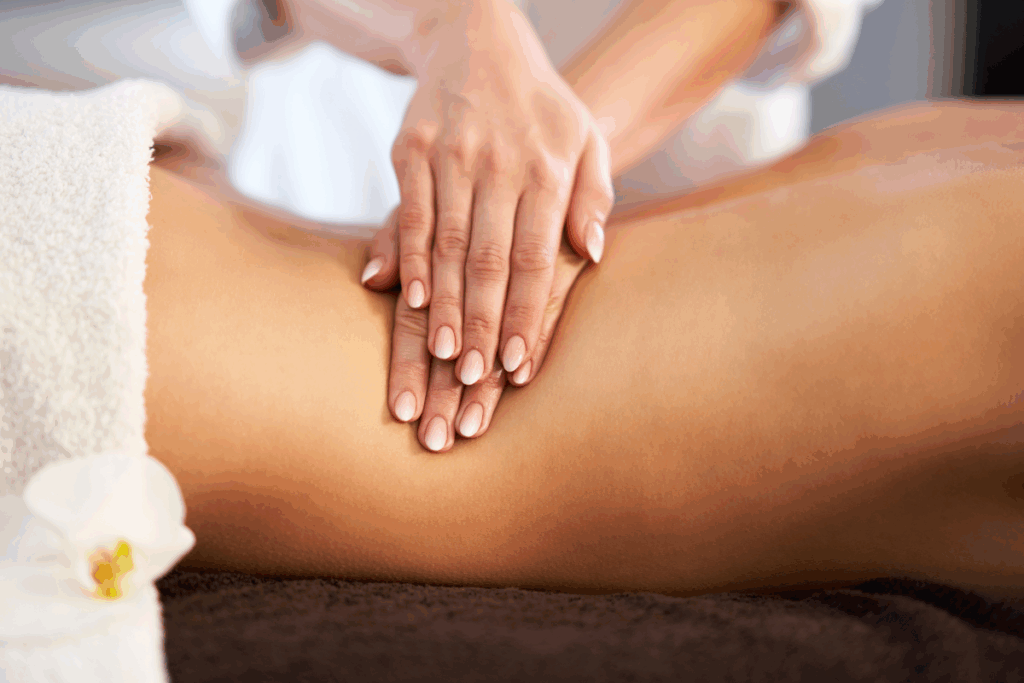
Walking into a therapeutic massage session isn’t like stepping into a spa for a moment of escape. It’s a step toward something deeper—relief that’s rooted in understanding your body’s story.
Your visit usually begins with a conversation. Not small talk, but real insight into what’s been bothering you. Your therapist will ask about:
- Specific areas of pain or tension
- Recent injuries or surgeries
- Daily routines (like desk work, caregiving, or athletic activity)
- How the discomfort affects your sleep, focus, or movement
This intake shapes everything that follows. Your session is then tailored—sometimes it’s a full-body reset, other times it’s dedicated “spot work” on a focused area like your neck or hips.
You’ll settle into a quiet, calm space. Soft lighting, gentle music, and clear communication ensure you feel safe and supported. And while the atmosphere may feel similar to a relaxation massage, the work goes much deeper.
Your therapist may use:
- Sustained pressure on tight or restricted muscles
- Slow, deliberate strokes to release fascia and break up adhesions
- Assisted stretching or muscle resistance to restore motion
- Trigger point release to quiet down referral pain
The pressure may feel intense—but it should never feel unsafe. You might describe it as a “hurts-so-good” release. Communication matters. If anything feels too strong, you’re always encouraged to speak up. The goal is to listen to your body, not override it.
After your session, it’s common to feel lighter, more mobile, and mentally clearer. Some people describe it as a reboot—like their nervous system finally got the “all clear” to rest.
And that’s the magic of therapeutic massage: it meets your body where it’s been stuck and invites it back into flow.
Common Conditions Helped by Therapeutic Massage
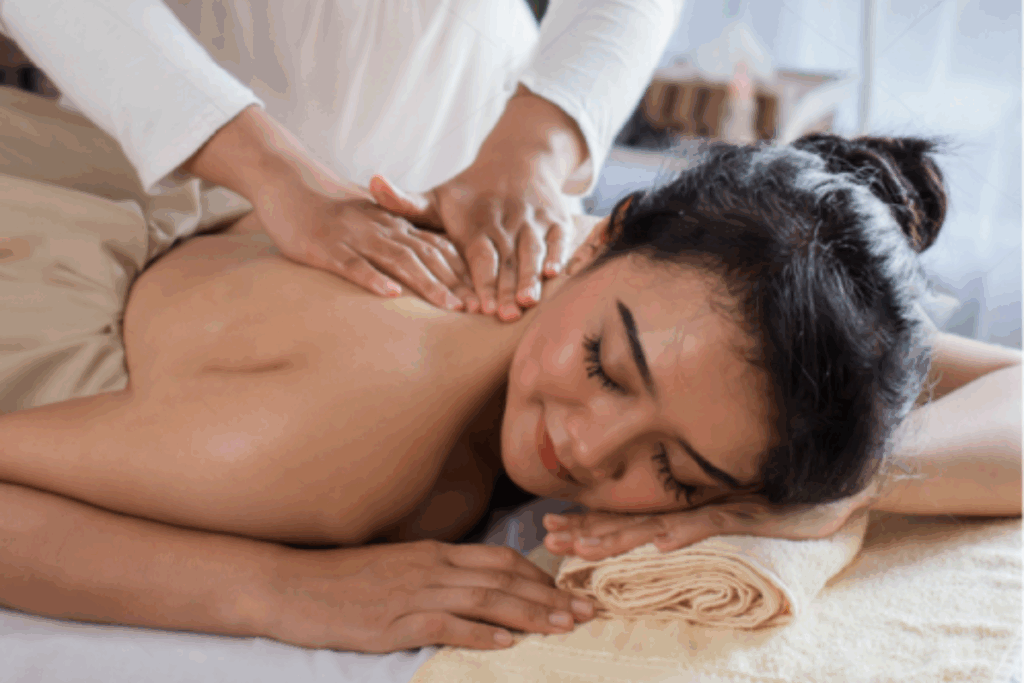
You don’t have to be injured or in a crisis to benefit from therapeutic massage—but for many, it becomes the missing piece in their healing process.
This approach is especially effective when tension, pain, or dysfunction has become part of your daily life. Whether the discomfort is new or something you’ve learned to live with, therapeutic massage targets the why behind it—not just the surface symptoms.
Here are some of the most common reasons clients seek this care:
Chronic Back and Neck Pain
Headaches and TMJ Tension
Post-Surgical Recovery
Frozen Shoulder or Limited Range of Motion
Repetitive Strain or Workplace Fatigue
Stress-Related Muscle Holding
Conditions like Sciatica, Tendonitis, and Fibromyalgia
Pain isn’t always loud. Sometimes it whispers. Sometimes it simply limits how well you can show up in your own life. And that’s reason enough to listen—and respond with care that makes a difference.
Top Benefits of Therapeutic Massage for Body and Mind
Therapeutic massage doesn’t just feel good—it creates measurable changes in how your body functions and how your mind copes with stress. For many clients, it’s the moment they finally feel heard, not just in conversation but through touch that meets tension where it lives.
Here are the core benefits you can expect—both physical and emotional:
1. Relief from Pain and Tension
Massage releases tight muscles, improves circulation, and reduces inflammation. Whether it’s a sore lower back, aching shoulders, or that nagging tightness you can’t quite shake, therapeutic massage offers focused relief that lasts beyond the session.
It doesn’t just mask symptoms. It gets to the root—helping your body stop compensating and start healing.
2. Improved Range of Motion and Flexibility
When muscle or fascia tightens, it limits movement. Massage softens those restrictions, allowing your body to move more freely. This is especially helpful after injury, surgery, or long periods of inactivity.
Clients often notice:
- Easier neck or shoulder movement
- Deeper breathing
- More comfort while walking or exercising
3. Better Sleep and Nervous System Reset
Your nervous system holds onto stress—and that tension shows up in sleep disruptions, shallow breathing, and mental fatigue. Therapeutic massage helps shift your system from “fight or flight” into “rest and repair.”
The result?
Deeper, more restorative sleep. Fewer nighttime wakeups. And a body that actually feels rested in the morning.
4. Faster Healing and Recovery Support
Massage boosts blood flow and supports lymphatic drainage, two key elements of physical healing. It also helps reduce swelling and break up scar tissue post-surgery or after an injury.
It’s not about pushing your body harder—it’s about helping it heal smarter.
5. Mental Clarity and Emotional Relief
Chronic discomfort often leads to emotional exhaustion. Massage offers a space to reconnect, regulate, and recalibrate. Many clients say they feel emotionally lighter after a session—more able to focus, make decisions, and meet life without overwhelm.
In short: therapeutic massage restores not just your tissues, but your sense of self.
Expert Techniques You Might Experience

Not all massage is the same—and when it comes to therapeutic work, every technique is chosen for a reason. Your massage therapist will draw from a range of methods depending on your symptoms, comfort level, and goals for healing.
Here are some of the most effective techniques commonly used in therapeutic massage:
Trigger Point Therapy
These are focused pressure techniques applied to “knots” or hyper-irritable spots in muscle tissue. Trigger points often refer pain to other areas—meaning your backache might be coming from your shoulder, or your headache from tension in your neck.
Trigger point release helps soften these spots, improving circulation and quieting referred pain patterns.
Myofascial Release
This slow, sustained approach targets the fascia—the connective tissue that wraps around muscles and joints. When fascia becomes tight or restricted, it limits motion and causes discomfort.
Myofascial work restores movement and creates space in the body. Clients often feel taller, more aligned, and less compressed after this treatment.
Lymphatic Drainage
Using light, rhythmic strokes, this technique encourages the natural flow of lymphatic fluid—reducing swelling, boosting immune function, and supporting recovery after surgery or illness.
It’s particularly beneficial for clients with lymphedema, autoimmune conditions, or post-surgical inflammation.
Deep Tissue Massage
Not to be confused with painful pressure, deep tissue techniques target underlying muscle layers with slow, intentional strokes. This method helps break up adhesions, improve mobility, and support posture correction.
It’s ideal for those with chronic tension, repetitive strain injuries, or desk-related stiffness.
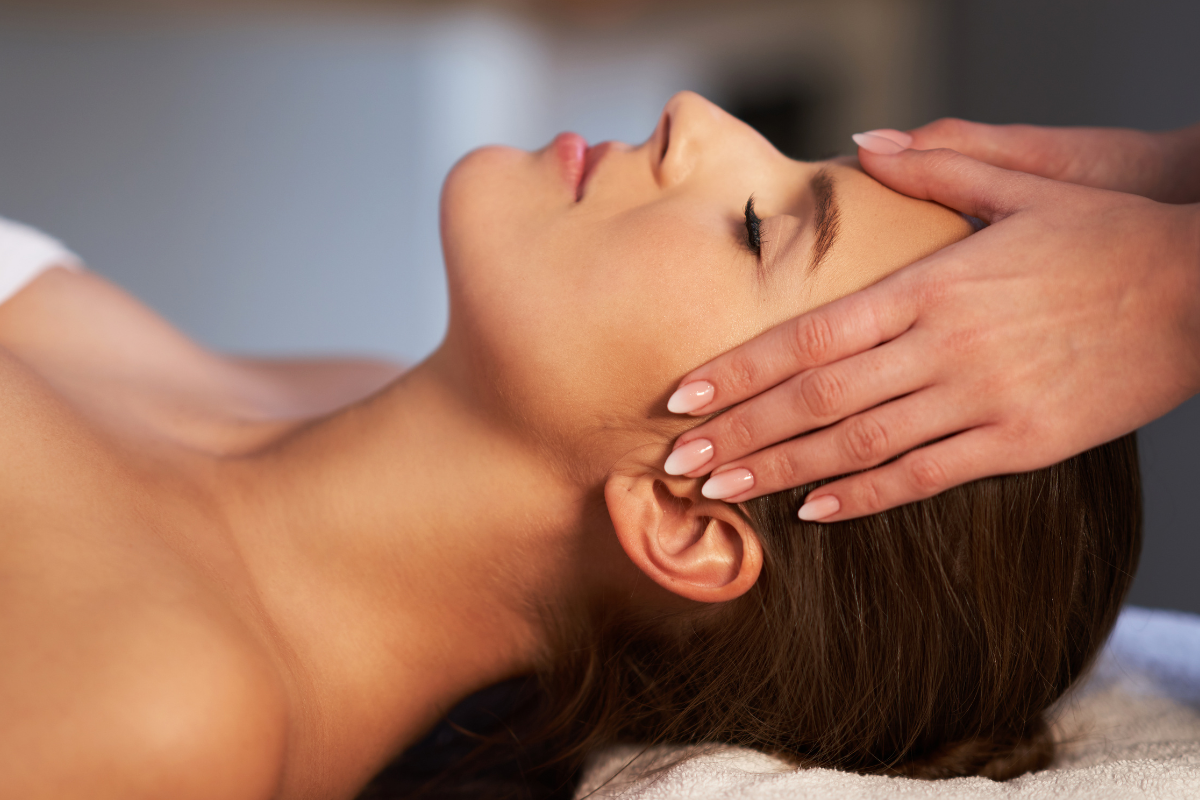
Craniosacral Therapy
This gentle, hands-on technique focuses on the skull, spine, and sacrum. It works with the body’s rhythm and nervous system to release restrictions and promote deep relaxation.
Clients often seek craniosacral therapy for migraines, TMJ, anxiety, or nervous system dysregulation.
Passive-Resistive Stretching
Your therapist may guide you through light resistance exercises or assisted stretches during the session. These movements help retrain your muscles, restore function, and reduce stiffness.
It’s especially helpful for athletes, post-injury care, or those with limited mobility.
Each technique is used intentionally—not randomly—and always in conversation with how your body responds. The goal isn’t just to treat a spot. It’s to treat the whole of you.
Spot Work and Complementary Care: How It Fits In
Sometimes, the most powerful results come from just 15 focused minutes. That’s where spot work comes in—a targeted approach that zeros in on one area of concern, often as part of a broader treatment plan with your chiropractor, physical therapist, or physician.
What Is Spot Work?
Spot work involves concentrated massage on a specific region—like your lower back, jaw, or shoulder—within a shorter time frame. These sessions are often used:
- During injury rehab
- Alongside spinal adjustments
- Before or after physical therapy
- To relieve flare-ups without needing a full-body massage
It’s not a shortcut. It’s a precise form of care for when your body needs quick but meaningful support.
For example, if you’re getting chiropractic care for a misaligned hip, your massage therapist might use spot work to release tight surrounding muscles—making the adjustment more effective and longer-lasting.
How It Supports Other Therapies
Therapeutic massage isn’t meant to replace your other treatments—it enhances them.
It works especially well when integrated with:
- Physical therapy – Supports mobility, reduces muscle guarding, and promotes smoother movement
- Chiropractic care – Prepares tissues for better alignment and helps maintain postural changes
- Acupuncture or breathwork – Calms the nervous system, helping your body fully absorb the benefits
- Exercise or training – Improves recovery, flexibility, and performance in active clients
In short, therapeutic massage becomes part of your wellness team. It doesn’t operate in isolation—it amplifies the work you’re already doing to feel better.
At Circle Wellness, we often collaborate with your care providers to make sure your massage sessions align with your goals, symptoms, and healing plan. Because when all parts of your care are speaking the same language, your body listens—and responds.
Spot Work and Complementary Care: How It Fits In

Sometimes, the most powerful results come from just 15 focused minutes. That’s where spot work comes in—a targeted approach that zeros in on one area of concern, often as part of a broader treatment plan with your chiropractor, physical therapist, or physician.
Who May Benefit Most
You might be a great candidate for therapeutic massage if you:
- Struggle with chronic pain, tension, or stiffness
- Are recovering from an injury or surgery (with doctor approval)
- Have TMJ, migraines, or postural imbalances
- Experience stress-related muscle holding or anxiety
- Work a desk job or stand all day and feel physically worn down
- Want to complement your chiropractic, physical therapy, or acupuncture care
Even if you’ve “tried everything,” therapeutic massage offers a new level of attention that can often shift what hasn’t yet budged.
- During injury rehab
- Alongside spinal adjustments
- Before or after physical therapy
- To relieve flare-ups without needing a full-body massage
It’s not a shortcut. It’s a precise form of care for when your body needs quick but meaningful support.
For example, if you’re getting chiropractic care for a misaligned hip, your massage therapist might use spot work to release tight surrounding muscles—making the adjustment more effective and longer-lasting.
When to Talk to Your Doctor First
Massage may not be recommended—or may require modification—if you:
- Take blood-thinning medication, which can increase bruising
- Have deep vein thrombosis (DVT) or blood clot risks
- Live with osteoporosis or fragile bones
- Have tumors, certain cancers, or active infections
- Use implanted medical devices like pacemakers or ports
- Are recovering from recent surgery or preparing for an upcoming procedure
- Have skin fragility, wounds, or inflammation that could be aggravated by pressure
It works especially well when integrated with:
- Physical therapy – Supports mobility, reduces muscle guarding, and promotes smoother movement
- Chiropractic care – Prepares tissues for better alignment and helps maintain postural changes
- Acupuncture or breathwork – Calms the nervous system, helping your body fully absorb the benefits
- Exercise or training – Improves recovery, flexibility, and performance in active clients
In short, therapeutic massage becomes part of your wellness team. It doesn’t operate in isolation—it amplifies the work you’re already doing to feel better.
At Circle Wellness, we often collaborate with your care providers to make sure your massage sessions align with your goals, symptoms, and healing plan. Because when all parts of your care are speaking the same language, your body listens—and responds.
Always let your massage therapist know about any medical history, medications, or recent health changes. This isn’t just for your safety—it helps them choose the right techniques and pressure levels to support you, not stress your system.
And if you’re ever unsure, ask your doctor. A quick conversation could open the door to a powerful healing tool—or help find another option that better fits your situation right now.
At Circle Wellness, your safety and comfort come first. We’re here to support your journey, wherever you are in it.
Before and After: Tips for Getting the Most from Your Session
Therapeutic massage isn’t just about what happens on the table—it’s also about how you prepare, and how you care for your body afterward. A little intention on either side of your session can help extend the relief you feel and deepen the benefits.
Before Your Massage: Set Yourself Up for Comfort
- Communicate clearly. When booking your session, let your therapist know what’s going on. Share symptoms, injuries, or areas of concern—even emotional stress you’re carrying.
- Wear comfortable clothing. Loose-fitting, stretchy clothes make it easier to relax before and after your session. If your treatment involves assisted stretching, athletic wear is ideal.
- Avoid heavy meals. Give your body space to settle by eating lightly beforehand. A full stomach can make lying face-down uncomfortable.
- Arrive a few minutes early. Rushing into a session can keep your nervous system on edge. Arrive calmly, check in, and let your breath settle before getting on the table.
After Your Massage: Support Your Body’s Recovery
- Hydrate well. Massage releases toxins and promotes circulation—water helps flush your system and prevents soreness.
- Listen to your body. You may feel relaxed, energized, or slightly tender (like after a workout). Avoid intense physical activity for a few hours if possible.
- Apply heat if needed. A warm compress on worked areas can soothe tenderness and extend the benefits of the session.
- Move gently. Light stretching or walking can help maintain improved mobility and circulation.
- Rest. If your body feels called to nap or go to bed early—follow that instinct. Healing often continues while you rest.
What If You Feel Emotional or Off Afterward?
It’s more common than you think. Sometimes, the release of tension brings emotional waves. You may feel emotional, introspective, or unexpectedly tired. That’s your body letting go—physically and emotionally. It’s safe, and it’s part of the process.
Let yourself move slowly. Take a warm bath, journal, or just rest. Your body did something important—and it deserves your attention, not judgement.
Choosing a Qualified Massage Therapist Near You

When it comes to therapeutic massage, the therapist you choose matters just as much as the techniques they use. This isn’t just about skill—it’s about trust, communication, and a shared commitment to your healing.
Whether you’re seeking relief from pain or support for long-term recovery, here’s how to find someone who’s not only qualified, but the right fit for you.
Key Questions to Ask Before Booking
Are you licensed and experienced with clinical massage?
Do you specialize in specific conditions?
What’s your communication style like?
How many sessions do you recommend for my concern?
Is your practice trauma-informed?
Red Flags to Watch For
- No license or credentials on file
- Unwillingness to adjust pressure or technique
- Lack of intake or health history question
- Dismissive of your pain, discomfort, or feedback
- Sessions that feel generic instead of tailored
At Circle Wellness, our therapists are trained not only in advanced bodywork techniques, but in presence, listening, and collaborative care. Whether you’re managing a medical condition, recovering from stress, or just needing support, we’ll meet you with professionalism and compassion.
FAQs
1. Do I need a referral for a therapeutic massage?
Not at all. You can book a session directly with us. That said, if you’re already under a doctor’s or chiropractor’s care, we’re happy to coordinate with them for a more integrated experience.
It doesn’t just mask symptoms. It gets to the root—helping your body stop compensating and start healing.
2. How long is each session?
We offer 30-, 60-, and 90-minute sessions. Your therapist can help you choose the right length based on your needs, whether it’s targeted spot work or a full-body reset.
Clients often notice:
- Easier neck or shoulder movement
- Deeper breathing
- More comfort while walking or exercising
3. Will the massage hurt?
Therapeutic massage may involve deeper pressure than a relaxation massage, but it should never feel unsafe. We work within your comfort zone and always adjust pressure based on your feedback.
The result?
Deeper, more restorative sleep. Fewer nighttime wakeups. And a body that actually feels rested in the morning.
4. Can massage help with stress and anxiety too?
Absolutely. Many clients report feeling calmer, sleeping better, and feeling more grounded after a session. The nervous system benefits are just as powerful as the physical ones.
5. Is this different from a spa massage?
Yes. While both can be relaxing, therapeutic massage is designed to target specific concerns—like chronic pain, limited mobility, or injury recovery—with tailored techniques and a clear outcome in mind.
6. What should I wear or bring?
Wear comfortable clothing and bring any relevant health info or notes from other providers if you’d like us to review them. You’ll be professionally draped during your session for privacy and comfort.
7. How many sessions will I need?
Some clients notice relief in just one session. Others benefit from a short series to address deeper or long-standing issues. Your therapist will work with you to build a plan that aligns with your goals.
8. Is therapeutic massage safe if I have medical conditions?
In many cases, yes—but it’s important to talk to your doctor first if you have any serious medical concerns (like clotting disorders, recent surgery, or implanted devices). Always share your full health history with your therapist.
9. What’s the cost, and is it covered by insurance?
We offer flexible session pricing and package options. While we don’t bill insurance directly, we can provide documentation for HSA/FSA reimbursement when applicable.
10. Can I combine massage with other services at Circle Wellness?
Yes! Many of our clients pair massage with acupuncture, breathwork, or movement therapy for deeper, long-lasting results.
Ready to Feel Better? Start with a Therapeutic Massage Today
You don’t have to keep pushing through tension, ignoring discomfort, or waiting for things to get worse before you seek support. Your body speaks in tight shoulders, aching hips, sleepless nights, and quiet fatigue—and therapeutic massage is one of the most compassionate ways to respond.
Whether you need one focused session or an ongoing plan, our team is here to help you feel clearer, more mobile, and more at ease in your own skin.
This isn’t about pampering. It’s about reclaiming comfort in your body—on your terms.