
You expected your recovery to feel smoother by now.
The surgical site may be healing well. Follow-up visits sound reassuring. But the surrounding muscles still feel tight. Movement feels restricted. Certain positions trigger pulling sensations or deep aching discomfort.
Post-surgical muscle stiffness is common. Even when the primary procedure is successful, nearby muscles can remain tense for weeks or months. Walking, lifting, or returning to daily activities may feel harder than expected.
Stiffness after surgery is not always caused by the surgical area alone. Muscles around the site may tighten to protect healing tissues. Scar formation, reduced activity, and pain-related guarding can all contribute.
Trigger point injections cannot replace rehabilitation or surgical care, but they may help relax overactive muscles and support more comfortable movement.
So what do trigger point injections for post-surgical muscle stiffness actually involve?
What Are Trigger Point Injections?

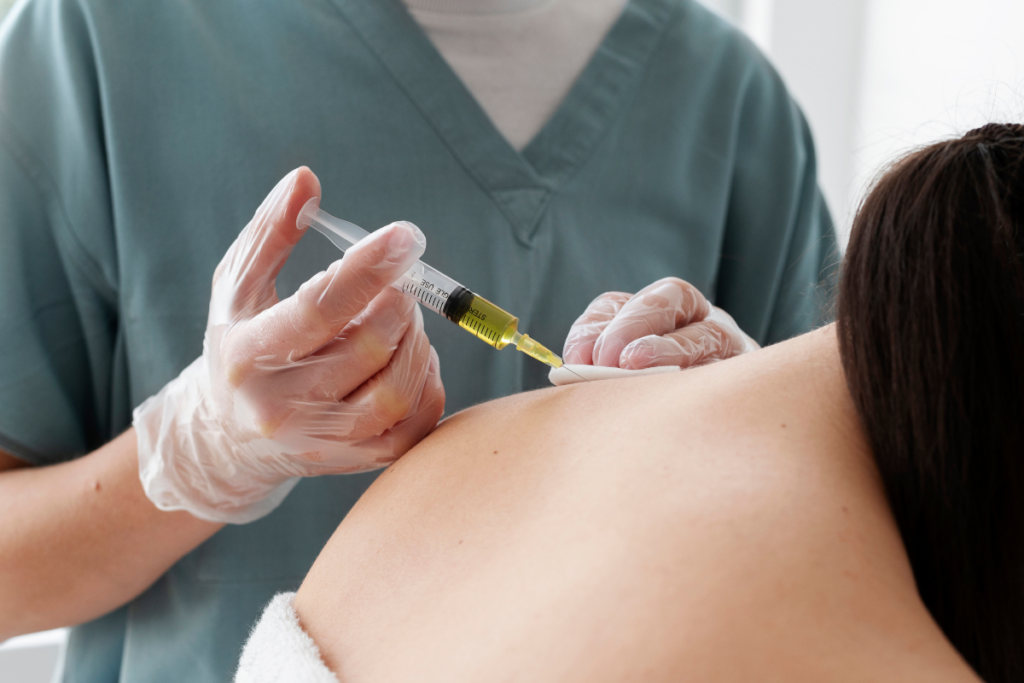
Trigger point injections are a targeted medical treatment used to release tight muscle bands, often called trigger points, that contribute to pain and limited mobility.
- These injections typically contain:
- A local anesthetic
- Saline solution
- Sometimes a small amount of anti-inflammatory medication
- The goal is to reduce muscle spasm, improve circulation, and help restore normal movement patterns.
- After surgery, trigger points may develop in:
- Muscles surrounding the surgical site
- Compensating muscle groups
- Postural stabilizers
- Areas affected by reduced mobility
- Treating these points may help reduce stiffness and discomfort.
What Happens in the Body After Surgery

- Surgical procedures often require:
- Tissue incision
- Temporary immobilization
- Reduced physical activity
- Protective muscle guarding
- As the body heals, several changes may occur.
Muscles may become tight due to limited movement. Scar tissue can alter how tissues glide over one another. Pain sensitivity may increase as nerves recover.
- Common post-surgical symptoms include:
- Muscle stiffness
- Pulling or tight sensations
- Reduced range of motion
- Localized tenderness
- Fatigue during activity
- Postural changes
- Over time, compensatory movement patterns may develop. For example, after knee or hip surgery, the lower back or opposite leg may work harder. After abdominal or chest surgery, breathing muscles may tighten.
Understanding these adaptations helps explain why treatments that target muscle tension can support recovery.
How Trigger Point Injections May Help Post-Surgical Stiffness
Trigger point injections focus on improving muscle relaxation and tissue function.
Here are several ways they may help.
1. Reduces Protective Muscle Guarding
After surgery, muscles often remain contracted to protect healing tissues.
Trigger point injections may help:
- Decrease involuntary muscle tension
- Improve comfort during movement
- Support gradual return to activity
2. Improves Local Circulation
Tight muscles may have reduced blood flow.
Injections may help:
- Increase oxygen delivery
- Support tissue repair
- Reduce localized inflammation
Better circulation may help muscles recover more efficiently.
3. Restores Tissue Mobility
Scar formation and inactivity can limit how muscles and fascia move.
Trigger point treatment may help:
- Improve tissue glide
- Reduce stiffness during stretching
- Increase range of motion
4. Reduces Pain Sensitivity
Post-surgical nerves can become more sensitive.
Relaxing trigger points may help:
- Decrease pain intensity
- Improve tolerance to rehabilitation exercises
- Reduce referred pain patterns
5. Supports Functional Recovery
Pain and stiffness often interfere with rehabilitation.
Trigger point injections may help patients:
- Participate more comfortably in physical therapy
- Improve walking or lifting tolerance
- Restore confidence in movement
6. Helps Address Compensatory Muscle Strain
Other muscles may overwork while protecting the surgical area.
Treatment may help reduce strain in these supporting muscle groups.
Post-Surgical Patterns and Potential Benefits

| Post-Surgical Concern | Potential Benefits |
|---|---|
| Joint replacement stiffness | Improved mobility and muscle relaxation |
| Abdominal surgery tension | Reduced pulling sensations |
| Shoulder surgery tightness | Better range of motion |
| Spine surgery muscle guarding | Reduced localized pain |
| Postural compensation | Improved movement balance |
| Scar-related muscle discomfort | Improved tissue flexibility |
What to Expect During a Treatment Session

1. Medical Assessment
Your provider will review:
- Surgical history
- Healing progress
- Movement limitations
- Rehabilitation goals
2. Identification of Trigger Points
Tight muscle bands that reproduce familiar discomfort are located.
3. Injection Procedure
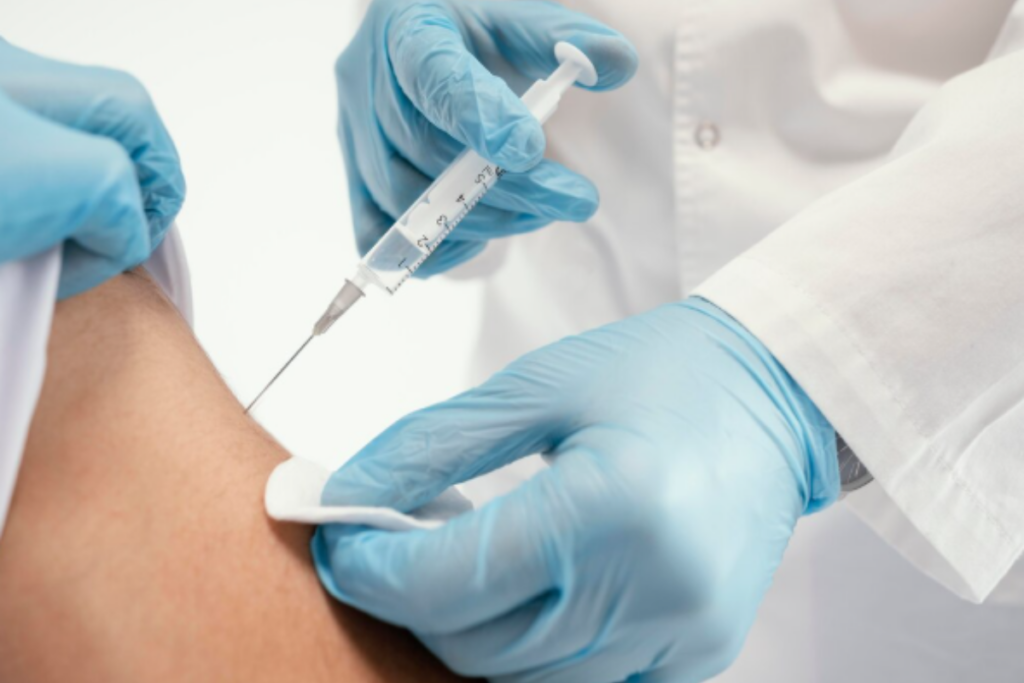
A small needle delivers medication into the trigger point.
Patients may feel:
- Brief pressure or twitch response
- Temporary soreness
- Gradual muscle relaxation
4. After Treatment
Common early effects may include:
- Reduced stiffness
- Easier movement
- Improved comfort during therapy
Multiple sessions may be recommended depending on recovery needs.
Who May Benefit From Trigger Point Injections After Surgery?
This treatment may be helpful if you:
- Experience persistent muscle stiffness after healing
- Find rehabilitation exercises uncomfortable
- Notice compensatory muscle tightness
- Want targeted support for mobility recovery
- Have medically stable post-surgical healing
Trigger point injections work best when combined with:
- Physical therapy
- Gentle strengthening exercises
- Postural training
- Medical supervision
When to Avoid Trigger Point Injections
- Active infection near the surgical site
- Delayed wound healing
- Bleeding disorders
- Severe unexplained swelling
- Uncontrolled medical conditions
When to Expect Results
After several treatments Mobility and comfort during activity may improve more consistently.
With continued rehabilitation Results often become longer-lasting.
FAQs
Can trigger point injections speed surgical healing?
They do not speed tissue healing directly but may reduce muscle stiffness that limits recovery.
Are they safe after surgery?
Yes, when healing is medically stable and treatment is guided by a qualified provider.
How many sessions are needed?
Some patients benefit from 1–3 treatments, while others require ongoing care.
Do they replace physical therapy?
No. They support participation in rehabilitation but do not replace exercise programs.
Can injections help scar-related tightness?
They may help reduce muscle tension around scar tissue.
Is rest required after treatment?
Light activity is usually encouraged, but strenuous exercise may be limited briefly.
How long does relief last?
Relief duration varies but often improves with repeated sessions and rehabilitation.
Are there side effects?
Temporary soreness or mild bruising may occur.
Supporting Comfortable Recovery After Surgery
Post-surgical muscle stiffness can slow your return to normal activity. Even when healing progresses well, tension in surrounding muscles may continue to limit movement and comfort.
Trigger point injections offer a targeted approach to relaxing tight tissues, reducing pain sensitivity, and supporting functional recovery.
If persistent muscle stiffness is affecting your rehabilitation progress, this treatment may help improve comfort and restore confidence in movement.