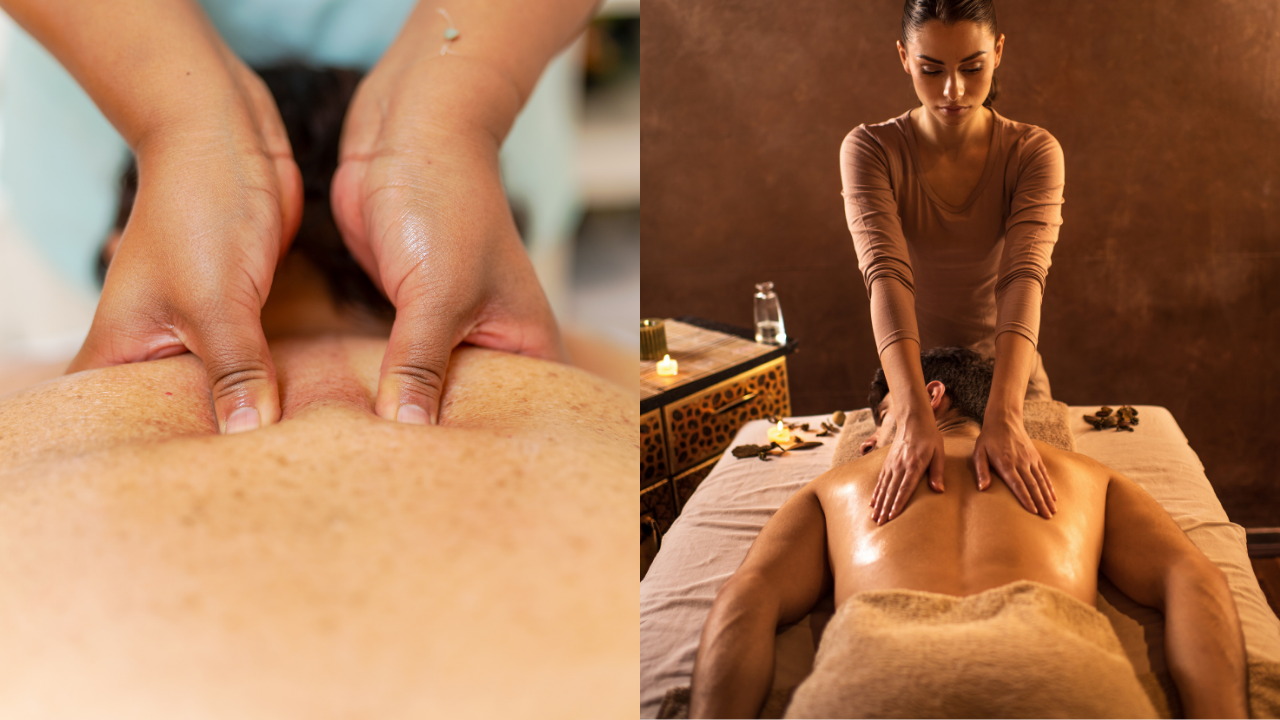
Feeling heavy, puffy, or just plain off—and not sure why?
It might not be your diet, your stress levels, or your hormones. It could be your lymphatic system quietly struggling in the background. When your body isn’t draining fluids properly, things build up: swelling, brain fog, fatigue, skin issues, even a general sense of “blah” you can’t shake.
That’s where lymphatic drainage massage comes in. This gentle, medically-informed technique is designed to help your body do what it’s already trying to do—move waste, reduce swelling, and get things flowing again.
If your body feels stagnant, it might be time to support your lymph—not push harder.
What Is Trigger Point Therapy?

Trigger point therapy is a specialized technique that focuses on releasing tight, irritable spots in your muscles—often called “knots”. These trigger points are small, hyper-sensitive areas that can cause pain where they form and even in other parts of the body.
For example, a trigger point in your neck might create pain that radiates into your shoulder blade or even up into your head, leading to a tension headache.
During trigger point therapy, your therapist applies direct, sustained pressure to these knots using their hands, elbows, or sometimes special tools. The goal is to deactivate the trigger point, reduce tension, and restore healthy muscle function.
Think of it this way: massage provides a wide sweep of relaxation, while trigger point therapy acts like a laser—pinpointing the exact source of pain for focused relief.
What Is Massage Therapy?

Massage therapy is one of the oldest and most widely recognized forms of hands-on care. It involves a variety of techniques—such as kneading, stroking, and gliding—that work across large areas of muscle and soft tissue.
Unlike trigger point therapy, which focuses on a specific problem spot, massage therapy takes a more holistic approach. The goal is to reduce overall muscle tension, improve circulation, and create a deep sense of relaxation throughout the body.
Common benefits of massage therapy include:
- Lower stress levels and improved mood
- Relief from everyday muscle aches and stiffness
- Increased flexibility and range of motion
- Better circulation and recovery after physical activity
Massage therapy works like a reset for your body—calming the nervous system, easing stress, and leaving you restored after work, training, or daily life.
Trigger Point Therapy vs. Massage Therapy: Key Differences
| Aspect | Trigger Point Therapy | Massage Therapy |
|---|---|---|
| Focus | Targets specific knots or tight spots causing pain | Works on the whole body to reduce overall stress and tension |
| Techniques | Direct, sustained pressure on painful trigger points | Flowing strokes, kneading, and gliding to relax muscles |
| Goals | Relieve localized pain, improve function, release muscle “knots” | Promote relaxation, improve circulation, support general well-being |
| Session Experience | Feels targeted and sometimes intense as the therapist presses into tight spots | Feels soothing and rhythmic, often described as calming and restorative |
| Practitioner Training | Performed by physical therapists or chiropractors with advanced training | Performed by licensed massage therapists with specialized training in relaxation techniques |
When to Choose Trigger Point Therapy

Trigger point therapy is best when pain feels sharp, localized, or stubborn, and you can often point to a specific knot or tight spot. Because it directly targets problem areas, it’s especially helpful if you’re dealing with:
- Tension headaches or migraines linked to neck and shoulder knots
- Chronic neck or back pain that doesn’t ease with stretching alone
- Sports injuries or overuse pain from repetitive movements
- Postural strain from long hours at a desk or computer
- Referred pain — discomfort in one area that actually stems from a trigger point elsewhere
If your pain feels like it starts in one spot and radiates outward—or if daily activities are limited by “knots” that won’t go away—trigger point therapy can provide focused relief and faster results than general massage.
When to Choose Massage Therapy
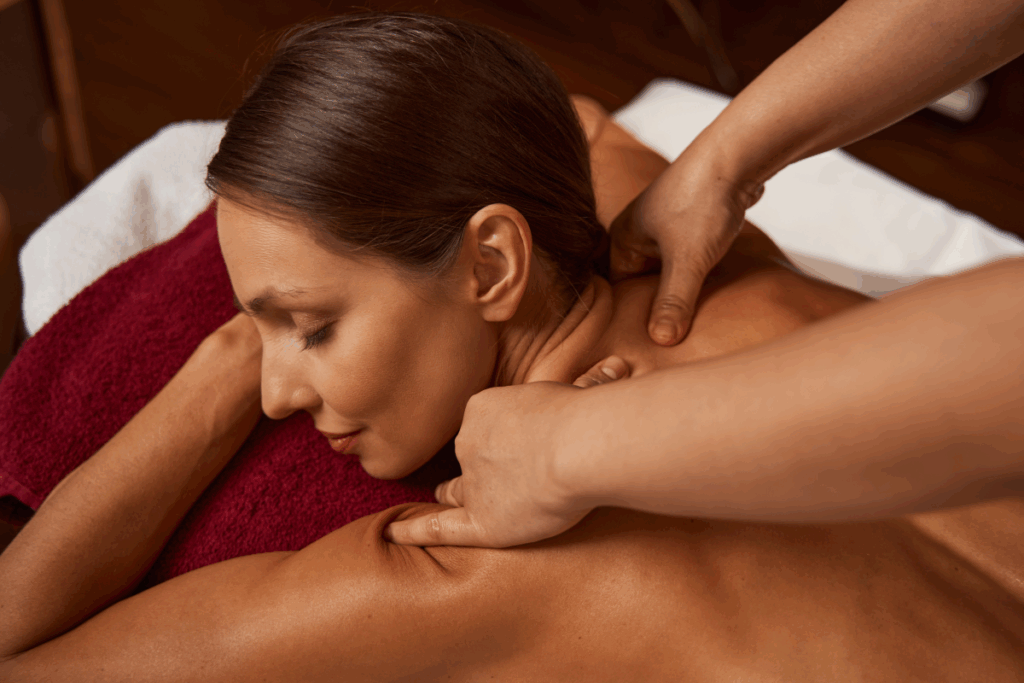
Massage therapy is ideal when your goal is overall relaxation and stress relief, rather than targeting one specific painful spot. It’s best suited for people who want to restore balance and calm throughout the body while also easing everyday aches.
You may benefit most from massage therapy if you:
- Struggle with stress, anxiety, or difficulty relaxing
- Experience general muscle tension or stiffness from work, travel, or daily life
- Want to improve flexibility and circulation
- Need support with recovery after exercise or physical activity
- Simply want a restorative “reset” for your body and mind
Massage therapy works well on its own, but it can also complement other treatments by keeping your muscles healthy and resilient between more targeted therapies.
Deciding Between the Two
The good news is you don’t always have to choose one or the other—trigger point therapy and massage therapy can complement each other beautifully.
- Trigger point therapy gives you targeted relief where pain and stiffness are most severe.
- Massage therapy helps your entire body relax, improves circulation, and keeps tension from coming back.
For many patients, a combination of both provides the best of both worlds: focused treatment for problem areas plus the overall reset that massage delivers. The therapist might begin by releasing painful trigger points in the neck and shoulders, then transition to a full-body massage to promote relaxation and balance.
If you’re unsure which is right for you, the simplest answer is this:
- Choose trigger point therapy for pain that feels sharp, localized, or persistent.
- Choose massage therapy when stress, tension, or whole-body relaxation is your priority.
- Or choose both for a comprehensive approach to feeling and moving better.
FAQs

1. What is the main difference between trigger point therapy and massage therapy?
Trigger point therapy targets specific painful knots, while massage therapy focuses on whole-body relaxation and circulation.
2. Is trigger point therapy painful?
It can feel intense during pressure, but the discomfort usually fades quickly and is followed by relief.
3. How long does a trigger point therapy session take?
Typically 30–60 minutes, depending on how many areas need attention.
4. Can massage therapy help with pain too?
Yes—massage reduces general muscle tension and stress, which can ease everyday aches.
5. Which therapy is better for headaches?
Trigger point therapy is often more effective, especially for tension headaches linked to tight neck and shoulder muscles.
6. How often should I get these therapies?
For acute pain, weekly sessions may help. For stress relief, massage once or twice a month is common.
7. Can I combine trigger point therapy with massage in one session?
Yes—many therapists blend both for targeted pain relief and full-body relaxation.
8. Do I need a referral for these therapies?
Usually not. You can book directly, though insurance coverage may vary.
When Muscles Let Go, So Do You
Both trigger point therapy and massage therapy offer powerful ways to ease muscle pain and tension, but they serve different purposes. Trigger point therapy zeroes in on the exact knots causing pain, while massage provides whole-body relaxation, stress relief, and improved circulation.
For many people, the best results come from combining both approaches—using targeted pressure to release problem areas, then following with massage to restore balance and relaxation.
If you’re unsure which option is right for you, the good news is you don’t have to decide alone. Our licensed therapist can assess your needs, explain your options, and create a plan that’s tailored to your body.
Don’t let pain or tension hold you back
Book your consultation today and take the first step toward lasting relief and better movement.