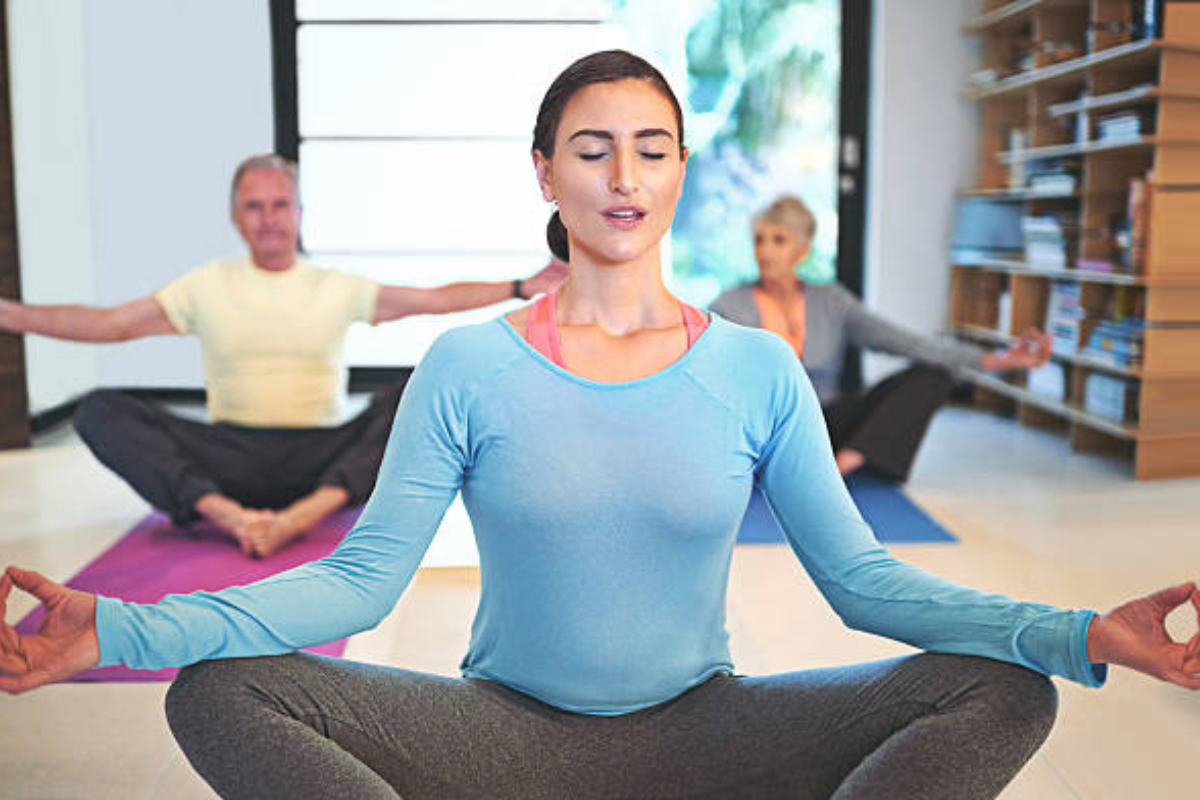
At first, stress may feel temporary. A busy week at work. A difficult conversation. A few nights of poor sleep. You assume things will settle down soon. But sometimes the tension doesn’t fade. You may wake up already feeling tired. Your shoulders stay tight. Small problems feel overwhelming. Concentration becomes harder. Even when you try to relax, your mind keeps racing.
Over time, stress can begin affecting both the mind and body. Sleep becomes lighter. Headaches appear more often. You might feel constantly on edge, even during quiet moments. When stress continues for weeks or months, it can develop into chronic stress—a state where the body remains in heightened alert mode.
Many people try relaxation techniques, exercise, or meditation to manage stress. Yoga combines movement, breathing, and mindfulness.
But how can a physical practice influence stress in the body? To understand this, it helps to look at how stress affects the body.
Understanding Stress and Chronic Stress

Stress is the body’s natural response to challenge or pressure.
When a stressful situation occurs, the brain activates the sympathetic nervous system, also known as the fight-or-flight response. This triggers the release of stress hormones such as cortisol and adrenaline.
These hormones prepare the body to respond quickly by causing:
- Increased heart rate
- Faster breathing
- Muscle tension
- Heightened alertness
- Increased blood pressure
In short bursts, this response can be helpful. It helps the body react to immediate challenges. However, when stress becomes constant, the body may stay in this activated state for long periods.
Common symptoms include:
- Persistent fatigue
- Difficulty sleeping
- Muscle tension (especially in the neck and shoulders)
- Headaches
- Anxiety or irritability
- Digestive problems
- Brain fog or difficulty concentrating
- Elevated heart rate or blood pressure
But stress isn’t only emotional — it’s also physical. Long-term stress can disrupt breathing patterns, tighten muscles, and keep the nervous system in a constant state of alertness. Understanding this broader picture matters, because yoga works on several of these stress pathways at once.
How Yoga Helps Reduce Stress
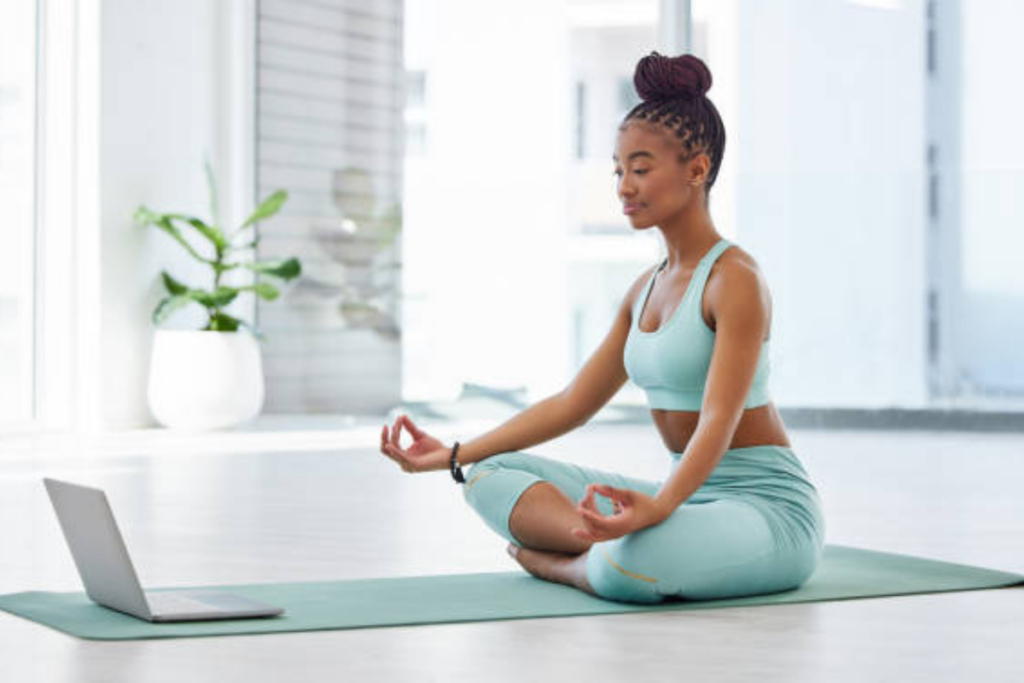
Yoga combines movement, breathing, and mindfulness, which together influence how the body responds to stress.
Rather than simply stretching muscles, yoga helps regulate the nervous system and restore balance between the body and mind.
Here are several ways yoga may help reduce stress and chronic stress symptoms.
1. Regulates the Nervous System
Chronic stress keeps the body in a sympathetic “fight-or-flight” state.
Yoga activates the parasympathetic nervous system, often called the rest-and-digest system.
Regular yoga practice may help:
- Reduce cortisol levels
- Slow heart rate
- Improve heart-rate variability
- Encourage relaxation responses
As the nervous system becomes more balanced, stress reactions often become less intense.
2. Improves Breathing Patterns
Stress often causes shallow, rapid breathing.
Yoga emphasizes slow, controlled breathing techniques that encourage deeper diaphragmatic breathing.
This may help:
- Increase oxygen delivery
- Reduce feelings of anxiety
- Slow the stress response
- Improve respiratory efficiency
Many people notice that focused breathing alone can significantly reduce tension.
3. Reduces Muscle Tension
Chronic stress often leads to persistent muscle tightness, especially in the:
- Neck
- Shoulders
- Upper back
- Jaw
- Lower back
Yoga postures gently stretch and release these areas, helping reduce accumulated tension.
Improved flexibility and circulation can also reduce physical discomfort linked to stress.
4. Lowers Stress Hormone Levels
Research suggests regular yoga practice may help reduce cortisol, the body’s primary stress hormone.
Lower cortisol levels may contribute to:
- Improved sleep
- Reduced anxiety
- Better emotional regulation
- Increased energy stability
5. Enhances Mind-Body Awareness
Yoga encourages mindfulness — the ability to stay present and aware of physical and emotional sensations.
Greater awareness may help people:
- Recognize stress triggers earlier
- Interrupt negative thought cycles
- Respond more calmly to challenges
This mental clarity often helps reduce the intensity of chronic stress.
6. Improves Sleep Quality
Stress often disrupts sleep patterns.
Yoga practices that combine gentle movement with breathing exercises may help:
- Reduce nighttime anxiety
- Promote relaxation before bedtime
- Improve sleep duration and depth
Better sleep, in turn, helps the body recover from daily stress.
Stress Symptoms and Potential Benefits of Yoga
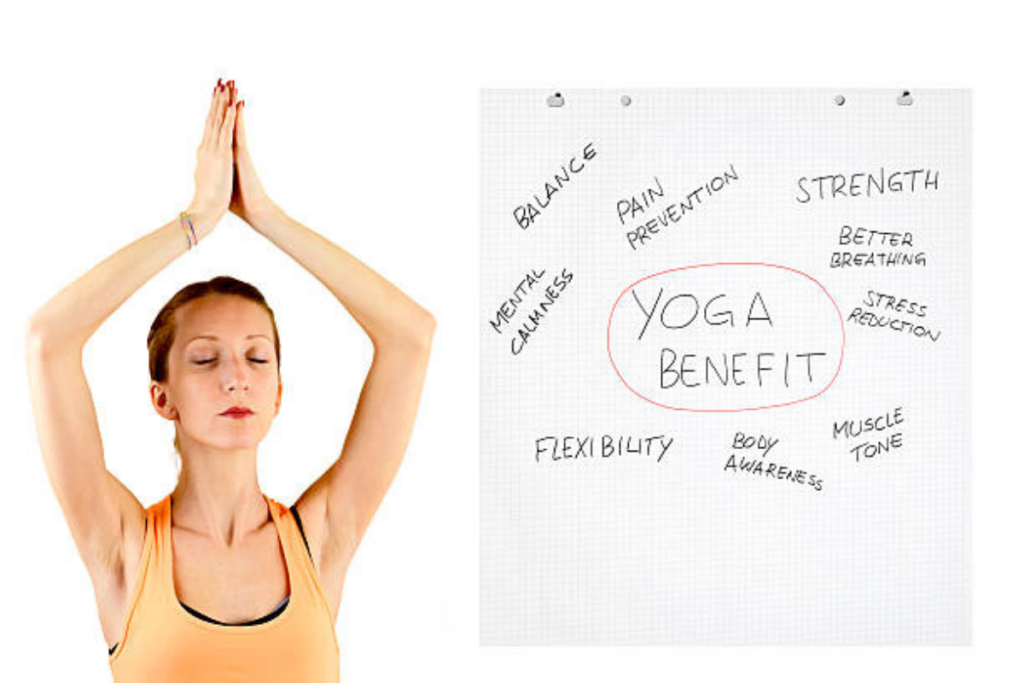
Yoga can support a wide range of stress-related symptoms.
| Stress Symptom | Potential Benefits of Yoga |
|---|---|
| Muscle tension | Improved flexibility and relaxation |
| Anxiety | Calmer nervous system response |
| Poor sleep | Improved sleep quality and relaxation |
| Fatigue | Better energy balance |
| Headaches | Reduced neck and shoulder tension |
| Digestive discomfort | Improved nervous system regulation |
| Brain fog | Increased mental clarity |
| Irritability | Better emotional balance |
Yoga is often integrated into stress-management programs alongside other wellness strategies.
What to Expect During a Stress-Focused Yoga Session
1. Initial Assessment
Instructors may discuss:
- Current stress levels
- Physical limitations
- Sleep patterns
- Lifestyle factors
This helps tailor the session to your needs.
2. Gentle Movement and Stretching
Stress-focused yoga sessions typically begin with slow movements that release tension in major muscle groups.
Common areas of focus include:
- Neck and shoulders
- Spine and hips
- Chest and breathing muscles
3. Guided Breathing Exercises
Breathing practices, often called pranayama, may include:
- Slow diaphragmatic breathing
- Rhythmic breathing patterns
- Extended exhalation techniques
These exercises help calm the nervous system.
4. Relaxation and Mindfulness
Sessions often end with a relaxation period where the body and mind can fully settle.
Many people experience:
- Deep physical relaxation
- Slower breathing
- A quiet, focused mind
5. After the Session
Common immediate effects may include:
- Reduced tension
- Improved mood
- A sense of calm
- Better mental clarity
Regular practice often provides the most consistent stress-relief benefits.
Who May Find Yoga Helpful for Stress Management?
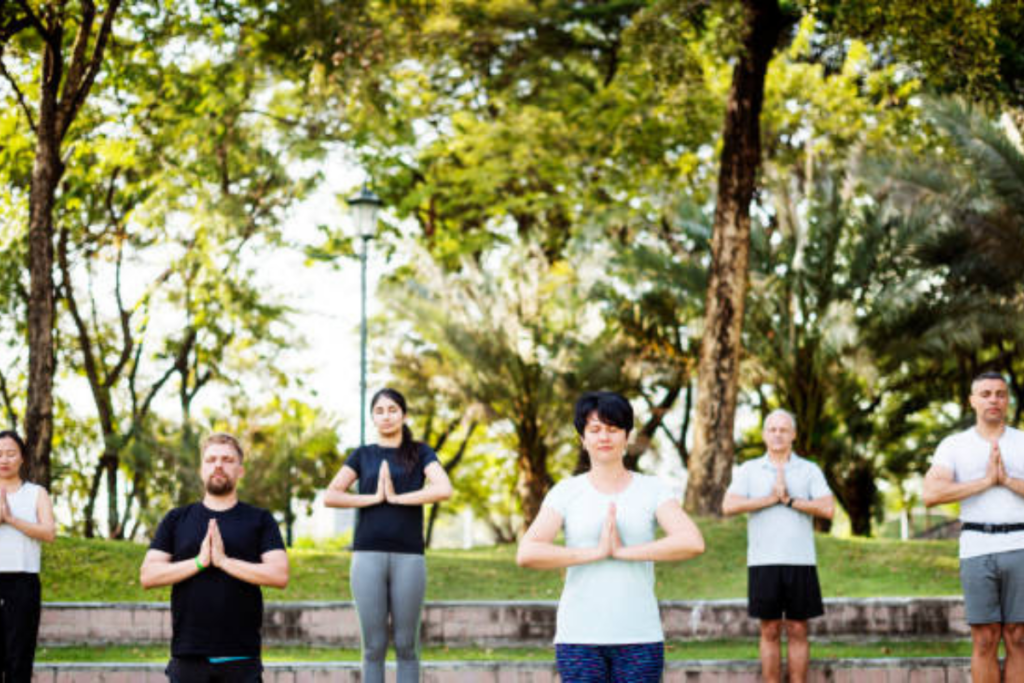
Yoga may be helpful if you:
- Experience persistent stress or anxiety
- Have muscle tension related to stress
- Struggle with sleep due to stress
- Want a natural approach to relaxation
- Prefer gentle physical activity that supports mental well-being
Yoga is generally safe for most people and can be adapted to different fitness levels.
It works well alongside:
- Counseling or therapy
- Stress-management programs
- Exercise routines
- Meditation or mindfulness practices
- Medical supervision when needed
FAQs

1. Can yoga eliminate stress completely?
No. Stress is a natural part of life. Yoga helps improve how the body responds to stress rather than eliminating stress entirely.
2. How often should I practice yoga for stress relief?
Many people benefit from practicing 3–5 times per week, though even shorter sessions can help.
3. Is yoga better than meditation for stress?
Both can be helpful. Yoga combines physical movement with breathing and mindfulness, which some people find easier to maintain.
4. Can beginners practice yoga for stress relief?
Yes. Many stress-focused yoga styles are gentle and designed specifically for beginners.
5. Can yoga help with anxiety symptoms?
Yes. Yoga’s breathing and relaxation techniques can help calm the nervous system and reduce anxiety responses.
6. How quickly can yoga reduce stress symptoms?
Some people feel relaxed after a single session, but consistent practice provides stronger long-term benefits.
7. Is yoga safe for people with chronic health conditions?
In most cases yes, but it’s best to consult a healthcare provider if you have significant medical conditions.
8. Do I need flexibility to start yoga?
No. Yoga helps improve flexibility over time and can be adapted to all ability levels.
Finding Balance in a Stressful World
Stress may be unavoidable, but living in a constant state of tension doesn’t have to be. Yoga offers a gentle and structured way to calm the nervous system, release muscle tension, and improve both physical and mental balance.
Through regular practice, many people find that their breathing becomes steadier, their sleep improves, and daily challenges feel easier to manage.
If you’re looking for a supportive way to manage stress and restore balance in your daily life, yoga may be a meaningful step toward greater calm and resilience.