The Mid-Week Slump Is Real
For most people, Wednesday marks the midpoint of the week. But for teachers, it can feel like hitting a wall. Your body’s tired, your brain’s overloaded, and your patience is wearing thin. Whether you’re in a classroom managing 25 energetic students or spending hours prepping, grading, and responding to emails, it’s easy to feel like you’re running on fumes by the middle of the week.
You’re not imagining it. The emotional and physical output required to teach—especially during back-to-back days—can leave your muscles tight, your mind racing, and your energy levels dragging. That’s where massage therapy comes in.
A mid-week massage isn’t just a luxury. It’s a lifeline.

Teaching Is a Full-Body, Full-Heart Job
Educators give constantly—emotionally, mentally, and physically. And while the rewards of teaching are great, so are the demands. By mid-week, many teachers report:
- Neck and shoulder tension from standing, leaning, or using screens
- Back pain from long hours on their feet or at a desk
- Tension headaches from stress and screen time
- Emotional fatigue from managing classroom dynamics
- Difficulty sleeping as stress builds throughout the week
Even if you’re getting through your to-do list, your body may be quietly carrying a load you’re not fully aware of. That’s why it’s essential to create space for recovery—and massage therapy offers one of the most effective ways to do just that.
The Science Behind Massage and Stress Relief
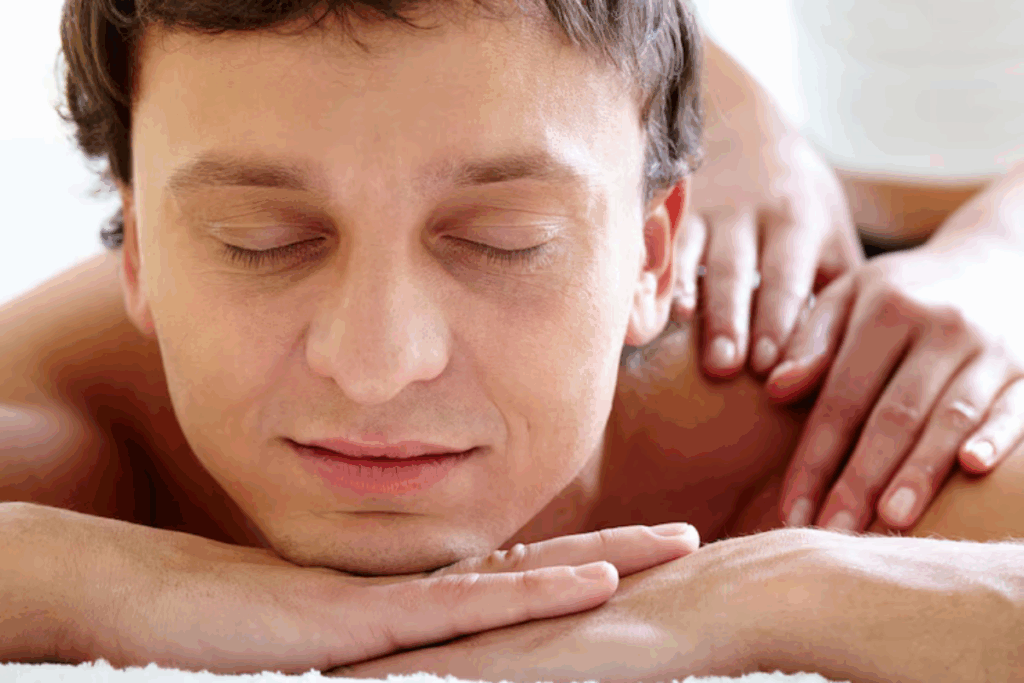
Massage therapy isn’t just relaxing—it’s clinically proven to reduce the effects of stress on the body.
Here’s how it helps:
Eases Muscle Tension
Massage targets deep-seated tension in the muscles and fascia (the connective tissue that wraps around muscles). For teachers, this means relief from tight shoulders, sore backs, and strained hips from hours of movement (or immobility).
Lowers Cortisol (Stress Hormone)
Cortisol is your body’s main stress hormone. When it stays elevated—especially in high-stress environments like schools—it can lead to sleep problems, fatigue, and even inflammation. Massage has been shown to significantly lower cortisol levels, helping your body shift out of “survival mode” and into a more relaxed, balanced state.
Improves Sleep Quality
Even one session of massage can improve sleep by calming the nervous system and releasing serotonin and dopamine—chemicals that help regulate rest and mood. Better sleep = better focus, patience, and presence in the classroom.
Supports Mental Clarity and Focus
By helping the body relax, massage also gives the mind a chance to reset. Many teachers report feeling mentally clearer, emotionally lighter, and more focused after a massage.
Feeling the mid-week fatigue setting in? therapeutic massage session today that will help you hit reset.
What a Mid-Week Massage Can Look Like
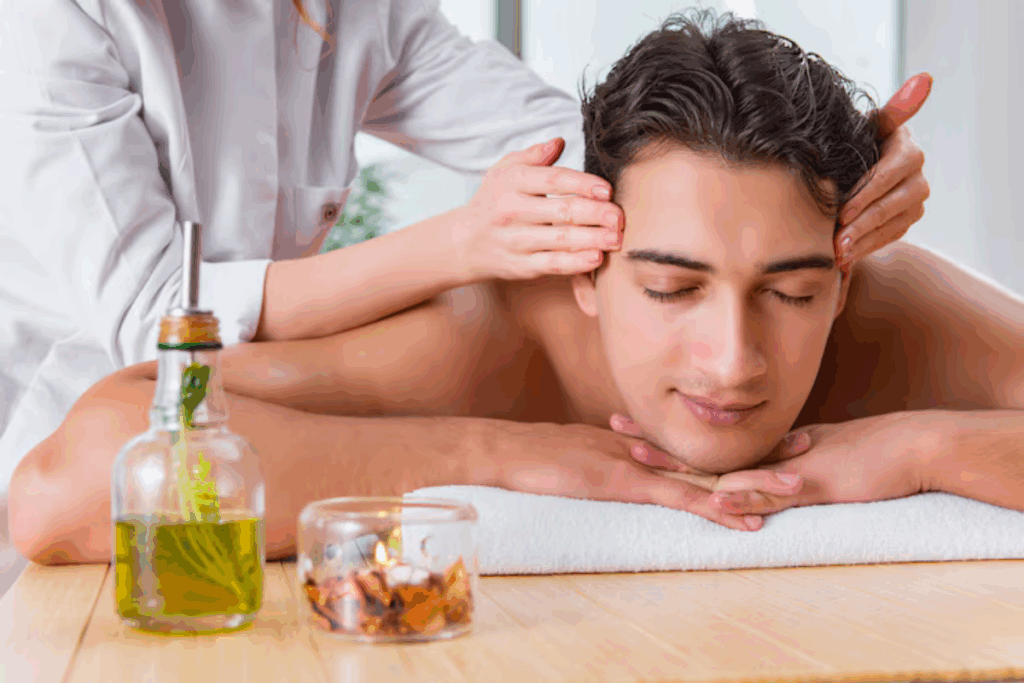
At Circle Wellness, our massage therapy sessions are designed with educators in mind. Whether you need targeted relief in your neck and shoulders or a full-body reset, we tailor each session to your needs.
You can expect:
- A calming, quiet environment that lets your nervous system rest
- Therapists who understand the unique physical stress of teaching
- Massage techniques focused on your trouble areas (e.g., deep tissue, trigger point therapy, Swedish)
- A gentle, supportive pace that helps you unwind—mentally and physically
Even a 30-minute mid-week massage can offer noticeable relief, making the second half of your week feel more manageable.
Real Results from Real Educators
We’ve heard time and again from teachers who say:
“I didn’t realize how much tension I was holding until I got on the table.”
“Mid-week massages are my secret to surviving the semester.”
“It’s the only time during the week that I fully let go.”
You don’t have to wait for a holiday or a break to feel better. Relief is available right now—one session at a time.
More Than a Treat—It’s a Tool for Teacher Resilience
Self-care often gets framed as indulgence. But in the teaching profession, it’s essential. You can’t pour from an empty cup—and when your body is tight, your sleep is off, or your stress is peaking, it’s harder to bring the patience and presence that your work demands.
Regular massage therapy is a sustainable way to care for the person behind the lesson plans. It helps you:
- Recharge mid-week instead of burning out by Friday
- Sleep better so you wake up more refreshed
- Loosen muscles before they become chronic pain points
- Feel calmer and more balanced throughout the day
And importantly—it reminds you that you matter, too.
FAQs: Massage Therapy for Teachers
1. How can massage therapy help me as a teacher?
Massage helps relieve muscle tension from standing, sitting, and repetitive movements. It also lowers stress levels, improves sleep, and boosts mental clarity—so you can feel more present and energized during your school day.
2. What areas do teachers usually need the most focus on?
Common areas of tension include the neck, shoulders, upper back, and lower back. Many teachers also benefit from hip and leg work, especially if they’re on their feet most of the day.
3. How long should a massage session be?
Even a 30-minute session can make a difference, especially mid-week. For deeper relaxation or full-body care, 60- to 90-minute sessions offer more comprehensive benefits.
4. Is massage therapy just about relaxation?
Not at all. While massage does promote relaxation, it also improves circulation, reduces inflammation, relieves pain, and supports long-term physical and mental health—especially when done regularly.
5. How often should I schedule a massage during the school year?
Weekly or biweekly massages during high-stress periods can help prevent burnout. Even once a month can offer consistent support for your body and mind.
6. I’ve never had a massage—what should I expect?
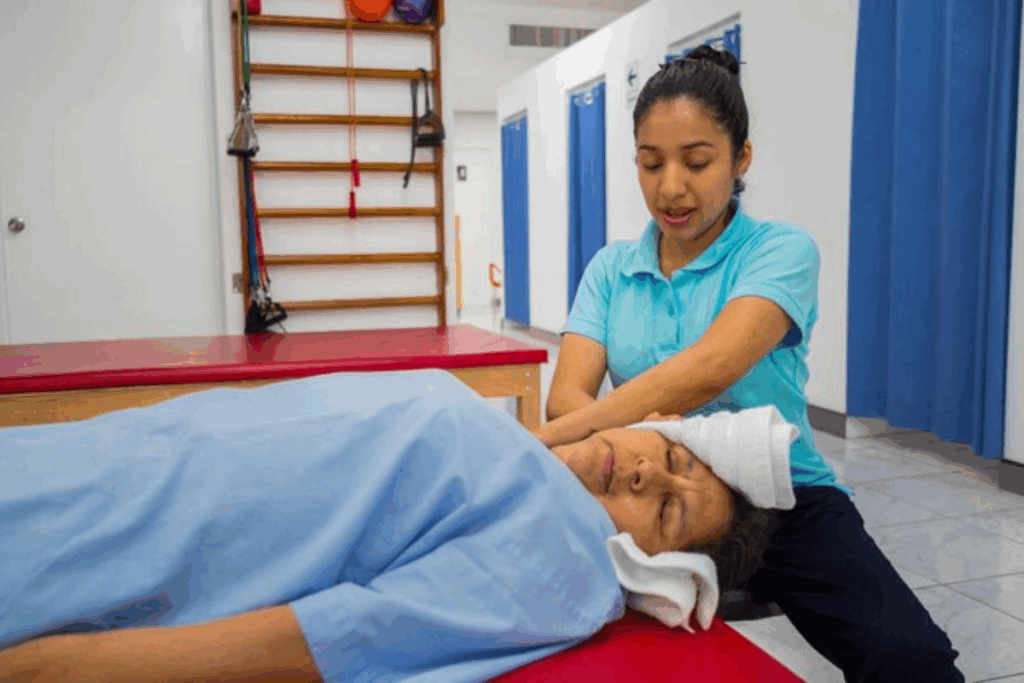
Your session will be tailored to your comfort. You’ll lie on a massage table in a calm setting while a trained therapist applies techniques suited to your needs. You’ll be covered the entire time, and communication is always encouraged.
7. Can I get a massage even if I don’t have pain?
Absolutely. Massage is great for prevention. It supports healthy posture, reduces stress hormones, and improves overall well-being—whether or not you’re in pain.
8. Does Circle Wellness MD offer massages specifically for educators?
Yes! We work closely with teachers and understand the demands of your day. Our sessions are customized to relieve the physical and emotional tension that builds up throughout the school week.
Ready to Press Pause and Reset?
Teaching asks so much of you—mentally, physically, and emotionally. While your schedule may be packed and the demands nonstop, one thing you can control is how you care for yourself in the middle of it all. Prioritizing your well-being isn’t a luxury—it’s how you stay strong, focused, and connected to the work you love.
A mid-week massage at Circle Wellness MD offers more than just relief—it’s a reset. It gives your body space to release tension, your mind permission to slow down, and your breath a chance to deepen. Because the care you give others matters—and so does how supported and restored you feel along the way.