Still dealing with stubborn muscle knots that won’t let go?
You’ve tried stretching, resting, even massage—but that deep-seated pain in your neck or back keeps coming back. When everyday methods stop working, treatments like trigger point injections can offer real relief. But if you’re wondering what’s actually in those injections—and whether the steroid used matters—you’re not alone. Let’s break down the options, how they work, and what makes one steroid different from another so you can feel confident about your next step toward lasting relief.
What Are Trigger Point Injections?

Trigger point injections (TPIs) are a minimally invasive option used to relieve muscle pain caused by tight, irritated knots called trigger points. These painful areas often limit movement and contribute to chronic tension—especially in the neck, back, or shoulders.
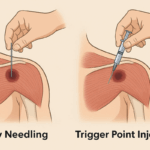
The procedure is quick, done without surgery, and typically performed in a clinical setting. A provider inserts a fine needle directly into the affected muscle. A small amount of anesthetic, saline, or corticosteroid may be added to reduce inflammation and break the pain cycle.
TPIs don’t just numb the area—they help restore muscle function and mobility. For many patients, it’s a smart, low-risk way to find lasting relief without relying on heavy medication.
The Role of Steroids in Trigger Point Injections

While many injections use anesthetics or saline, steroids may be added for longer relief—especially when inflammation is involved. They reduce swelling, ease pain, and help prevent recurrence.
- To calm localized inflammation in the muscle fibers and surrounding tissues.
- To enhance the duration of relief, especially in patients who have recurrent or treatment-resistant trigger points.
- To support healing by breaking the cycle of pain, spasm, and restricted movement.
- To avoid overuse of medications, since longer-lasting relief can reduce the need for repeated doses of oral painkillers or muscle relaxants.
It’s important to note that not all trigger point injections require steroids—our certified providers carefully assess your symptoms to choose the most suitable treatment for you.
Commonly Used Steroids in Trigger Point Injections

Here are the most commonly used corticosteroids in trigger point injections and what makes each one effective:
Triamcinolone
Methylprednisolone
Dexamethasone
Betamethasone
Each of these steroids is selected based on your unique pain pattern, inflammation level, and treatment history. Our experienced providers personalize every injection to ensure safe, targeted, and lasting relief.
Choosing the Right Steroid for You
Choosing the right steroid is a personalized decision that weighs effectiveness, safety, and your body’s unique needs:
Severity and Duration of Inflammation
Chronic or deeply rooted inflammation might call for a longer-acting steroid like Triamcinolone, while short-term flare-ups may respond well to Methylprednisolone or Dexamethasone.
Location of the Trigger Point
Smaller, more delicate muscle groups (like those around the neck or jaw) often require low-volume, water-soluble steroids such as Dexamethasone. Larger muscles may tolerate stronger agents like Betamethasone.
Previous Response to Steroids
If you’ve had trigger point injections before, your doctor will look at what worked—and what didn’t. Any side effects or limited relief can influence the next choice.
Underlying Health Conditions
Conditions like diabetes, osteoporosis, or fluid retention may limit which steroids are safest. For example, Dexamethasone may be chosen to reduce the risk of elevating blood sugar in diabetic patients.
Frequency of Injections Needed
If you need repeated injections, your provider might opt for a lower-dose steroid or vary the formulation to reduce tissue irritation or long-term side effects.
Desired Speed of Relief
Some patients need immediate pain relief to return to daily function—others need a slow, sustained release over weeks. Different steroids offer different timelines.
Ultimately, the goal is to ease pain and inflammation while keeping risks low. That’s why your treatment plan is tailored and carefully reviewed beforehand to prioritize your comfort and safety.
Are Steroids Always Used? Exploring the Alternatives
Steroids are often used in trigger point injections—but not always. Many effective alternatives exist, especially for patients who prefer to avoid corticosteroids or have conditions that make them unsuitable.
Here’s a breakdown of common alternatives to steroid-based injections:
Local Anesthetics Only (e.g., Lidocaine, Bupivacaine)
Many providers use a simple anesthetic without any steroids. These injections can deactivate trigger points, relieve pain, and improve mobility—especially in patients with mild to moderate symptoms.
Best for: Patients who can’t tolerate steroids, or those seeking short-term relief.
Saline (Dry Needling with Wet Injection)
A saline solution can be injected into the trigger point to mechanically release the muscle knot without chemical medication.
Best for: Individuals with medication sensitivities or those pursuing a more natural approach.
Dry Needling (No Injection at All)
In some cases, just the insertion of a needle (with no medication) is enough to disrupt the pain cycle and reset the muscle. This method stimulates a twitch response that helps the muscle relax.
Best for: Those who want a non-pharmacological option or are managing chronic tension with minimal inflammation.
Botulinum Toxin (Botox®)
Though less common and usually reserved for more complex or chronic cases, Botox can be injected to reduce muscle hyperactivity. It blocks nerve signals that cause spasms.
Best for: Severe muscle contractures or neurologically driven trigger points.
Natural or Integrative Therapies
Some practitioners may pair or substitute injection therapy with techniques like acupuncture, myofascial release, or manual therapy to address the root cause of muscle pain holistically.
So, are steroids always used?
No—and that’s a good thing. Treatment is flexible and can be adapted based on your body’s response, your health history, and your preferences.
Side Effects and Safety Considerations
Trigger point injections, particularly with steroids, are generally safe when done by trained professionals, though some precautions apply.
Common Side Effects (Typically Mild and Temporary):
- Soreness or bruising at the injection site
- Mild bleeding during or after the procedure
- Temporary numbness if a local anesthetic was used
- Muscle twitching or slight cramping after injection (usually subsides quickly)
These effects often resolve within 24–48 hours and are part of the normal healing response.
Possible (But Rare) Risks:
- Infection at the injection site
- Allergic reaction to the anesthetic or steroid
- Steroid-related side effects, especially with repeated use:
- Skin thinning
- Local tissue damage
- Temporary increase in blood sugar levels (especially in diabetic patients)
Trigger point injections are generally low-risk and highly effective for stubborn muscle pain. With proper technique, complications are rare and relief can be substantial.
FAQs

1 What’s the most commonly used steroid in trigger point injections?
Triamcinolone is one of the most frequently used steroids due to its long-lasting anti-inflammatory effects.
2 Do all trigger point injections include steroids?
No. Some use only local anesthetics or dry needling, especially for patients who can’t tolerate steroids.
3 How quickly will I feel relief after a steroid injection?
Relief can start within a few hours to a few days, depending on the medication used and your condition.
4 Are there long-term side effects of steroid injections?
Repeated use may lead to tissue thinning or irritation. Most side effects are mild when used occasionally.
5 Can I request a steroid-free trigger point injection?
Yes. Discuss alternatives like lidocaine-only injections or dry needling with your provider.
6 How often can I receive trigger point injections with steroids?
Most providers recommend spacing injections at least 4–6 weeks apart to avoid overuse of steroids.
7 Is one steroid better than another for muscle pain?
It depends on your medical history and how your body responds. Some steroids last longer; others act faster.
8 Do steroid injections hurt?
You may feel a quick pinch or slight pressure, but discomfort is usually minimal and brief.
9 Can I return to normal activity after the injection?
Yes, though it’s best to avoid heavy exercise for the first 24 hours to let the tissue settle.