“Healing is a matter of time, but it is sometimes also a matter of opportunity.”
— Hippocrates
You’ve stretched, rested, foam rolled—and still, that deep muscle pain lingers. Sound familiar? When tension becomes a daily battle, it’s time to look beyond the basics. You’ve probably heard the terms dry needling and trigger point injections—but figuring out which one will actually ease your pain? That’s the tricky part. If muscle knots, tension, or stubborn aches are wearing you down, let us walk you through the difference—clearly, simply, and in a way that helps you finally feel like yourself again.
What Is Dry Needling?

Dry needling is a modern therapeutic technique that targets muscle knots using thin needles. It triggers a quick twitch and deep release, helping reset muscle function and relieve pain—ideal for tension, stiffness, and sports-related injuries.
What it helps with
- Chronic or acute muscle pain
- Neck, shoulder, and back tension
- Sciatica or nerve-related muscle issues
- TMJ dysfunction and jaw pain
- Tension headaches or postural strain
- Athletic recovery or overuse injuries
Benefits include
- Fast relief from pain and stiffness
- Improved range of motion and flexibility
- Increased blood flow to tight or restricted areas
- Better muscle activation and body mechanics
- Complements physical therapy for long-term recovery
Dry needling is generally safe and well-tolerated. However, people with needle phobia, bleeding disorders, or certain medical conditions should consult their provider before treatment.
How long do the effects last?
- Some clients feel relief within hours.
- For others, it may take a few sessions to feel the full benefit.
- Results typically last several days to a few weeks, with longer relief possible when combined with movement therapy or massage.
- Consistency helps—muscles respond better over time with regular care.
What Are Trigger Point Injections?
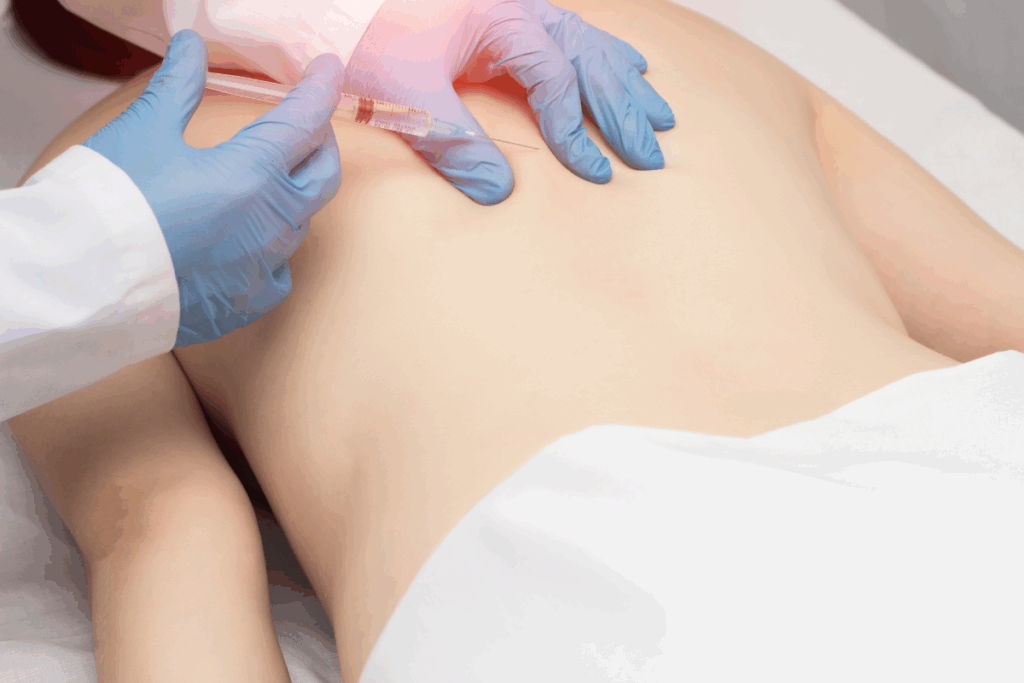
Trigger point injections (TPIs) treat painful muscle knots by injecting a small dose of anesthetic or anti-inflammatory medication. This helps numb the area, reduce inflammation, and release tension—restoring movement and easing chronic pain effectively.
What they help with
- Chronic neck, shoulder, or lower back pain
- Fibromyalgia and myofascial pain syndrome
- Tension headaches and migraines
- Sciatica and nerve compression
- Post-surgical muscular tightness
- Muscle pain that hasn’t responded to massage or physical therapy
Benefits include
- Often provides rapid pain relief
- Can calm severe muscle spasms or flare-ups
- Helps restore range of motion and mobility
- Minimally invasive with little downtime
- Can be used alongside physical therapy or massage
Trigger point injections are considered safe when performed by trained providers. They’re often used when conservative treatments haven’t brought lasting relief.
How long do the effects last?
- Many people feel immediate relief that can last for hours or days.
- For others, pain relief builds gradually and can last for weeks.
- Some need just one injection, while others benefit from a short series spaced out over time.
- When paired with bodywork, posture correction, or strengthening exercises, the results tend to last longer.
Key Differences Between Dry Needling and Trigger Point Injections

Dry needling and trigger point injections both target muscle pain, but they differ in method, provider, and speed of relief. Here’s how they compare:
Dry needling and trigger point injections both target muscle pain, but they differ in method, provider, and speed of relief. Here’s how they compare:
| Aspect | Dry Needling | Trigger Point Injections |
|---|---|---|
| Type of Practitioner | Performed by physical therapists, chiropractors, or trained bodyworkers | Performed by licensed medical providers (MDs, NPs, PAs) |
| Substance Used | No medication—just a thin monofilament needle | Involves injection of local anesthetic (with or without corticosteroids) |
| Purpose | Releases muscle tension and resets dysfunctional motor points | Deactivates trigger points and reduces inflammation or severe muscle pain |
| Conditions Best For | Mild to moderate pain, posture-related tension, sports recovery | Chronic or intense pain, fibromyalgia, myofascial pain syndrome |
| Typical Sensation | Mild soreness or twitch response; dry insertion only | Quick numbing at the site, sometimes brief burning or pressure |
| Results Timeline | May require multiple sessions for cumulative relief | Often faster-acting, sometimes immediate relief in the affected area |
Type of Practitioner
Dry Needling:
Performed by physical therapists, chiropractors, or trained bodyworkers
Trigger Point Injections:Performed by licensed medical providers (MDs, NPs, PAs)
Substance Used
Dry Needling:
No medication—just a thin monofilament needle
Trigger Point Injections:
Involves injection of local anesthetic (with or without corticosteroids)
Purpose
Dry Needling:
Releases muscle tension and resets dysfunctional motor points
Trigger Point Injections:
Deactivates trigger points and reduces inflammation or severe muscle pain
Conditions Best For
Dry Needling:
Mild to moderate pain, posture-related tension, sports recovery
Trigger Point Injections:
Chronic or intense pain, fibromyalgia, myofascial pain syndrome
Typical Sensation
Dry Needling:
Mild soreness or twitch response; dry insertion only
Trigger Point Injections:
Quick numbing at the site, sometimes brief burning or pressure
Results Timeline
Dry Needling:
May require multiple sessions for cumulative relief
Trigger Point Injections: Often faster-acting, sometimes immediate relief in the affected area
Aftercare and Recovery
Both treatments are minimally invasive and allow you to return to normal activity fairly quickly. Still, some post-treatment care can help:
After dry needling:
- You might feel mild soreness for 24–48 hours.
- Gentle stretching and hydration can help speed recovery.
- Avoid intense workouts immediately after treatment.
After trigger point injections
- Temporary numbness or heaviness is normal.
- Apply a cold pack to reduce swelling if needed.
- Light movement is encouraged, but skip heavy lifting for the first day or two.
When choosing between the two, your symptoms, health history, and goals will help guide the best approach.
Shared Benefits and Conditions Treated

Though dry needling and trigger point injections differ in technique, they share a common goal: relieving muscle pain and improving function. In many cases, they’re simply two paths to the same destination—helping your body let go of chronic tension and move more freely.
What Conditions Do Both Treat?
You might be surprised by how much overlap there is between the conditions each treatment can support. Both dry needling and trigger point injections are used to address:
- Myofascial pain syndrome
- Tension headaches and migraines
- Neck and shoulder stiffness
- Chronic lower back pain
- Sciatica and hip pain
- Sports-related muscle injuries
- TMJ (jaw tension)
- Fibromyalgia
- Postural imbalances
- Repetitive strain injuries
They’re also often used as part of recovery from overuse, trauma, or ongoing stress that the body has begun to store as physical pain.
Common Outcomes
Most people who respond well to either treatment experience:
- Noticeable reduction in localized or referred pain
- Increased range of motion and flexibility
- Decreased muscle tightness and spasms
- Less reliance on pain medication
- Better posture and body awareness
- Improved quality of life and activity levels
Ultimately, both treatments aim to restore function, reduce discomfort, and support long-term recovery—especially when combined with other therapies like massage, stretching, or physical rehab.
Which Treatment Should You Choose?
Deciding between dry needling and trigger point injections often comes down to what your body needs—and how it responds to different types of care. Both options are effective, but each has strengths depending on the situation.
Mild vs. Severe Conditions
If your pain is more muscular, mild to moderate, or tied to posture, tension, or overuse, dry needling may be a great starting point. It’s non-pharmaceutical, minimally invasive, and often used alongside physical therapy or massage for lasting relief.
On the other hand, if your pain is more severe, long-lasting, or connected to inflammation that hasn’t responded to other treatments, trigger point injections may offer more immediate relief. The use of a local anesthetic—or in some cases, corticosteroids—can quickly calm intense flare-ups or stubborn trigger points.
Treatment Accessibility
Access and availability can also play a role. Dry needling is commonly performed by physical therapists, chiropractors, and even some massage therapists trained in advanced techniques. It’s often easy to access in wellness clinics and outpatient rehab settings.
Trigger point injections, however, require a licensed medical provider (like a physician, nurse practitioner, or pain specialist) and may be administered in medical or integrative clinics.
Your choice might also depend on:
- How comfortable you are with needles or medications
- Whether you’ve tried one before with success
- How quickly you’re hoping to feel relief
- Whether you’re managing other conditions like autoimmune disorders or medication sensitivities
A short consultation with our certified provider can help clarify which path is best for your current symptoms, health goals, and preferences.
FAQs

Is dry needling the same as acupuncture?
No. Dry needling targets muscle trigger points using Western anatomy. Acupuncture focuses on energy flow (qi) in Traditional Chinese Medicine.
Do trigger point injections hurt?
You may feel a quick pinch or pressure. Discomfort is usually minimal and short-lived.
Can I do both treatments at different times?
Yes. Some start with injections for intense pain, then shift to dry needling for maintenance.
Are there risks with either treatment?
Both are safe when done by licensed providers. Mild soreness or bruising is common; serious issues are rare.
How many sessions will I need?
It varies. Some feel better after one session; others need a short series based on their condition.
Can I receive both treatments?
Injections often help with severe pain. Dry needling works well for mild to moderate tension.
Which is better for chronic pain?
Injections often help with severe pain. Dry needling works well for mild to moderate tension.
Will I feel immediate relief?
Yes, it calms your nervous system, lowers cortisol, and boosts mood—helping with anxiety and sleep.
Do these replace physical therapy?
No. They complement it. Combining with rehab exercises improves results.
How do I choose the right provider?
Pick a licensed specialist trained in either dry needling or trigger point injections