“A mother’s body becomes the first home her child will ever know.”
Pregnancy is one of life’s most incredible journeys—the joy, the anticipation, the flutter of tiny kicks. The feeling is truly irreplaceable. But along with the excitement often come backaches, swollen ankles, and sleepless nights that can steal away some of those precious moments.
Instead of letting discomfort overshadow your experience, imagine finding safe, nurturing relief that helps you feel more at ease. That’s where massage therapy comes in. Still, not all massages are the same during pregnancy. Prenatal massage is designed specifically for expectant mothers, while regular massage takes a more general approach. Knowing the difference is key to choosing what’s best for your comfort, safety, and overall well-being.
In this piece, we’ll explore how prenatal massage compares to regular massage, the benefits of each, and what to consider before booking your session.
What Is a Prenatal Massage?
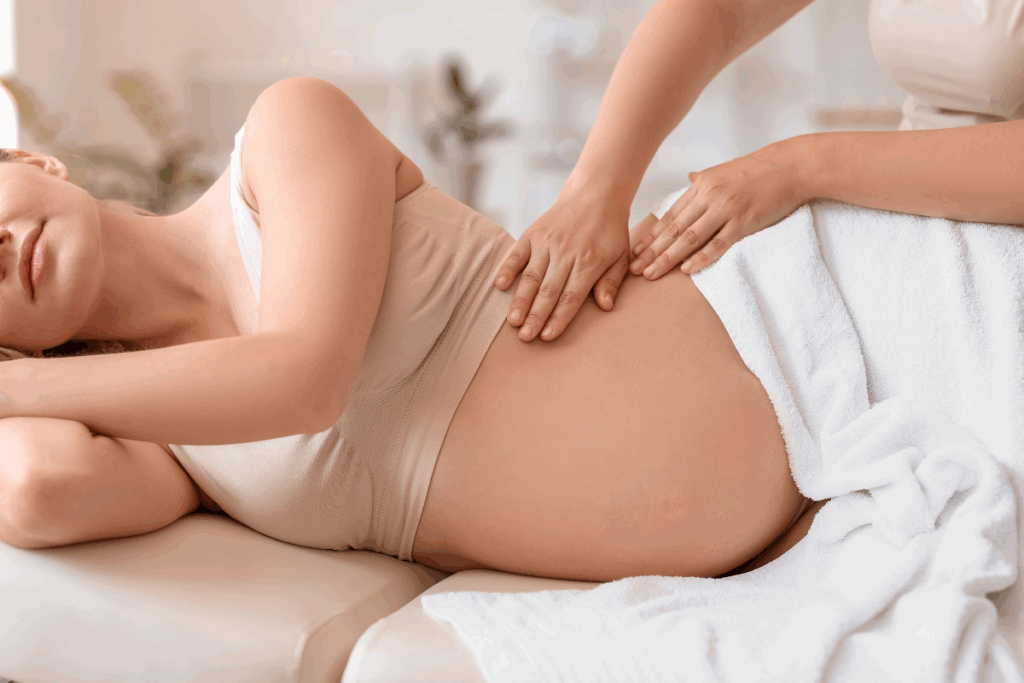
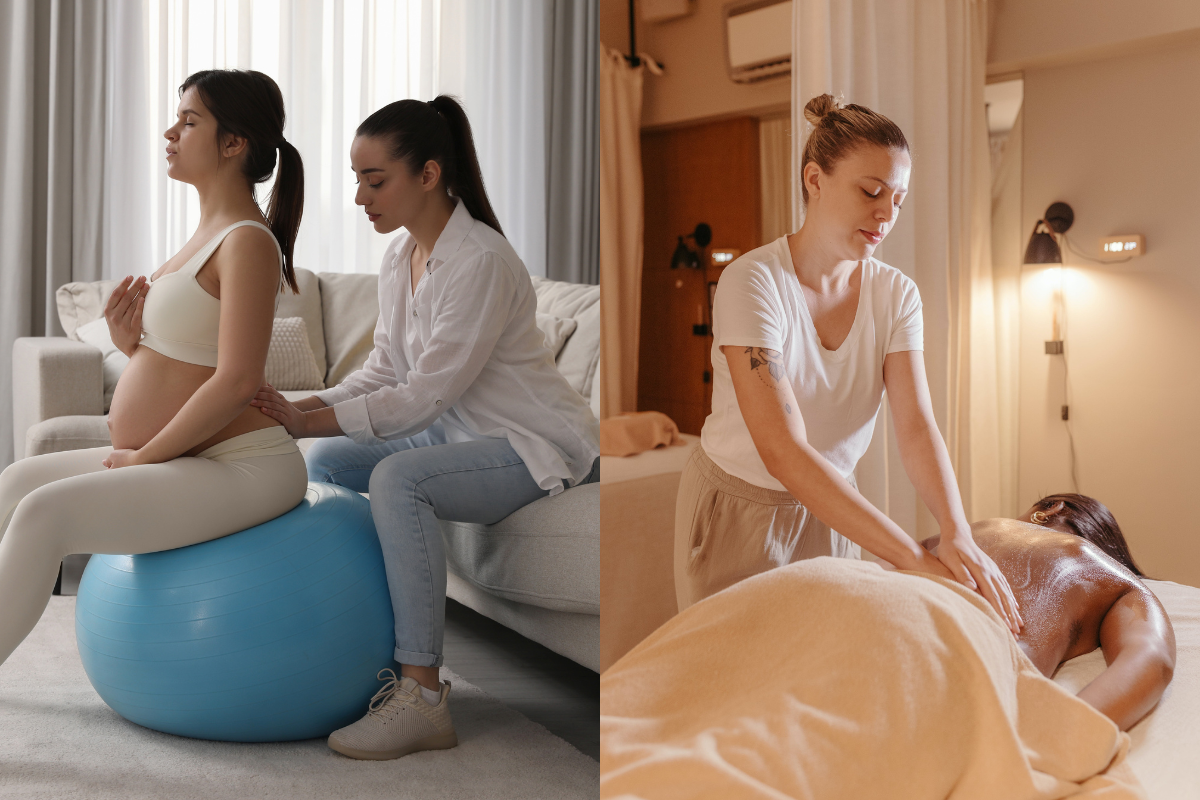
Prenatal massage is a specialized form of massage designed specifically for expectant mothers. Unlike a regular massage, it takes into account the physical and hormonal changes that occur during pregnancy and uses techniques that are both safe and supportive.
Prenatal massage focuses on areas most affected by pregnancy—such as the lower back, hips, legs, and shoulders—while avoiding deep pressure or positions that could be unsafe.
Key features of prenatal massage include:
- Gentle pressure: Light, soothing strokes are used instead of intense or deep tissue techniques.
- Safe positioning: Expectant mothers are typically positioned on their side with the support of cushions and pillows for comfort and safety.
- Targeted relief: Focus is placed on easing common discomforts like back pain, swollen feet, leg cramps, and overall muscle tension.
What Is a Regular Massage?

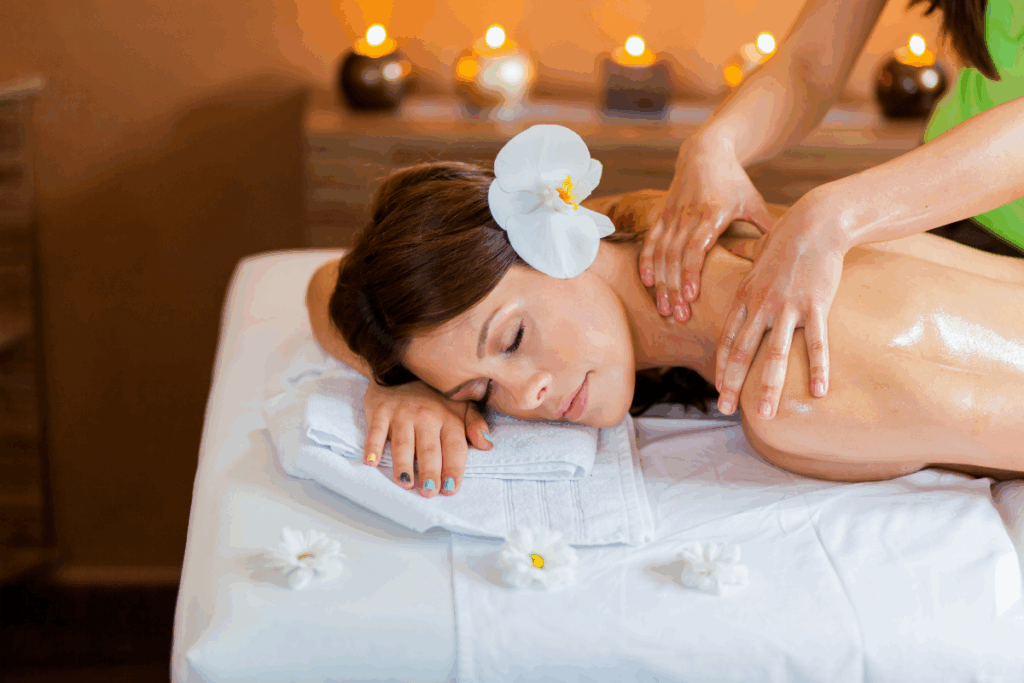
A regular massage is a broad term that covers many styles—such as Swedish, deep tissue, or hot stone massage. These therapies are designed for general wellness, relaxation, or muscle recovery, but they are not designed with the special needs of pregnancy in mind.
Regular massage often involves:
- Varied techniques: From light, flowing strokes to deep pressure aimed at releasing muscle knots.
- Flexible positioning: Clients usually lie face down or on their back, which may not be suitable during later stages of pregnancy.
- General goals: Improving circulation, easing stress, relieving tension, and promoting overall relaxation.
Key Differences Between Prenatal and Regular Massage
| Aspect | Prenatal Massage | Regular Massage |
|---|---|---|
| Focus | Supports the unique physical changes of pregnancy, easing common discomforts like back pain, swelling, and leg cramps | Aims at overall relaxation, stress relief, or muscle recovery |
| Techniques | Uses gentle, soothing strokes and avoids deep tissue or high-pressure work | May involve deep tissue, Swedish, hot stone, or other methods with varying intensity |
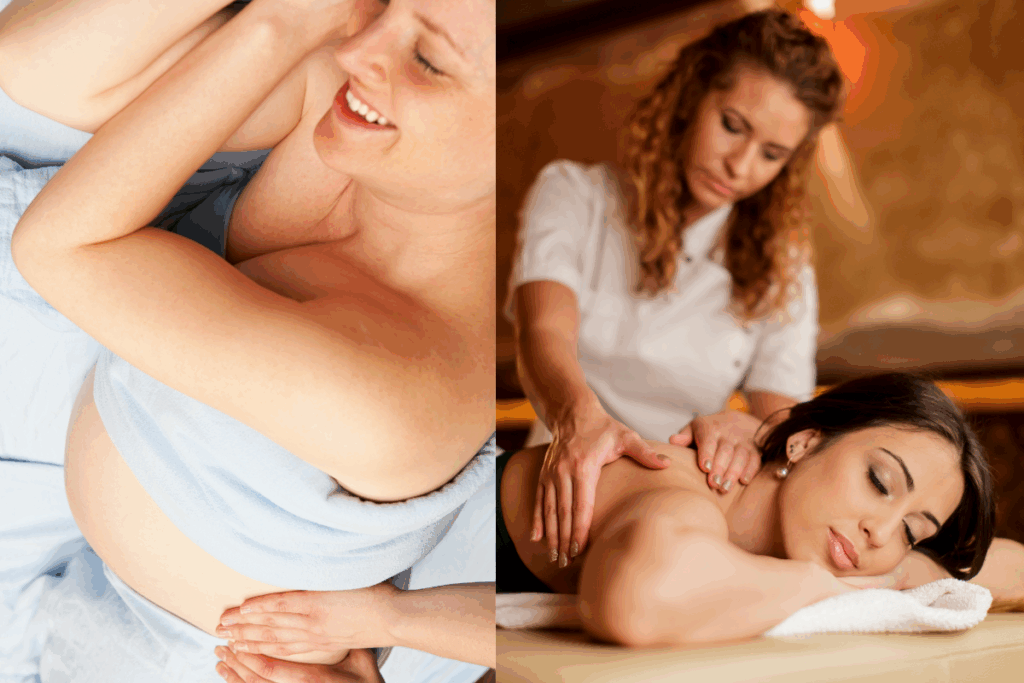
| Positioning | Side-lying with pillows and cushions for comfort and safety | Typically face down or on the back, which may not be suitable in pregnancy |
| Therapist Training | Requires specialized certification in prenatal massage to ensure safety for mother and baby | Performed by licensed massage therapists without pregnancy-specific training |
| Safety Monitoring | Extra attention to pressure points, circulation, and comfort throughout the session | Fewer restrictions, tailored mainly to the individual’s preferences |
Prenatal massage adapts to the needs of both mother and baby, while regular massage focuses on general relaxation and muscle relief.
Benefits of Prenatal Massage During Pregnancy
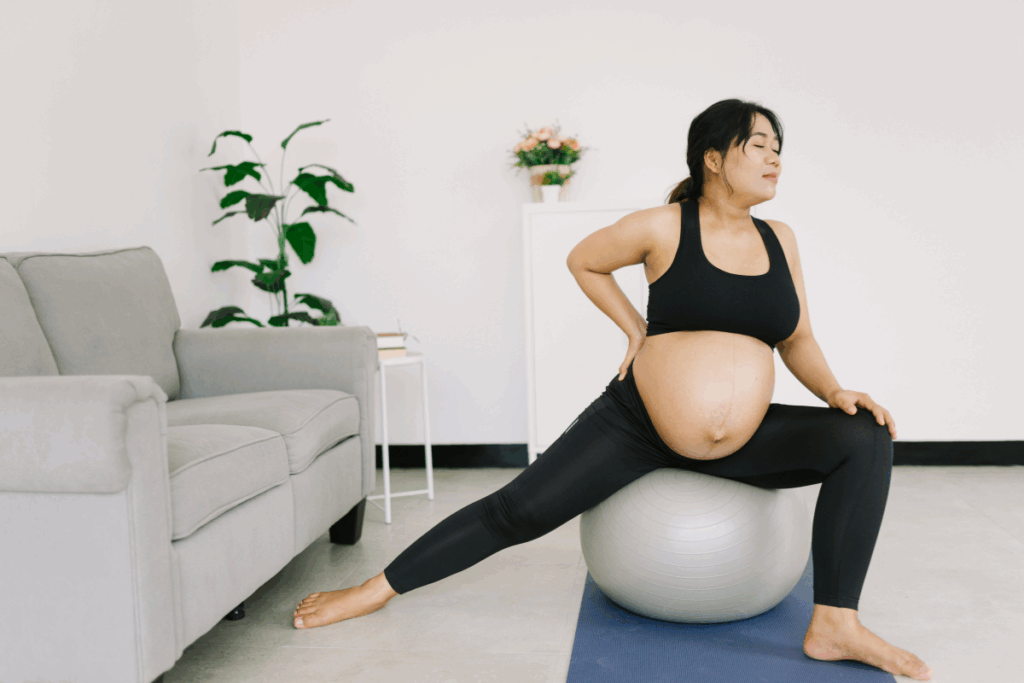
Prenatal massage offers gentle relief and support for the unique changes your body goes through during pregnancy.
Some of the key benefits include:
- Stress and Anxiety Reduction
Gentle massage calms the nervous system, lowers stress hormones, and promotes emotional balance—helping expectant mothers feel more at ease. - Pain Relief
Prenatal massage eases common discomforts such as lower back pain, hip tension, sciatica, and sore joints, all of which are common as the body adjusts to added weight. - Better Sleep
By reducing physical discomfort and calming the mind, prenatal massage makes it easier to fall asleep and stay asleep—something many pregnant women struggle with. - Improved Circulation
Massage enhances blood flow and lymphatic drainage, which helps reduce swelling in the legs, ankles, and feet. - Bonding and Emotional Well-Being
Beyond physical relief, prenatal massage provides a nurturing environment that fosters a deeper connection between mother and baby.
Prenatal massage isn’t just about relaxation—it’s a holistic support tool that helps mothers feel stronger, calmer, and more comfortable during pregnancy.
Choosing the Right Massage for You

Deciding between a prenatal massage and a regular massage during pregnancy depends on your stage of pregnancy, comfort level, and specific needs.
- Prenatal massage is generally the safest and most effective option. With gentle techniques, careful positioning, and therapists trained in pregnancy care, it’s designed to ease common discomforts and support both mother and baby.
- Regular massage may still be an option if your therapist is experienced in working with pregnant clients and makes the necessary adjustments. However, not all techniques—like deep tissue or hot stone—are recommended during pregnancy.
Before booking, ask yourself:
- What trimester am I in?
- Do I have specific discomforts like back pain, swelling, or sciatica?
- Am I looking for targeted relief or general relaxation?
Safety Precautions
Massage during pregnancy can be safe and deeply beneficial, but only when done with the right precautions. Keeping both mother and baby protected should always come first:
- Consult your healthcare provider: Always get clearance before scheduling a massage, especially in the first trimester or if you have a high-risk pregnancy.
- Choose a certified therapist: Work with someone trained in prenatal massage who understands pregnancy-specific techniques and safe positioning.
- Prioritize comfort: Use side-lying positions with supportive pillows instead of lying flat on your back for long periods.
- Listen to your body: If you feel any discomfort, dizziness, or pain, let your therapist know immediately.
Where Not to Massage During Pregnancy
- Abdomen: Direct massage on the belly is not recommended, especially with firm pressure.
- Ankles and wrists: These areas have pressure points sometimes linked to uterine stimulation.
- Deep lower back: Strong pressure here can be unsafe during later stages of pregnancy.
FAQs

1. What is the main difference between prenatal massage and regular massage?
Prenatal massage is tailored to pregnancy with gentle techniques and safe positioning, while regular massage focuses on general relaxation and muscle recovery.
2. Can I get a regular massage while pregnant?
Yes, but only with modifications. Certain styles, like deep tissue or hot stone, aren’t recommended. Always tell your therapist you’re pregnant.
3. Why is side-lying positioning important in prenatal massage?
It prevents pressure on the abdomen and improves comfort, especially in later stages of pregnancy.
4. Are there areas of the body that should not be massaged during pregnancy?
Yes—deep pressure on the abdomen, ankles, and certain acupressure points should be avoided for safety.
5. Which is better for stress relief: prenatal massage or regular massage?
Both help, but prenatal massage is designed to reduce stress safely during pregnancy, while regular massage may use stronger techniques.
6. Can prenatal massage help with common pregnancy discomforts like back pain or swelling?
Absolutely. Prenatal massage is especially effective for easing back tension, hip pain, leg cramps, and ankle swelling.
7. How often can I safely get a massage during pregnancy?
Most expectant mothers benefit from sessions every 2–4 weeks, depending on comfort and healthcare provider guidance.
8. Do regular massage techniques need to be changed during pregnancy?
Yes. Therapists should avoid intense pressure, adjust body positioning, and use gentler strokes when massaging a pregnant client.
9. Do I need to see a specialist for prenatal massage?
Yes. Prenatal massage should be performed by a therapist with specific training in pregnancy-safe techniques.
10. How do I decide between prenatal and regular massage during pregnancy?
If you want pregnancy-specific support and safety, choose prenatal massage. A modified regular massage may be suitable if your therapist is experienced and your healthcare provider approves.
Give Yourself the Care You Deserve
Both prenatal and regular massages bring relaxation, but pregnancy calls for extra care. Prenatal massage is safer, gentler, and tailored to your changing body—helping ease pain, improve circulation, and support well-being for you and your baby.
Our certified therapists customize every session to your stage of pregnancy and comfort.