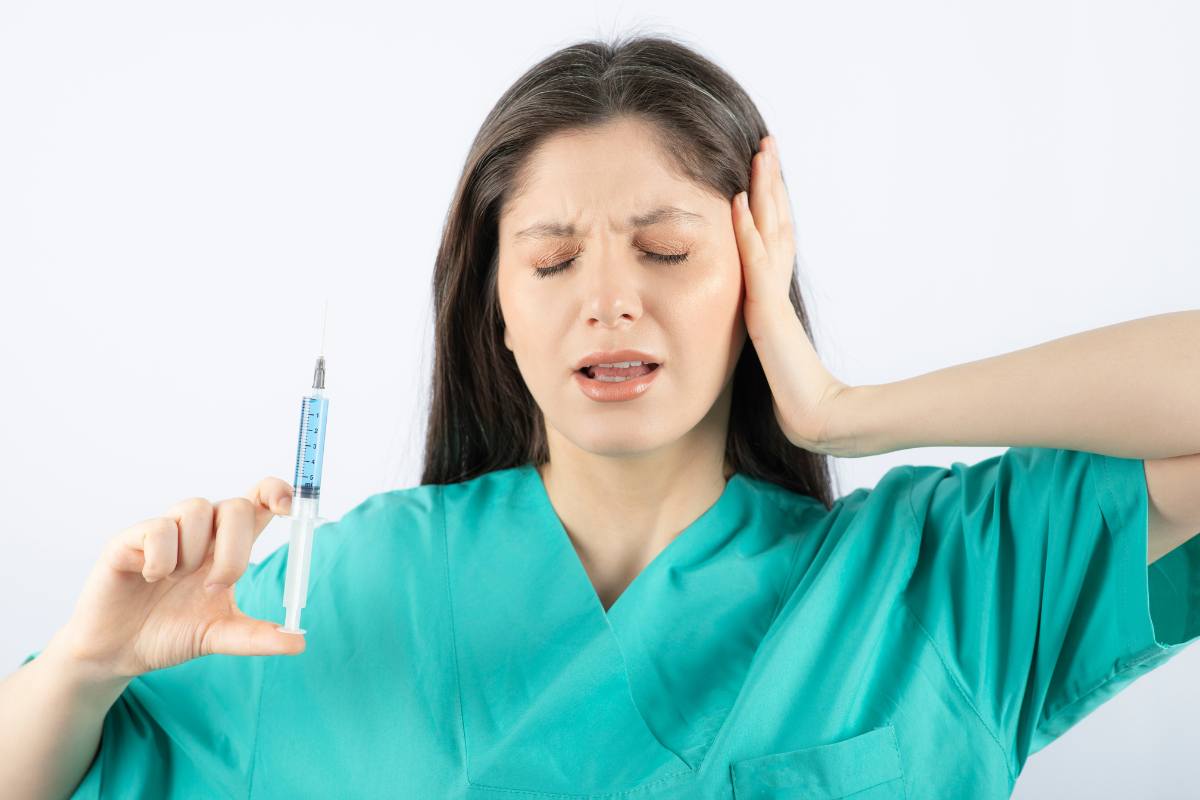
If you’ve ever had a trigger point injection and walked out feeling fine—only to notice a mild headache later—you’re not alone. While not common, headaches can occasionally follow treatment, especially when the injection is placed near tense areas like the neck or shoulders.
This doesn’t mean the treatment failed. In fact, temporary headaches can simply reflect your body adjusting as deep tension releases. For most, the discomfort is brief and fades within a day or two.
Understanding why it happens—and what you can do—can help you stay confident in your care plan and focus on long-term relief.
Understanding Trigger Point Injections

Trigger point injections (TPIs) are used to relieve muscle knots—tight, tender spots that often cause pain, especially in the neck, shoulders, and back. These injections deliver a small amount of anesthetic, sometimes with a steroid, directly into the trigger point to ease tension, reduce inflammation, and restore mobility.
They’re commonly used to treat chronic pain, including tension in the upper body that may radiate or lead to referred pain. While TPIs are generally safe, they can occasionally cause mild side effects. One such effect is a headache, especially if the injection was placed near the upper neck or base of the skull.
Some patients describe these headaches as migraine-like, though they’re typically short-lived. Despite the rare side effects, TPIs remain a popular and effective option for managing deep muscular tension and neck-related pain.
Curious if trigger point injections can help you?
Can Trigger Point Injection Cause Headaches?

Why Do Headaches Happen After Trigger Point Injections?

- Injection site sensitivity: If the injection is placed near the upper neck or base of the skull, it can sometimes irritate local nerves or tissues, temporarily triggering a tension-like headache.
- Muscle release response: TPIs are meant to relax tight muscle bands. But sudden release in highly tense muscles can briefly shift posture or nerve dynamics, potentially leading to discomfort or a migraine-like response.
- Medication-related side effects: Though rare, some people may have mild side effects to the injected solution—especially steroids—which could include temporary headaches.
- Underlying stress or posture issues: Often, people seeking TPIs already carry a lot of tension in the neck and shoulders. If these root causes aren’t addressed, headaches may persist or temporarily worsen.
How Long Do Headaches Last After Trigger Point Injections?
A headache after a trigger point injection is usually a short-lived side effect, especially if the injection site is near the neck or upper back—areas often linked to muscle tension and migraine-like symptoms.
Here’s what to expect:
- Most headaches resolve within a few hours to 1–2 days.
- If the injection was in a tension-prone area like the neck, symptoms may last slightly longer.
- Rarely, headaches can persist up to 72 hours—but this is uncommon.
- Hydration, gentle movement, and cold compresses often ease the discomfort.
- Headaches may feel like a migraine if surrounding muscles were already tight.
If your headache worsens or lasts more than 2–3 days, contact your provider to rule out any unusual reactions or unrelated issues.
When to Seek Medical Advice After a Trigger Point Injection
While most side effects from trigger point injections are mild and short-lived, some signs shouldn’t be ignored. If your headache is severe, persists longer than 48 hours, or worsens instead of easing up, it’s time to contact your provider. This is especially important if the headache is accompanied by vision changes, nausea, stiff neck, or signs of infection like fever or redness at the injection site.
Tension in the neck can sometimes mask or mimic more serious issues, so it’s better to play it safe. Even if the headache feels like a migraine, getting medical input ensures nothing more serious is going on.
Your comfort matters. Don’t hesitate to reach out to your care team—especially if a side effect like this interferes with your recovery or daily life.
How to Manage or Prevent Headaches After Trigger Point Injections
Headaches after trigger point injections—especially in the neck or upper back—are usually mild and manageable. Here’s how to reduce discomfort and lower the risk of future side effects:
- Apply a cold compress to the base of your skull or forehead to ease muscle tension.
- Stay hydrated to support recovery and minimize post-injection symptoms.
- Avoid intense neck movement for 24 hours, especially after injections in the upper back or shoulder area.
- Use over-the-counter pain relievers (if approved by your provider) to manage lingering discomfort.
- If you’re prone to migraines, talk to your provider about modifying the injection site or technique.
Most headaches fade quickly, but if they persist or feel unusual, it’s best to consult your provider. Preventive care and proper technique go a long way in avoiding unnecessary tension or discomfort.
FAQs
1 Are headaches a common side effect of trigger point injections?
They’re not very common, but some people do experience mild headaches shortly after the injection.
2 How long do headaches from trigger point injections usually last?
Most headaches resolve within a few hours to two days post-injection
3 What causes a headache after a trigger point injection?
It may stem from needle placement near nerves, tension release in the neck, or a mild reaction to the injected medication.
4 Can neck tension worsen after a trigger point injection?
Temporary soreness or tightness can occur, especially in the neck and shoulder areas, but it typically fades within 24–48 hours.
5 Should I be concerned if I get a migraine after a trigger point injection?
If it feels like a true migraine or lasts beyond 48 hours, consult your healthcare provider for evaluation.
6 Can I take medication for the headache after the injection?
Yes, over-the-counter pain relievers like ibuprofen are generally safe unless advised otherwise by your provider.
7 How can I prevent headaches after my next injection?
Stay hydrated, rest after your session, and let your provider know if you’ve experienced headaches before.
8 When should I call my doctor about a post-injection headache?
If the headache is severe, comes with nausea, vision changes, or neck stiffness, or doesn’t go away in two days—call your doctor promptly.
9 Can trigger point injections cause dizziness along with headaches?
Yes, some patients may feel lightheaded or dizzy for a short time after the injection—especially if it was near the neck. This is usually temporary and resolves with rest and hydration.
10 Are headaches more likely after trigger point injections in the neck area?
Yes, injections near the upper neck or base of the skull may have a slightly higher chance of triggering tension-related headaches due to nerve sensitivity or muscle release in that region.