Can Regular Facials Help With Post-Acne Marks and Texture?
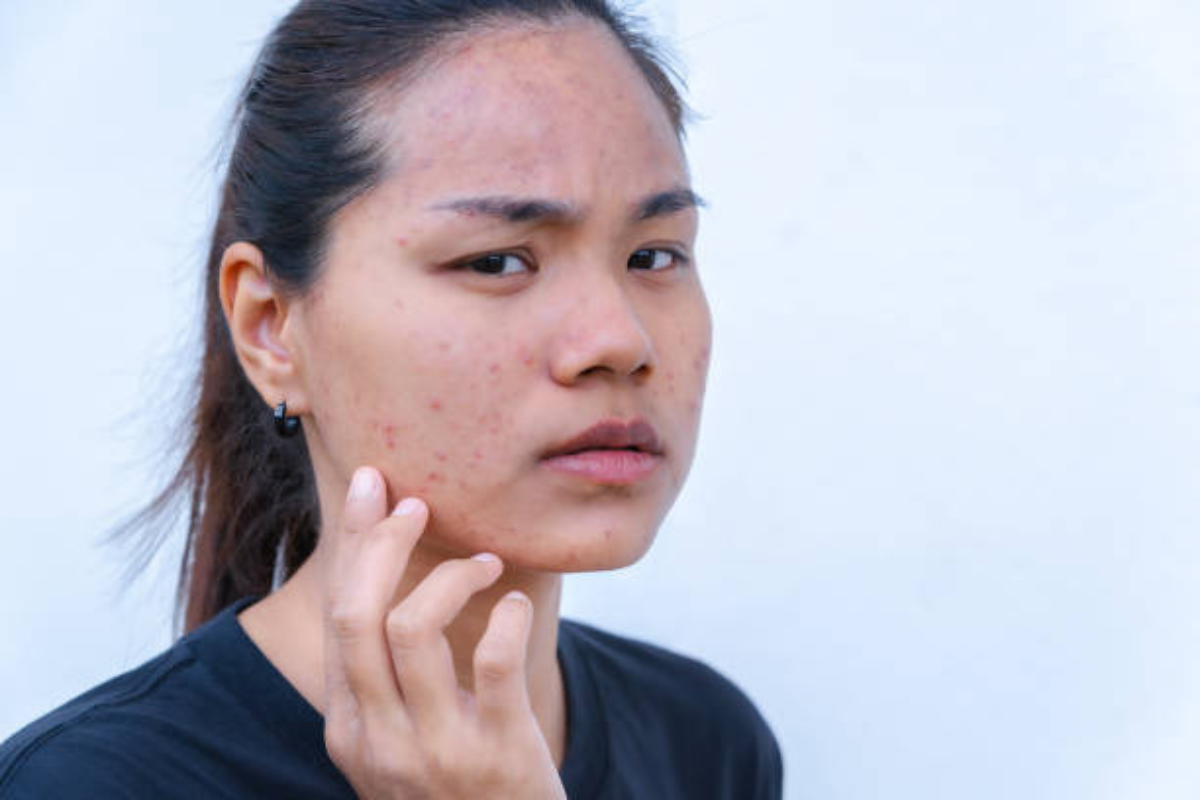
Post-acne skin concerns often continue long after breakouts improve.
Some patients notice:
- uneven texture
- lingering discoloration
- rough skin
- congestion
- dullness
- visible post-acne marks
Others struggle with:
- skin sensitivity
- dryness after acne treatments
- enlarged pores
- irregular skin tone
That is why many people searching for facials for acne marks are often looking for more than temporary glow.
They are usually searching for:
- smoother texture
- clearer-looking skin
- balanced tone
- gentle resurfacing support
- maintenance without aggressive downtime
The best treatment approach often depends on:
- acne history
- skin sensitivity
- inflammation levels
- pigmentation depth
- barrier condition
- personalized assessment
What Post-Acne Marks Actually Are
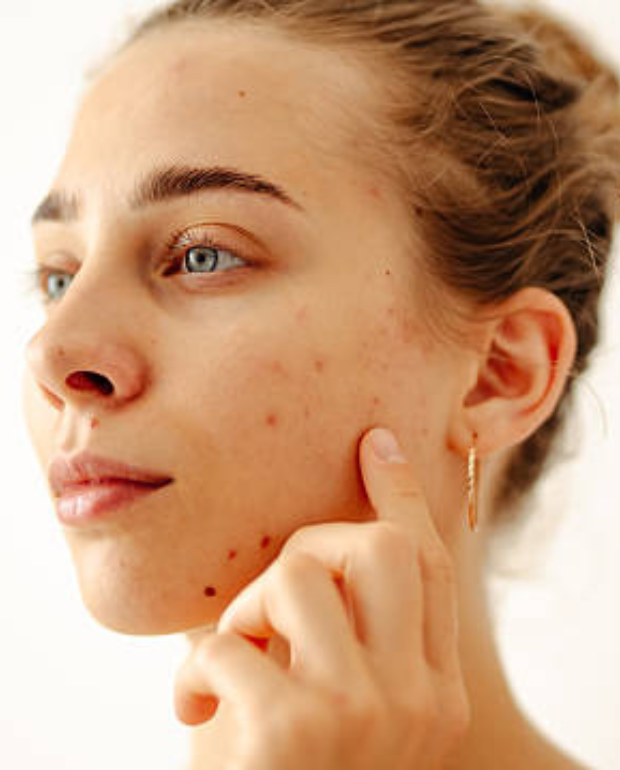
Not all acne marks are the same.
Some patients experience:
- post-inflammatory hyperpigmentation
- lingering redness
- uneven texture
- shallow textural irregularities
Others may develop:
- deeper acne scars
- collagen loss
- persistent discoloration
This distinction matters because facials may help some concerns more effectively than others.
For example:
- superficial dullness may respond well to maintenance facials
- deeper scars often require more advanced collagen-focused treatments
How Regular Facials May Help Acne-Prone Skin ?
Professional facials may help support:
- gentle exfoliation
- congestion reduction
- hydration balance
- smoother-feeling texture
- temporary radiance
- skin maintenance
Some facials also focus on:
- barrier support
- calming inflammation
- reducing excessive dryness
- improving skin comfort
For patients recovering from acne-related irritation, gentler treatments may sometimes be better tolerated than aggressive resurfacing procedures.
Explore personalized treatments through the Circle Wellness Aesthetics Archive for acne-prone and texture-focused skin concerns.
What Facials Typically Improve Best
| Concern | Facial Support Potential |
|---|---|
| Mild dullness | Often beneficial |
| Surface congestion | Commonly targeted |
| Mild uneven texture | May improve gradually |
| Hydration imbalance | Often improves |
| Deep acne scars | Limited direct remodeling |
| Severe texture irregularities | May require advanced procedures |
Facials are often most effective for:
- maintenance care
- superficial texture support
- hydration
- gentle skin renewal
They are typically less effective for:
- deep pitted acne scars
- significant collagen loss
- severe structural scarring
Best Facial Types for Acne Marks and Texture
Hydration Facials
Often focus on:
- barrier recovery
- moisture balance
- calming irritation
These may help patients whose skin feels dry or over-treated after acne therapies.
Gentle Exfoliation Facials
May involve:
- enzyme exfoliation
- mild acids
- controlled resurfacing
These treatments can sometimes help improve:
- dullness
- mild uneven tone
- rough texture
Deep Cleansing Facials
Often target:
- congestion
- excess oil
- clogged pores
Some patients notice smoother-feeling skin after regular maintenance treatments.
JetPeel Facials
JetPeel-style treatments may support:
- hydration infusion
- gentle exfoliation
- non-invasive skin refreshment
Because they involve minimal friction, some patients with acne-prone but sensitive skin tolerate them comfortably.
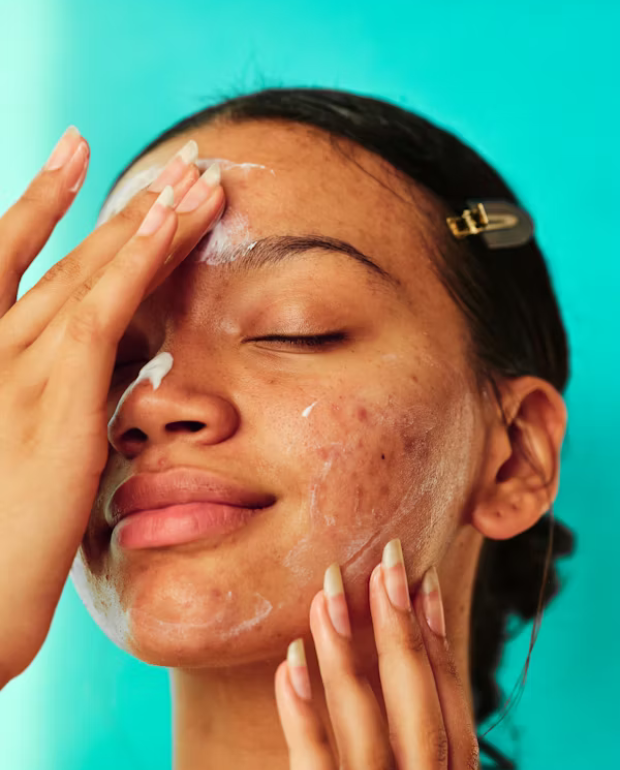
Medical Education Section: Why Acne Marks and Texture Develop
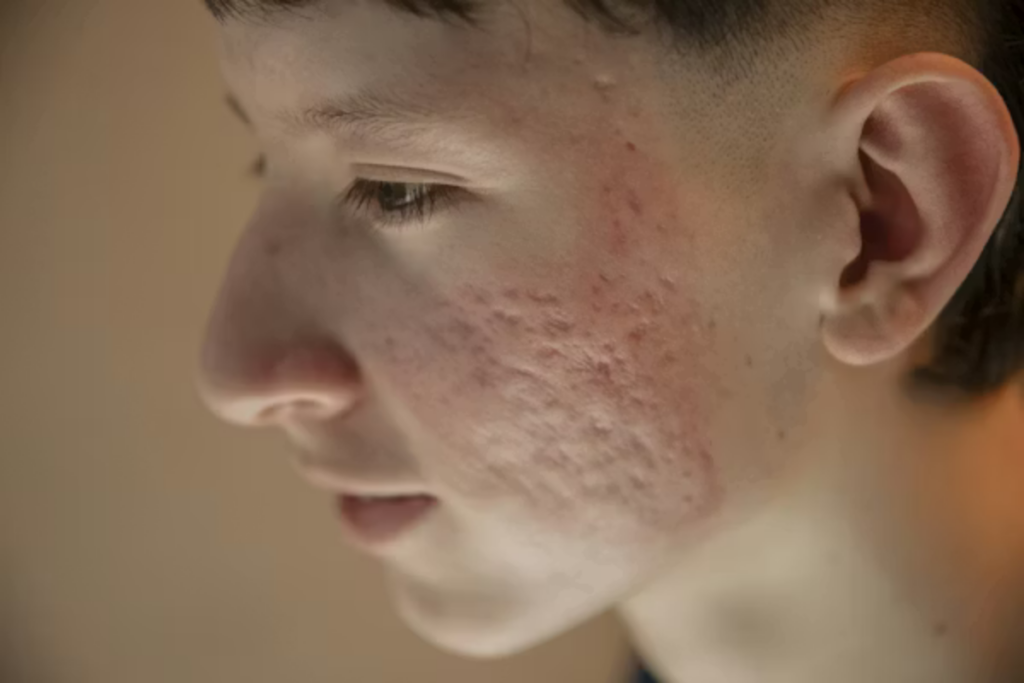
Post-acne marks and texture changes often develop because inflammation affects the skin differently at varying depths.
Surface-Level Changes
May include:
- temporary discoloration
- redness
- mild uneven tone
These concerns sometimes improve gradually as skin turnover occurs naturally.
Deeper Structural Changes
May involve:
- collagen disruption
- dermal remodeling changes
- shallow depressions
- scar formation
This is one reason why:
- facials may help superficial texture
- deeper acne scars often need collagen-focused procedures
Skin recovery pathways also vary based on:
- inflammation severity
- acne duration
- picking behaviors
- genetics
- skin type
Medical Education Section: Why Acne Marks and Texture Develop
Some patients notice:
- smoother-feeling skin
- temporary glow
- softer texture
- reduced congestion
Others may notice gradual improvement over time with:
- consistency
- proper skincare
- sun protection
- barrier support
However, results often depend on:
- treatment type
- acne history
- scar depth
- skin sensitivity
- inflammation control
No facial treatment guarantees identical outcomes for every patient.
Possible Clinical Insight

Research indexed through the National Center for Biotechnology Information has explored how inflammatory acne may contribute to pigmentation changes and collagen remodeling irregularities.
Additional literature available through PubMed has evaluated superficial resurfacing approaches and maintenance skin treatments for post-acne texture concerns.
These findings suggest that:
- early inflammation control matters
- barrier support matters
- treatment consistency matters
- individualized planning is important
When Facials May Not Be Enough
Some patients with deeper acne scarring may require:
- microneedling
- collagen induction therapies
- resurfacing procedures
- combination treatment plans
Facials may still play an important supportive role by helping maintain:
- hydration
- skin comfort
- barrier health
- surface smoothness
In clinical aesthetic practice, providers often observe that combining maintenance facials with targeted corrective procedures may help optimize long-term skin quality.
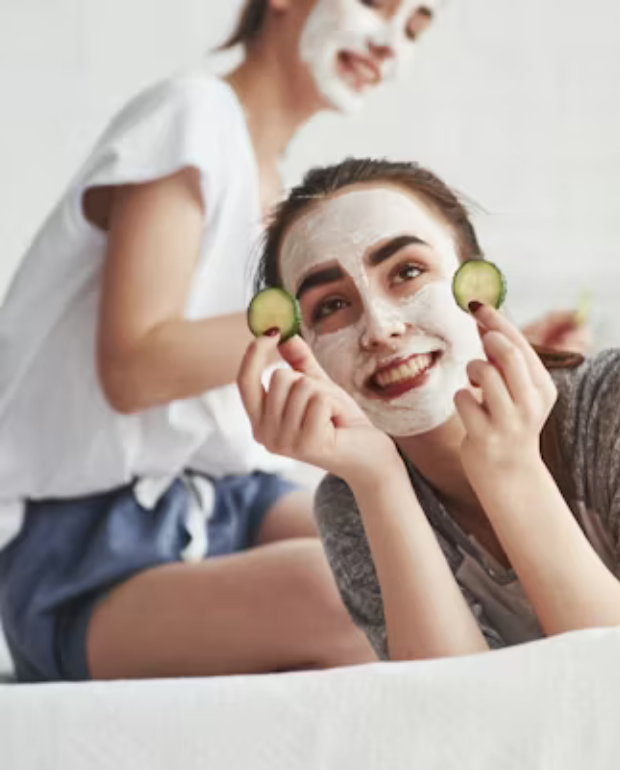
Sensitive Skin and Acne Marks
Some acne-prone patients also experience:
- redness
- dryness
- irritation
- barrier sensitivity
In these cases, aggressive exfoliation may worsen inflammation temporarily.
Experienced practitioners often modify treatments depending on:
- barrier integrity
- active breakouts
- irritation level
- post-inflammatory pigmentation risk
Gentler progression may sometimes produce more consistent long-term tolerance.
Downtime Expectations
Most maintenance-focused facials involve:
- minimal downtime
- temporary redness
- same-day recovery
However, stronger exfoliating facials may involve:
- mild flaking
- temporary dryness
- short-term sensitivity
Recovery varies depending on:
- treatment intensity
- active inflammation
- skin sensitivity
- post-care routine
Signs Your Skin Barrier May Need Support First
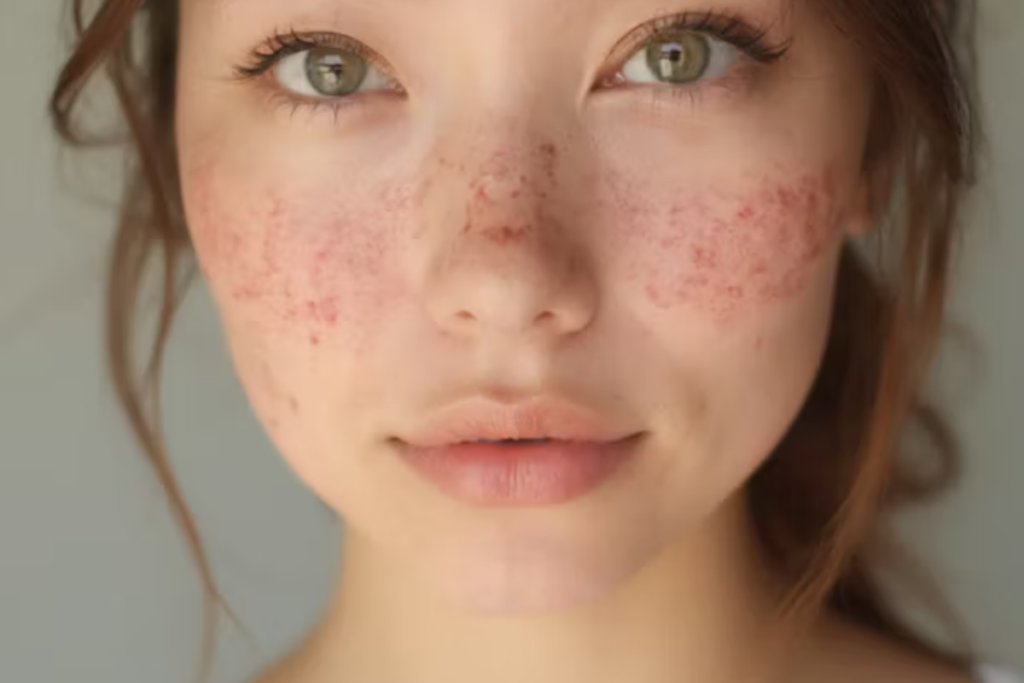
Some patients benefit from calming and barrier-focused care before resurfacing procedures.
Signs may include:
- stinging
- excessive dryness
- irritation
- redness
- peeling
- tightness
In these situations, providers may prioritize:
- hydration
- barrier recovery
- reduced inflammation
- simplified skincare
before stronger corrective treatments.
Best Habits To Support Texture Improvement

Professional facials often work best alongside:
- consistent sunscreen use
- gentle skincare
- hydration support
- avoiding skin picking
- inflammation control
- realistic treatment pacing
Some patients improve gradually over several months rather than after a single treatment.
Consistency often matters more than intensity.
Who May Need Extra Caution
- highly inflamed acne
- active cystic breakouts
- rosacea overlap
- severe barrier damage
- recent over-exfoliation
- highly reactive skin
Book a Texture and Tone Consult
The best approach for post-acne marks and texture is rarely one-size-fits-all.
Treatment planning often depends on:
- scar depth
- inflammation history
- pigmentation concerns
- skin sensitivity
- downtime preferences
- long-term skin goals
Some patients benefit from regular maintenance facials, while others may require combination therapies for deeper textural concerns.
Ready to book a texture and tone consult? Contact Circle Wellness here to discuss personalized options for acne marks, texture concerns, and skin renewal support.
You can also explore additional skin rejuvenation content in the Circle Wellness Aesthetics Archive.
FAQs

Can facials help acne marks?
Some facials may help improve mild discoloration, dullness, congestion, and surface texture irregularities through gentle exfoliation and maintenance support.
Are facials good for acne scars?
Facials may support superficial texture improvement, but deeper acne scars often require collagen-focused treatments such as microneedling or resurfacing procedures.
How often should you get facials for acne marks?
Frequency often depends on skin sensitivity, treatment intensity, and skin goals. Some patients benefit from monthly maintenance treatments.
Can aggressive facials worsen acne-prone skin?
Overly aggressive exfoliation may irritate some acne-prone patients, especially when the skin barrier is compromised.
Do facials help uneven texture?
Some patients notice smoother-feeling skin and improved surface texture with regular professional maintenance facials and supportive skincare habits.