Quick answer
! The research notes below describe what studies found, not what will happen for you. A technique's name also doesn't determine FSA or HSA eligibility.
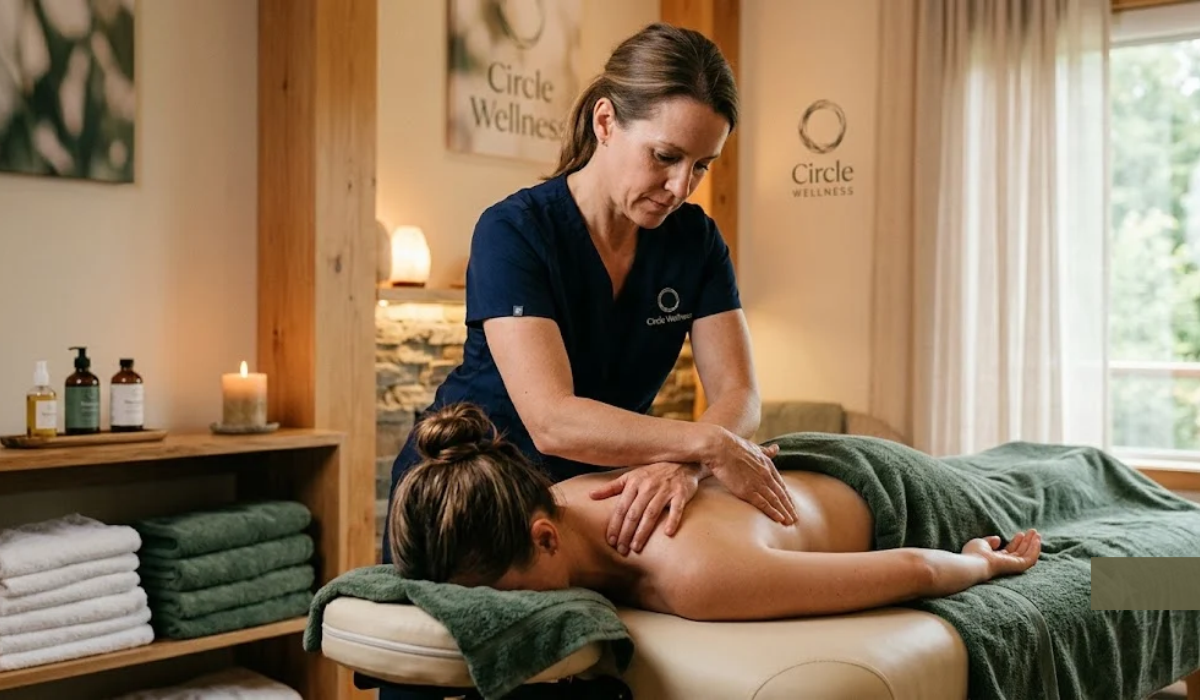
Self-pay medical massage at Circle Wellness
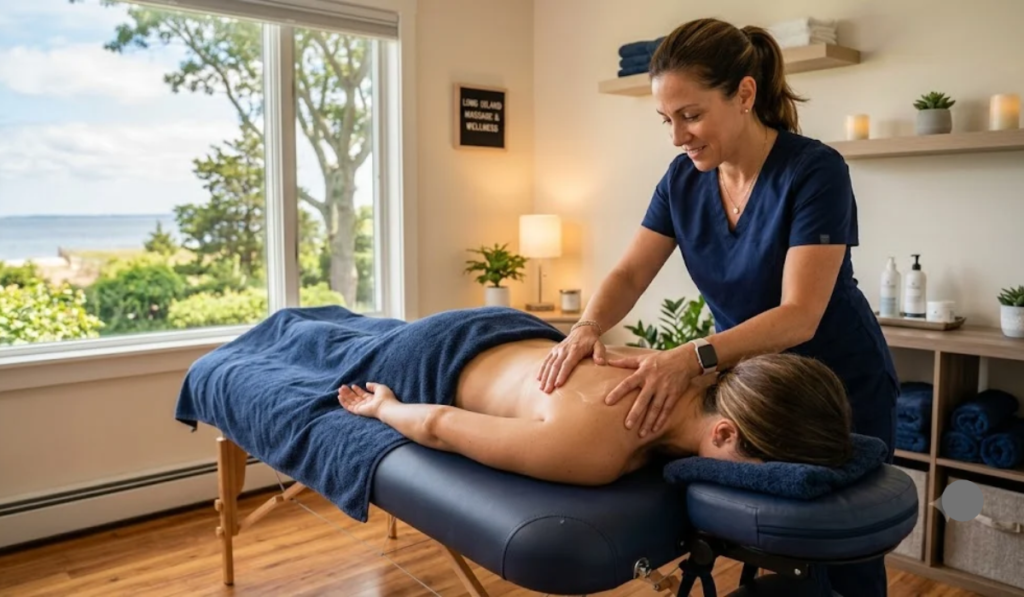
Circle Wellness offers medical massage in Melville for patients paying directly for their care, with 14 techniques performed by licensed massage therapists.
Ask about the current self-pay rate, session length and any separate charges before you book.
Call or text. Melville Corporate Plaza, 25 Melville Park Rd, Suite 200 B.
How to read this guide
Each card has three parts. What it involves and Listed for follow how Circle Wellness describes the technique on its medical massage page.[1] The research note summarizes what independent sources found, or says plainly when we didn’t review a technique’s research.
Pressure-focused techniques
Deep tissue massage
Work that targets deeper muscle layers.
Listed for: severe tension, sports injuries and chronic pain
Trigger point therapy
Focused, deep pressure on tight muscle knots.
Listed for: headaches, neck pain and referred pain
Manual therapy
Hands-on techniques such as kneading, compression and passive joint mobilization.
Listed for: muscle stiffness, mobility issues and chronic discomfort
Neuromuscular therapy (NMT)
Targets specific muscles and their interaction with the nervous system.
Listed for: back pain, whiplash and repetitive motion injuries
Active Release Therapy (ART)
Combines movement with deep tissue work.
Listed for: sports injuries, carpal tunnel syndrome and shoulder impingement
Gentle techniques
Myofascial release
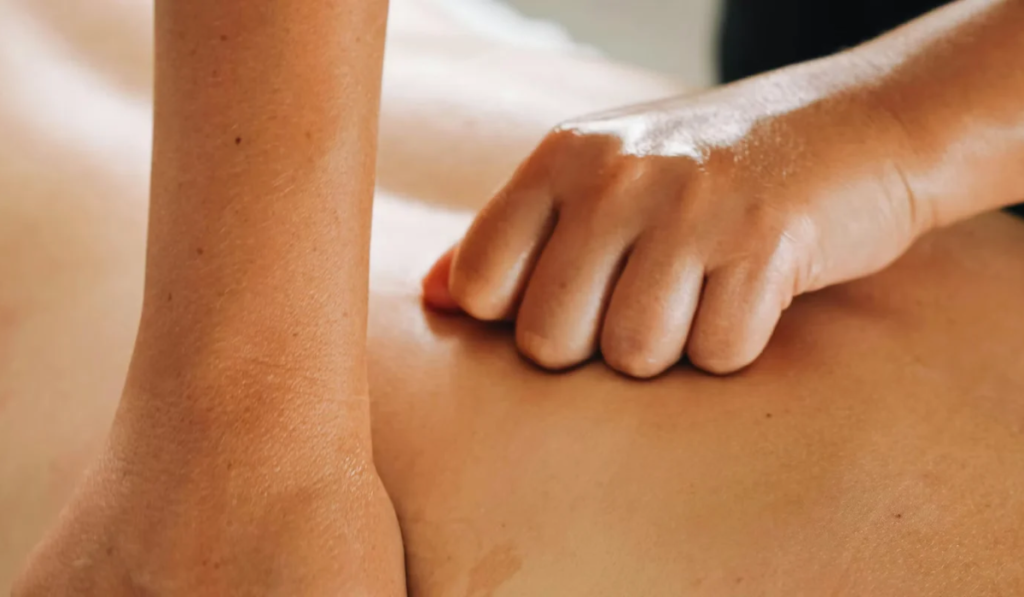
Gentle, sustained pressure on the fascia, the connective tissue around muscles.
Listed for: flexibility, posture and chronic pain
Lymphatic drainage
A gentle technique intended to move fluid toward lymph nodes.
Listed for: post-surgical recovery and lymphedema
Post-surgical massage
Massage during recovery from surgery.
Listed for: scar tissue, range of motion and swelling after surgery
Prenatal massage
Massage adapted for pregnancy.
Listed for: pregnancy discomfort such as back pain and swelling
Craniosacral therapy
A gentle, light-touch technique.
Listed for: headaches, stress-related problems and TMJ dysfunction
Eastern traditions
Shiatsu
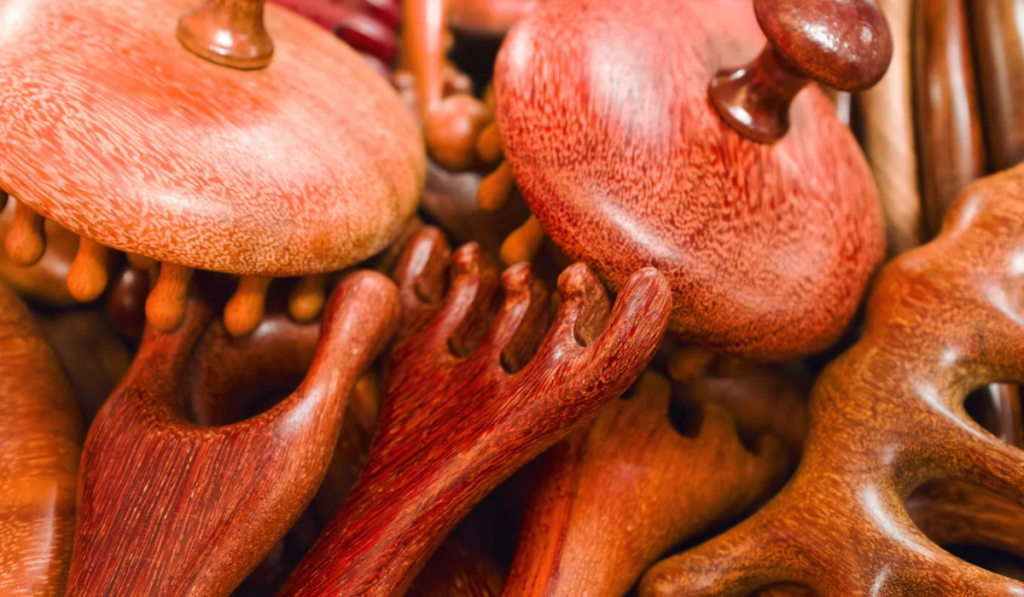
A Japanese technique using finger pressure on acupressure points.
Listed for: migraines, muscle tension and fatigue
Gua sha
A traditional Chinese technique that involves scraping the skin.
Listed for: chronic pain, inflammation and tension
Abdominal massage (Chi Nei Tsang)
Massage focused on the abdomen.
Listed for: bloating, constipation and emotional tension
Energy work
Reiki massage
A form of energy work aimed at relaxation and emotional balance.
Listed for: deep relaxation and emotional balance
How to choose
Start from your goal
- Tell the team what you want to change, such as stiffness, headaches or swelling after surgery
- Your therapist’s assessment shapes the session[1]
Then your preferences
- How much pressure you like
- Whether some soreness afterward is acceptable
- Any conditions that rule techniques out
The Massage Finder can help you compare options before you call. It’s a guide to preferences, not a medical assessment.
Safety for every technique
NCCIH says the risk of harm from massage appears low, but rare serious side effects such as a blood clot, nerve injury or bone fracture have been reported, some involving vigorous massage or people at higher risk of injury. It advises not to use massage to postpone seeing a healthcare provider about a medical problem.
What to expect at Circle Wellness
All medical massage services at Circle Wellness are performed by the licensed therapists at Enso Acupuncture and Massage, PLLC. Your visit starts with an assessment of your concerns and goals, and your therapist tailors the session and reviews your progress over time.
We’re in Melville Corporate Plaza near Route 110 and LIE Exit 49, open Monday to Friday 10 AM to 7 PM and Saturday 10 AM to 2 PM. New to paying directly? Start with our self-pay medical massage guide.
FAQs
How many massage techniques does Circle Wellness offer?
Fourteen, including deep tissue, trigger point therapy, myofascial release, lymphatic drainage, craniosacral therapy, prenatal and post-surgical massage, Shiatsu, gua sha and Reiki massage.
Which massage technique is best?
Research hasn’t shown any one type of massage to be more effective than another. The right choice depends on your goals, your pressure preference and your therapist’s assessment.
What is the gentlest option?
Myofascial release, lymphatic drainage and craniosacral therapy are described as gentle techniques. Tell your therapist your pressure preference whichever you choose.
Does Reiki massage work?
NCCIH says Reiki hasn’t been clearly shown to be effective for any health-related purpose, and hasn’t been shown to have harmful effects.
Can I choose the technique myself?
Yes, mention it when you call. Your therapist will also assess your concerns and goals and may suggest a different approach.
Does the technique affect FSA or HSA eligibility?
Not by itself. Eligibility depends on medical purpose and your plan’s documentation requirements, not the technique’s name.
Can I book and pay directly?
Yes. Ask about the self-pay fee, session length and appointment requirements. We accept credit cards, debit cards, checks and cash, as well as HSA/FSA payments.

Ask about a self-pay session
Call or text (631) 888-5957 to ask about deep tissue massage or myofascial release, current rates and session lengths at Circle Wellness in Melville.