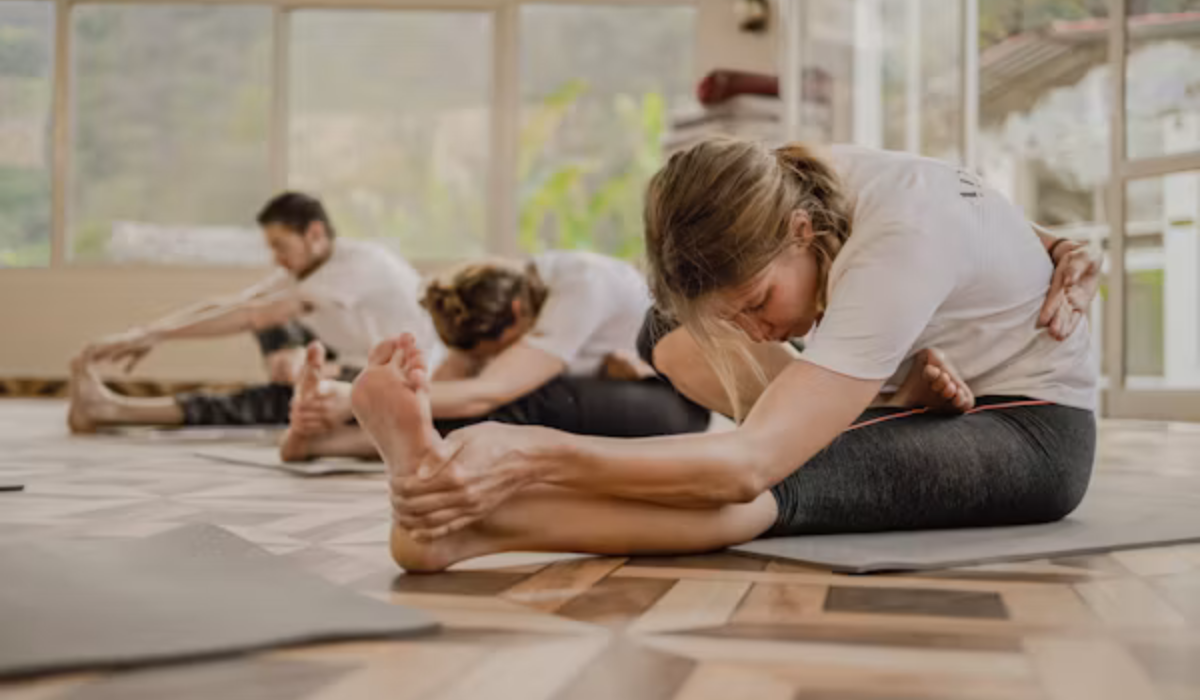
“Movement isn’t just about becoming more flexible—it’s about helping your body move, feel, and function better every day.”
Maybe you’ve been feeling stiff lately. Your neck feels tight after work. Your hips ache after sitting for hours. You know you should “stretch more,” but then someone recommends yoga instead. Suddenly you’re wondering—isn’t yoga just stretching?
It’s a common question.
Both yoga and stretching can improve flexibility and help ease muscle tightness. They often include similar movements, which makes them easy to confuse. But while they share some benefits, they’re not the same practice.
Yoga combines movement, breathing, balance, and mindfulness into a structured practice that supports both physical and mental well-being. Stretching, on the other hand, focuses primarily on improving muscle flexibility and joint mobility.
So which one is better?
The answer depends on your goals. Understanding how they differ can help you choose the approach that best supports your body.
Understanding Flexibility and Mobility

Before comparing yoga and stretching, it helps to understand two terms that are often used interchangeably.
Before comparing yoga and stretching, it helps to understand two terms that are often used interchangeably.
Flexibility refers to how far a muscle can lengthen.
Mobility refers to how well a joint moves through its full range of motion while remaining stable and controlled.
Healthy movement requires both.
If muscles become tight, flexibility decreases. If joints become stiff or surrounding muscles become weak, mobility can also decline.
This may contribute to:
- Muscle tightness
- Joint stiffness
- Poor posture
- Reduced athletic performance
- Difficulty with daily activities
- Increased risk of movement-related discomfort
Both yoga and stretching aim to improve movement—but they do so in different ways.
What Is Stretching?

Stretching is a form of exercise that focuses on lengthening muscles and improving flexibility.
It can be performed before or after exercise or as part of a daily mobility routine.
Common types include:
- Static stretching
- Dynamic stretching
- Active stretching
- Passive stretching
The primary goals of stretching are to:
- Improve flexibility
- Reduce muscle tightness
- Maintain joint range of motion
- Prepare muscles for activity or recovery
Stretching generally targets specific muscles or muscle groups rather than the body as a whole.
What Is Yoga?
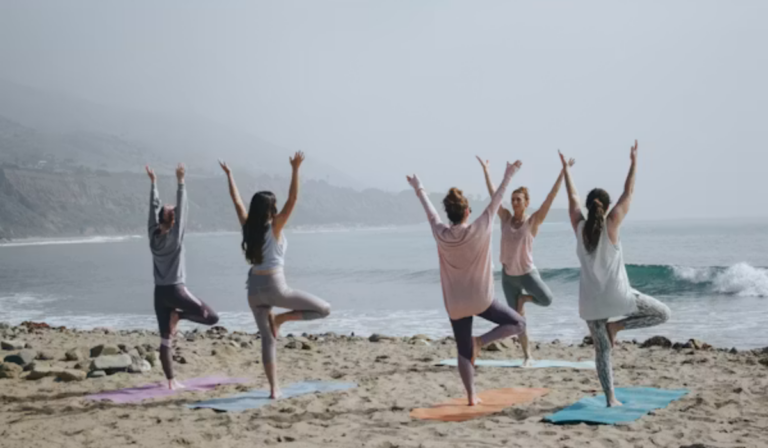
Yoga is a mind-body practice that combines physical postures (asanas), breathing techniques (pranayama), and mindfulness.
While flexibility is one benefit, yoga also focuses on improving:
- Balance
- Strength
- Stability
- Body awareness
- Coordination
- Breathing efficiency
- Relaxation
Different styles of yoga place different emphasis on movement, strength, or meditation, making the practice adaptable for many ages and fitness levels.
Yoga vs. Stretching: The Key Differences
Although yoga includes stretching, it offers a broader range of physical and mental benefits.
1. Purpose
Stretching primarily aims to increase muscle flexibility and reduce tightness.
Yoga aims to improve flexibility while also supporting strength, balance, posture, breathing, and relaxation.
2. Movement Patterns
Stretching often isolates one muscle group at a time.
Yoga connects multiple muscle groups through flowing, coordinated movements that involve the entire body.
3. Strength Development
Stretching does not typically build significant strength.
Many yoga poses require muscles to actively support body weight, helping strengthen:
- Core muscles
- Legs
- Hips
- Shoulders
- Back
4. Balance and Stability
Traditional stretching rarely challenges balance.
Yoga regularly incorporates standing and single-leg poses that help improve stability and coordination.
5. Breathing
Breathing is usually not a central focus during stretching.
In yoga, controlled breathing is integrated into every movement, helping improve body awareness while supporting relaxation.
6. Stress Management
Stretching can feel relaxing because muscles loosen.
Yoga goes further by incorporating breathing and mindfulness practices that may help regulate the nervous system and reduce stress.
7. Whole-Body Awareness
Yoga encourages mindful movement and greater awareness of posture, alignment, and movement patterns.
Stretching typically focuses on the muscles being lengthened.
Yoga vs Stretching Comparison
| Feature | Yoga | Stretching |
|---|---|---|
| Improves flexibility | ✓ | ✓ |
| Improves mobility | ✓ | ✓ |
| Builds strength | ✓ | Limited |
| Improves balance | ✓ | Minimal |
| Enhances posture | ✓ | Limited |
| Includes breathing techniques | ✓ | Usually no |
| Supports stress reduction | ✓ | Somewhat |
| Develops body awareness | ✓ | Limited |
| Suitable for daily practice | ✓ | ✓ |
Neither approach is inherently “better.” Each serves different purposes and can complement one another.
Benefits of Yoga Beyond Stretching
Yoga provides several benefits that extend beyond simply improving flexibility.
Improves Functional Strength
Many yoga poses strengthen muscles while they are being stretched, helping support better movement and joint stability.
Enhances Balance and Coordination
Regular practice helps improve posture, coordination, and balance, which become increasingly important with age.
Supports Joint Health
Gentle movement encourages joints to move through comfortable ranges of motion while supporting surrounding muscles.
Encourages Better Breathing
Breathing techniques may improve relaxation, movement control, and awareness during exercise.
Helps Manage Stress
Yoga activates the body’s relaxation response, which may help reduce stress-related muscle tension and improve overall well-being.
Supports Better Posture
Strengthening the muscles that support the spine may help improve alignment and reduce postural strain caused by prolonged sitting or repetitive activities.
When Stretching May Be Enough

Stretching may be appropriate if your primary goal is to:
- Warm up before activity
- Improve flexibility in specific muscles
- Recover after exercise
- Address temporary muscle tightness
Many athletes include stretching as one part of a broader fitness routine.
When Yoga May Be the Better Choice
Yoga may be particularly beneficial if you want to improve more than flexibility alone.
It may be a good option for individuals who want to:
- Improve balance and coordination
- Build gentle strength
- Reduce stress
- Improve posture
- Increase mobility
- Develop greater body awareness
- Support long-term healthy movement
Many people choose yoga because it addresses multiple aspects of physical and mental wellness within a single practice.
Can You Do Both?
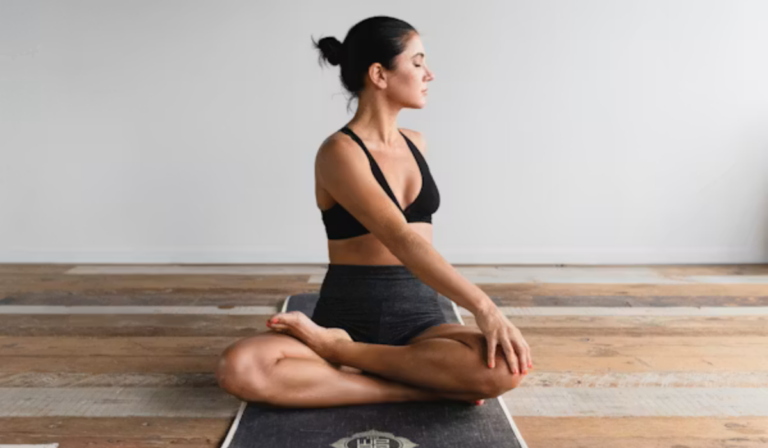
Absolutely.
Stretching and yoga are not competing approaches—they often complement one another.
For example:
- Stretch before sports or workouts to prepare muscles for movement.
- Practice yoga on recovery days to improve mobility, strength, balance, and relaxation.
- Include gentle stretching after yoga if certain muscle groups need additional attention.
Combining both practices may provide more comprehensive support for movement and overall physical function.
What to Expect During a Beginner Yoga Session
1. Initial Assessment
An instructor may ask about:
- Your activity level
- Areas of stiffness
- Previous injuries
- Movement goals
2. Gentle Warm-Up
Sessions usually begin with slow movements that prepare the muscles and joints.
3. Guided Yoga Practice
Movements may include:
- Standing poses
- Gentle stretches
- Balance exercises
- Strength-building postures
- Coordinated breathing
Each movement is performed at a comfortable pace.
4. Relaxation
Sessions often end with breathing exercises and guided relaxation.
Many participants notice:
- Reduced muscle tension
- Improved mobility
- Greater body awareness
- A sense of calm
Who May Benefit from Yoga Instead of Stretching?
If your goal is simply to loosen a tight muscle after exercise, stretching may be all you need. However, yoga may offer additional benefits for individuals looking to improve flexibility, balance, strength, posture, and stress management at the same time.
Yoga can be especially helpful for people who spend long hours sitting, experience recurring muscle tightness, want a low-impact form of exercise, or are looking for a sustainable movement practice that supports healthy aging and overall well-being.
For many people, yoga becomes more than a workout—it becomes part of a long-term approach to maintaining mobility, confidence, and quality of life.
When to Be Cautious
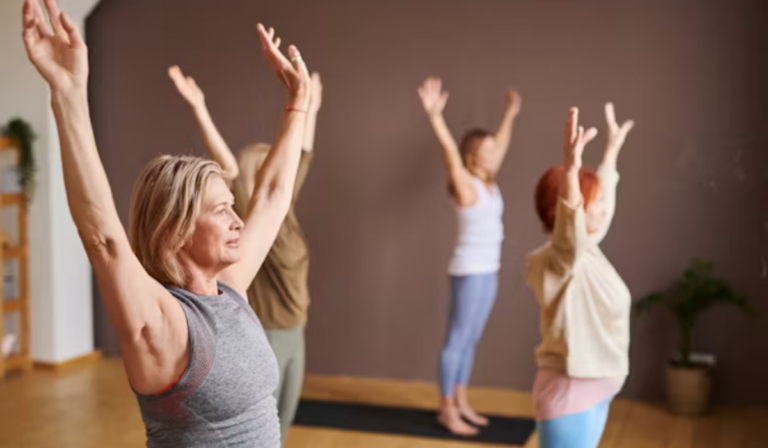
Both stretching and yoga are generally safe when performed correctly, but certain situations may require modifications.
Consult a healthcare provider or qualified instructor if you:
- Have recent injuries
- Experience severe joint pain
- Have osteoporosis or balance disorders
- Are recovering from surgery
- Have uncontrolled medical conditions affecting movement
Avoid forcing stretches or yoga poses beyond your comfortable range, as this may increase the risk of injury.
When to Expect Results
Everyone progresses differently, depending on consistency, overall health, and movement habits.
After a few sessions
Many people notice reduced muscle tightness, improved flexibility, and greater body awareness.
After several weeks
Mobility, posture, and movement confidence often continue to improve, especially with regular practice.
With long-term consistency
Yoga may contribute to better flexibility, strength, balance, and overall physical function, while regular stretching can help maintain healthy muscle length and joint mobility.
FAQs

1. Is yoga the same as stretching?
No. Yoga includes stretching but also incorporates strength, balance, breathing, and mindfulness.
2. Which is better for flexibility?
Both improve flexibility, but yoga also develops strength and mobility alongside flexibility.
3. Can stretching replace yoga?
Stretching can improve flexibility, but it does not provide many of the additional benefits associated with yoga.
4. Is yoga better for back pain?
For some people, a modified yoga program may help improve mobility and reduce muscle tension. Always consult a healthcare provider for persistent or severe back pain.
5. Can beginners start yoga without being flexible?
Yes. Flexibility develops gradually through consistent practice.
6. Should I stretch before or after yoga?
Most yoga sessions include their own warm-up and stretching. Additional stretching may be helpful depending on your goals.
7. How often should I practice yoga?
Many people benefit from practicing 2–5 times per week, depending on their schedule and fitness goals.
8. Does yoga build muscle?
Yes. Many poses strengthen the core, legs, hips, shoulders, and back using body weight.
9. Can stretching reduce stress?
Stretching may help relax tight muscles, but yoga generally provides greater stress-management benefits through breathing and mindfulness.
10. Can I combine yoga with my current workout routine?
Absolutely. Yoga complements strength training, walking, running, cycling, and other forms of exercise by supporting mobility, recovery, and overall movement quality.
Choosing the Right Practice for Your Goals
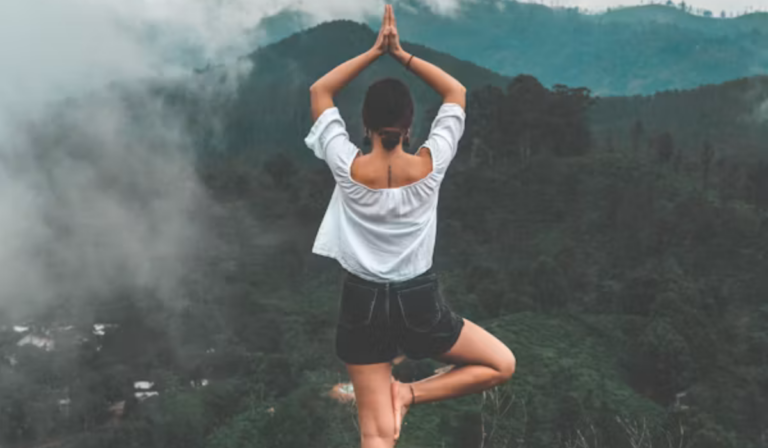
Both yoga and stretching have an important place in a healthy movement routine. Stretching is excellent for improving flexibility and relieving temporary muscle tightness, while yoga offers a broader approach that combines flexibility with strength, balance, breathing, and mindfulness.
The best choice depends on your goals—but you don’t necessarily have to choose one over the other. By incorporating the right mix of movement into your routine, you can support healthier joints, better mobility, improved posture, and greater confidence in how your body moves every day.