
“Recovery isn’t what happens after training—it’s what determines how well you’re ready for the next one.”
You’ve finished the workout, crossed the finish line, or completed a long game. Your muscles feel heavy. You’re thirsty despite drinking water. Maybe you’re battling cramps, fatigue, or soreness that lingers longer than expected. Even after a good meal and a night’s sleep, you still don’t feel fully recovered.
For athletes and active individuals, recovery is just as important as training itself. Whether you’re preparing for your next competition, returning to the gym, or simply trying to stay consistent, how your body recovers can influence future performance.
Hydration, nutrition, sleep, and active recovery all play important roles. More recently, IV hydration therapy has gained attention among professional athletes, endurance competitors, and fitness enthusiasts as another tool that may support recovery after strenuous activity.
But can IV hydration actually improve athletic recovery?
To answer that, it helps to understand what intense exercise does to the body.
Understanding What Happens During Intense Exercise

Exercise places controlled stress on the body. This stress is necessary for building strength, endurance, and fitness—but it also creates temporary physiological changes that require recovery.
During prolonged or high-intensity exercise, the body experiences:
During prolonged or high-intensity exercise, the body experiences:
- Fluid loss through sweat
- Electrolyte depletion
- Increased muscle breakdown
- Glycogen depletion
- Elevated body temperature
- Increased metabolic demand
The amount of fluid and electrolyte loss varies depending on:
- Exercise intensity
- Workout duration
- Environmental temperature
- Humidity
- Individual sweat rate
When recovery is incomplete, you may notice:
- Persistent fatigue
- Muscle soreness
- Headaches
- Reduced endurance
- Slower reaction time
- Muscle cramps
- Difficulty maintaining performance
For most people, hydration, balanced nutrition, and adequate rest are enough to support recovery. However, after prolonged endurance events, repeated intense training sessions, or significant dehydration, some athletes explore IV hydration as an additional recovery strategy.
What Is IV Hydration Therapy?

IV (intravenous) hydration therapy delivers fluids, electrolytes, vitamins, and other nutrients directly into the bloodstream through a small intravenous catheter.
Because the fluids bypass the digestive system, they become immediately available for circulation throughout the body.
Depending on an individual’s needs, IV hydration may include:
- Sterile fluids
- Electrolytes
- Vitamin C
- B-complex vitamins
- Magnesium
- Other nutrients prescribed or recommended by a qualified healthcare provider
IV hydration is not intended to replace healthy hydration habits, proper nutrition, or medical care. Instead, it may serve as a supportive therapy for appropriate individuals under professional supervision.
How IV Hydration May Support Athletic Recovery

IV hydration addresses several factors involved in post-exercise recovery.
1. Restores Fluid Balance
Sweating causes the body to lose significant amounts of water.
Even mild dehydration may affect:
- Physical performance
- Muscle function
- Body temperature regulation
- Mental focus
IV fluids may help restore hydration levels when significant fluid losses have occurred.
2. Replenishes Electrolytes
Electrolytes help regulate:
- Muscle contraction
- Nerve function
- Fluid balance
- Heart rhythm
Heavy sweating may reduce levels of sodium, potassium, magnesium, and other electrolytes.
Replacing these electrolytes may support normal muscle and nerve function during recovery.
3. Supports Energy Production
Strenuous exercise increases the body’s demand for nutrients involved in cellular energy production.
Some IV formulations include B vitamins, which play important roles in normal energy metabolism.
While they do not provide an immediate energy boost in individuals without deficiencies, they may support normal metabolic processes.
4. May Help Reduce Recovery Time
Rehydration and electrolyte replacement may help the body return to its normal physiological balance more efficiently after prolonged physical activity.
Many athletes report feeling refreshed following treatment, although recovery still depends on adequate sleep, nutrition, and training management.
5. Supports Muscle Function
Muscles rely on proper hydration and electrolyte balance to contract and relax efficiently.
Supporting these systems may help reduce feelings of heaviness or fatigue following strenuous exercise.
6. Helps Maintain Circulation
Adequate hydration supports healthy blood volume and circulation, helping deliver oxygen and nutrients throughout the body during recovery.
7. Supports Recovery During Heavy Training Periods
Athletes participating in tournaments, endurance races, multi-day competitions, or demanding training blocks may experience repeated fluid losses over short periods.
When clinically appropriate, IV hydration may help support recovery between training sessions.
Athletic Recovery Needs and Potential Benefits of IV Hydration
| Recovery Challenge | Potential Benefits of IV Hydration |
|---|---|
| Heavy sweating | Fluid replacement |
| Electrolyte loss | Electrolyte replenishment |
| Endurance events | Recovery support |
| Heat exposure | Rehydration |
| Muscle fatigue | Support for hydration and muscle function |
| Prolonged training | Recovery between sessions |
| Dehydration symptoms | Restoration of fluid balance |
IV hydration should complement—not replace—healthy nutrition, hydration, sleep, and recovery practices.
What's Commonly Included in an Athletic IV Hydration Formula?
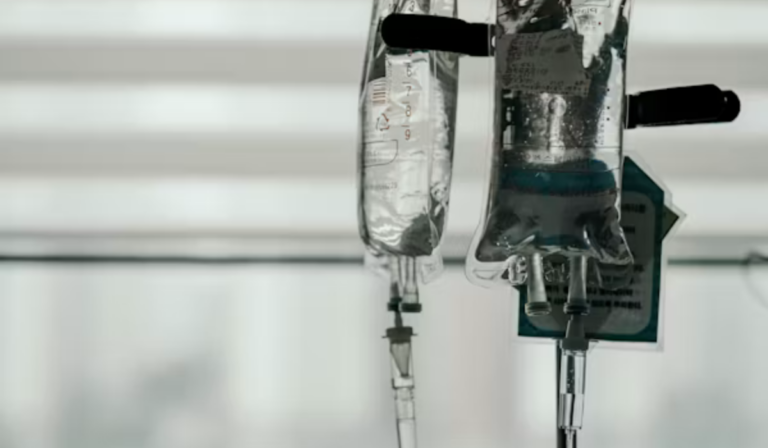
IV formulations are individualized based on health status, activity level, and provider recommendations.
Depending on clinical assessment, they may include:
Sterile Fluids
Help restore hydration after fluid loss.
Electrolytes
May include sodium, potassium, and magnesium to support fluid balance and muscle function.
B-Complex Vitamins
Support normal energy metabolism and nervous system function.
Vitamin C
Supports normal immune function and acts as an antioxidant.
Magnesium
May support muscle and nerve function in appropriate individuals.
Not every athlete requires every ingredient. A qualified healthcare provider determines what is appropriate based on medical history and individual needs.
What to Expect During an IV Hydration Session
1. Medical Assessment
Before treatment, a qualified healthcare provider will review:
- Medical history
- Current symptoms
- Hydration status
- Recent physical activity
- Medications
- Allergies
This helps determine whether IV hydration is appropriate.
2. Personalized Treatment Plan
Your provider will recommend an IV formulation based on your recovery goals and overall health.
Treatments are individualized rather than one-size-fits-all.
3. During the Infusion
A small IV catheter is inserted into a vein, usually in the arm.
Most sessions last between 30 and 60 minutes.
Many individuals choose to read, relax, or listen to music during treatment.
4. After the Session
Some people notice:
- Improved hydration
- Reduced feelings of fatigue
- Greater overall comfort
- A refreshed feeling
Individual experiences vary, and IV hydration should not be viewed as an instant performance enhancer.
5. Relaxation
Sessions often finish with gentle stretching and relaxation.
Many people notice:
- Reduced stiffness
- Greater confidence
- Improved posture
- A sense of calm
Consistency is more important than intensity when working on balance.
Who May Benefit from IV Hydration for Athletic Recovery?

IV hydration may be appropriate for endurance athletes, competitive athletes, recreational exercisers, or individuals participating in prolonged physical activity who experience significant fluid loss despite appropriate oral hydration.
It may also benefit those training in hot or humid environments, participating in multiple competitions over consecutive days, or recovering after strenuous endurance events where dehydration is a concern.
For most healthy individuals performing routine exercise, drinking adequate fluids, replacing electrolytes when appropriate, eating a balanced diet, and getting sufficient rest remain the foundation of effective recovery.
A healthcare provider can help determine whether IV hydration is appropriate based on your health status, activity level, and individual recovery needs.
When to Be Cautious
IV hydration is a medical procedure and is not appropriate for everyone.
Treatment may need to be avoided or carefully evaluated if you have:
- Kidney disease
- Heart failure
- Uncontrolled high blood pressure
- Significant liver disease
- Certain electrolyte disorders
- Active infections
- Fluid-sensitive medical conditions
Receiving unnecessary IV fluids may pose health risks, so treatment should always be performed under the supervision of qualified medical professionals.
Individuals experiencing severe dehydration, heat illness, chest pain, confusion, or loss of consciousness should seek emergency medical care rather than elective IV therapy.
When to Expect Results

Everyone responds differently depending on hydration status, exercise intensity, and overall health.
Shortly after treatment
Some individuals report feeling better hydrated and more refreshed, particularly after significant fluid loss.
Within the next 24 hours
Recovery may feel more comfortable as hydration and electrolyte balance are restored alongside proper nutrition and rest.
With ongoing healthy recovery habits
The greatest benefits come from combining hydration, balanced nutrition, quality sleep, progressive training, and appropriate recovery strategies. IV hydration should be viewed as one component of a comprehensive recovery plan—not a substitute for healthy habits.
FAQs

1. Does IV hydration improve athletic performance?
IV hydration is intended to support hydration and recovery, not directly improve athletic performance.
2. Is IV hydration better than drinking water?
For most healthy individuals, drinking fluids is sufficient. IV hydration may be appropriate in certain situations involving significant dehydration or when recommended by a healthcare provider.
3. Can IV hydration help after a marathon?
Some endurance athletes may benefit from medically supervised IV hydration after prolonged events involving substantial fluid loss.
4. Is IV hydration safe for healthy athletes?
When performed by qualified medical professionals following appropriate assessment, IV hydration is generally considered safe for appropriate candidates.
5. Does IV hydration reduce muscle soreness?
Recovery experiences vary. Hydration supports normal muscle function, but soreness is influenced by multiple factors including training intensity.
6. Can IV hydration replace sports drinks?
No. Most athletes recover well with oral fluids, electrolytes, and nutrition. IV hydration is reserved for specific situations.
7. How long does an IV hydration session take?
Most sessions last between 30 and 60 minutes.
8. Can I receive IV hydration before competition?
This depends on your medical history, competition rules, and provider recommendations. Some athletic organizations have regulations regarding IV infusions.
9. How often should athletes receive IV hydration?
There is no standard schedule. Treatment should be based on clinical need rather than routine use.
10. Is IV hydration suitable for recreational exercisers?
Most recreational exercisers recover well with proper hydration, nutrition, and rest. IV hydration may be appropriate in select cases after medical evaluation.
Supporting Smarter Recovery

Recovery is more than simply resting between workouts—it’s an essential part of helping your body adapt, repair, and prepare for future performance.
IV hydration may provide additional support for athletes recovering from significant fluid and electrolyte losses when used appropriately and under qualified medical supervision. Combined with proper nutrition, sleep, and training, it can become one component of a comprehensive recovery strategy that helps you return to activity feeling healthier, stronger, and better prepared for your next challenge.