What Conditions Can Osteopathic Manipulative Treatment Treat?
Pain, stiffness, and limited mobility can affect nearly every aspect of daily life.
Whether the discomfort develops from poor posture, repetitive movement, injury, pregnancy, or chronic musculoskeletal conditions, many individuals seek treatment options that support movement and function without immediately relying on medications or invasive procedures.
One treatment that is commonly incorporated into osteopathic medicine is Osteopathic Manipulative Treatment (OMT).
At Circle Wellness in Melville, NY, OMT is provided as part of an individualized treatment approach designed to evaluate how the body’s muscles, joints, connective tissues, and nervous system work together.
In clinical practice, OMT may be incorporated into broader care plans for individuals experiencing musculoskeletal pain, movement restrictions, or certain functional conditions when considered appropriate by an osteopathic physician.
What Is Osteopathic Manipulative Treatment (OMT)?

Osteopathic Manipulative Treatment is a hands-on treatment performed by a Doctor of Osteopathic Medicine (DO).
Using precise manual techniques, an osteopathic physician evaluates and treats areas of restricted motion within the body’s:
- Muscles
- Joints
- Fascia
- Ligaments
- Connective tissues
The goal is to support the body’s natural movement, improve biomechanical function, and address somatic dysfunction that may contribute to pain or restricted mobility.
Unlike massage therapy, OMT is a medical treatment performed after a clinical evaluation and is individualized according to each patient’s condition.
Quick Answer: What Conditions May OMT Help Address?

Depending on the individual’s diagnosis and clinical evaluation, Osteopathic Manipulative Treatment may be incorporated into treatment plans for conditions involving:
- Neck pain
- Back pain
- Shoulder pain
- Hip pain
- Joint stiffness
- Muscle tension
- Headaches
- Certain pregnancy-related musculoskeletal discomforts
- Sports-related overuse injuries
- Postural dysfunction
OMT is not appropriate for every condition, and treatment recommendations vary depending on medical history, diagnosis, and individual health needs.
How Does OMT Work?

Osteopathic medicine recognizes that the body’s structure and function are closely connected.
Restricted movement in one area may influence:
- Muscle balance
- Joint mechanics
- Circulation
- Lymphatic movement
- Nervous system function
Through carefully selected manual techniques, OMT may help improve mobility, reduce mechanical restrictions, and support normal body function.
Treatment techniques vary depending on the patient’s examination findings and may include:
- Soft tissue techniques
- Muscle energy techniques
- Myofascial release
- Counterstrain
- Articulatory techniques
- Balanced ligamentous tension
Every treatment plan is individualized rather than standardized.
Conditions Commonly Evaluated for OMT
Although OMT is not a cure for disease, it may be incorporated into the management of certain musculoskeletal and functional conditions when clinically appropriate.
Some commonly evaluated conditions include:
Neck Pain
Muscle tightness, poor posture, prolonged computer use, and joint dysfunction may contribute to neck discomfort.
OMT may help improve cervical mobility and reduce mechanical tension as part of a broader treatment plan.
Lower Back Pain
Lower back pain is one of the most common reasons patients seek osteopathic care.
Depending on the underlying cause, OMT may help support:
- Joint mobility
- Muscle relaxation
- Movement efficiency
- Functional recovery
Treatment recommendations depend on the individual’s diagnosis and physical examination.
Headaches Related to Muscle Tension
Some tension-type headaches may be associated with muscular tightness, cervical dysfunction, or postural strain.
For selected patients, OMT may be used to address musculoskeletal factors that could be contributing to headache symptoms.
Not all headaches are appropriate for manual treatment, and persistent or severe headaches require medical evaluation.
Shoulder Pain
Restricted shoulder movement may result from:
- Muscle imbalance
- Joint stiffness
- Overuse
- Postural dysfunction
OMT may be incorporated into treatment plans aimed at improving mobility and supporting functional movement.
Hip and Pelvic Dysfunction
Movement restrictions involving the hips or pelvis may influence walking mechanics and overall posture.
An osteopathic physician may evaluate these areas to determine whether manual treatment is appropriate as part of individualized care.
Sports-Related Muscle and Joint Dysfunction
Athletes and physically active individuals sometimes seek OMT for:
- Muscle tightness
- Overuse discomfort
- Reduced mobility
- Recovery support
Treatment recommendations depend on the nature of the injury and overall clinical assessment.
Additional Conditions That May Benefit From OMT

Osteopathic Manipulative Treatment is not limited to back or neck pain.
Following a comprehensive evaluation, an osteopathic physician may determine that OMT is appropriate as part of a broader care plan for several other musculoskeletal and functional conditions.
Treatment recommendations are always individualized and depend on the patient’s diagnosis, medical history, and physical examination findings.
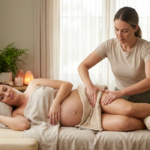
Pregnancy-Related Musculoskeletal Discomfort
As pregnancy progresses, changes in posture, weight distribution, and ligament flexibility may contribute to discomfort in the:
- Lower back
- Pelvis
- Hips
- Sacroiliac joints
For appropriate candidates, OMT may be incorporated into supportive care plans to help improve mobility and reduce musculoskeletal strain during pregnancy.
Treatment techniques are modified to prioritize maternal comfort and safety.
Postural Dysfunction

Modern lifestyles often involve prolonged sitting, repetitive computer work, and limited movement throughout the day.
Over time, poor posture may contribute to:
- Neck stiffness
- Shoulder tension
- Upper back discomfort
- Reduced spinal mobility
- Muscle imbalance
OMT may help improve joint motion and soft tissue mobility while supporting better movement mechanics.
However, lasting improvements often require ergonomic adjustments, strengthening exercises, and healthy movement habits in addition to manual treatment.
Rib and Chest Wall Restrictions

Restricted movement of the ribs or surrounding muscles may affect comfort during breathing, twisting, or certain physical activities.
Depending on the underlying cause, OMT may help improve chest wall mobility and reduce mechanical restrictions contributing to discomfort.
Individuals experiencing chest pain should always receive appropriate medical evaluation to rule out urgent or serious conditions before considering manual therapy.
Joint Stiffness and Reduced Mobility
Reduced joint mobility may develop because of:
- Aging
- Previous injuries
- Repetitive movement
- Muscle guarding
- Prolonged inactivity
OMT may help restore normal movement patterns by addressing restrictions affecting muscles, joints, and connective tissues.
The specific treatment approach depends on the individual’s examination findings.
Muscle Tightness and Myofascial Restrictions

Muscle tension may develop from:
- Repetitive work activities
- Sports participation
- Stress
- Poor posture
- Previous injuries
Some OMT techniques focus on improving soft tissue mobility, reducing muscle tension, and restoring more comfortable movement.
Treatment plans may also include recommendations for stretching, strengthening, or lifestyle modifications to support long-term outcomes.
How an Osteopathic Physician Determines Whether OMT Is Appropriate
Not every patient is a candidate for Osteopathic Manipulative Treatment.
Before treatment begins, an osteopathic physician typically performs a comprehensive evaluation that may include:
Medical History
Providers may review:
- Current symptoms
- Previous injuries
- Surgical history
- Existing medical conditions
- Current medications
- Activity level
Physical Examination
The examination may assess:
- Joint mobility
- Muscle balance
- Range of motion
- Posture
- Walking mechanics
- Areas of tenderness
- Functional movement patterns
Individualized Treatment Planning
Based on the findings, the physician determines whether OMT may be appropriate or whether additional diagnostic evaluation, imaging, referral, or alternative treatment would be more suitable.
This individualized approach helps support patient safety while ensuring treatment recommendations are based on clinical findings rather than symptoms alone.
Educational and Clinical Perspective
Research supported by the National Center for Complementary and Integrative Health (NCCIH) and the National Institutes of Health (NIH) has explored the role of manual therapies, including osteopathic manipulative approaches, in managing certain musculoskeletal conditions.
For example, an individual experiencing persistent lower back pain associated with reduced spinal mobility may be evaluated for OMT as one component of a broader treatment plan that also includes exercise, posture modification, and lifestyle recommendations.
Because musculoskeletal pain has many possible causes, treatment decisions should always be individualized following a comprehensive clinical evaluation.
Potential Risks and Side Effects

When performed by a qualified Doctor of Osteopathic Medicine, OMT is generally considered safe for appropriately selected patients.
Some individuals may experience temporary effects such as:
- Mild soreness
- Temporary muscle stiffness
- Fatigue
- Minor discomfort during recovery
These effects are often short-lived, although experiences vary from person to person.
Patients should inform their provider about any unusual or persistent symptoms following treatment.
When OMT May Not Be Appropriate
Certain medical conditions may require alternative treatment approaches or additional evaluation before manual therapy is considered.
Examples may include:
- Acute fractures
- Severe osteoporosis
- Bone infections
- Certain cancers involving bone
- Spinal instability
- Acute neurological emergencies
- Suspected spinal cord compression
An osteopathic physician evaluates each patient’s medical history and physical findings to determine whether OMT is appropriate and safe.
When Should You Seek Medical Evaluation?

Individuals experiencing the following symptoms should seek prompt medical evaluation rather than relying on manual therapy alone:
- Sudden loss of strength
- Numbness affecting bowel or bladder function
- Severe or worsening pain after trauma
- Fever accompanied by back or neck pain
- Unexplained weight loss with persistent pain
- Progressive neurological symptoms
These symptoms may indicate conditions requiring immediate medical assessment.
What to Expect During an Osteopathic Manipulative Treatment Visit
If you’ve never received Osteopathic Manipulative Treatment (OMT), it’s natural to wonder what the appointment involves.
Although every treatment plan is personalized, most visits follow a structured clinical process focused on understanding the underlying cause of your symptoms rather than simply addressing the area where pain is felt.
Comprehensive Medical Evaluation
Your visit typically begins with a detailed discussion about your health.
An osteopathic physician may review:
- Current symptoms
- When the discomfort began
- Previous injuries or surgeries
- Medical conditions
- Current medications
- Daily activities
- Occupational demands
- Exercise habits
This information helps guide the physical examination and treatment plan.
Musculoskeletal Assessment
Next, your physician may evaluate:
- Posture
- Joint mobility
- Muscle tension
- Range of motion
- Walking mechanics
- Balance
- Areas of tenderness
- Functional movement
The goal is to identify areas of somatic dysfunction that may be contributing to pain or restricted movement.
Individualized Manual Treatment
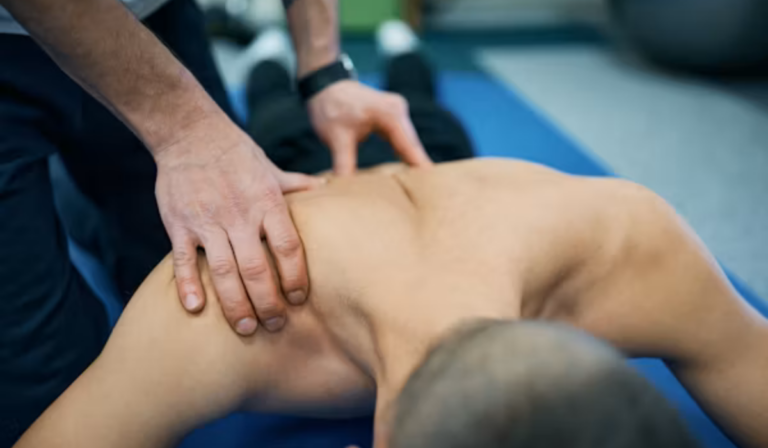
Based on the examination findings, your physician may perform one or more osteopathic manipulative techniques.
Treatment is always tailored to your condition and comfort level.
Depending on the clinical evaluation, techniques may focus on:
- Improving joint mobility
- Reducing muscle tension
- Restoring soft tissue movement
- Supporting normal biomechanics
- Improving overall function
Treatment intensity varies depending on the individual’s diagnosis, age, mobility, and medical history.
After Your Appointment
Some individuals resume normal daily activities immediately following treatment.
Others may experience temporary soreness similar to what can occur after exercise.
Your physician may also recommend:
- Stretching exercises
- Home mobility routines
- Posture modifications
- Hydration
- Activity adjustments
- Follow-up care if appropriate
These recommendations are intended to complement manual treatment and support long-term musculoskeletal health.
Why Medical Oversight Matters
Unlike generalized manual therapies, Osteopathic Manipulative Treatment is performed by a licensed Doctor of Osteopathic Medicine after a clinical evaluation.
Medical oversight allows the physician to:
- Evaluate underlying medical conditions
- Identify situations where OMT may not be appropriate
- Modify treatment based on patient health status
- Coordinate care with other medical treatments when necessary
- Monitor progress over time
This individualized approach helps ensure that treatment decisions are based on clinical findings rather than symptoms alone.
FAQs

What conditions can Osteopathic Manipulative Treatment help with?
OMT may be incorporated into treatment plans for certain musculoskeletal conditions, including back pain, neck pain, joint stiffness, muscle tension, some tension-type headaches, and selected pregnancy-related musculoskeletal discomforts when clinically appropriate.
Is OMT the same as chiropractic care?
No. While both involve hands-on techniques, OMT is performed by a Doctor of Osteopathic Medicine as part of a comprehensive medical evaluation and may include a broader range of gentle manual treatment techniques.
Does Osteopathic Manipulative Treatment hurt?
Most individuals tolerate OMT well. Some techniques are very gentle, while others involve active participation. Mild soreness may occur after treatment but is often temporary.
How long does an OMT session take?
Appointment length varies depending on the individual’s condition and treatment plan, but many sessions typically last between 30 and 60 minutes.
How many OMT treatments are needed?
There is no standard number of treatments. Recommendations depend on the individual’s diagnosis, response to treatment, and overall care goals.
Is Osteopathic Manipulative Treatment safe?
When performed by a qualified Doctor of Osteopathic Medicine for appropriate candidates, OMT is generally considered safe. Suitability should always be determined through an individualized medical evaluation.
Supporting Movement Through Individualized Osteopathic Care
Musculoskeletal pain and movement restrictions rarely have a single cause.
Factors such as posture, daily activities, previous injuries, muscle imbalances, and overall health can all influence how the body moves and functions.
Osteopathic Manipulative Treatment offers a hands-on, patient-centered approach that may help improve mobility and support musculoskeletal function when incorporated into a comprehensive treatment plan.
Rather than focusing solely on symptom relief, osteopathic care emphasizes understanding how different parts of the body work together to support long-term health and movement.
At Circle Wellness, OMT is delivered through individualized assessments, evidence-informed clinical decision-making, and treatment plans tailored to each patient’s unique needs and goals.
Book a Personalized OMT Consultation
Persistent pain, stiffness, or reduced mobility can have many possible causes.
A professional evaluation may help determine whether Osteopathic Manipulative Treatment could be an appropriate part of your individualized care plan.
At Circle Wellness in Melville, NY, every patient begins with a comprehensive assessment to better understand their symptoms, movement patterns, and overall musculoskeletal health before treatment recommendations are made.