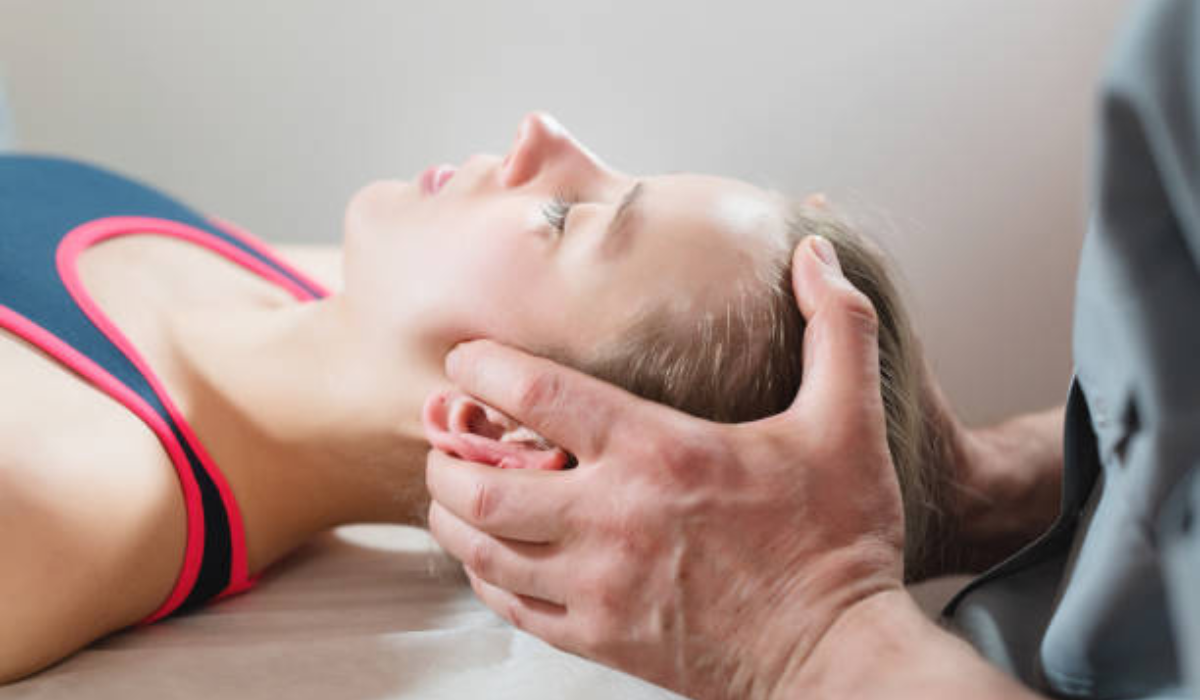
“When headaches become part of your routine, they slowly begin taking pieces of your day with them.”
You wake up hoping today will be different. But within a few hours, that familiar pressure starts building. Maybe it’s a dull ache wrapping around your temples. Maybe your neck feels tight before the headache even begins. Or perhaps it’s another migraine that forces you to dim the lights, cancel plans, and wait for the pain to pass.
Headaches and migraines affect far more than your head. They can make it difficult to work, exercise, concentrate, or simply enjoy time with family and friends. Many people rely on medication for relief, but some continue to experience recurring episodes despite treatment.
That’s why many individuals also look for supportive therapies that address physical tension and movement patterns that may contribute to headache symptoms.
One approach that has gained attention is Osteopathic Manipulative Treatment (OMT).
But can OMT actually help with headaches and migraines?
To answer that, it helps to understand what happens in the body during these conditions—and how restricted muscles and joints may play a role.
Understanding Headaches and Migraines

Although headaches and migraines both cause head pain, they are different conditions.
Tension headaches are often linked to muscle tightness and stress, producing a dull, aching sensation around the head.
Migraines are neurological conditions involving complex changes in the brain, nervous system, and blood vessels. They often cause moderate to severe throbbing pain and may be accompanied by nausea, light sensitivity, sound sensitivity, or visual disturbances.
Common headache and migraine triggers include:
- Muscle tension
- Poor posture
- Stress
- Sleep disturbances
- Hormonal changes
- Dehydration
- Jaw dysfunction (TMJ)
- Neck stiffness
People commonly experience:
- Pain in the forehead, temples, or back of the head
- Neck and shoulder tightness
- Reduced neck movement
- Light or sound sensitivity
- Nausea
- Fatigue
- Difficulty concentrating
But what many people don’t realize is that recurring headaches often involve more than just the head itself.
Restricted movement in the neck, upper back, shoulders, and jaw may increase tension around nerves and muscles that contribute to headache symptoms. At the same time, chronic pain can keep the nervous system in a heightened state, making the body more sensitive to discomfort.
This broader understanding is why OMT may become part of a comprehensive headache management plan.
What Is Osteopathic Manipulative Treatment (OMT)?
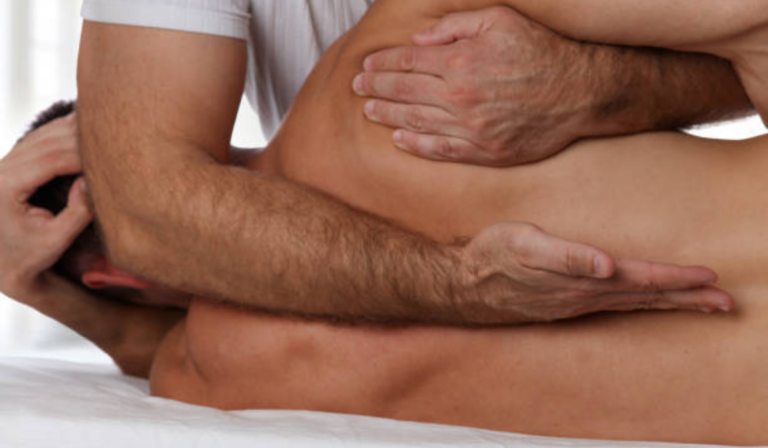
Osteopathic Manipulative Treatment is a hands-on treatment performed by a Doctor of Osteopathic Medicine (DO).
Using gentle manual techniques, the physician evaluates and treats restrictions involving:
- Muscles
- Joints
- Fascia
- Connective tissues
- The spine
- The nervous system
Rather than treating only the area where pain is felt, OMT evaluates how different parts of the body work together.
The goal is to improve mobility, reduce physical strain, and support the body’s natural ability to function more efficiently.
OMT is often used alongside medications, lifestyle modifications, physical therapy, and other physician-guided treatments—not as a replacement for medical migraine care.
How OMT May Help Headaches and Migraines

OMT focuses on several physical factors that may contribute to recurring headaches.
1. Reduces Muscle Tension
Tight muscles in the neck, shoulders, scalp, and upper back can contribute to headache pain.
OMT may help:
- Relax chronically tight muscles
- Reduce trigger points
- Improve muscle flexibility
- Decrease tension around the head and neck
Less muscle tension often translates into greater daily comfort.
2. Improves Neck and Upper Back Mobility
Restricted movement in the cervical spine may contribute to certain headache patterns.
Gentle osteopathic techniques may help:
- Improve joint mobility
- Restore normal movement
- Reduce stiffness
- Improve posture
Better movement often reduces mechanical strain placed on surrounding muscles.
3. Supports Nervous System Balance
Persistent pain and stress can keep the nervous system in a heightened state.
OMT may help support:
- Relaxation
- Reduced stress responses
- Improved autonomic nervous system balance
- Greater overall physical comfort
Many patients describe feeling calmer after treatment.
4. Improves Circulation
Healthy circulation supports oxygen and nutrient delivery to muscles and connective tissues.
By improving tissue mobility, OMT may encourage:
- Better blood flow
- Reduced muscle congestion
- Improved tissue recovery
5. Addresses Postural Strain
Long hours at a desk, screen use, or repetitive activities often place extra stress on the neck and shoulders.
OMT evaluates posture-related restrictions that may contribute to recurring headaches.
Treatment may help reduce:
- Forward head posture
- Shoulder tightness
- Upper back restriction
6. Supports Whole-Body Function
The body functions as an interconnected system.
Rather than focusing only on the head, OMT considers how restrictions throughout the spine, rib cage, shoulders, jaw, and surrounding tissues may influence headache symptoms.
Headache Patterns and Potential Benefits of OMT
| Condition | Potential Benefits of OMT |
|---|---|
| Tension headaches | Reduced muscle tightness and improved mobility |
| Cervicogenic headaches | Improved neck function and posture |
| Migraine support | Reduced muscular tension and nervous system relaxation |
| Posture-related headaches | Better spinal alignment and movement |
| Stress-related headaches | Improved relaxation and reduced muscle guarding |
| Jaw-related headaches (TMJ) | Reduced jaw and facial muscle tension |
| Chronic neck stiffness | Improved flexibility and movement |
OMT is commonly integrated into headache management alongside medication, hydration, exercise, stress management, and physician-guided care.
What Happens During an OMT Session?

1. Comprehensive Medical Evaluation
Your osteopathic physician will review:
- Headache history
- Migraine frequency
- Pain location
- Medical conditions
- Previous treatments
- Lifestyle habits
Understanding the pattern of your symptoms helps guide treatment.
2. Structural Assessment
Your physician evaluates how your body moves by assessing:
- Neck mobility
- Shoulder movement
- Jaw function
- Spinal alignment
- Muscle tension
- Postural patterns
The goal is to identify areas that may contribute to recurring headaches.
3. Personalized OMT Treatment
Treatment is tailored to your individual findings.
Depending on your needs, your physician may use gentle techniques to improve movement in the:
- Neck
- Upper back
- Shoulders
- Rib cage
- Jaw
- Surrounding soft tissues
Every treatment plan is individualized.
4. During Treatment
Most patients experience:
- Gentle pressure
- Slow stretching
- Guided movement
- Muscle relaxation
OMT is generally comfortable and adapted to your comfort level.
5. After Treatment
Some individuals notice:
- Less neck tension
- Improved range of motion
- Reduced headache intensity
- Easier movement
- Greater overall relaxation
For recurring headaches or migraines, multiple sessions are often recommended as part of a comprehensive treatment plan.
Who May Benefit from OMT for Headaches and Migraines?
OMT may be beneficial for individuals who experience recurring tension headaches, migraines, cervicogenic headaches, or headaches associated with neck stiffness and poor posture. It may also help those who notice headaches becoming worse after long hours at a computer, stressful periods, or prolonged muscle tension in the neck and shoulders.
Because OMT focuses on improving movement throughout the body rather than simply masking symptoms, it may be particularly helpful for people looking to complement their existing headache treatment plan with a hands-on, physician-directed approach.
OMT often works best alongside appropriate medical care, headache medications when prescribed, stress management, regular exercise, healthy sleep habits, hydration, and ergonomic improvements.
When to Be Cautious
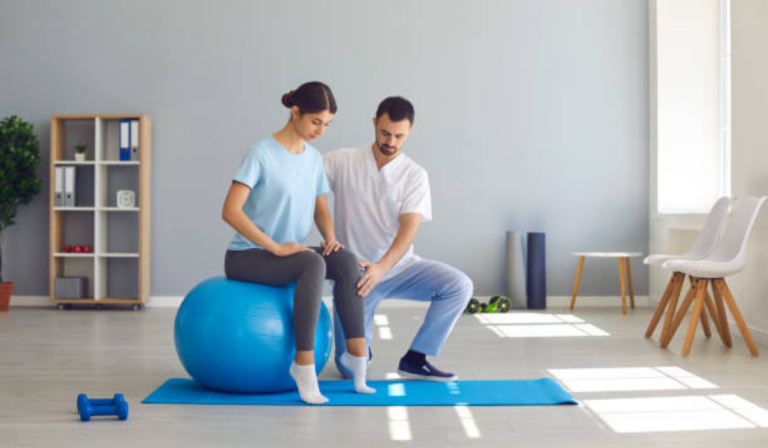
Although OMT is considered safe for many people, treatment may need to be modified—or postponed—depending on your medical condition.
Your physician will carefully evaluate you before treatment, particularly if you have:
- A recent head or neck injury
- Severe osteoporosis
- Recent spinal surgery
- Active infection
- Certain neurological disorders
- Uncontrolled high blood pressure
- Suspected stroke symptoms
Seek immediate emergency medical care if you experience a sudden, severe headache unlike anything you’ve had before, headache following significant trauma, weakness, confusion, vision loss, seizures, or difficulty speaking. These symptoms require urgent medical evaluation and are not appropriate for routine OMT.
When to Expect Results

Everyone responds differently depending on the type of headache, symptom duration, and underlying contributing factors.
After the first session
Some people notice reduced muscle tightness, improved neck movement, or a greater sense of relaxation.
After several treatments
Many patients experience more consistent improvements in posture, mobility, and physical tension that may contribute to recurring headaches.
With ongoing care
The greatest benefits often occur when OMT is combined with lifestyle modifications, stress management, regular exercise, hydration, and physician-guided headache treatment. For individuals with chronic headaches or migraines, consistency is often more important than a single treatment.
FAQs

1. Can OMT cure migraines?
No. Migraines are complex neurological conditions. OMT may help reduce musculoskeletal factors that contribute to symptoms, but it is not a cure.
2. Can OMT help tension headaches?
Yes. OMT is commonly used to address muscle tightness, joint restrictions, and postural issues that may contribute to tension headaches.
3. Is OMT painful?
Most OMT techniques are gentle and designed to improve comfort. Your physician will tailor treatment to your condition and tolerance.
4. How many OMT sessions will I need?
This varies depending on your symptoms. Some people notice improvements after a few sessions, while chronic conditions may benefit from ongoing care.
5. Can OMT replace headache medication?
No. OMT is a complementary therapy and should not replace medications or treatments prescribed by your healthcare provider.
6. Can OMT help headaches caused by poor posture?
Yes. Improving movement and reducing postural strain may help decrease headaches associated with prolonged sitting or repetitive activities.
7. Is OMT safe during a migraine?
This depends on symptom severity and your physician’s assessment. Some patients may benefit from gentle techniques, while others may be treated between migraine episodes.
8. Can OMT help TMJ-related headaches?
Yes. If jaw dysfunction contributes to muscle tension and headache symptoms, OMT may be included as part of a comprehensive treatment approach.
9. What's the difference between OMT and chiropractic care?
OMT is performed by Doctors of Osteopathic Medicine (DOs) and uses a variety of gentle manual techniques as part of a broader medical evaluation and treatment plan. Chiropractic care primarily focuses on spinal manipulation, although treatment approaches differ between practitioners.
10. Can OMT help prevent recurring headaches?
For some individuals, addressing muscle tension, restricted movement, and postural strain may help reduce headache frequency as part of a comprehensive management plan.
Supporting Better Movement, Less Tension, and Healthier Days

Recurring headaches and migraines can affect every part of your daily life—from work and exercise to sleep and time with family. While medications often play an important role, addressing the physical tension and movement restrictions that contribute to symptoms can be equally valuable.
At Circle Wellness, Osteopathic Manipulative Treatment (OMT) is provided by physicians as part of an integrative approach to care. By improving mobility, reducing muscle tension, and supporting healthy body mechanics, OMT may help complement your overall headache management plan—so you can move more comfortably and spend more days focused on living, not on pain.