
What Conditions Qualify for Insurance-Covered Medical Massage?
Medical massage may be recommended as part of a broader treatment plan for certain pain and musculoskeletal conditions.
However, whether medical massage is covered by health insurance is a separate question.
Insurance coverage can depend on:
- Your specific health insurance plan
- The diagnosis being treated
- Medical necessity requirements
- Provider credentials
- Referral or prescription requirements
- Number of sessions authorized
- Whether the service is considered a covered benefit
- Your deductible, copay, or coinsurance
Some insurance plans may provide coverage for massage therapy in specific circumstances, while others may exclude it entirely.
Because coverage policies differ significantly, patients should verify their individual benefits directly with their insurance provider before scheduling treatment.
At Circle Wellness in Melville, NY, medical massage may be incorporated into personalized care plans when clinically appropriate, but insurance eligibility and reimbursement are determined by the patient’s individual health plan.
Quick Answer: What Conditions May Qualify for Medical Massage Coverage?
There is no universal list of conditions that automatically qualify for insurance-covered medical massage.
Depending on the insurance plan and medical necessity criteria, coverage may sometimes be considered for conditions involving:
- Chronic or acute back pain
- Neck pain
- Muscle spasms
- Musculoskeletal pain
- Certain soft-tissue conditions
- Limited mobility related to musculoskeletal problems
- Pain associated with specific injuries
- Other conditions for which massage therapy is considered medically necessary
However, having one of these conditions does not guarantee insurance coverage.
The insurance company may require documentation demonstrating that medical massage is part of a medically necessary treatment plan.
What Is Medical Massage?

Medical massage is a targeted form of massage therapy that focuses on specific areas of pain, muscle tension, restricted mobility, or soft-tissue concerns.
Unlike massage performed primarily for relaxation, medical massage may be incorporated into a broader healthcare plan when clinically appropriate.
Depending on the individual’s needs, treatment may focus on:
- Muscle tension
- Soft-tissue restrictions
- Mobility limitations
- Range of motion
- Areas contributing to discomfort
- Functional movement
The techniques used and frequency of treatment depend on the individual’s condition, symptoms, and treatment goals.
Why Does Medical Necessity Matter for Insurance Coverage?
Insurance companies typically distinguish between services considered medically necessary and services primarily intended for general wellness or relaxation.
When an insurer evaluates a claim, it may consider:
- The patient’s diagnosis
- Symptoms and functional limitations
- Treatment goals
- Medical documentation
- Provider qualifications
- Whether the treatment is included in the insurance plan
- Whether other requirements have been met
For this reason, the term “medical massage” alone does not automatically mean that a service will be covered.
The specific insurance policy and clinical circumstances determine eligibility.
Conditions That May Be Considered for Coverage

The following conditions may sometimes be associated with medical massage treatment, depending on the insurance plan and applicable medical necessity requirements.
Chronic Back Pain
Chronic lower back pain is one of the conditions for which massage therapy has been studied as a complementary approach.
Some individuals may receive massage as part of a broader treatment plan that may also include:
- Physical therapy
- Exercise
- Medication when prescribed
- Osteopathic care
- Other clinician-directed treatments
Insurance coverage, however, depends on the individual’s plan and applicable requirements.
Neck and Shoulder Pain
Persistent neck or shoulder discomfort may sometimes be associated with muscle tension, posture-related strain, or other musculoskeletal concerns.
In certain situations, medical massage may be included as part of a treatment plan designed to support:
- Muscle relaxation
- Mobility
- Range of motion
- Physical function
Whether the service qualifies for insurance reimbursement depends on the patient’s policy and medical necessity criteria.
Muscle Spasms and Tension
Individuals experiencing recurring muscle spasms or significant muscle tension may be considered for targeted massage as part of a broader care plan.
The underlying cause of the symptoms is important.
Muscle tension caused by temporary stress may be managed differently from symptoms associated with an underlying medical condition or injury.
Musculoskeletal Injuries
Depending on the circumstances, massage therapy may be used as a complementary treatment following certain musculoskeletal injuries.
Examples may include:
- Muscle strains
- Soft-tissue injuries
- Certain sports-related injuries
- Recovery-related muscle tension
Treatment should be based on appropriate clinical evaluation, particularly when an injury is recent or significant.
Limited Mobility
Some individuals experiencing reduced mobility because of muscle tension or musculoskeletal problems may receive targeted massage as part of a broader rehabilitation or treatment plan.
The goal may be to support movement and function alongside other appropriate interventions.
Does Having a Diagnosis Guarantee Coverage?
No.
A diagnosis alone does not guarantee that an insurance company will pay for medical massage.
Coverage may depend on:
- Whether massage therapy is included in your plan
- Whether the diagnosis meets the insurer’s criteria
- Whether the provider is eligible to bill the insurance plan
- Whether a referral is required
- Whether prior authorization is needed
- Whether treatment limits apply
- Whether documentation supports medical necessity
Even when a condition is commonly associated with massage therapy, the patient’s individual insurance policy remains the determining factor.
What Documentation Might an Insurance Company Require?

Insurance requirements vary, but some plans may request documentation such as:
- A medical diagnosis
- Referral from a healthcare provider
- Prescription for massage therapy
- Treatment plan
- Clinical notes
- Documentation of functional limitations
- Evidence of medical necessity
- Progress reports
Some insurers may also require prior authorization before treatment begins.
Because requirements can change and vary between plans, patients should confirm the specific documentation requirements with their insurance provider.
Educational and Clinical Perspective
Research available through the National Institutes of Health (NIH) has examined massage therapy as a complementary approach for certain pain and musculoskeletal conditions.
For example, an individual experiencing chronic lower back pain may receive massage as one component of a broader treatment plan that also includes exercise, physical therapy, or other clinician-recommended interventions.
The evidence and clinical recommendations vary depending on the condition, and massage therapy may not be appropriate for every patient.
Insurance coverage is a separate consideration and depends on the individual’s health plan, medical necessity requirements, provider eligibility, and applicable authorization rules.
Government Research Source: https://pubmed.ncbi.nlm.nih.gov/
What Is the Difference Between Medical Massage and Wellness Massage?

Understanding the difference may help explain why insurance policies treat these services differently.
Medical Massage
Medical massage generally focuses on a specific health concern or functional limitation.
It may be incorporated into a broader treatment plan when clinically appropriate.
Wellness or Relaxation Massage
Wellness massage is typically focused on relaxation, stress reduction, or general wellbeing.
Because it is generally not considered treatment for a specific medical diagnosis, it may not qualify for insurance reimbursement under many health plans.
However, insurance policies differ, and patients should always verify their individual benefits.
What If Your Insurance Does Not Cover Medical Massage?
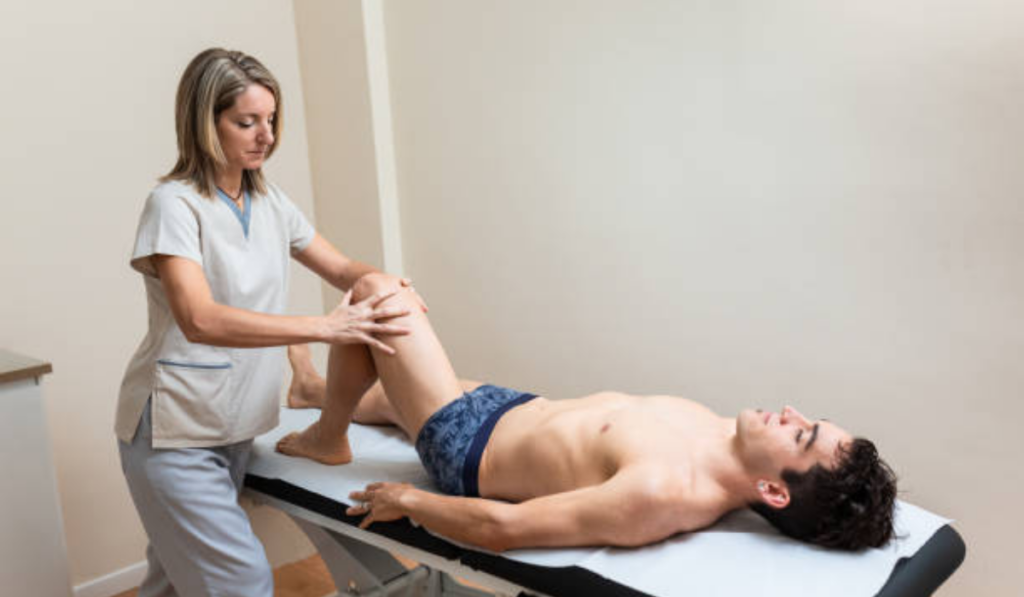
If your insurance plan does not provide coverage, you may still have options.
Depending on the provider and your circumstances, you may be able to:
- Pay privately for treatment
- Ask about available self-pay rates
- Check whether your plan offers out-of-network benefits
- Ask whether a referral or prescription could affect eligibility
- Explore whether another medically appropriate treatment is covered
Always confirm costs and coverage before beginning a course of treatment.
Why Insurance Verification Matters
Insurance policies can be complex, and coverage may vary even between patients with similar diagnoses.
Before scheduling medical massage, consider asking your insurance provider:
- Is medical massage covered under my plan?
- Is my diagnosis eligible for coverage?
- Do I need a referral?
- Is prior authorization required?
- Is there a limit on the number of sessions?
- Does the provider need to be in-network?
- What are my copay and deductible responsibilities?
- Will I have any out-of-pocket costs?
Getting these answers in advance may help reduce unexpected expenses.
When Medical Massage May Not Be Appropriate
Medical massage is not suitable for every condition.
A healthcare professional may recommend additional evaluation before treatment if you have:
- Severe or unexplained pain
- Recent major injury
- Suspected fracture
- Active infection
- Open wounds
- Significant swelling
- Certain bleeding disorders
- Recent surgery
- New neurological symptoms
Symptoms such as sudden weakness, loss of sensation, difficulty controlling bladder or bowel function, or severe unexplained pain may require prompt medical evaluation.
The Importance of an Individualized Treatment Plan

Medical massage should be based on the individual’s condition rather than the assumption that a particular diagnosis automatically requires massage.
A personalized evaluation may help determine:
- Whether massage is appropriate
- Which areas require attention
- How frequently treatment may be recommended
- Whether additional medical care is needed
- How treatment fits into the broader care plan
For some individuals, medical massage may be one part of a comprehensive approach that includes other therapies and lifestyle strategies.
How to Check Whether Your Insurance Covers Medical Massage
Before scheduling treatment, it’s helpful to understand exactly what your health plan covers.
You can contact your insurance provider and ask specific questions about medical massage benefits.
Consider asking:
- Is massage therapy covered under my health plan?
- Is medical massage covered for my specific diagnosis?
- Do I need a physician’s referral?
- Is prior authorization required?
- Does the provider need to be in-network?
- How many sessions are covered?
- Is there a yearly treatment limit?
- What portion of the cost is my responsibility?
- Do I need to meet my deductible first?
- Are there specific billing or documentation requirements?
Keep a record of the information provided by your insurer, including the representative’s name and any reference or call number, when available.
This can help you understand your benefits before beginning treatment.
Does a Referral Guarantee Insurance Coverage?
No.
A referral or prescription from a healthcare provider may be required by some insurance plans, but it does not necessarily guarantee reimbursement.
Your insurance provider may still evaluate:
- Your diagnosis
- Medical necessity
- Provider eligibility
- Treatment limitations
- Policy exclusions
- Prior authorization requirements
For this reason, it’s important to distinguish between a healthcare provider recommending medical massage and an insurance company agreeing to cover it.
These are separate considerations.
What Is Prior Authorization?

Some insurance plans require prior authorization before certain healthcare services are provided.
Prior authorization means that the insurer reviews the proposed treatment before it begins to determine whether it meets the plan’s coverage requirements.
If your plan requires prior authorization, you may need to provide:
- A diagnosis
- Referral or prescription
- Treatment plan
- Supporting medical records
- Documentation of previous treatments
Not every insurance plan requires prior authorization for massage therapy.
Always confirm your plan’s specific requirements before beginning treatment.
What Happens If Your Claim Is Denied?
An insurance claim may be denied for several reasons.
Possible reasons may include:
- Medical massage is excluded from the policy
- The diagnosis does not meet coverage criteria
- Prior authorization was not obtained
- The provider was not eligible under the plan
- Treatment exceeded the plan’s allowed limits
- Required documentation was missing
- The service was considered non-medically necessary
A denied claim does not always mean the decision cannot be reviewed.
Depending on your insurance plan, you may have the option to:
- Request an explanation of benefits
- Ask why the claim was denied
- Correct missing information
- Submit additional documentation
- Request an internal appeal
- Ask about the insurer’s reconsideration process
Insurance appeal procedures vary, so review your plan documents or contact your insurer for specific instructions.
Is Medical Massage Covered by Medicare or Medicaid?

Coverage policies for massage therapy can vary significantly depending on the specific program, state, plan, and circumstances.
Patients enrolled in Medicare or Medicaid should verify coverage directly through their plan or relevant government program.
Do not assume that a treatment is covered simply because it is described as “medical massage.”
Always confirm:
- Whether massage therapy is a covered benefit
- Whether your condition qualifies
- Whether a referral is required
- Whether the provider meets eligibility requirements
- Whether prior authorization applies
- What your potential out-of-pocket responsibility may be
Can You Use an HSA or FSA for Medical Massage?
Eligibility for Health Savings Account (HSA) or Flexible Spending Account (FSA) reimbursement may depend on the purpose of the treatment and applicable tax and plan rules.
In some circumstances, expenses related to the treatment of a diagnosed medical condition may be treated differently from services intended primarily for general wellness or relaxation.
Because individual circumstances and plan rules vary, patients should confirm eligibility with their HSA or FSA administrator and review applicable IRS guidance before assuming an expense is reimbursable.
Medical Massage and a Broader Pain Management Plan

For some individuals, medical massage may be incorporated into a broader approach to managing musculoskeletal pain.
Depending on the individual’s condition, a healthcare provider may recommend additional therapies such as:
- Osteopathic Manipulative Treatment
- Acupuncture
- Physical therapy
- Trigger point injections
- Therapeutic movement
- Exercise
- Lifestyle modifications
The appropriate combination depends on the underlying cause of symptoms and the individual’s overall health.
Medical massage should not be viewed as a replacement for necessary medical evaluation or treatment.
When Should You Speak With a Healthcare Provider First?
If your pain is new, severe, persistent, or unexplained, it may be important to receive a medical evaluation before beginning massage therapy.
A healthcare professional may need to assess symptoms that could be related to:
- Nerve involvement
- Significant injury
- Inflammation
- Infection
- Structural problems
- Other underlying medical conditions
Early evaluation may help identify the cause of symptoms and determine whether massage is an appropriate treatment option.
Why Individualized Care Matters

Two people may experience similar symptoms but have very different underlying causes.
For example, neck pain may result from muscle tension in one individual but may be associated with an injury or neurological problem in another.
This is why medical massage should be considered within the context of an individual’s overall health and clinical needs.
A personalized approach may help determine:
- Whether massage is appropriate
- Which techniques may be suitable
- How frequently treatment may be recommended
- Whether additional medical evaluation is necessary
- How massage fits into the broader care plan
How Circle Wellness Can Help
At Circle Wellness in Melville, NY, medical massage is provided as part of a personalized approach to wellness and pain management.
Treatment may be tailored according to individual concerns, symptoms, and goals.
If you’re considering medical massage and want to understand whether it may be appropriate for your needs, an individualized consultation can help you discuss your concerns and potential treatment options.
Explore medical massage options
Insurance coverage, eligibility, and reimbursement remain dependent on your individual health plan and should be verified directly with your insurance provider.
FAQs

What diagnoses are most commonly associated with insurance-covered medical massage?
No. Having a medical diagnosis does not automatically make massage therapy a covered service. Coverage depends on the specific insurance plan, the condition being treated, medical necessity criteria, provider eligibility, and other policy requirements.
Is chronic back pain covered for medical massage?
Some insurance plans may consider coverage for medical massage related to chronic back pain when specific criteria are met. However, coverage varies by plan, and additional documentation or authorization may be required.
Does insurance cover massage for neck pain?
Some plans may provide coverage when neck pain is associated with a qualifying medical condition and medical necessity can be established. Patients should verify their individual benefits with their insurance provider.
Do I need a doctor's referral for medical massage?
It depends on your insurance plan. Some insurers may require a referral or prescription, while others may not. Confirm your plan’s requirements before beginning treatment.
Does a referral mean insurance will pay for my massage?
No. A referral may satisfy one requirement of an insurance plan, but it does not guarantee that the treatment will be covered or reimbursed.
What should I ask my insurance company before scheduling?
Ask whether medical massage is covered, whether your diagnosis qualifies, whether a referral or prior authorization is required, whether the provider must be in-network, how many sessions are allowed, and what your expected out-of-pocket costs may be.
What if my insurance does not cover medical massage?
You may be able to explore self-pay options or ask whether your plan provides out-of-network benefits. Depending on your circumstances, you can also discuss other medically appropriate treatment options with your healthcare provider.
Medical Disclaimer
This article is intended for educational purposes only and does not constitute medical advice, diagnosis, treatment, or insurance coverage guidance. Insurance policies and reimbursement requirements vary by plan and individual circumstances. Coverage is not guaranteed based solely on a diagnosis or treatment recommendation. Always verify benefits directly with your insurance provider and consult a qualified healthcare professional regarding your individual health needs.