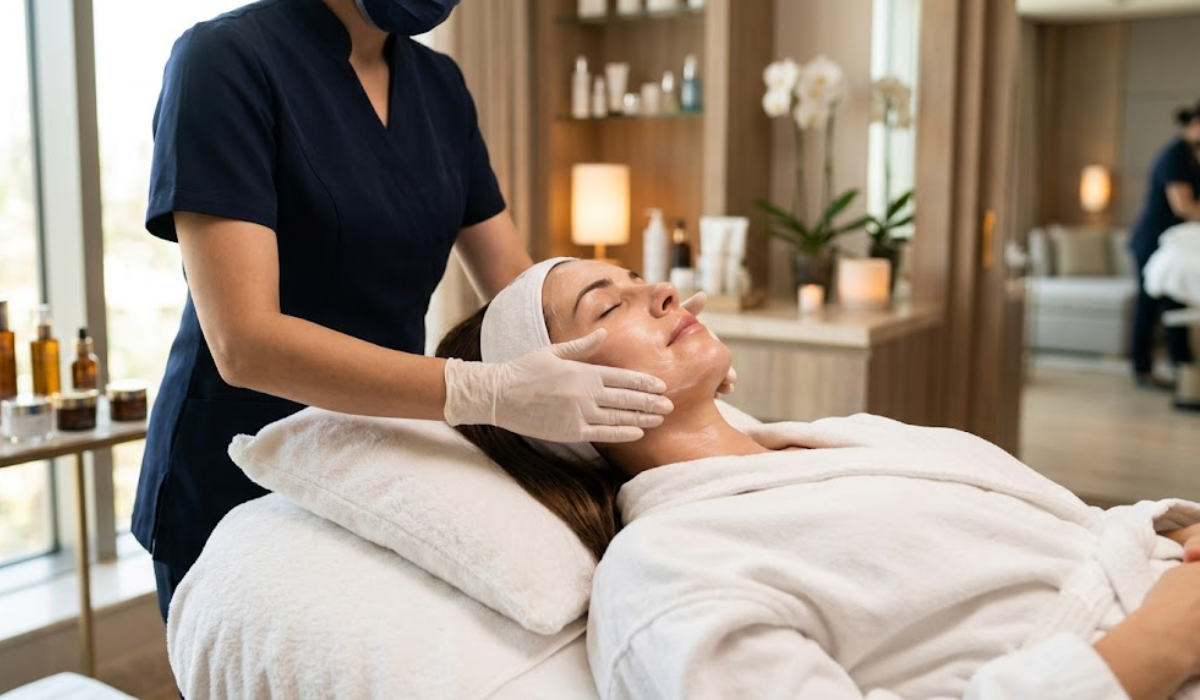
How Often Should You Get Professional Facial Treatments?
Many people wonder whether professional facials should be scheduled every month, only for special occasions, or somewhere in between.
The answer is rarely the same for everyone.
Your ideal treatment schedule depends on several factors, including your skin type, age, lifestyle, skincare routine, environmental exposure, and any underlying skin concerns.
At Circle Wellness in Melville, NY, facial treatments are personalized based on an individual’s skin assessment rather than a fixed schedule. The goal is to support healthy skin while respecting the skin barrier and long-term skin health.
Quick Answer: How Often Are Professional Facials Recommended?
- Skin type
- Acne severity
- Hydration levels
- Signs of aging
- Treatment goals
- Skin sensitivity
- Current skincare routine
Why Facial Treatment Frequency Matters
Professional facial treatments do more than improve the appearance of the skin.
When incorporated appropriately into an overall skincare plan, they may help support:
- Skin hydration
- Gentle exfoliation
- Removal of surface impurities
- Skin barrier health
- Product absorption
- Overall skin maintenance
Receiving treatments too frequently—or not frequently enough—may not align with your skin’s individual needs.
A personalized approach helps ensure that treatments are scheduled based on skin health rather than a one-size-fits-all routine.
What Factors Influence How Often You Should Get a Facial?
Several variables determine the ideal treatment interval.
Skin Type
Your skin type is one of the most important considerations.
For example:
- Oily skin may require more frequent professional care.
- Dry skin may benefit from treatments focused on hydration.
- Sensitive skin often requires gentler treatment intervals.
- Combination skin may benefit from customized scheduling.
Treatment recommendations vary depending on how your skin responds over time.
Your Skin Concerns
Individuals seeking treatment for specific concerns may require different treatment schedules.
Examples include:
- Acne-prone skin
- Congested pores
- Uneven skin tone
- Dehydrated skin
- Fine lines
- Dull complexion
Professional recommendations should be adjusted as skin conditions improve or change.
Age and Skin Renewal
Skin naturally renews itself over time, but this process may slow with age.
As skin renewal changes, treatment plans may also be adjusted to support:
- Hydration
- Texture
- Elasticity
- Overall skin health
Age alone should never determine treatment frequency, but it may be considered alongside other clinical factors.
Lifestyle and Environmental Exposure
Daily habits can influence how quickly the skin accumulates environmental stress.
Examples include:
- Sun exposure
- Air pollution
- Exercise habits
- Occupational environments
- Makeup use
- Smoking
- Stress
- Sleep quality
These factors may influence how frequently professional skincare is recommended.
Recommended Facial Frequency by Skin Type
Although recommendations should always be individualized, the following general guidelines are commonly used.
Oily Skin
Individuals with oily skin may benefit from professional evaluations approximately every 4 weeks, particularly if congestion or excess oil is a concern.
Acne-Prone Skin
Some individuals with mild to moderate acne may initially benefit from more frequent treatments before transitioning to a maintenance schedule.
Treatment plans should always be guided by a skincare professional and may be adjusted according to treatment response.
Dry or Dehydrated Skin
Hydrating facial treatments may be recommended every 4 to 6 weeks, depending on skin condition and seasonal changes.
Sensitive Skin
Individuals with sensitive skin often benefit from gentler treatments scheduled according to skin tolerance rather than strict timelines.
Mature Skin
For individuals experiencing age-related skin changes, treatment frequency may depend on overall skin health, hydration, and personalized aesthetic goals rather than age alone.
Can You Get Facials Too Often?
- Temporary skin sensitivity
- Redness
- Dryness
- Irritation
- Skin barrier disruption
When You May Need More Frequent Treatments

Certain individuals may temporarily benefit from shorter intervals between professional facials.
Examples may include:
- Mild to moderate acne management
- Significant congestion or blackheads
- Preparation for a special event
- Recovery plans following provider-recommended treatments
- Seasonal skincare adjustments
These schedules are typically temporary and are modified as the skin responds to treatment.
When Less Frequent Facials May Be Appropriate
- Have healthy, well-balanced skin
- Maintain a consistent home skincare routine
- Have minimal cosmetic concerns
- Prefer maintenance-focused treatments
- Experience sensitive skin that requires longer recovery periods
Why Your Home Skincare Routine Matters
Professional treatments work best when supported by consistent daily skincare.
Depending on your skin’s needs, your provider may recommend:
- Gentle cleansing
- Daily moisturizer
- Broad-spectrum sunscreen
- Antioxidant serums
- Retinoids when appropriate
- Barrier-supportive skincare products
Home care helps maintain the benefits of professional treatments between appointments.
What Happens During a Professional Facial?
Although every facial is customized, many medically guided treatments follow a structured process.
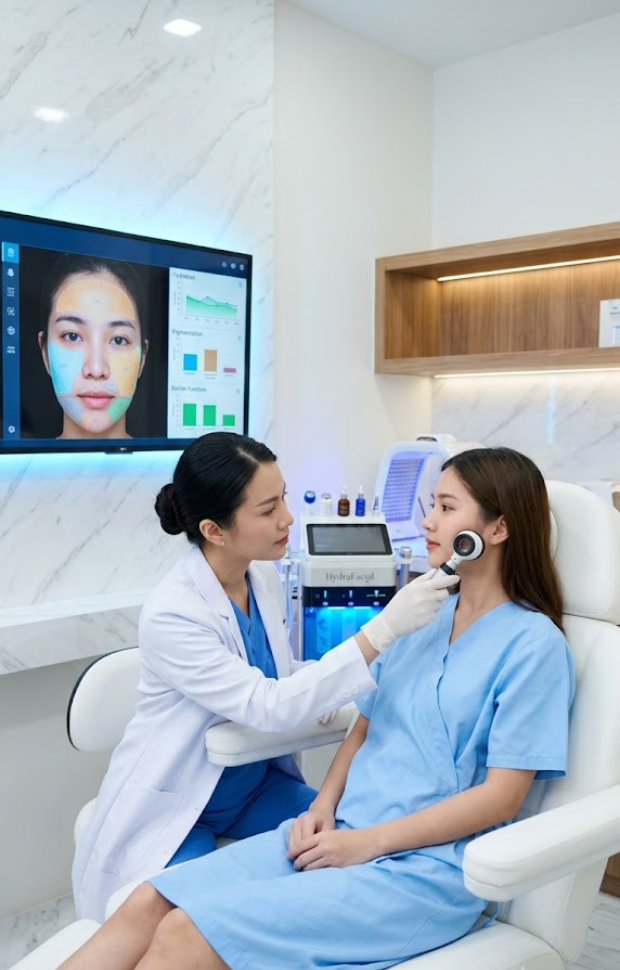
Skin Assessment
Each appointment typically begins with an evaluation of:
- Skin type
- Hydration
- Sensitivity
- Texture
- Current concerns
- Treatment goals
This assessment helps guide product selection and treatment techniques.
Cleansing and Preparation
The skin is cleansed to remove:
- Makeup
- Oil
- Sunscreen
- Surface debris
- Environmental pollutants
Proper preparation allows the treatment to be tailored more effectively.
Customized Treatment
Depending on your skin assessment, treatment may include:
- Gentle exfoliation
- Hydration therapy
- Facial massage
- Professional extractions when appropriate
- Customized serums
- Barrier-supportive masks
Every treatment is adapted to the individual’s skin rather than following a standard protocol.
Post-Treatment Care
Your provider may recommend products or lifestyle adjustments to help maintain treatment results between visits.
These recommendations often include guidance on:
- Sun protection
- Hydration
- Daily skincare
- Timing of future treatments
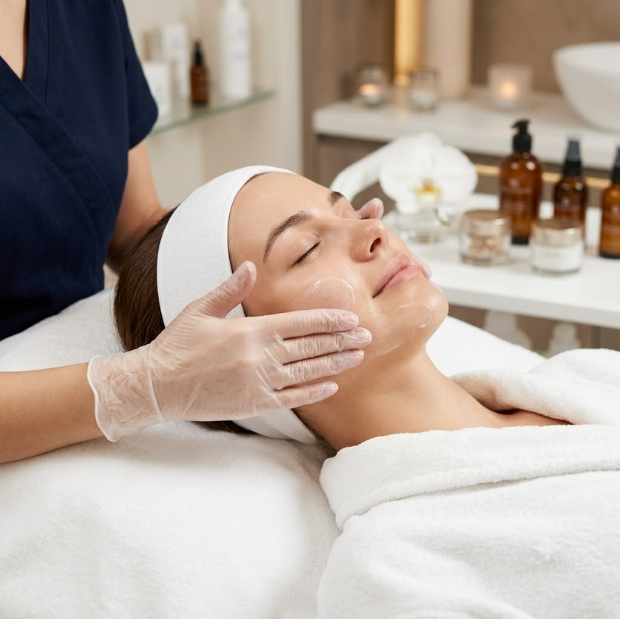
Clinical Perspective
Educational resources supported by the National Institutes of Health (NIH) continue to emphasize the importance of maintaining skin barrier function and selecting skincare approaches that are appropriate for an individual’s skin type and condition.
For example, someone experiencing recurring congestion or dehydration may benefit from periodically scheduled professional facials combined with a consistent home skincare routine. Another individual with healthy skin may require less frequent maintenance treatments.
Because skin health varies widely from person to person, professional treatment schedules should always be individualized rather than based on a fixed calendar.
Possible Side Effects of Professional Facials
- Mild redness
- Temporary sensitivity
- Tightness
- Mild dryness
- Slight tenderness following extractions
When Should You Delay a Facial?
Your provider may recommend postponing treatment if you have:
- Active skin infections
- Open wounds
- Severe sunburn
- Recent cosmetic procedures requiring healing
- Certain inflammatory skin conditions
A professional skin evaluation helps determine whether treatment should proceed or be rescheduled.
Why Personalized Treatment Planning Matters
Healthy skin is influenced by many factors beyond facial frequency.
Skin type, lifestyle, environmental exposure, age, home skincare habits, and medical history all contribute to determining the most appropriate treatment schedule.
Rather than following a generic recommendation, personalized treatment planning helps ensure that professional facials support your skin’s current needs while protecting long-term barrier health.
Why Medical Oversight Can Enhance Professional Skincare
While many facials are designed to promote relaxation and improve skin appearance, medically guided facial treatments begin with understanding the health of your skin.
Rather than recommending the same treatment schedule for every individual, providers evaluate factors such as:
- Skin type
- Barrier function
- Hydration levels
- Acne activity
- Pigmentation concerns
- Skin sensitivity
- Previous treatment history
- Long-term skincare goals
This personalized approach helps ensure that treatment recommendations are appropriate for your skin rather than based solely on a routine schedule.
Professional Facials as Part of a Long-Term Skincare Plan
Professional facial treatments are often most effective when combined with consistent daily skincare and healthy lifestyle habits.
Depending on your individual needs, your provider may also recommend:
- Medical-grade skincare products
- Daily sunscreen use
- Gentle exfoliation at home
- Hydration strategies
- Lifestyle modifications that support skin health
- Periodic skin evaluations to adjust your treatment plan
Together, these strategies may help support healthier-looking skin while maintaining the skin’s natural protective barrier.
Medical Disclaimer
FAQs
How often should I get a professional facial?
Many individuals schedule professional facials every 4 to 6 weeks, although the ideal frequency depends on skin type, treatment goals, and overall skin health. Your provider can recommend a schedule based on an individualized assessment.
Can I get a facial every two weeks?
Some individuals undergoing targeted treatment for concerns such as mild acne or congestion may temporarily receive facials more frequently. However, this should only be done when recommended by a qualified skincare professional.
Will monthly facials improve my skin?
Regular professional facials may help support hydration, skin texture, and overall skin maintenance when combined with an appropriate home skincare routine. Results vary depending on the individual and the treatments performed.
Can facials damage the skin barrier?
Facials performed too frequently or using overly aggressive techniques may temporarily affect the skin barrier. Personalized treatment intervals and barrier-supportive skincare help reduce this risk.
Are professional facials suitable for sensitive skin?
Many individuals with sensitive skin can benefit from customized facial treatments. Providers often modify products and techniques according to skin sensitivity and barrier health.
Do I still need a home skincare routine if I get professional facials?
Yes. Professional treatments are intended to complement—not replace—a consistent daily skincare routine that includes cleansing, moisturizing, and sun protection.
Building Healthy Skin Through Consistent, Personalized Care
There is no single schedule that works for everyone when it comes to professional facial treatments.
The ideal treatment frequency depends on your skin’s unique characteristics, lifestyle, skincare routine, and long-term goals.
Rather than focusing on how often you should get a facial, the more valuable approach is determining when your skin is most likely to benefit from professional care.
At Circle Wellness, facial treatments are guided by individualized skin assessments and evidence-informed recommendations designed to support hydration, skin barrier health, and long-term skin wellness.
By combining professionally tailored treatments with consistent home skincare habits, many individuals can develop a sustainable routine that supports healthier-looking skin over time.


Schedule a Personalized Skin Consultation
At Circle Wellness in Melville, NY, every facial begins with an individualized evaluation to better understand your skin .