Quick answer
What craniosacral therapy is
A 2024 systematic review defines CST as an intervention based on gentle touch that, according to its practitioners, releases restrictions in tissues influencing the "craniosacral system." Sessions use light, hands-on contact rather than the deeper pressure of techniques like deep tissue massage.
Circle Wellness describes it as a gentle, hands-on technique and lists it for headaches, stress-related problems and TMJ dysfunction. For a comparison with firmer techniques, see deep tissue vs myofascial release.
Self-pay lymphatic drainage at Circle Wellness
Circle Wellness offers lymphatic drainage massage and post-surgical massage in Melville for patients paying directly for their care
Debit cards
Checks
Cash
HSA/FSA
Ask about the current self-pay rate, session length and any separate charges before you book.
Call or text. Melville Corporate Plaza, 25 Melville Park Rd, Suite 200 B.
What craniosacral therapy is
A 2024 systematic review defines CST as an intervention based on gentle touch that, according to its practitioners, releases restrictions in tissues influencing the “craniosacral system.” Sessions use light, hands-on contact rather than the deeper pressure of techniques like deep tissue massage.
Circle Wellness describes it as a gentle, hands-on technique and lists it for headaches, stress-related problems and TMJ dysfunction. For a comparison with firmer techniques, see deep tissue vs myofascial release.
What the research says

Three reviews give very different answers:
| Review | What it found |
|---|---|
| Chronic pain, 2020 (10 trials) | Reported significant effects on pain and function lasting up to six months, and called for more trials that strictly follow reporting standards. |
| Any condition, 2024 (15 trials) | Concluded the evidence suggests CST produces no benefits in any of the musculoskeletal or non-musculoskeletal conditions assessed. |
| Headache disorders, 2024 | Found very low certainty evidence of clinically unimportant effects on pain intensity, and no significant effects on disability or headache impact. |
Why the reviews disagree
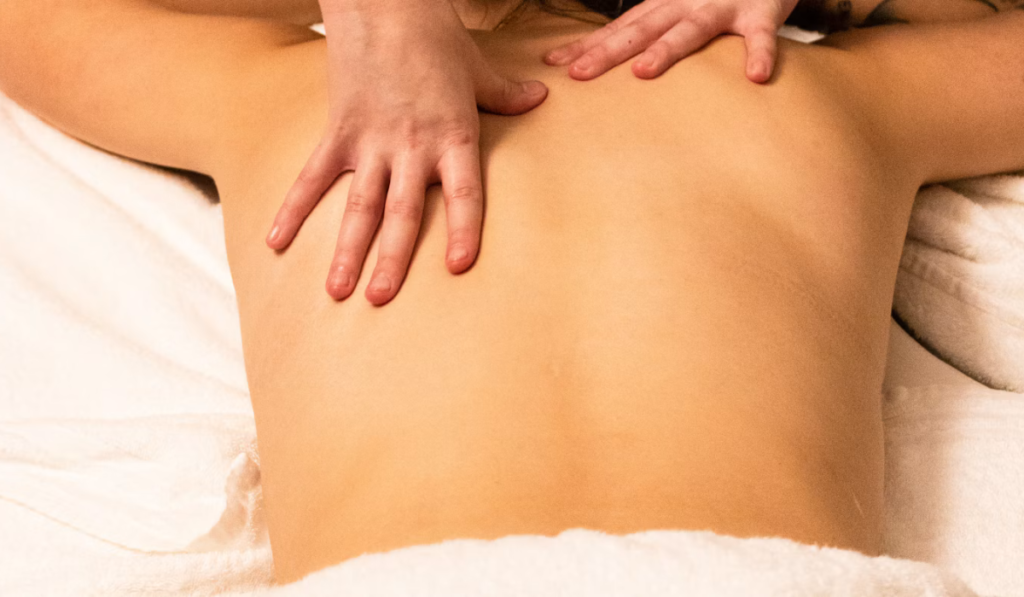
Much depends on the quality of the underlying trials. McGill University’s Office for Science and Society examined the 2020 meta-analysis and argued that most of its 10 included trials were negative, poorly designed or too small to support a firm conclusion. The 2024 headache review rated its own evidence as very low certainty.
The fair summary: some trials report benefits, but the overall evidence is weak and contested. That’s worth knowing before you pay for a course of sessions.
Safety
In the 2020 meta-analysis, five of the 10 trials reported safety data. No serious adverse events occurred, and minor adverse events were equally distributed between treatment and comparison groups. For massage generally, NCCIH says the risk of harm appears low, and advises not to use massage to postpone seeing a healthcare provider about a medical problem.
Deciding whether to try it
-
If you decide to try CST
- Get headaches, jaw pain or other symptoms checked by a healthcare provider first
- Agree on what "better" would look like, such as fewer headache days or easier jaw movement
- Review after a few sessions; if nothing has changed, ask about other options
- Ask about the self-pay rate and session length before committing to more visits
If you’d rather start with a different approach, Circle Wellness offers 13 other techniques. Our guide to every technique we offer shows what’s known about each.
What to expect at Circle Wellness
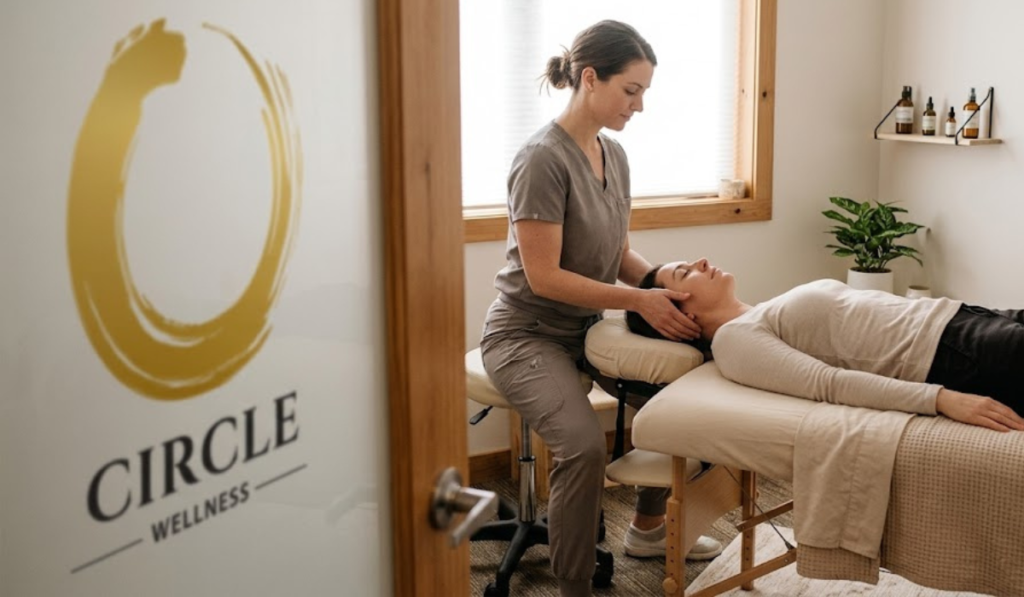
All medical massage services at Circle Wellness are performed by the licensed therapists at Enso Acupuncture and Massage, PLLC. Your visit starts with an assessment of your concerns and goals, and your therapist tailors the session to them and reviews your progress over time. We’re in Melville Corporate Plaza near Route 110 and LIE Exit 49, open Monday to Friday 10 AM to 7 PM and Saturday 10 AM to 2 PM.
FAQs
What is craniosacral therapy?
A gentle, light-touch technique. Its practitioners say it releases restrictions in tissues influencing the “craniosacral system.” Circle Wellness lists it for headaches, stress-related problems and TMJ dysfunction.
Does craniosacral therapy work?
The evidence conflicts. A 2020 meta-analysis reported benefits for chronic pain, while a 2024 review of 15 trials concluded CST produced no benefits in any condition assessed. A 2024 headache review found very low certainty, clinically unimportant effects.
Is craniosacral therapy safe?
In the trials that reported safety data in the 2020 meta-analysis, no serious adverse events occurred. NCCIH says the risk of harm from massage appears low overall.
Can craniosacral therapy help headaches?
A 2024 review of headache trials found very low certainty evidence of clinically unimportant effects on pain intensity. See a healthcare provider about new, severe or changing headaches before trying any massage.
How is it different from regular massage?
It uses light touch rather than deeper pressure. Techniques like deep tissue massage aim at deeper muscle layers.
How many sessions should I try?
There’s no evidence-based number. Agree on goals with your therapist and review after a few sessions; if nothing has changed, ask about other options.
Can I book and pay directly?
Yes. Ask about the self-pay fee, session length and appointment requirements. We accept credit cards, debit cards, checks and cash, as well as HSA/FSA payments.

Wondering if gentle bodywork is right for you?
Call or text (631) 888-5957 to ask about deep tissue massage or myofascial release, current rates and session lengths at Circle Wellness in Melville.