
What If You Could Feel Calmer and Clearer—Without Medication?
Teaching isn’t just mentally demanding—it’s emotionally and physically draining, too. During busy times like exam prep or parent conference weeks, stress can build until it shows up in your body: nagging migraines, tense shoulders, or a mind that won’t slow down.
If that sounds familiar, acupuncture might be worth considering. This natural, time-tested therapy is helping more and more educators find relief—especially those looking for alternatives to medication.

Understanding Acupuncture: Simple, Calming, and Natural
Acupuncture is a gentle therapy rooted in traditional Chinese medicine. It involves placing very thin, sterile needles into specific points on the body to stimulate the nervous system and promote balance.
That may sound intimidating, but most people are surprised by how painless (and even relaxing) it feels. The needles are about the width of a human hair and are inserted with care—most teachers describe it as a light tapping or warmth rather than discomfort.
When these points are stimulated, your body releases natural painkillers like endorphins and serotonin. It also helps regulate your nervous system—shifting you out of “fight or flight” and into a calmer, more balanced state.
Why Acupuncture Helps with Migraines and Anxiety

For Migraines:
Acupuncture can reduce the frequency, intensity, and duration of migraines by targeting muscle tension, blood flow, and inflammation. Research from the National Institutes of Health (NIH) shows that regular acupuncture can be just as effective as certain medications for migraine prevention—without the side effects.
For Anxiety:
Whether it’s lesson planning, deadlines, or managing a classroom full of emotions, anxiety can become a constant hum in the background of a teacher’s life. Acupuncture supports the parasympathetic nervous system (the part that helps you relax) and lowers cortisol levels—the hormone tied to stress.
In a 2020 clinical review published by the NIH, patients with anxiety who received acupuncture showed significantly reduced symptoms compared to those who didn’t. That’s promising news for educators looking for relief that doesn’t involve another pill bottle.
“I used to get tension migraines every week around report card time. I started acupuncture sessions in early spring, and by the end of the semester, I was down to maybe one a month. I felt calmer overall, like my body finally had a chance to catch its breath.”
 – Melville teacher, 5th grade
give your body the support it needs to reset, naturally.
Why It’s a Safe, Natural Option for Teachers
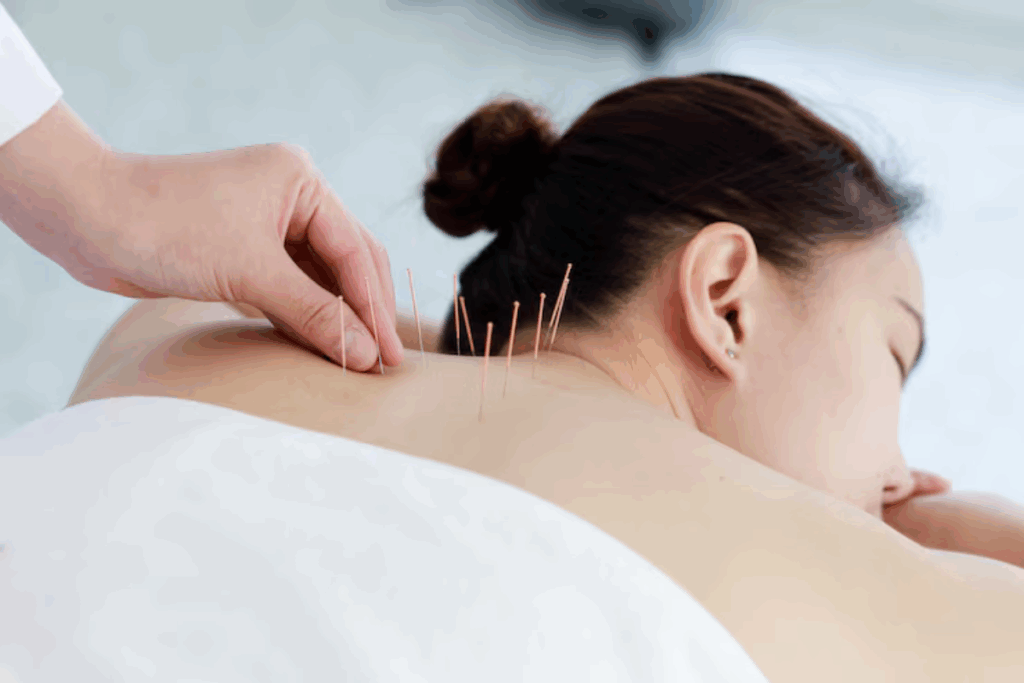
One of the reasons acupuncture is gaining popularity among educators is because it fits naturally into a wellness routine. There are no prescriptions, no long recovery times—just gentle, targeted support.
- Sessions are calming—many people fall asleep on the table
- It works preventively, not just reactively
- No medication side effects, so you can keep your routine
- It supports long-term balance, not just temporary fixes
Whether you’re dealing with migraines, anxiety, or just feeling depleted from the constant demands of school life, acupuncture offers a gentle reset for your mind and body.
How Acupuncture Supports Better Sleep (and Why That Matters for Anxiety)
Poor sleep and anxiety are often linked—and unfortunately, many teachers know the cycle all too well. When your mind is running through tomorrow’s lesson plans or grading still left to do, rest feels like a luxury. Over time, lack of quality sleep adds to emotional exhaustion and makes anxiety harder to manage.
Acupuncture encourages deeper, more restorative sleep by calming your nervous system and reducing stress hormones. Many teachers find they fall asleep faster and stay asleep longer after just a few sessions. Better sleep means clearer thinking, steadier energy, and a stronger emotional buffer when the school day gets hectic.
Breaking the Migraine-Stress Cycle: A Teacher’s Natural Toolkit
For educators, stress is one of the most common migraine triggers—and when a migraine hits, it only adds to the stress. It’s a tough cycle to break without support. That’s where acupuncture comes in.
By addressing both the physical tension and the underlying stress response, acupuncture helps prevent migraines before they begin. Combined with other gentle tools like breathwork, stretching, and mindfulness, it becomes part of a powerful, natural toolkit for teachers navigating high-pressure seasons. Relief doesn’t have to come from a prescription—it can begin with a simple, quiet session that gives your nervous system room to reset.
Designed for teachers where care is personalized and calming from the moment you walk in.
FAQs: Acupuncture for Teachers

1. Does acupuncture hurt?
Not at all. Most teachers feel a slight sensation, then deep relaxation. Many say it’s the most peaceful part of their week.
2. How long does a session take?
Most sessions last 30–60 minutes. You’ll lie comfortably while the needles do their quiet work.
3. How often should I go?
It depends on your symptoms. Some teachers benefit from weekly sessions during busy seasons, while others check in monthly for maintenance.
4. Is it safe to try during the school year?
Yes. There’s no downtime, so you can return to your day feeling more relaxed and clear-headed.
5. Will acupuncture help with stress-related sleep issues?
Yes—many people sleep better after sessions. The calming effects on the nervous system often improve both falling and staying asleep.
6. Do I need to be referred by a doctor?
No referral is needed. Just bring your wellness goals and questions—we’ll walk you through everything.
7. Can acupuncture really prevent migraines?
For many, yes. It helps reduce the frequency and severity of migraines by addressing muscle tension, blood flow, and stress.
8. Is it covered by teacher wellness programs or benefits?
In some cases, yes. We’re happy to help you navigate what’s available through your coverage.
You Support So Many—This Is One Way to Support Yourself
Every day, you show up with compassion, creativity, and strength—for your students, your colleagues, and your classroom. But sustaining that level of care requires something just as important: caring for yourself. Prioritizing your well-being isn’t selfish—it’s what allows you to keep giving your best without burning out. Over time, this kind of support builds into something powerful: better sleep, improved focus, steadier energy, and more resilience when things get tough.
Even one step—a single acupuncture session—can open the door to feeling lighter, clearer, and more in control of your day. You deserve that space to breathe, reset, and reconnect with your own well-being. You’re not just maintaining your health—you’re building a foundation for long-term balance and strength.