Acupuncture for Hormonal Balance: How It Works and Who It Helps
Hormonal symptoms can feel confusing and relentless—especially when they don’t fit neatly into a single diagnosis. Maybe your cycles have become unpredictable. Your sleep is lighter than it used to be. Your mood feels “off,” your energy crashes in the afternoon, or your weight has shifted despite doing all the “right” things.
One gentle, evidence-informed tool that many patients ask about is acupuncture for hormonal balance. While acupuncture isn’t a quick fix or a cure-all, it may help the body shift out of chronic stress patterns, improve circulation, and support the communication between the brain, ovaries, adrenals, thyroid, and gut.
This article explains how hormonal balance acupuncture works, who it may help most (including acupuncture for PCOS and acupuncture for menopause), realistic expectations, and how Circle Wellness integrates acupuncture into a root-cause hormone care plan.
What does acupuncture do for hormonal balance?
What is a hormonal imbalance, and why is it so common?
A “hormonal imbalance” isn’t a single disease—it’s a pattern. Hormones are chemical messengers that coordinate:
- Menstrual cycles and ovulation
- Mood and stress tolerance
- Sleep and circadian rhythm
- Blood sugar and appetite signals
- Metabolism and fat storage
- Inflammation and pain sensitivity
- Skin, hair, libido, and energy
When hormones feel “off,” the issue may not be one hormone alone. More often, it’s the systems that regulate hormones that are under strain—especially the nervous system, liver detox pathways, metabolic signaling, immune inflammation, and gut health.
Common signs that may reflect hormonal dysregulation include:
- PMS, cramps, breast tenderness, mood changes
- Irregular cycles, spotting, or cycle length changes
- Acne, unwanted hair growth, or hair thinning
- Weight changes, especially around the midsection
- Low libido, vaginal dryness, or sleep disruption
- Hot flashes, night sweats, or anxiety shifts
- Fatigue, brain fog, or headaches around your cycle
Importantly, these symptoms can overlap with thyroid dysfunction, nutrient deficiencies, insulin resistance, anemia, chronic stress, sleep disorders, and inflammatory conditions. That’s why a thoughtful, individualized approach matters.
Root causes from a functional medicine perspective
At Circle Wellness, we look beyond “symptom labels” and ask: What is driving the hormone disruption underneath? Here are some of the most common root contributors we see.
1) Chronic stress and HPA-axis dysregulation
When stress becomes prolonged (emotional, physiological, inflammatory, or metabolic), the brain increases stress signaling through the HPA axis—the communication loop between the hypothalamus, pituitary, and adrenal glands. Over time, this can contribute to:
- Cycle irregularities
- Worsening PMS and mood symptoms
- Sleep disruption
- Cravings and blood sugar swings
- Increased inflammation and pain sensitivity
Acupuncture for hormone regulation is often explored here because it may help calm stress responses and support nervous system balance.
2) Inflammation and immune signaling
Inflammation can influence insulin sensitivity, ovarian signaling, thyroid conversion, and how the brain interprets pain and stress. This matters for conditions like PCOS, endometriosis-adjacent symptoms, metabolic dysfunction, and chronic pain patterns.
3) Blood sugar and insulin resistance
Blood sugar swings affect sex hormones more than most people realize. Insulin resistance can contribute to androgen excess (higher testosterone patterns), irregular ovulation, and cravings/fatigue cycles—especially in PCOS.
4) Gut health and estrogen metabolism
The gut influences hormone balance through:
- Nutrient absorption (iron, magnesium, B vitamins)
- Immune regulation and inflammation load
- The “estrobolome” (gut bacteria involved in estrogen metabolism)
- Motility and detox clearance pathways
If digestion is off, hormones can become harder to regulate—no matter how many supplements you take.
5) Nervous system dysregulation and pain physiology
Chronic pain and inflammation can keep the nervous system in a “high alert” state. That can worsen sleep, fatigue, cortisol rhythms, and menstrual symptoms—creating a feedback loop.
This is one reason functional medicine acupuncture is often helpful in integrative care: it addresses stress physiology and pain processing in the same treatment plan.
How acupuncture supports hormone regulation (biomedical + TCM)
Biomedical perspective: how acupuncture may influence hormone balance
1) Nervous system regulation
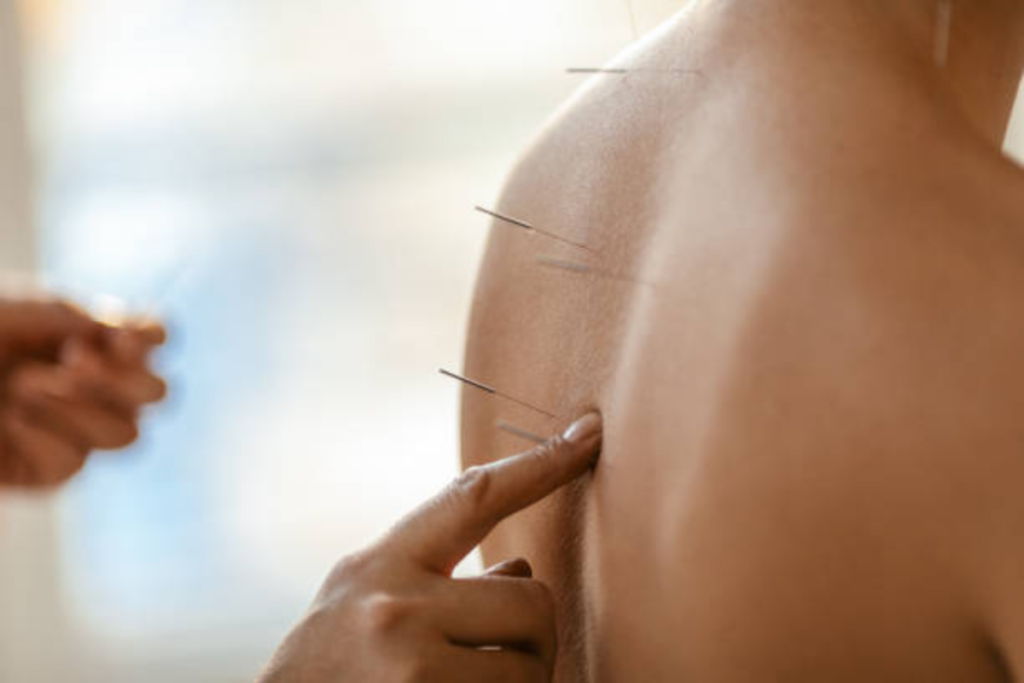
Many hormonal symptoms worsen when the body is stuck in sympathetic (“fight-or-flight”) physiology. Acupuncture may help shift the body toward parasympathetic (“rest-and-digest”) activity, which supports:
- More stable cortisol patterns
- Improved sleep quality
- Better digestion and motility
- Reduced muscle tension and pain sensitivity
The nervous system is also deeply connected to the endocrine system—so calming stress signaling can indirectly support hormone regulation.
2) HPA axis and stress signaling
Acupuncture and neuroendocrine pathways may influence HPA-axis signaling, which is relevant when stress is a key driver of symptoms.
3) Circulation and blood flow
In clinical practice, improved pelvic and uterine blood flow is one of the most discussed reasons acupuncture is used for cycle-related symptoms. Better microcirculation may support:
- Healthier endometrial lining patterns
- Reduced cramping intensity
- Tissue healing and pelvic comfort
4) Endocrine signaling and inflammatory modulation
Hormone symptoms often involve immune messengers (cytokines), metabolic pathways, and neurochemical changes. Acupuncture research includes ongoing investigation into these signaling effects, particularly in conditions like PCOS.
Key takeaway: Acupuncture doesn’t “add hormones” to the body. It may support the systems that help the body self-regulate hormones more smoothly.
TCM perspective: what acupuncture is balancing
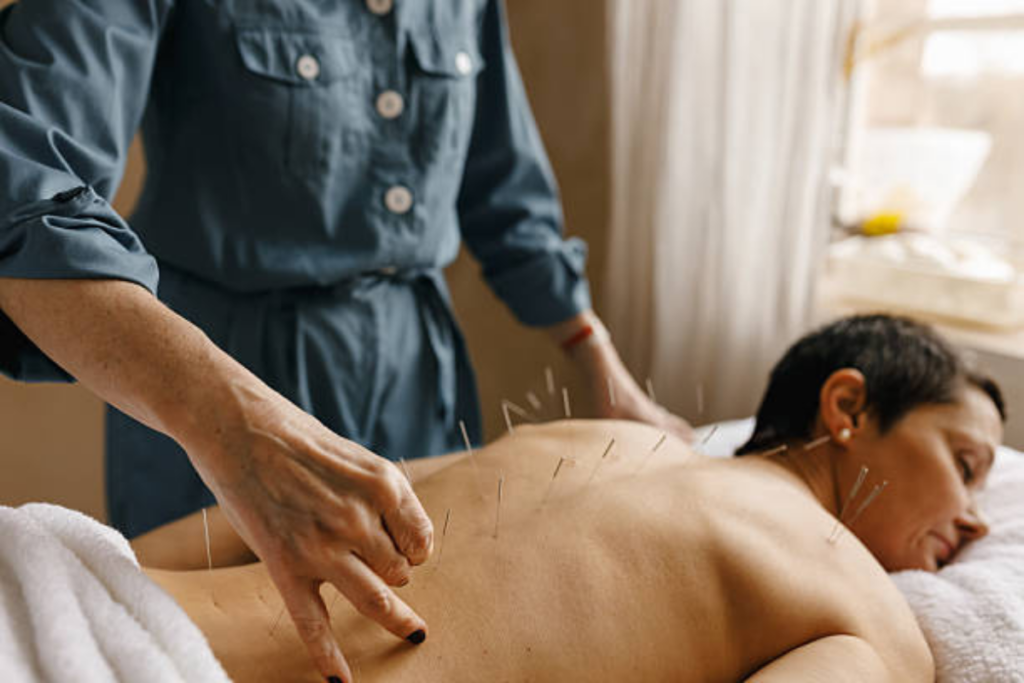
In TCM, symptoms are viewed as patterns of imbalance rather than isolated lab values. For women’s hormonal concerns, common patterns often include:
- Liver Qi stagnation (stress, irritability, PMS, breast tenderness)
- Blood stasis (painful periods, clotting, sharp cramping)
- Spleen Qi deficiency (fatigue, bloating, loose stools, heavy bleeding)
- Kidney Yin deficiency (hot flashes, night sweats, dryness, insomnia)
- Phlegm-damp accumulation (metabolic sluggishness, PCOS-like patterns)
The goal is to support smoother flow, nourishment, and regulation—not just symptom suppression. This is why hormonal balance acupuncture is often personalized: two people with “PMS” may need very different point strategies.
Who is acupuncture most helpful for?
● Want a non-pharmaceutical, integrative approach
● Have cycle-related symptoms that worsen with stress
● Experience chronic pain + hormonal shifts together
● Have PCOS patterns with metabolic stress
● Are in perimenopause or menopause with sleep/mood changes
● Prefer individualized care alongside functional medicine testing
Conditions commonly supported with acupuncture

Below are the most common ways acupuncture for women’s health is used in integrative clinics.
PMS and cycle irregularities
Many patients seek acupuncture for:
- Cramping and pelvic pain
- Breast tenderness
- Mood swings, irritability, anxiety
- Headaches around the cycle
- Spotting or irregular timing
Acupuncture may be especially helpful when symptoms worsen during high-stress seasons or when sleep is inconsistent.
What results can look like (realistic):
- Less intense cramps
- Improved sleep around the luteal phase
- More stable mood regulation
- Fewer “crash days” before a period
Perimenopause and menopause
Hormonal transition is not just “low estrogen.” It often involves shifting brain temperature regulation, sleep architecture changes, nervous system sensitivity, and stress buffering.
Acupuncture has been studied for menopausal symptoms, including vasomotor symptoms (like hot flashes) and quality-of-life factors, though results across studies vary.
Where patients commonly notice benefits:
- Hot flashes/night sweats (symptom intensity or frequency)
- Sleep depth and fewer wake-ups
- Mood steadiness and nervous system calm
- Body aches and tension patterns
Stress-related hormonal imbalance
Benefits and realistic expectations
Potential benefits
- Improved sleep quality and nervous system calm
- Reduced PMS intensity and more stable mood
- Less cycle-related pain or tension
- Fewer stress-driven symptom flares
- Improved overall resilience and energy stability
What acupuncture is not
To meet medical standards (and set you up for success), it’s important to be clear:
- Acupuncture is not a guaranteed cure for hormonal conditions
- It does not replace appropriate medical evaluation for:
- heavy bleeding
- missed periods
- severe pelvic pain
- fertility concerns
- thyroid symptoms
- It works best as part of a root-cause plan, not a standalone “quick fix”
How long does it take to see results?
A common clinical pattern is:
● Some people notice subtle shifts in sleep or calm within 1–3 sessions
● Cycle-related changes often take 2–3 menstrual cycles to evaluate well
● Chronic patterns (PCOS, long-term inflammation, years of disrupted sleep) may require a longer timeline
Is acupuncture safe for hormonal conditions?
For most people, acupuncture is considered low risk when performed by a qualified professional using sterile, single-use needles. Common side effects include mild soreness, bruising, or small amounts of bleeding at needle sites.
Risks, safety considerations, and contraindications:
Acupuncture can be supportive, but it shouldn’t delay evaluation. Seek urgent medical care if you have:
- Very heavy bleeding (soaking a pad/tampon hourly), large clots, or dizziness/fainting
- Sudden or severe pelvic/abdominal pain, especially one-sided or worsening quickly
- Fever/chills or foul-smelling discharge with pelvic pain/bleeding
- Any bleeding after menopause
- Positive pregnancy test + bleeding or pelvic pain
- New severe headache, vision changes, weakness/numbness, or confusion
- Chest pain, shortness of breath, or rapid heartbeat
Use extra caution / talk to your clinician first if you’re on blood thinners, have a bleeding disorder, are pregnant/trying to conceive, have a pacemaker (electroacupuncture may not be appropriate), or are significantly immunocompromised.
How Circle Wellness approaches hormonal balance differently

Circle Wellness is an integrative and functional medical clinic—meaning we don’t treat acupuncture as a “one-size-fits-all” add-on. We use it strategically within a whole-body hormone regulation plan.
Step 1: We start with your story and symptom pattern
We listen for clues that connect hormones to:
- stress load and life rhythm
- sleep disruption
- digestion and bloating patterns
- inflammation and pain flares
- mood changes across the cycle
- metabolic signs (crashes, cravings, stubborn weight)
Step 2: We look for root-cause drivers
Depending on your needs, your plan may include functional medicine-informed evaluation of:
- blood sugar and insulin signaling
- inflammatory burden
- nutrient status
- gut health patterns
- thyroid and adrenal stress physiology
Step 3: Acupuncture is personalized to your physiology
We tailor acupuncture sessions based on:
- cycle phase (follicular vs luteal support)
- perimenopause vs menopause patterns
- pain and nervous system sensitivity
- stress resilience and sleep depth
- digestion and inflammation patterns
Step 4: We build sustainable regulation, not dependency
Our goal isn’t to keep you coming forever. It’s to help your nervous system and endocrine system become more resilient, so symptoms don’t keep “snapping back” the moment life gets stressful.
Practical next steps if you’re considering acupuncture for hormonal balance
If you’re exploring acupuncture for hormonal balance, here are smart, grounded steps:
- Track symptoms for 2–4 weeks
- sleep quality
- cycle timing and flow
- PMS symptoms
- hot flashes/night sweats
- energy crashes and cravings
- Clarify your goals
- “I want fewer hot flashes and better sleep.”
- “I want more predictable cycles.”
- “I want PMS and cramps to be manageable.”
- Plan for consistency
Acupuncture tends to work best as a series, not a one-time session. - Combine with root-cause support
Nutrition, stress physiology, movement, and gut health often determine how long results last.
FAQs

1) Can acupuncture balance hormones naturally?
Acupuncture may support the body’s natural hormone regulation by influencing nervous system activity, stress pathways, circulation, and inflammatory signaling. It’s best viewed as a tool that supports regulation, not a direct hormone replacement.
2) Is acupuncture effective for PCOS?
Research suggests acupuncture may offer supportive benefits for some PCOS-related outcomes, particularly when combined with broader lifestyle and medical care. Results vary, and it should not replace evidence-based evaluation and treatment planning.
3) Can acupuncture help with menopause symptoms like hot flashes?
Acupuncture has been studied for menopausal symptoms, including hot flashes and sleep quality, with mixed results across trials but potential quality-of-life benefits for some individuals.
4) How many sessions do I need?
Some people notice changes in stress and sleep within a few sessions, while cycle-related patterns often take 2–3 cycles to evaluate. Chronic symptoms may require a longer series.
5) Is acupuncture safe while trying to conceive?
Often yes, but it depends on your health history and treatment approach. If you’re trying to conceive or using fertility medications, acupuncture should be coordinated with your medical provider, and certain techniques may not be appropriate.
6) What should I expect during treatment?
Most sessions involve a brief assessment, gentle needle placement, and a rest period. People often report feeling relaxed or sleepy afterward. Mild soreness or bruising can occur.
7) What else should I do alongside acupuncture for better results?
Foundational support matters—consistent sleep timing, blood sugar stability, anti-inflammatory nutrition, stress regulation practices, and addressing gut health patterns can all improve outcomes.
Key educational takeaways
- Hormonal imbalance is often a systems issue, not a single hormone problem.
- Acupuncture for hormonal balance may support regulation through nervous system calming, stress pathway support, circulation, and endocrine signaling effects.
- It may be most helpful for PMS, cycle irregularities, PCOS patterns, and menopause transition symptoms, especially when stress and inflammation are major drivers.
- Safety is generally good when performed by a trained provider, but contraindications matter—especially with bleeding risk, immune compromise, and certain pregnancy situations.
- The strongest outcomes typically come from an integrative plan that includes root-cause evaluation and long-term lifestyle support.
Medical Disclaimer
This content is for educational purposes only and is not intended to diagnose, treat, cure, or prevent any medical condition. Always consult a qualified healthcare provider for personalized medical advice.
Not sure if acupuncture is enough on its own?
Many hormone symptoms improve most when we combine acupuncture with root-cause support—like blood sugar stability, inflammation reduction, gut health strategies, and targeted labs when needed.
Start with a Functional Medicine and Acupuncture Consult so we can map what’s driving your symptoms and choose the right plan.