“I Was Skeptical Too” —Why This Question Comes Up So Often
You’ve heard the claims: tiny needles can reduce pain, calm anxiety, help you sleep, even boost your immune system. It all sounds promising—but also, maybe… a little too good to be true?
You’re not alone in wondering if acupuncture is actually backed by science.
Many people arrive at their first acupuncture appointment with a mix of curiosity and doubt. Maybe you’ve tried everything else—painkillers, physical therapy, sleep aids—and nothing seems to truly stick. Or you’ve heard someone swear by it, but couldn’t tell if it was results or just belief.
As more people turn to acupuncture—especially in integrative and functional wellness circles—questions naturally follow: Does it really work? Is it researched? Is it safe?
Acupuncture’s growing reach has sparked valid curiosity about whether it truly works, how it helps, and who it’s really for—here’s what the evidence and experience suggest.
What Is Acupuncture and What It Actually Does in the Body

At its core, acupuncture is a therapy that uses extremely thin needles—about the width of a strand of hair—to stimulate specific points on the body. These points are carefully selected by trained practitioners based on your symptoms, medical history, and patterns of imbalance in the body.
But what’s actually happening underneath the surface?
It’s More Than Just Needles—It’s Nervous System Activation
Modern research shows that acupuncture works by influencing your nervous system, circulation, and biochemical responses:
- When a needle is inserted, it sends signals through peripheral nerves to the brain and spinal cord.
- This can prompt your body to release endorphins (your natural painkillers), regulate cortisol (your stress hormone), and modulate inflammatory responses.
- The result? Relief from pain, better sleep, improved digestion, and more balanced mood—without needing to override your system with medication.
Acupuncture has long been described as a way to support balance and healing by stimulating specific points across the body. While early explanations focused on concepts like “Qi” and meridians, today we understand these points in terms of their connection to nerves, connective tissue, and blood flow.
What was once described through traditional language is now being understood through biology. Stimulating these points appears to activate natural processes in the body—supporting circulation, calming the nervous system, and influencing how we process pain and stress.
Acupuncture isn’t magic. It’s biology—stimulated in a very precise, gentle, and time-tested way.
How Does Acupuncture Affect the Body?
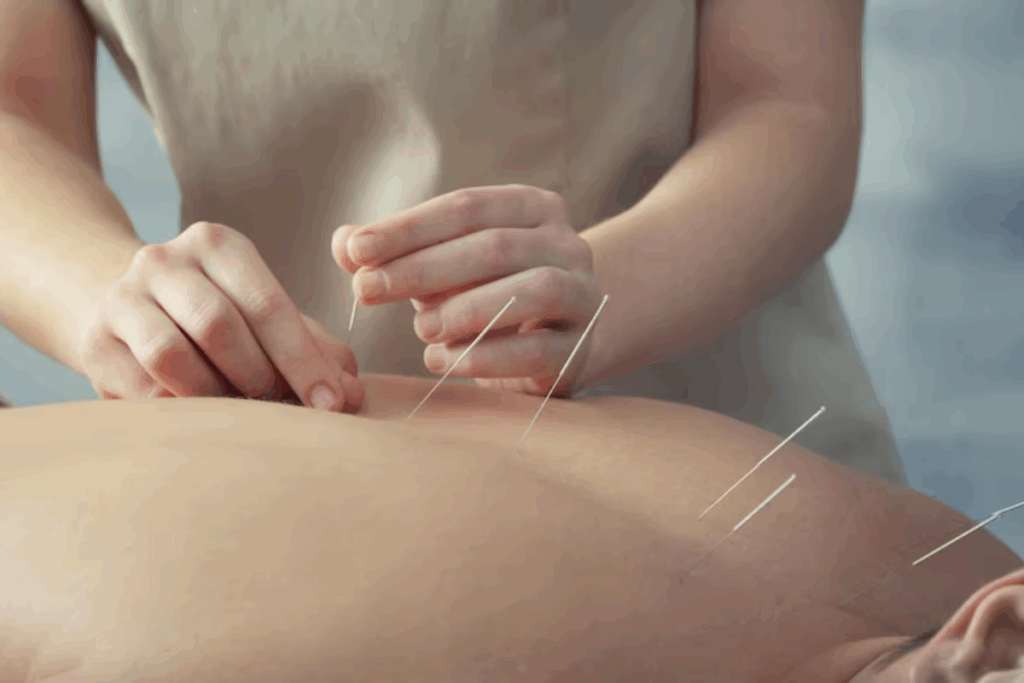
Rather than viewing acupuncture as mysterious or unexplainable, researchers have begun to map out its effects using measurable physiological responses. From pain signaling to inflammation control, acupuncture appears to influence several key systems in the body.
1. Nervous System Activation
Acupuncture needles stimulate nerves under the skin and in muscles. This activates sensory receptors that send signals to the spinal cord and brain—particularly areas involved in pain regulation, mood, and organ function.
Studies using brain imaging (like fMRI) show that acupuncture can influence:
- The limbic system (linked to emotional regulation)
- The hypothalamus and pituitary gland (involved in hormone balance)
- Pain-related pathways in the brain
This neural activity helps explain why acupuncture affects not just pain, but also stress, digestion, and sleep.
2. Endorphin and Neurochemical Release
One of acupuncture’s most well-known effects is the release of endorphins—your body’s natural painkillers. But that’s just the start.
Acupuncture has been shown to influence levels of:
- Serotonin: linked to mood and sleep
- Dopamine: involved in motivation and focus
- Cortisol: a key stress hormone
These chemical changes can help explain why many patients report feeling calmer, more energized, or emotionally balanced after treatment.
3. Anti-Inflammatory Effects
Emerging research suggests acupuncture may reduce systemic inflammation—a root factor in many chronic diseases. Some studies show changes in cytokines (the body’s inflammation messengers) after acupuncture sessions.
This anti-inflammatory effect is particularly promising for people with autoimmune conditions, digestive disorders, or pain that doesn’t respond well to medication.
Where the Science Is Still Evolving

While acupuncture has earned respect in many medical circles, some questions still remain. Like any therapy rooted in centuries of tradition, the scientific process takes time to catch up—and not all studies lead to the same conclusions.
1. Placebo vs. Real Effect?
One of the most debated areas in acupuncture research is the placebo effect. Some studies find that “sham acupuncture” (using fake needles or placing them in non-traditional spots) can still bring relief. This raises a valid question: Is it the treatment itself—or the experience of being cared for—that leads to improvement?
However, more recent trials using brain scans and biochemical markers show that genuine acupuncture often activates different neural pathways than sham treatments, especially in chronic pain cases. The effect may be partly psychological—but there’s increasing evidence that it’s also physiological.
2. Inconsistencies in Study Design
Acupuncture is difficult to study using the gold standard of medical research: randomized controlled trials (RCTs). Why?
- Different styles of acupuncture exist (e.g., Chinese, Japanese, auricular)
- Point selection often varies based on each patient’s needs
- Sessions typically include more than just needling (like heat, touch, and conversation)
These variations can make it hard to standardize and replicate studies across populations, which is why some reviews show mixed or modest results.
3. Not a “Cure-All”—But Still Clinically Useful
The idea that acupuncture can treat everything from asthma to infertility, has led to skepticism. And it’s true: acupuncture isn’t a universal fix.
But many reputable organizations—including the World Health Organization (WHO) and National Institutes of Health (NIH)—now recognize acupuncture as a complementary therapy for:
- Chronic pain
- Migraine and tension headaches
- Osteoarthritis
- Nausea and vomiting (especially post-surgery or chemotherapy)
The takeaway? Acupuncture may not be a silver bullet, but for certain conditions, it’s a science-backed tool worth considering.
What the Top Medical Journals and Organizations Say

Acupuncture is no longer on the fringe—it’s being talked about in respected medical circles around the world. Here’s what top health authorities and journals have to say about its legitimacy and clinical value:
1. World Health Organization (WHO)
The WHO has developed benchmarks for the practice of acupuncture to ensure its safety, quality, and effectiveness. These benchmarks provide stepwise guidance for the administration of acupuncture treatment, outline the minimum infrastructure requirements for delivering acupuncture services, and emphasize key elements for safe practice. The WHO recognizes acupuncture as a widely used form of traditional medicine and supports its integration into national health systems where appropriate.
2. Journal of the American Medical Association (JAMA)
Several peer-reviewed articles in JAMA have noted that acupuncture has statistically significant effects in reducing chronic pain and improving quality of life for certain patient groups—especially those with musculoskeletal issues or headaches.
One 2012 meta-analysis in Archives of Internal Medicine (now JAMA Internal Medicine) concluded that acupuncture is more than just a placebo and offers real pain relief, based on data from nearly 18,000 patients.
Source: https://jamanetwork.com/journals/jamainternalmedicine/fullarticle/1357513
3. National Center for Complementary and Integrative Health (NCCIH)
The NCCIH, part of the NIH, funds extensive acupuncture research and offers clear, unbiased resources. They highlight its potential for conditions like chronic pain and anxiety and call for continued research into its broader effects on the nervous system, inflammation, and overall wellness.
Source: https://www.nccih.nih.gov/health/acupuncture-effectiveness-and-safety
Is Acupuncture Scientifically Proven?
The short answer? Yes—for some conditions. And maybe more than we once thought.
While not a universal cure, acupuncture has consistently shown benefits in clinical studies—especially for chronic pain, tension headaches, migraines, anxiety, insomnia, and nausea. More importantly, it’s backed by thousands of years of use and growing modern research that points to its role in improving nervous system regulation and reducing inflammation.
Many studies acknowledge the “placebo effect” component, especially in pain relief—but even when compared to sham acupuncture (fake needles or off-point needling), real acupuncture still outperforms. That suggests something more is happening.
Here’s what we know for sure:
- Acupuncture is low-risk when performed by qualified practitioners.
- The benefits outweigh the risks for many people seeking relief, especially those looking for alternatives to medication.
- Research is evolving fast, with better tools (like fMRIs and biomarkers) helping us understand what this ancient practice really does.
Science doesn’t claim acupuncture works for everything—but it does increasingly agree: for certain issues, it’s not just valid, it’s valuable.
What This Means for You
You don’t need to wait for every study to reach a consensus to benefit from acupuncture. If you’re living with pain, stress, fatigue, or a nervous system that feels stuck in high gear, the real question is: Does acupuncture help you feel better?
For many, the answer is yes—and that’s what matters.
Here’s what to keep in mind as you decide:
- Acupuncture is low-risk when done by a licensed practitioner. Side effects are rare and usually mild.
- Results vary from person to person. Some feel relief after one session; others may need several to see lasting changes.
- It can complement—not replace—other treatments. Whether you’re seeing a doctor, therapist, or physical therapist, acupuncture can work alongside your care.
Our approach to acupuncture is grounded in both tradition and evidence. We listen to your symptoms, observe your patterns, and tailor each session to help your body recalibrate—gently, safely, and with intention.
Ready for relief? Take a moment to breathe—this could be your next step.
FAQs
1. Is acupuncture evidence-based medicine?
Yes and no. Some aspects of acupuncture—especially for pain, anxiety, and nausea—have been backed by high-quality studies. Others are still being researched. It’s increasingly seen as a valuable complementary therapy.
2. How long does it take to see results?
Some feel better immediately after their first session. Others notice gradual improvements over a few weeks. It depends on your condition, how long you’ve had it, and how your body responds.
3. Is acupuncture approved by medical organizations?
Yes. The World Health Organization, the NIH, and the CDC all recognize acupuncture’s benefits, especially for pain and stress-related conditions.
4. Does it hurt?
Most people describe it as a light pinch or pressure. Many feel deeply relaxed once the needles are in.
5. Is it safe?
When performed by a licensed, trained acupuncturist, yes. Minor bruising or temporary soreness is possible but uncommon.
6. Can acupuncture replace my current treatment?
It’s best used as a complement—not a replacement—unless advised by your provider. Always discuss changes with your care team.
7. How is acupuncture different from dry needling?
Dry needling focuses strictly on musculoskeletal trigger points. Acupuncture includes broader systemic effects through energy pathways called meridians.
8. Will insurance cover acupuncture?
Some plans do, especially for pain. Check with your provider—we’re happy to help with documentation if needed.
Ready to Feel the Shift?
Still wondering if acupuncture actually works? You’re not alone—and you’re not wrong to ask.
This isn’t about blind belief. It’s about giving your body a chance to respond to something proven, gentle, and personalized.
Whether you’re dealing with chronic pain, burnout, or just haven’t found lasting relief elsewhere—acupuncture offers a different kind of support. One rooted in real physiology, not guesswork.