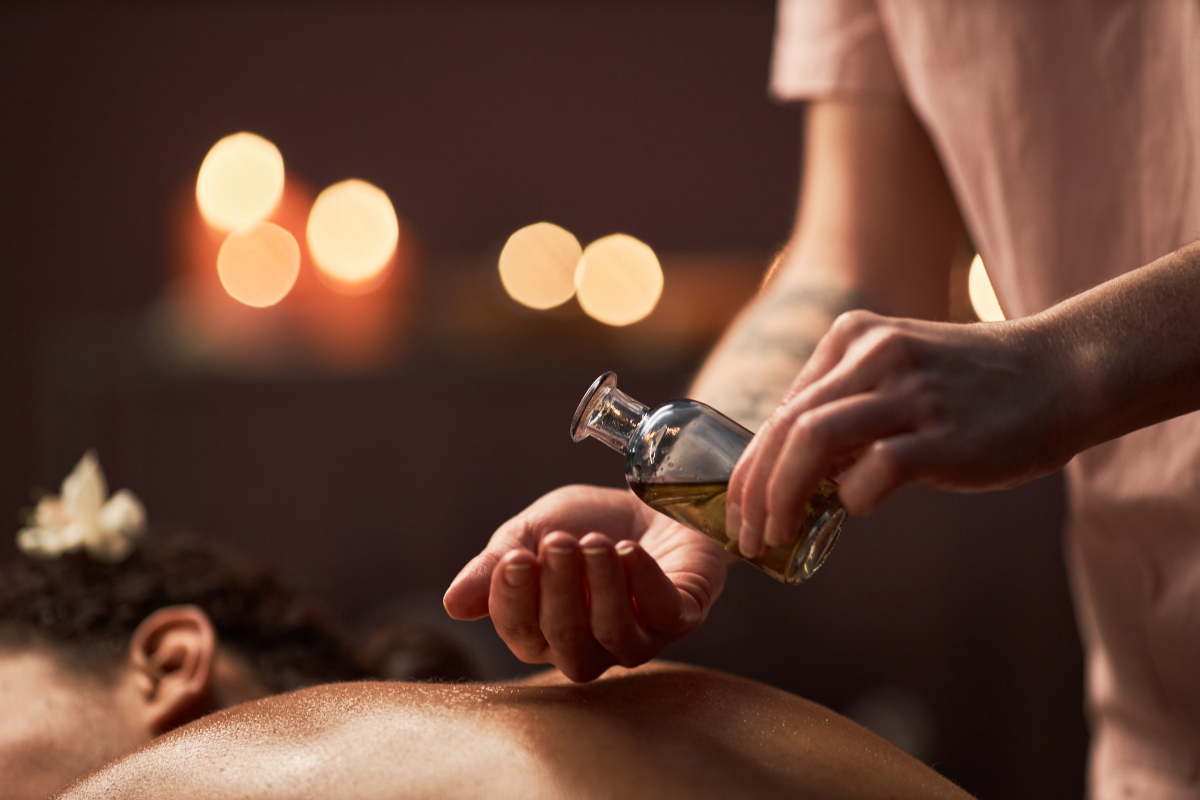
A massage therapist works with muscles and other soft tissues using hands-on techniques chosen according to a client’s goals, health history, comfort, and physical condition. The job involves more than applying pressure. Therapists conduct intake, screen for precautions, plan treatment, maintain draping and professional boundaries, document care when needed, clean equipment, and refer clients when symptoms fall outside massage therapy’s scope.
In New York, massage therapy is a licensed healthcare profession. Licensed therapists may accept clients directly, but they do not diagnose medical diseases or disorders.
Key Takeaways
- New York massage therapists do not diagnose medical diseases.
- “Medical massage therapist” is not a separate New York State license.
- New York requires a qualifying 1,000-hour education program, the state massage examination, and CPR training for initial licensure.
- Licensed New York therapists need 36 hours of continuing education every three years.
- The U.S. median annual wage was $57,950 in May 2024.
- Employment is projected to grow 15% from 2024 to 2034.
What Is a Massage Therapist?
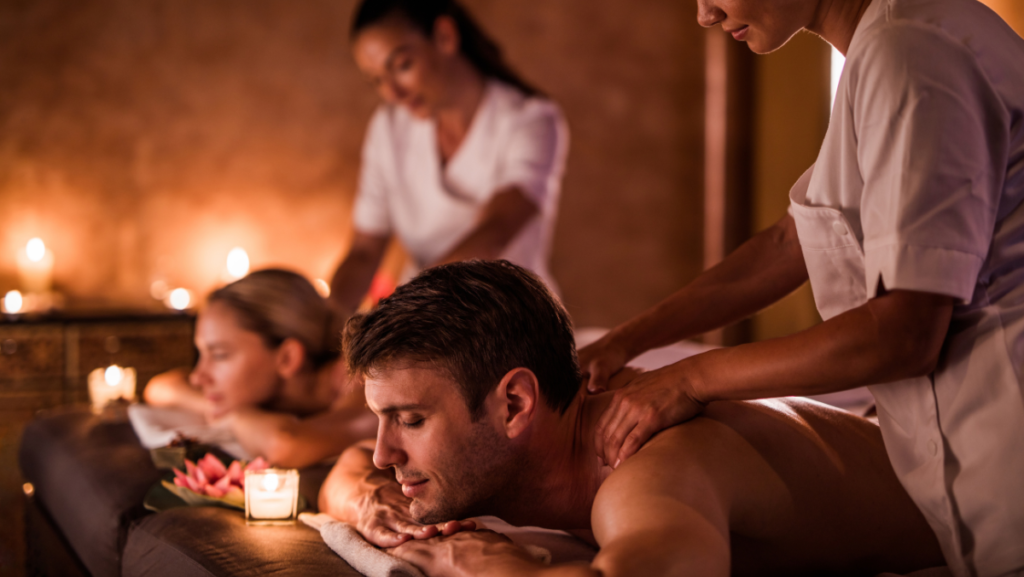
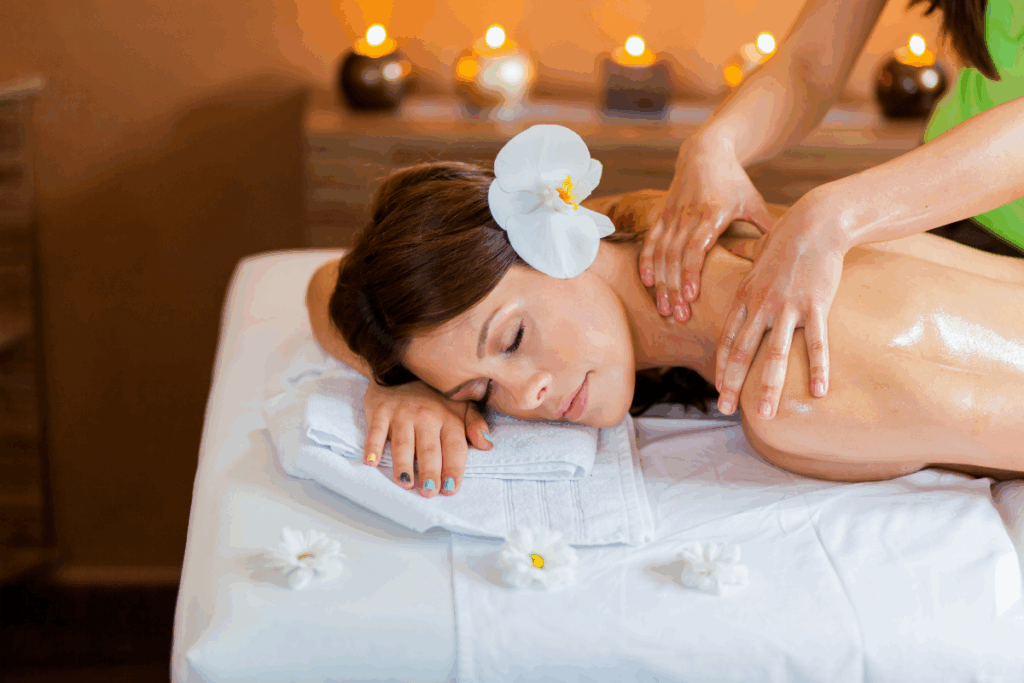
A massage therapist is a trained professional who uses techniques such as stroking, kneading, compression, friction, vibration, and selected movement to work with muscles and other soft tissues.
The U.S. Bureau of Labor Statistics lists duties such as discussing symptoms and goals, identifying painful areas, applying massage techniques, documenting progress, maintaining sanitary work areas, and offering appropriate self-care guidance.
In New York, only people who are licensed or otherwise legally authorized may use protected professional massage titles.
What Does a Massage Therapist Do Each Day?

- Reviewing appointments, precautions, and room setup.
- Asking about pain, injuries, surgery, medications, allergies, pregnancy, and pressure preferences.
- Assessing movement and soft tissues for massage treatment without diagnosing disease.
- Choosing treatment areas, pressure, techniques, and positioning.
- Performing massage using hands, fingers, forearms, elbows, compression, stretching, trigger-point work, or other permitted techniques.
- Monitoring comfort and adjusting treatment when needed.
- Documenting symptoms, areas treated, modifications, and response.
- Changing linens, cleaning equipment, scheduling, billing, and completing other business tasks.
What Happens During a Massage Appointment?

Before treatment, the therapist reviews health information, asks about goals, explains the proposed approach, discusses draping, identifies areas to include or avoid, and obtains consent.
During treatment, the therapist should maintain professional draping, treat only consented areas, monitor comfort, and allow the client to stop or modify treatment at any time. New York practice guidance states that consent is ongoing.
Afterward, the therapist may review the client’s response, offer self-care suggestions within scope, document the session, and discuss whether follow-up is appropriate.
What Is Within a Massage Therapist’s Scope?
Within appropriate training and legal limits, a New York massage therapist may perform massage-related intake and assessment, work with soft tissues, apply recognized techniques, use selected passive movements, develop a treatment plan, document care, and refer clients when needed.
They do not diagnose medical diseases or prescribe medication. Unless separately licensed, they should not practice physical therapy, chiropractic, psychotherapy, surgery, or medical imaging interpretation.
Referral may be appropriate for new weakness, severe numbness, suspected fracture or blood clot, fever, unexplained severe pain, chest pain, breathing difficulty, neurological symptoms, or significant trauma.
Essential Massage-Therapy Skills

Important skills include:
- Communication: listening and explaining treatment clearly.
- Consent and boundaries: respecting privacy, draping, sensitive areas, and a client’s right to change their mind.
- Anatomy and physiology: understanding muscles, joints, nerves, movement, and precautions.
- Clinical judgment: knowing when massage should be modified, postponed, or referred.
- Palpation and adaptability: assessing tissue response and adjusting pressure, technique, or position.
- Professionalism: showing empathy without overpromising or working beyond scope.
- Physical stamina: managing standing, repetitive movements, and pressure.
- Time and business management: handling treatment, documentation, scheduling, and administration.
What Is the Job Outlook
“Types” usually describe a treatment approach or specialty, not a separate state license.
Swedish Massage
Uses flowing strokes, kneading, friction, and rhythmic techniques and is commonly associated with relaxation.
Deep Tissue Massage
Uses slower or firmer techniques on selected deeper tissues. It should not require severe pain.
Medical Massage
Medical massage focuses on a defined symptom, diagnosis, injury, or functional goal and may involve more detailed documentation.
New York does not issue a separate “medical massage therapist” license. Additional certificates may show training, but they do not expand legal scope or allow medical diagnosis.
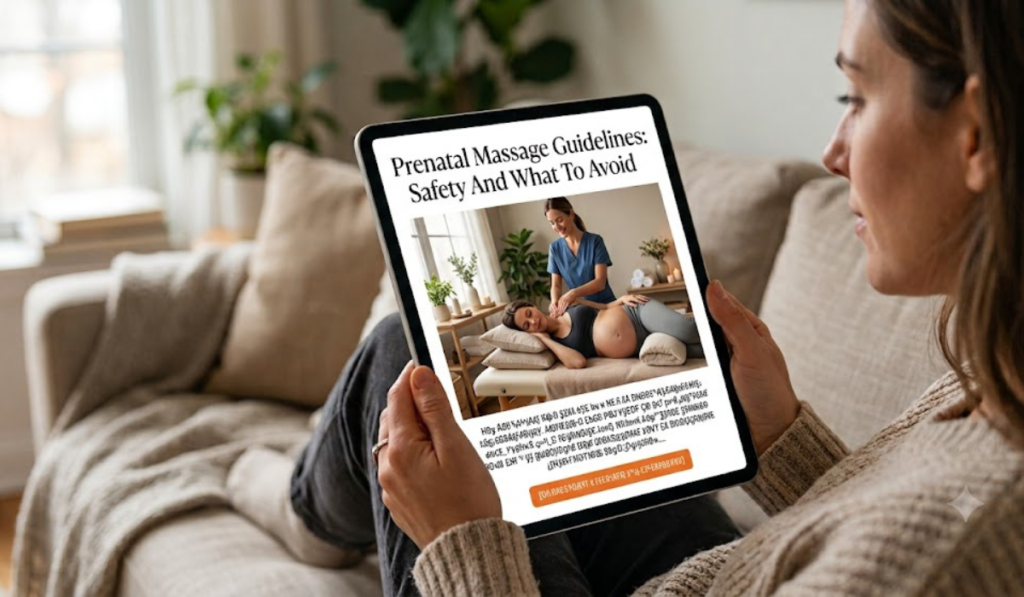
Other specialties may include sports, prenatal, oncology, geriatric, chair, trigger-point, myofascial, lymphatic-drainage, or Eastern bodywork approaches. Specialty training should match the therapist’s experience, legal scope, and client needs.
Where Do Massage Therapists Work?
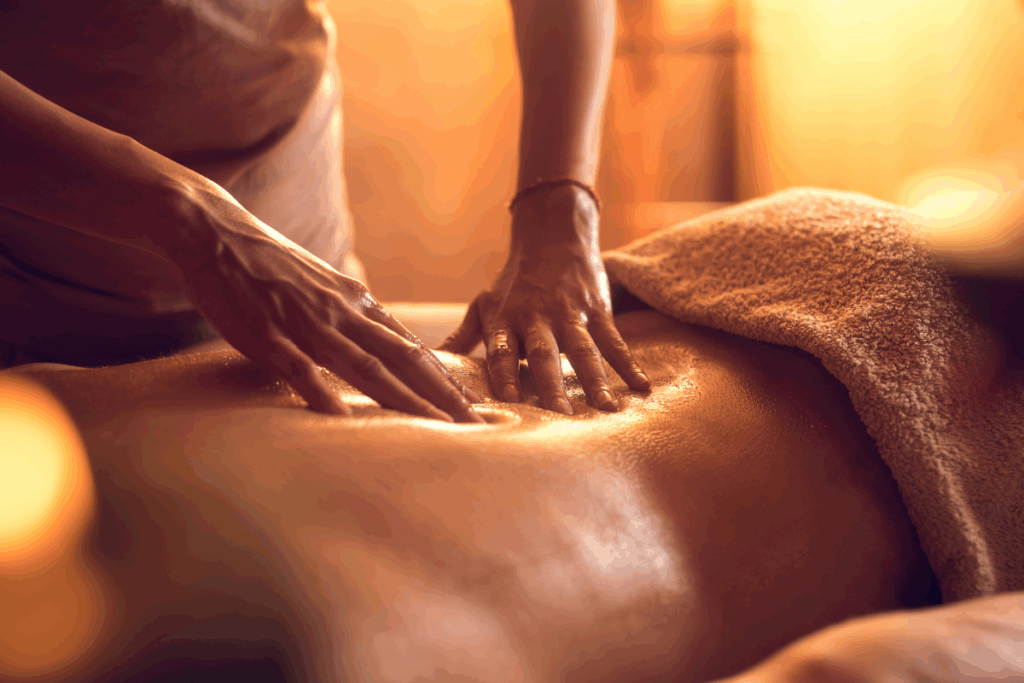
Massage therapists may work in private practices, medical or wellness offices, spas, resorts, chiropractic offices, fitness settings, hotels, corporate programs, clients’ homes, and selected hospitals or rehabilitation environments.
In 2024, BLS reported that about 42% were self-employed and 30% worked in personal-care services.
How Do You Become a Massage Therapist in New York?
New York’s licensing pathway includes education, examination, CPR, age, character, application, and continuing-education requirements.
Education
A qualifying massage-therapy program must include at least 1,000 clock hours, covering anatomy, physiology, neurology, pathology, massage theory and technique, hygiene, first aid, CPR, and supervised hands-on practice.
Examination
Initial applicants generally must pass the New York State Massage Therapy Examination. The MBLEx is accepted in many states, but it is not New York’s ordinary initial licensing examination.
Continuing Education
Licensed massage therapists must complete 36 hours of approved continuing education during each three-year registration period.
Training time varies by school and schedule. Students should confirm actual program length and current requirements directly with approved schools and NYSED.
Career Outlook and Salary
Advantages and Challenges
Challenges may include physical strain, repetitive-motion problems, evening or weekend work, cancellations, inconsistent income, business expenses, continuing education, and unpaid administrative time. Part-time work is common because prolonged hands-on massage can be physically demanding.
How Clients Can Choose a Massage Therapist
Ask whether the therapist is currently licensed, what experience and specialty training they have, how they manage draping and consent, when they would refer a client, and whether insurance applies.
Be cautious when someone guarantees a cure, diagnoses diseases outside their scope, tells you to stop medication, ignores boundaries, uses poor draping, or discourages appropriate medical evaluation.

Massage Therapy at Circle Wellness
Circle Wellness provides massage services through licensed therapists at its Melville location.
Frequently Asked Questions
Can massage therapists diagnose medical conditions?
Not in New York. They may assess clients for massage treatment but do not diagnose medical diseases or disorders.
Is medical massage a separate license?
No. It describes a treatment focus, not a separate New York State license.
How long is massage school in New York?
Yes, but many advanced modalities require additional certifications.
The result?
Deeper, more restorative sleep. Fewer nighttime wakeups. And a body that actually feels rested in the morning.
Does New York use the MBLEx?
New York’s ordinary initial pathway uses the New York State Massage Therapy Examination.
How much do massage therapists earn?
The U.S. median annual wage was $57,950 in May 2024, although income varies widely.
What is the job outlook?
BLS projects 15% growth from 2024 to 2034.
Can massage therapists bill insurance?
Sometimes. Coverage depends on the plan, medical necessity, provider eligibility, documentation, diagnosis, and network rules.
Final Takeaway
Massage therapists combine hands-on skills with communication, anatomical knowledge, treatment planning, consent, professional boundaries, safety judgment, documentation, referral, and business management.
The profession offers strong projected growth and varied work settings, but also physical demands, variable schedules, business costs, and legal responsibilities.
For clients, the strongest signs of professionalism are proper licensure, clear communication, respect for consent, sound judgment, and a willingness to refer when a concern requires medical care.