Feeling heavy, puffy, or just plain off—and not sure why?
It might not be your diet, your stress levels, or your hormones. It could be your lymphatic system quietly struggling in the background. When your body isn’t draining fluids properly, things build up: swelling, brain fog, fatigue, skin issues, even a general sense of “blah” you can’t shake.
That’s where lymphatic drainage massage comes in. This gentle, medically-informed technique is designed to help your body do what it’s already trying to do—move waste, reduce swelling, and get things flowing again.
If your body feels stagnant, it might be time to support your lymph—not push harder.
What Is the Lymphatic System?
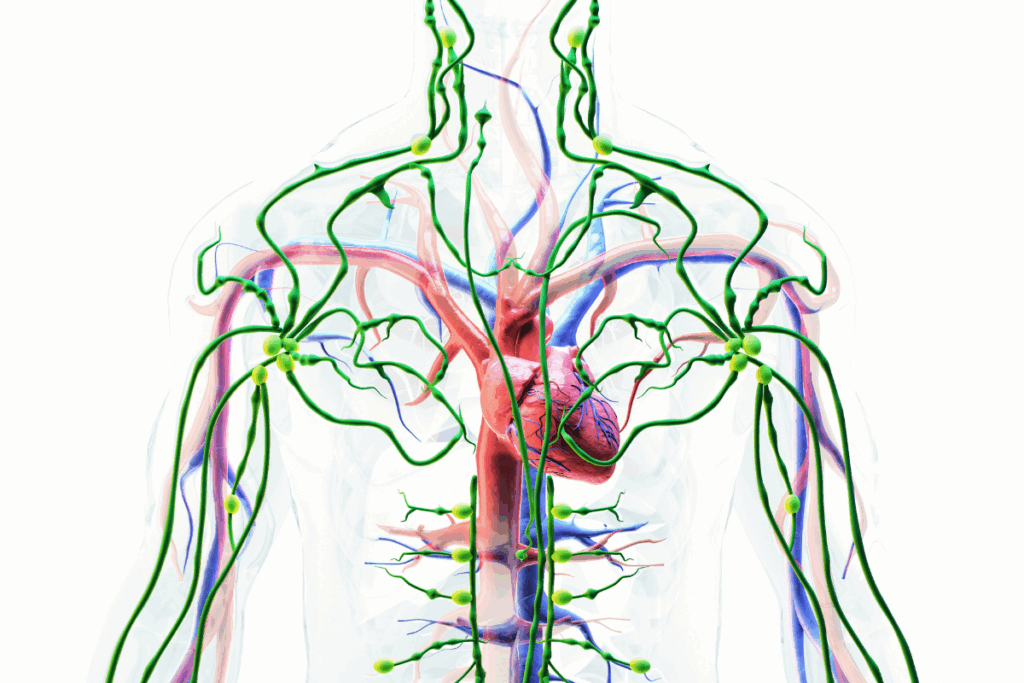
Your lymphatic system is like your body’s built-in cleanup crew. It works quietly in the background, clearing out waste, excess fluid, and toxins that your cells produce every day. It also plays a major role in immune defense—helping your body recognize and fight off infections and illness.
This system is made up of a network of vessels, nodes, and organs that circulate a fluid called lymph. Unlike blood, lymph doesn’t have a pump like the heart. It relies on movement—like walking, stretching, and even massage—to keep flowing properly.
When the lymphatic system slows down or becomes blocked, fluid can build up in your tissues, leading to swelling, sluggishness, or a weakened immune response. That’s where lymphatic drainage massage comes in—helping the system do what it’s designed to do, just more efficiently.
What Is Lymphatic Drainage Massage?
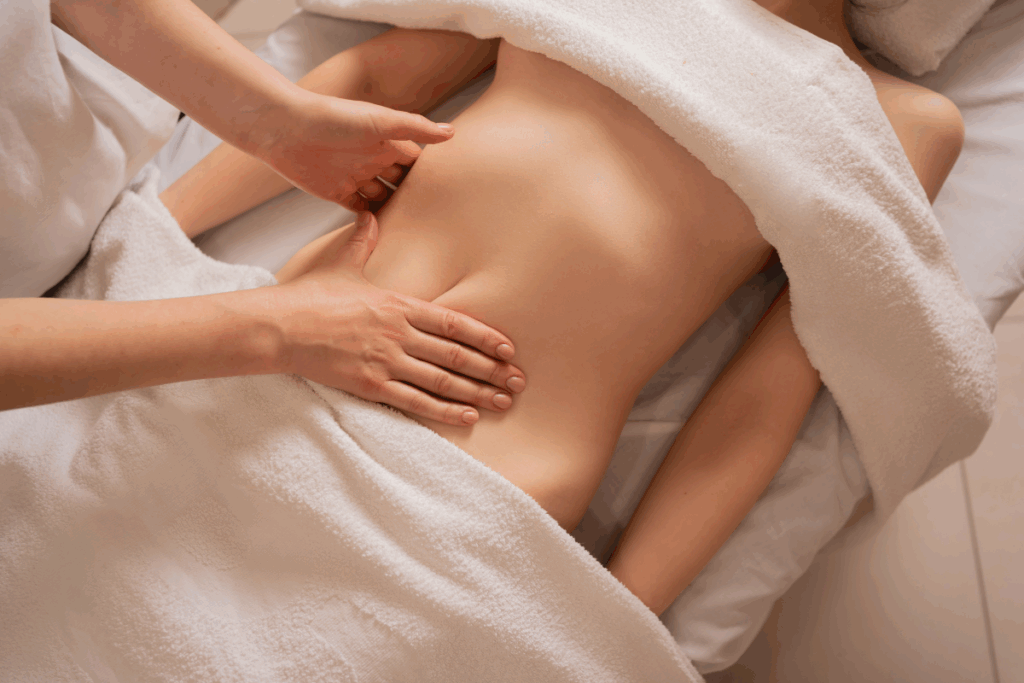
Lymphatic drainage massage is a gentle, rhythmic technique designed to support the body’s natural lymphatic system—a key part of your immune defense and waste removal. Unlike deep tissue massage, this method uses light pressure and precise, repetitive strokes to stimulate the flow of lymph fluid through your vessels and nodes.
The goal? To move excess fluid away from congested areas, reduce swelling, and help your body filter out toxins more efficiently.
Here’s how it works:
It’s not just about moving fluid—it’s about supporting a vital system that helps your body stay balanced, fight infections, and recover from injury or inflammation.
Types of Lymphatic Drainage Massage
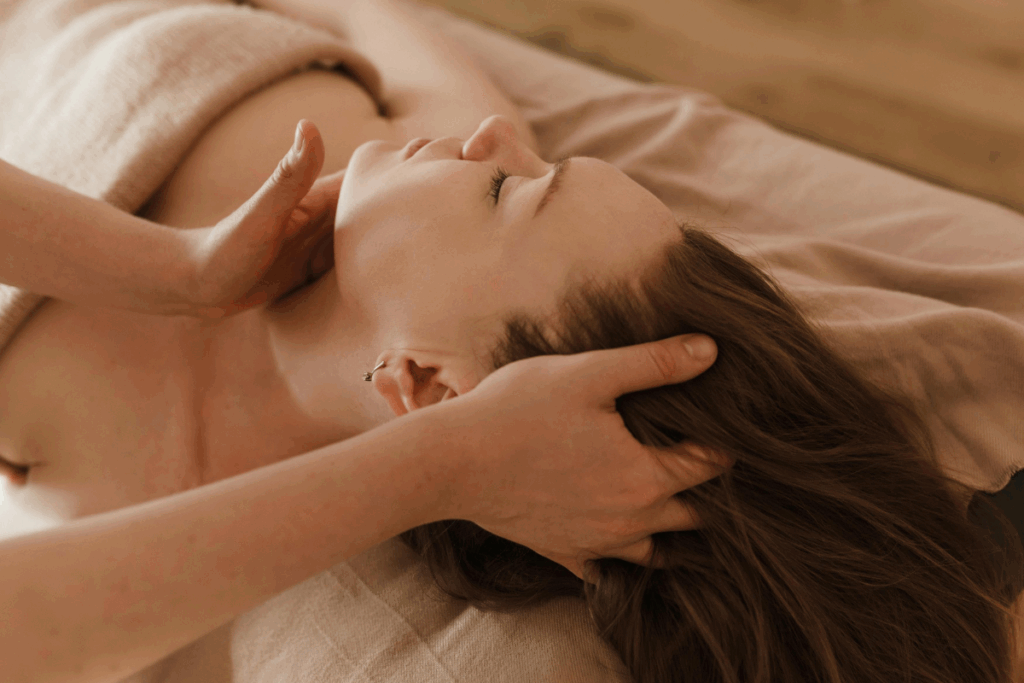
Lymphatic drainage isn’t one-size-fits-all. Different techniques have been developed to meet specific medical and wellness needs. Each one uses light, rhythmic movements to stimulate lymph flow—but the methods and goals can vary.
Here are the main types of lymphatic drainage massage you might come across:
Vodder Technique
Leduc Method
Foldi Method
Casley-Smith Method
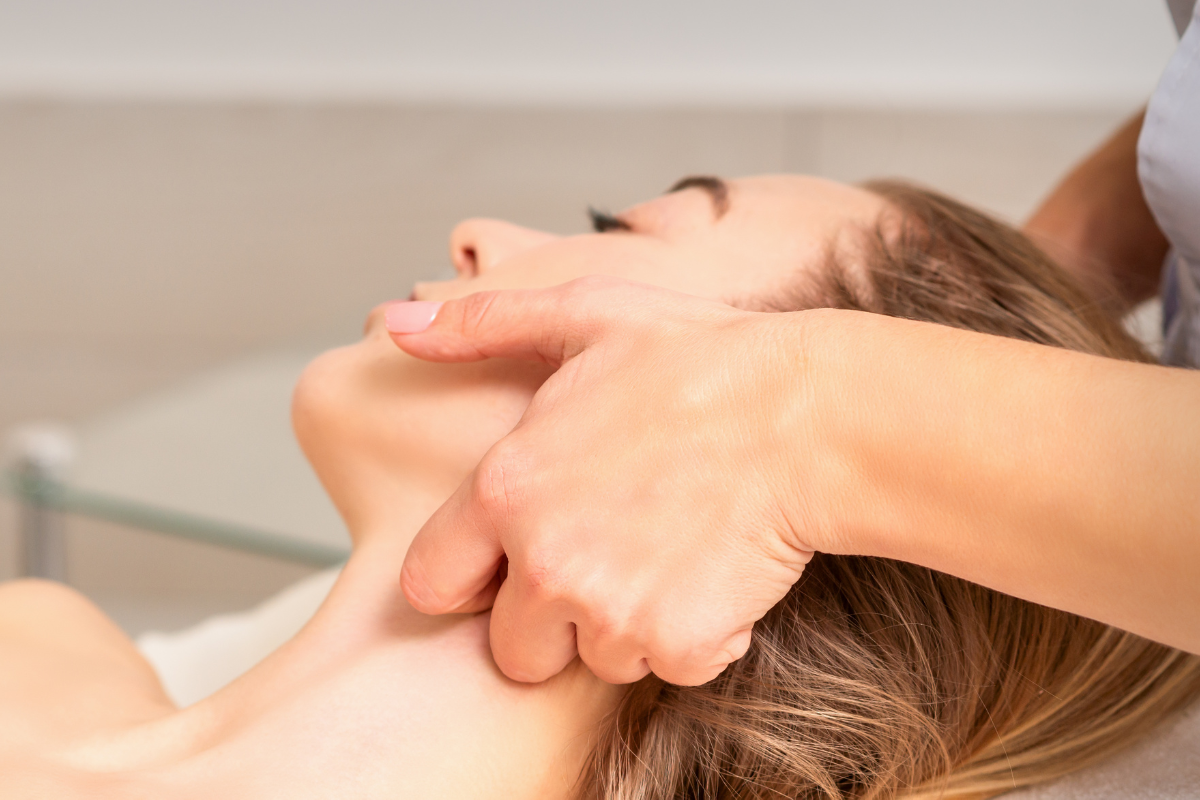
Lymphatic Facial Massage
What Conditions Can Lymphatic Drainage Massage Help With?
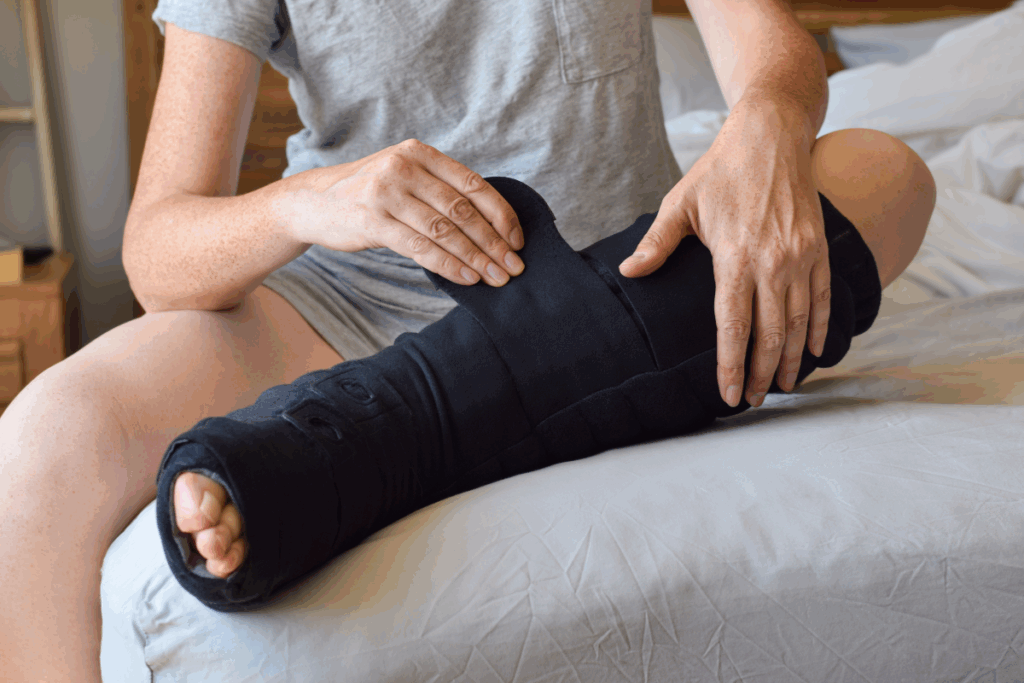
Lymphatic drainage massage isn’t just a spa trend—it’s used to support real medical and wellness needs. By stimulating the lymphatic system, this technique can help reduce swelling, improve circulation, and ease discomfort linked to fluid buildup.
It may be recommended for:
- Lymphedema – often after cancer surgery or radiation, especially breast cancer
- Post-surgical swelling – to promote healing and reduce inflammation
- Chronic venous insufficiency – when blood flow is impaired in the legs
- Fibromyalgia – to ease pain and reduce tenderness
- Lipedema – a condition causing abnormal fat buildup and swelling in the legs
- Sinus congestion and allergies – by promoting lymph flow in the face and neck
- Post-injury recovery – to reduce inflammation and accelerate tissue repair
- Digestive sluggishness and bloating – by supporting detox and gut function
Whether you’re recovering from surgery, managing a chronic condition, or dealing with everyday puffiness, lymphatic massage can be a safe, supportive part of your care.
Who Can Benefit Most from Lymphatic Drainage Massage?
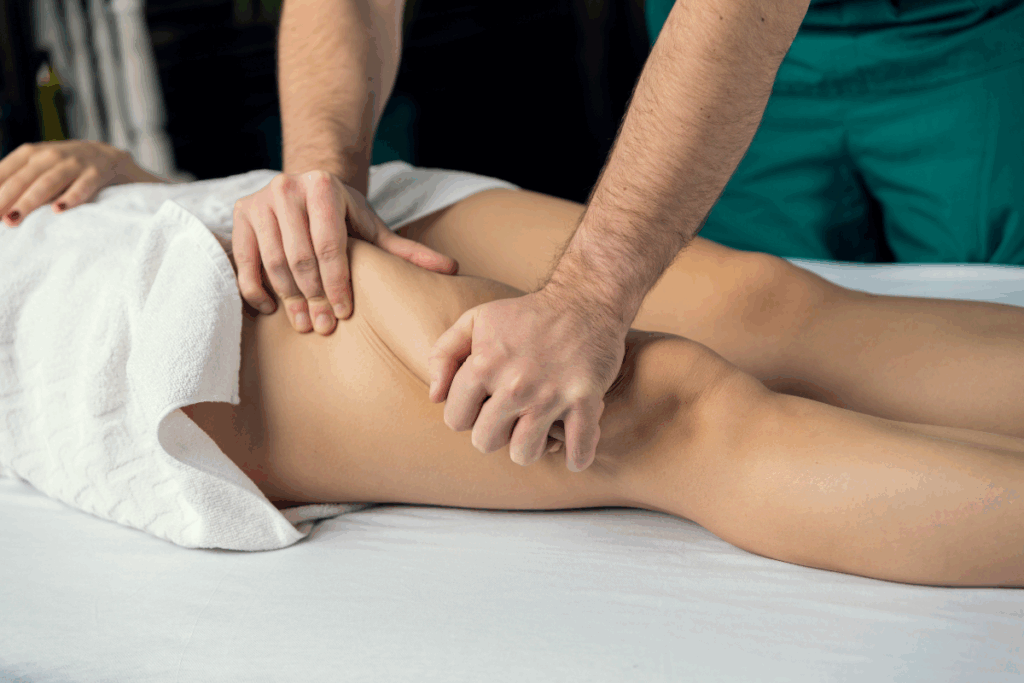
This therapy isn’t just for one type of person. From post-surgical recovery to chronic inflammation, lymphatic drainage massage can support a wide range of needs—medical and cosmetic alike.
People who may benefit include:
- Those with lymphedema
Especially after cancer treatments, such as lymph node removal during breast cancer surgery. Massage can reduce swelling and improve comfort. - Individuals healing from surgery or injury
Helps reduce post-operative swelling and encourages tissue repair by improving circulation and detoxification. - People with fibromyalgia or chronic fatigue
Gentle lymphatic stimulation may relieve pain, reduce fluid buildup, and help ease “heavy body” sensations. - Those struggling with poor circulation or fluid retention
Swollen ankles, puffy hands, and general bloating can often point to sluggish lymph flow—massage may help relieve these symptoms. - Anyone seeking cosmetic benefits
Lymphatic facial massage promotes clearer skin, reduces puffiness, and gives a more sculpted appearance—no filters needed. - People under chronic stress
Light, rhythmic massage supports the parasympathetic nervous system and helps the body unwind. For some, that’s as important as the physical relief.
If your body feels heavy, your face looks puffy, or your immune system seems out of sync—lymphatic drainage may be the gentle nudge your system needs.
Risks and Safety Considerations

Lymphatic drainage massage is safe and gentle for most—but not risk-free. It supports healing, reduces swelling, and improves circulation, but it also stimulates your body’s fluid systems, which may pose risks if you have certain underlying conditions.
Most people experience no issues, but possible short-term side effects may include:
- Mild fatigue or lightheadedness
- Headache or nausea (especially if dehydrated)
- Slight muscle soreness
- Temporary increase in urination due to fluid movement
When to Avoid Lymphatic Drainage Massage
- Active infection or fever
- Blood clots (DVT or history of clotting disorders)
- Congestive heart failure or advanced cardiovascular disease
- Severe kidney dysfunction or failure
- Liver disease, including cirrhosis
- Ongoing cancer treatment (especially radiation or chemotherapy)
- Swollen lymph nodes with unknown cause
- Skin conditions like cellulitis, open wounds, or rashes in the massage area
- Recent surgery without medical clearance
- High-risk pregnancy (without OB approval)
Massage should never be done over areas affected by cancer, recent surgery, radiation burns, or infected skin.
What to Expect During a Lymphatic Drainage Massage Session
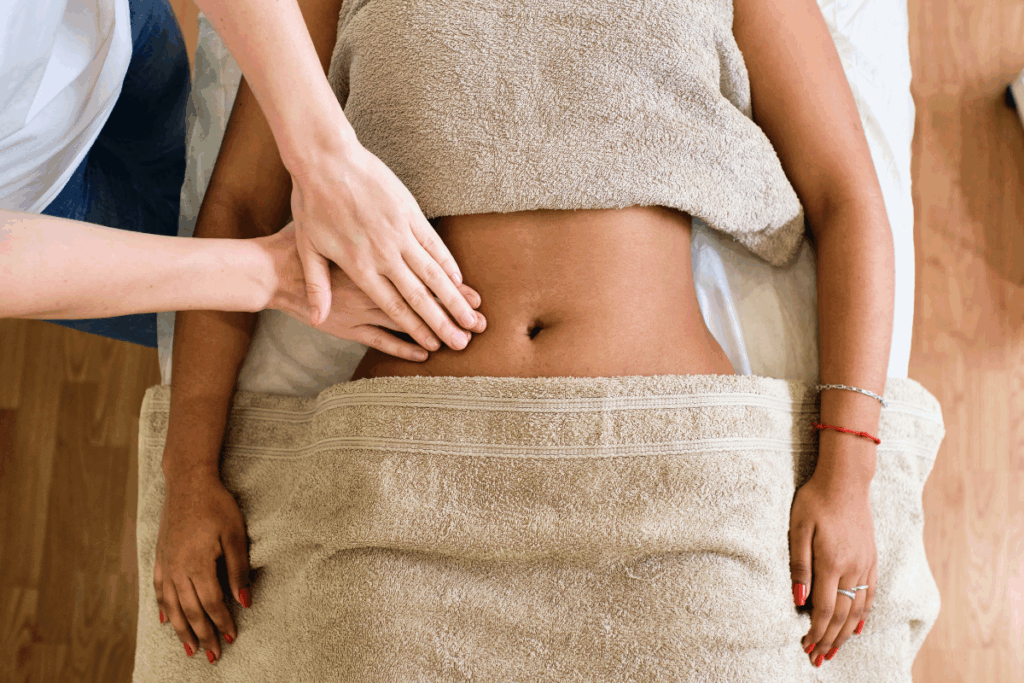
Lymphatic drainage massage is different from a deep tissue or relaxation massage—it’s slow, intentional, and incredibly light to the touch. Here’s how a typical session unfolds:
1. Gentle, Rhythmic Strokes
2. Focused Areas of Treatment
3. No Oils or Lotions
4. Relaxation, Not Discomfort
5. You May Feel… Different After
Hydration is key after your session—drink plenty of water to help your body flush the released fluids and toxins.
FAQs
1. Is lymphatic drainage massage painful?
No. It’s one of the gentlest forms of bodywork. If it hurts, it’s not being done correctly.
2. How long does a session usually last?
Sessions typically last 30 to 60 minutes depending on the area being treated and your goals.
3. How many sessions will I need to see results?
Some people feel relief after just one session, especially if swelling is present. Chronic conditions often benefit from a series of treatments.
4. Can I do lymphatic massage on myself at home?
Yes, but technique matters. If you’re managing a condition like lymphedema, work with a trained professional first before trying self-massage.
5. What should I do before and after my session?
Come well-hydrated and avoid heavy meals. Afterward, drink water, rest, and allow your body to process the fluid movement.
6. Is this massage only for people with health conditions?
Not at all. Many people use lymphatic drainage massage for general detox support, post-surgery recovery, or as part of a wellness routine.
7. Can it help with weight loss?
It’s not a fat-burning treatment, but reducing water retention and bloating can make you feel lighter and less puffy.
8. Are there any side effects?
Some people experience mild fatigue, increased urination, or a temporary headache—signs that your body is processing fluids and waste.
9. What should I wear to a lymphatic massage?
Wear comfortable, loose-fitting clothing. You may be asked to undress to your comfort level, typically keeping undergarments on.
10. Is it safe for everyone?
While generally safe, lymphatic massage isn’t recommended if you have an active infection, blood clots, uncontrolled heart conditions, or certain cancers. Always consult your doctor first.
The Quiet Reset That Changes Everything
Your lymphatic system works quietly behind the scenes—until it doesn’t. When it slows down, you feel it: the heaviness, the puffiness, the fatigue. A gentle massage may be all it takes to get things flowing again. Whether you’re recovering, managing stress, or simply want to feel lighter in your body, lymphatic drainage offers a calm, restorative path back to balance. Small shifts can change everything.
Ready to Feel Lighter?
support your body’s natural detox.