Lomi Lomi—more commonly written as lomilomi in Hawaiian cultural and academic settings—is a traditional Hawaiian massage and healing practice.
Modern spa versions are often known for long, rhythmic strokes using the hands and forearms, oil, rocking, gentle stretching, and smooth transitions between body areas. Traditional lomilomi is broader than one routine and may vary by family, lineage, teacher, island, and cultural setting.
Lomilomi is a diverse Hawaiian healing and massage tradition. The flowing forearm massage commonly offered at spas is one contemporary expression—not the single definition of the entire practice.
Lomi Lomi may provide relaxation and temporary relief from muscle tension. It has not been proven to detoxify the body, clear energy blockages, strengthen immunity, release stored emotions, or treat disease
What Does “Lomi Lomi” Mean?
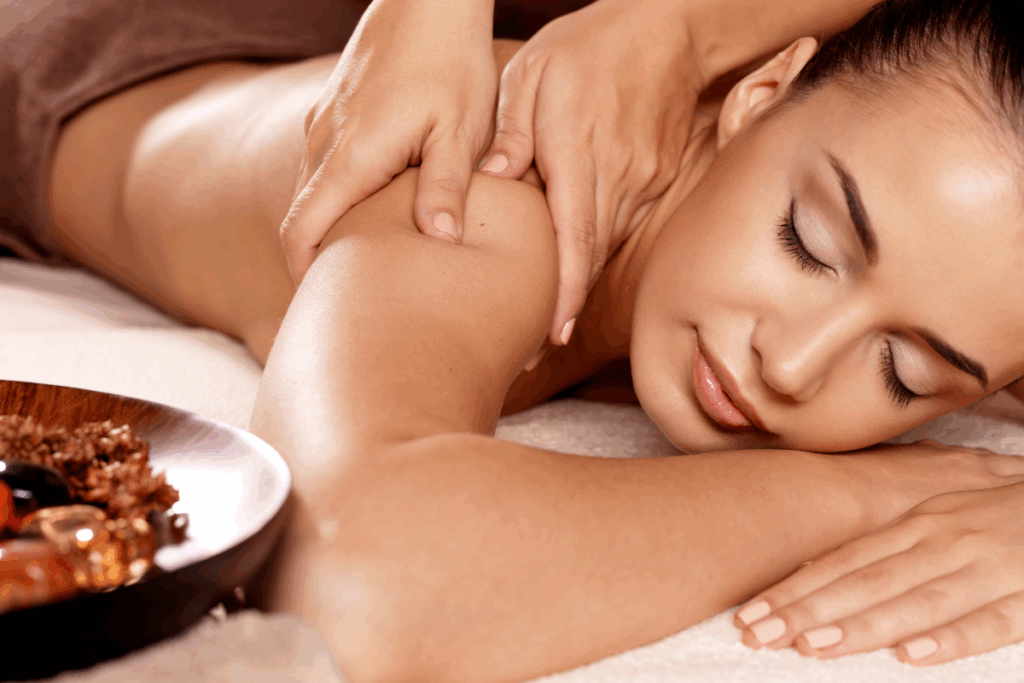
The Pukui–Elbert Hawaiian Dictionary defines lomi as rubbing, pressing, squeezing, crushing, kneading, or massaging.
Popular phrases such as “loving hands” may reflect the philosophy of particular modern schools, but they should not be presented as literal dictionary translations.
“Lomilomi” is common in Hawaiian cultural and academic usage, while “Lomi Lomi” is frequently used in English-language spa marketing.
Cultural Roots of Lomilomi
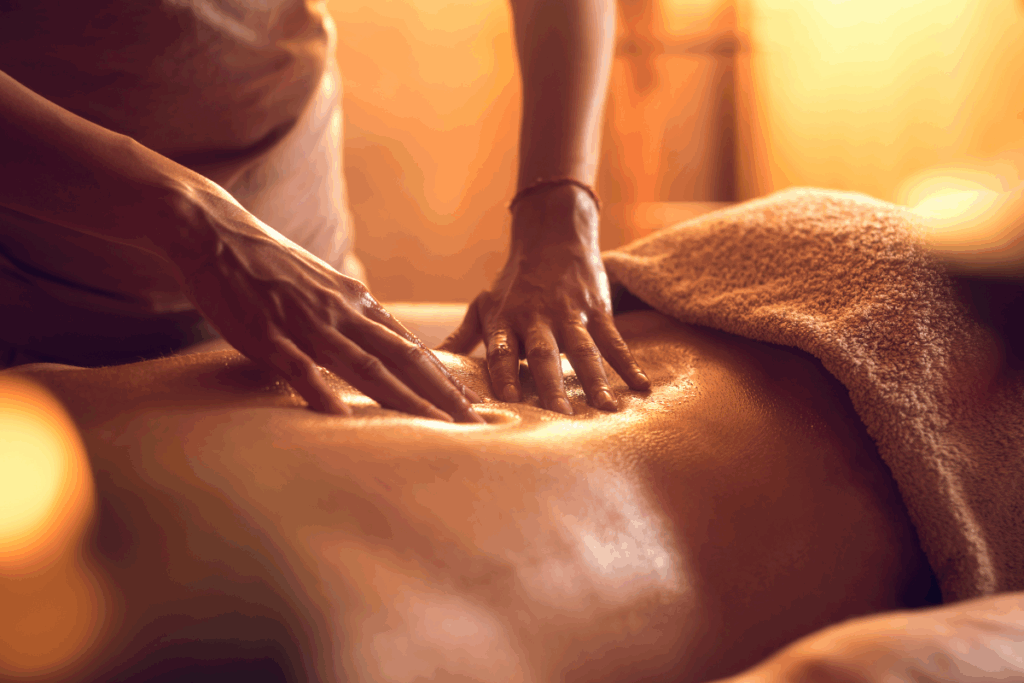
Lomilomi is part of Native Hawaiian approaches to health and healing.
Traditional knowledge may be taught within families, passed from teachers to students, practiced in households, or held by experienced healers. Depending on the lineage, it may include prayer, plants, spirituality, or community relationships.
It is too narrow to say lomilomi was practiced only by kahuna. Kahuna generally refers to an expert, priest, or skilled practitioner and should not automatically be translated as “shaman.”
Is There One Authentic Lomilomi Technique?
No. Methods can differ by family, lineage, teacher, island, purpose, and setting.
Modern descriptions sometimes claim authentic Lomi Lomi always includes minimal draping, ocean-wave forearm strokes, chanting, four-handed massage, emotional release, or Huna philosophy. These may describe particular schools but are not universal Hawaiian traditions.
A responsible practitioner should explain whether their service is traditional, lineage-based, or a modern spa-style adaptation.
What Does a Modern Lomi Lomi Session Involve?
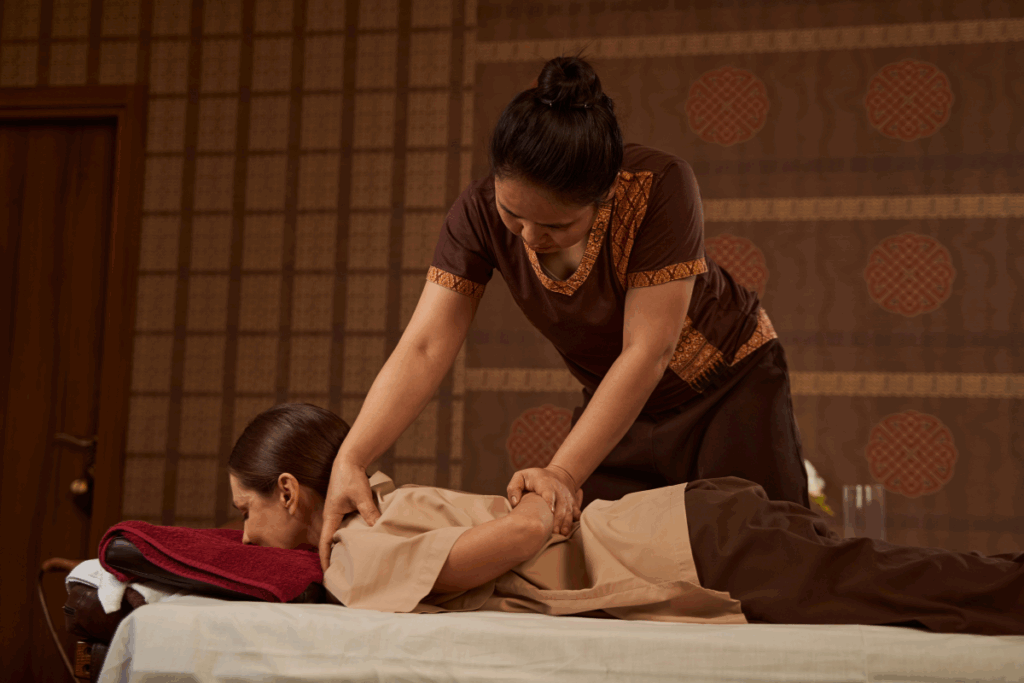
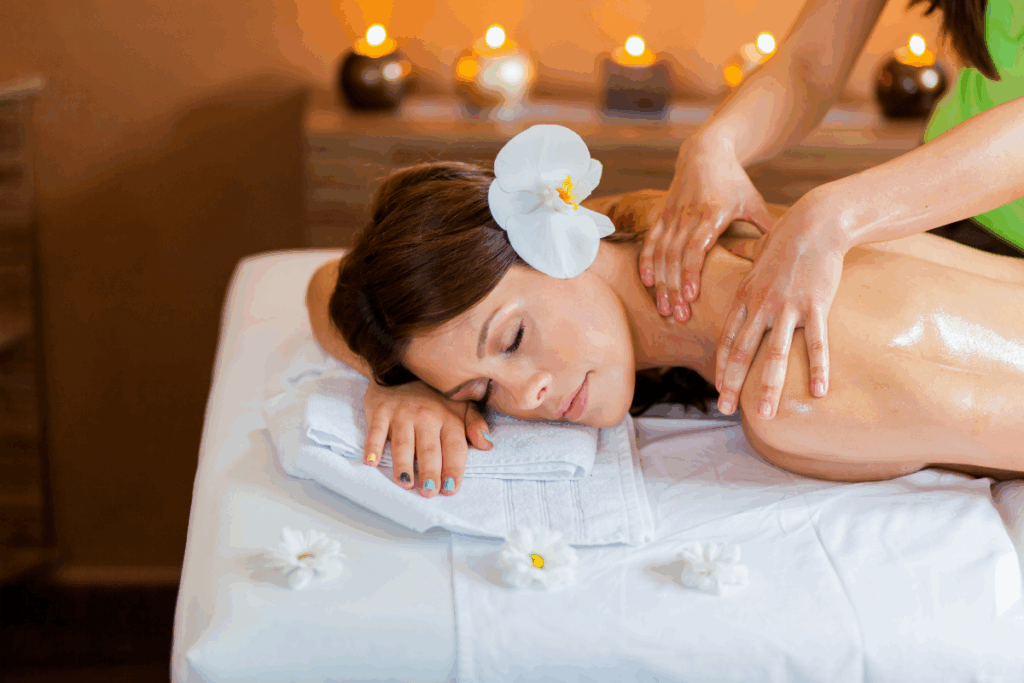
A contemporary session may include:
- Long gliding strokes
- Forearm massage
- Broad hand contact
- Rhythmic movement
- Oil or lotion
- Gentle rocking
- Passive joint movement
- Light stretching
- Light to firm pressure
The experience depends on training, health history, preferences, draping, and permitted areas. Flowing transitions should never override professional boundaries.
Lomi Lomi vs. Swedish and Deep Tissue Massage
Lomi Lomi: Often emphasizes broad, rhythmic hand and forearm strokes and may include Hawaiian cultural or spiritual context.
Swedish massage: Commonly uses gliding, kneading, friction, tapping, and vibration for general relaxation.
Deep tissue massage: Usually involves slower, focused pressure on selected deeper tissues.
Research does not establish that lomilomi is clinically superior to other massage styles.
What Happens Before the Session?
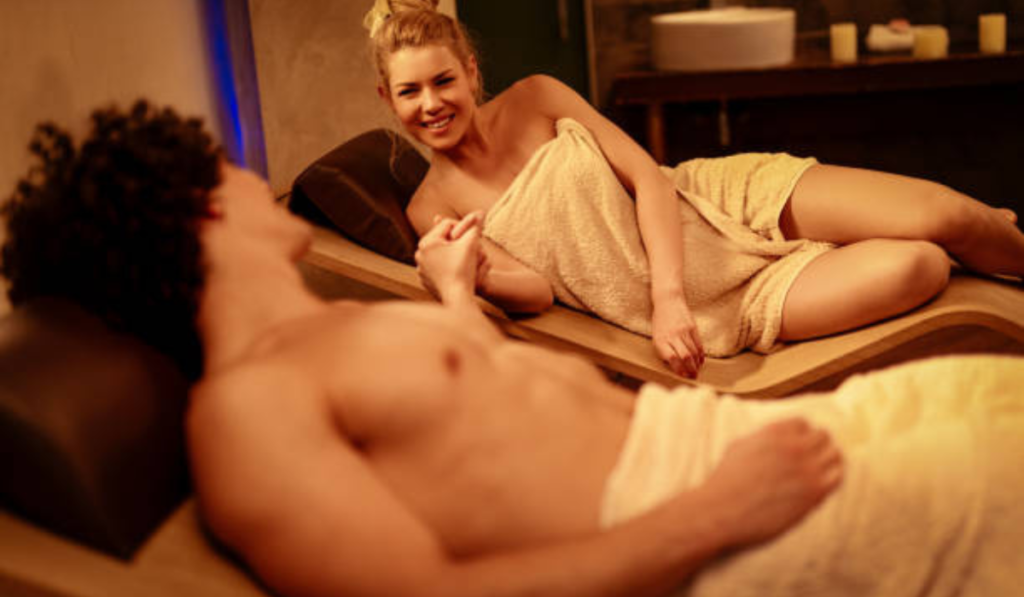
The therapist should review injuries, medications, pregnancy, skin conditions, clot history, allergies, areas to avoid, and pressure preferences.
Ask what “Lomi Lomi” means in that practitioner’s practice:
- Where did you train?
- Is your style lineage-based or commercially taught?
- Do you use prayer or spiritual practices?
- Which areas are normally treated?
- How does draping work?
- Can I decline abdominal, gluteal, or chest work?
- Which oils do you use?
Consent should be specific and ongoing.
Draping, Clothing, and Boundaries
You do not have to be completely undressed. You may keep underwear, shorts, a bra, or other comfortable clothing on.
Only the area being treated should be uncovered. Genital massage is not part of lawful professional massage in New York.
Sensitive areas such as the abdomen, upper chest, gluteal region, inner thigh, or breast tissue require explanation, secure draping, appropriate professional purpose, and specific consent.
A request for “Lomi Lomi” is not blanket consent for every body area.
What Does Lomi Lomi Feel Like?
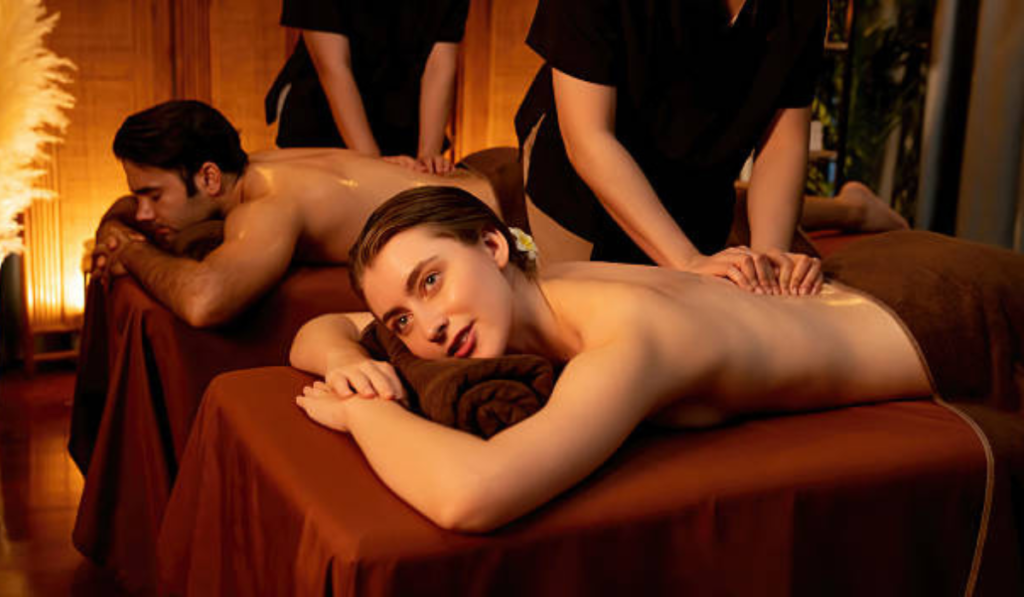
Modern Lomi Lomi is often described as flowing, rhythmic, warm, broad, and continuous.
Pressure may range from light to firm. It should not feel sharp, burning, electrical, numbing, frightening, sexually inappropriate, or beyond your consent.
Potential Benefits and Evidence
High-quality research specifically evaluating lomilomi is scarce.
Broader massage research suggests some people may experience relaxation, temporary reduction in muscle tension, short-term relief for certain pain symptoms, and improved physical comfort.
These findings should not be presented as proof of unique Lomi Lomi benefits.
Lomi Lomi has not been established as a treatment that detoxifies the body, strengthens immunity, releases stored trauma from muscles, clears scientifically proven energy blockages, permanently improves circulation, or “heals the whole body.”
Cultural or spiritual beliefs may still be meaningful, but they should not be presented as established medical mechanisms.
Risks and When to Avoid Massage

Do not massage directly over a known or suspected blood clot, inflamed vein, open wound, cellulitis, active skin infection, unhealed incision, acute fracture, severe bruising, or unexplained swelling.
Postpone the session for fever, contagious illness, severe dizziness, major trauma, uncontrolled bleeding, chest pain, difficulty breathing, or another medical emergency.
Pregnancy, osteoporosis, cancer treatment, anticoagulant use, neuropathy, lymphedema, recent surgery, or cardiovascular disease may require modification or medical guidance.
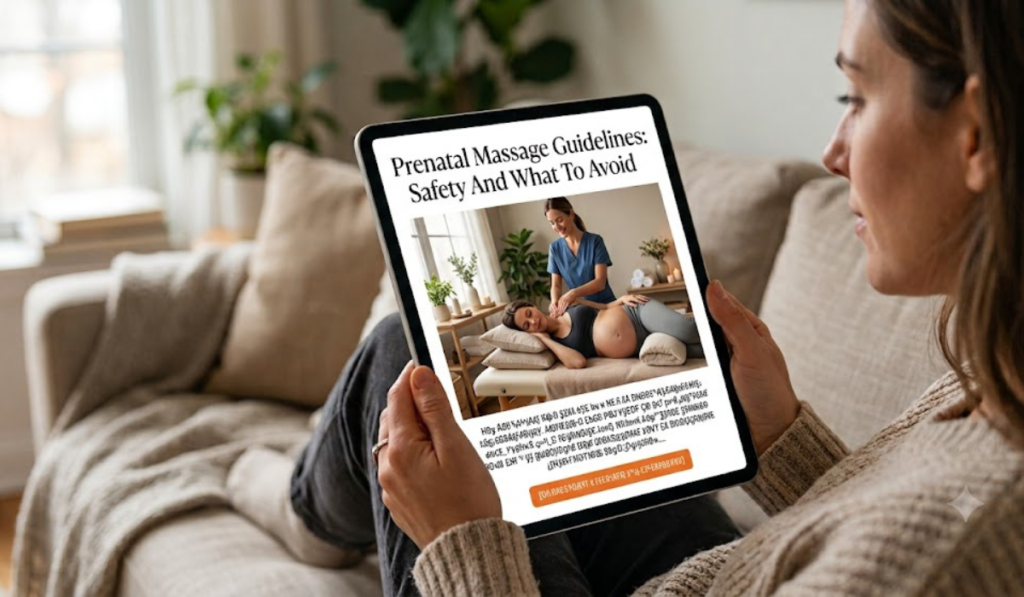
Lomi Lomi During Pregnancy
Pregnant clients may be able to receive modified massage from someone trained in prenatal massage.
Positioning, clot risk, swelling, blood pressure, abdominal work, oils, and obstetric restrictions should be considered. Deep abdominal work, aggressive leg pressure, and prolonged flat-on-the-back positioning later in pregnancy require caution.
After the Session
Move slowly if lightheaded and drink normally according to thirst and medical guidance. There is no need to force large amounts of water to “flush toxins.”
There is also no evidence-based schedule requiring weekly or monthly Lomi Lomi. Future sessions should depend on your goals, response, health, and preferences.
Choosing a Qualified Practitioner

Ask:
- Are you licensed to practice massage in New York?
- Who taught you lomilomi?
- How extensive was your training?
- Is the style traditional, lineage-based, or modern?
- Do you include spiritual practices?
- How do you handle draping and sensitive areas?
A massage license confirms professional qualification but does not prove cultural training in lomilomi. A lomilomi workshop does not replace professional massage licensure.
Cultural Respect and Responsible Marketing
Responsible marketing should recognize lomilomi as a living Native Hawaiian practice, represent training honestly, distinguish tradition from modern adaptation, and avoid using culture as proof of medical effectiveness.
Some commercial schools use Huna terminology, but not every Hawaiian practitioner follows Huna, and modern Huna training should not automatically be presented as traditional Hawaiian authority.
Insurance and Circle Wellness
A relaxation-focused Lomi Lomi session is generally more likely to be self-pay.
Insurance coverage depends on medical necessity, provider eligibility, documentation, prescription requirements, and plan rules.
Circle Wellness currently publishes information about Lomi Lomi, but its main service and booking pages do not clearly list a dedicated Lomi Lomi appointment or identify a therapist’s specific lomilomi credentials.
Before booking, confirm whether the service is available, who performs it, what training they have, whether spiritual elements are included, and whether it is self-pay.
FAQs

What is Lomi Lomi massage?
Lomi Lomi, or lomilomi, is a Hawaiian massage and healing tradition. Modern versions often use long, rhythmic hand and forearm strokes.
Does Lomi Lomi mean “loving hands”?
Not literally. “Loving hands” is a popular modern description rather than the dictionary definition of lomi.
Is Lomi Lomi a full-body massage?
Many modern sessions address several body regions, but you may decline any area.
Does it require minimal draping?
No. Professional draping, privacy, and consent take priority.
Does Lomi Lomi detox the body?
Practitioners commonly use natural oils like coconut, macadamia, or kukui nut oil for smooth, skin-nourishing strokes. Let your therapist know if you have allergies.
Can pregnant people receive it?
Possibly, with prenatal-specific modifications and appropriate screening.
Is Lomi Lomi covered by insurance?
Not automatically. Relaxation-oriented sessions are commonly self-pay.
Does Circle Wellness currently offer it?
Its current main service pages do not clearly list a dedicated Lomi Lomi booking option. Contact the clinic to confirm availability and practitioner training.
Final Takeaway
Lomilomi is a diverse Native Hawaiian healing and massage tradition—not simply a forearm massage.
Modern Lomi Lomi may involve flowing strokes, forearm contact, oil, rocking, stretching, and continuous transitions, but these features do not define every traditional practice.
A responsible approach respects Hawaiian cultural roots, verifies practitioner training and professional licensure, maintains clear draping and consent, and avoids unsupported claims about detoxification, immunity, energy, or emotional release.
The best session should leave the client feeling respected, informed, and comfortable.
Medical Disclaimer
This article provides general educational information.
It does not diagnose a condition, prescribe massage, represent every Native Hawaiian practitioner, or reproduce lineage-specific traditional knowledge.
Lomilomi traditions vary. Cultural statements should be reviewed by an appropriately qualified Native Hawaiian practitioner or educator before publication whenever possible.
Massage should not delay medical evaluation of:
- Chest pain
- Difficulty breathing
- One-sided limb swelling
- New weakness
- Persistent numbness
- Severe unexplained pain
- Fever
- Major injury
- Another potentially urgent condition
Consult an appropriate licensed healthcare professional when your health history may affect massage safety.