Manual Therapy and Modern Pain Management
If you woke up with a stiff back or aching neck today, you’re in big company—low back pain alone affects an estimated 619 million people worldwide and is the leading cause of disability. That’s why healthcare is shifting toward approaches that reduce pain, restore movement, and help you stay active—without over-relying on pills or procedures.
One standout in this shift is manual therapy—targeted, hands-on techniques that calm pain, improve joint motion, and relax tense tissues. Importantly, top guidelines are clear: manual therapy works best when it’s part of an active plan.
As the NICE guideline puts it, manual therapy should be offered “only as part of a treatment package including exercise.”
What Is Manual Therapy? A Hands-On Healing Approach
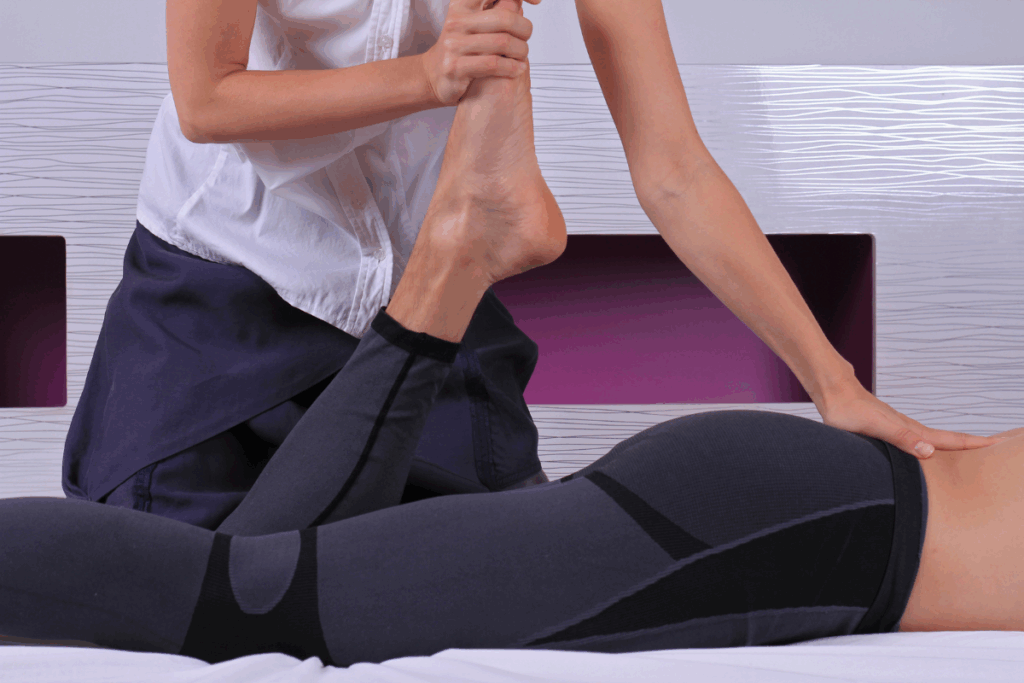
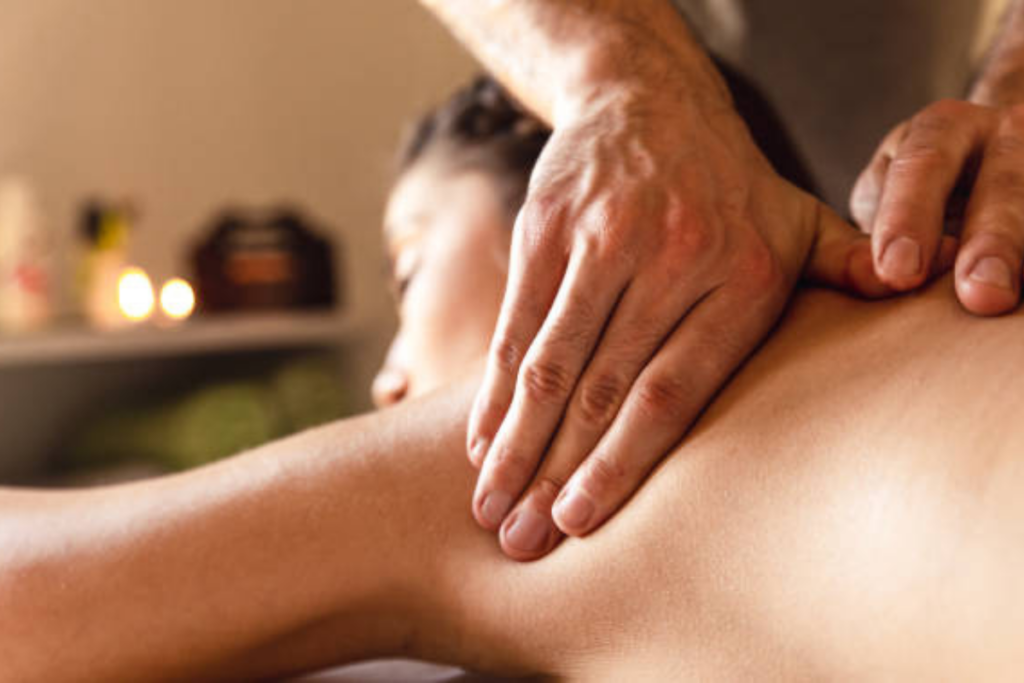
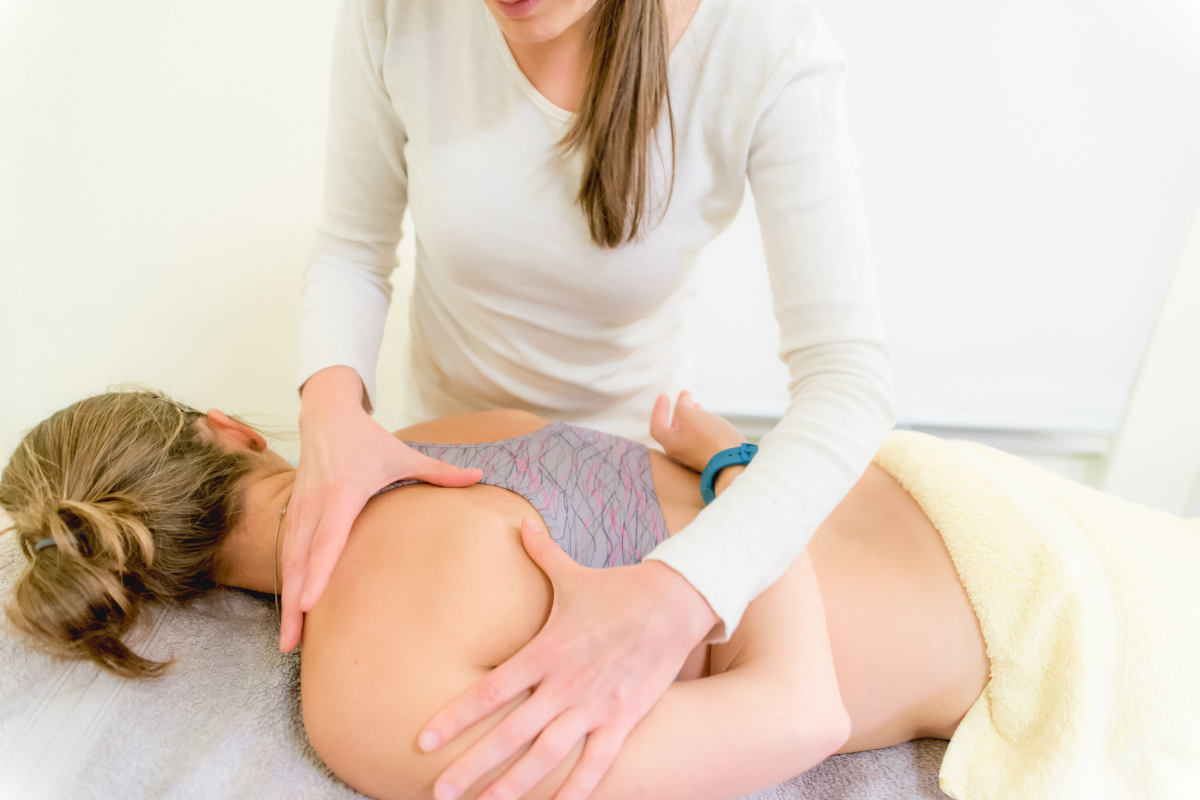
Manual therapy is a hands-on treatment that physical therapists use to help people move better and feel less pain. Instead of relying on machines or just exercises, the therapist uses their hands to gently work on your muscles, joints, and soft tissues.
Think of it as a mix of massage, stretching, and careful joint movements—designed not just to relax you, but to restore how your body moves.
Key Points (easy to understand):
- It’s hands-on – your therapist uses their hands, not machines.
- Targets problem areas – stiff joints, tight muscles, and sore spots.
- Different techniques – includes gentle pressure, stretching, or small joint movements.
- Goal – to reduce pain, improve movement, and help your body heal naturally.
Common Techniques You Might Experience:
- Soft tissue mobilization: Like a focused massage to ease tight muscles and improve blood flow.
- Joint mobilization/manipulation: Gentle pushes or movements to free up stiff joints.
- Myofascial release: Slow, steady pressure to release tight connective tissue (the “web” around your muscles).
Simple Example: If your shoulder feels stiff and hurts when you raise your arm, a physical therapist might use manual therapy to gently loosen the joint and stretch the muscles, making it easier (and less painful) to lift your arm.
Types of Manual Therapy Techniques Explained
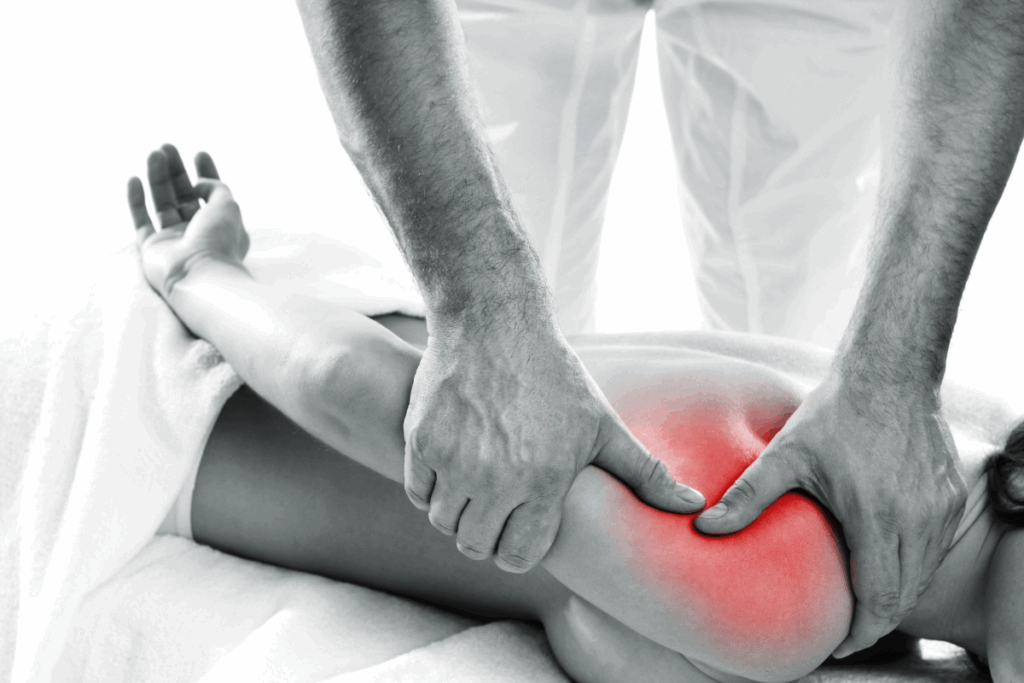
Manual therapy isn’t just one method. Over the years, physical therapists have developed several approaches, each with its own style and focus. Here are some of the most common and well-recognized techniques, explained in a simple way:
Cyriax Approach
- Focus: Soft tissue problems (like muscle and ligament injuries).
- Method: Uses deep friction massage and joint manipulation to reduce pain and improve healing.
Lewit Method
- Focus: Seeing the body as a connected chain of problems.
- Method: Combines joint mobilization, manipulation, and exercises to treat dysfunctions.
Kaltenborn-Evjenth Technique
- Focus: Joint mechanics and mobility.
- Method: Uses traction (gentle pulling) and gliding movements to restore normal joint play.
Maitland Concept
- Focus: Clinical reasoning (treatment decisions based on ongoing assessment).
- Method: Uses oscillatory (gentle back-and-forth) movements and manipulations tailored to the patient’s condition.
Mechanical Diagnosis and Therapy (McKenzie Method)
- Focus: Self-care and exercises.
- Method: Patients perform repeated or sustained movements to reduce symptoms and restore function.
Mulligan’s Mobilization with Movement (MWM)
- Focus: Combining therapist and patient actions.
- Method: The therapist guides the joint while the patient actively moves, making the treatment painless and functional.
Common Hands-On Additions Across Methods
- Massage and trigger point therapy
- Stretching (muscle, joint, fascia)
- Assisted or passive range of motion
- Soft tissue mobilization with tools (like scraping instruments)
Conditions Manual Therapy Can Treat
- Back pain and neck pain – eases stiffness and relaxes tight muscles.
- Arthritis and joint stiffness – restores joint movement and reduces pain.
- Headaches and migraines – relieves tension from neck and shoulder muscles.
- Sports injuries – speeds up recovery and improves mobility.
- Posture-related pain – corrects alignment and reduces daily discomfort.
Short-Term vs. Long-Term Benefits of Manual Therapy
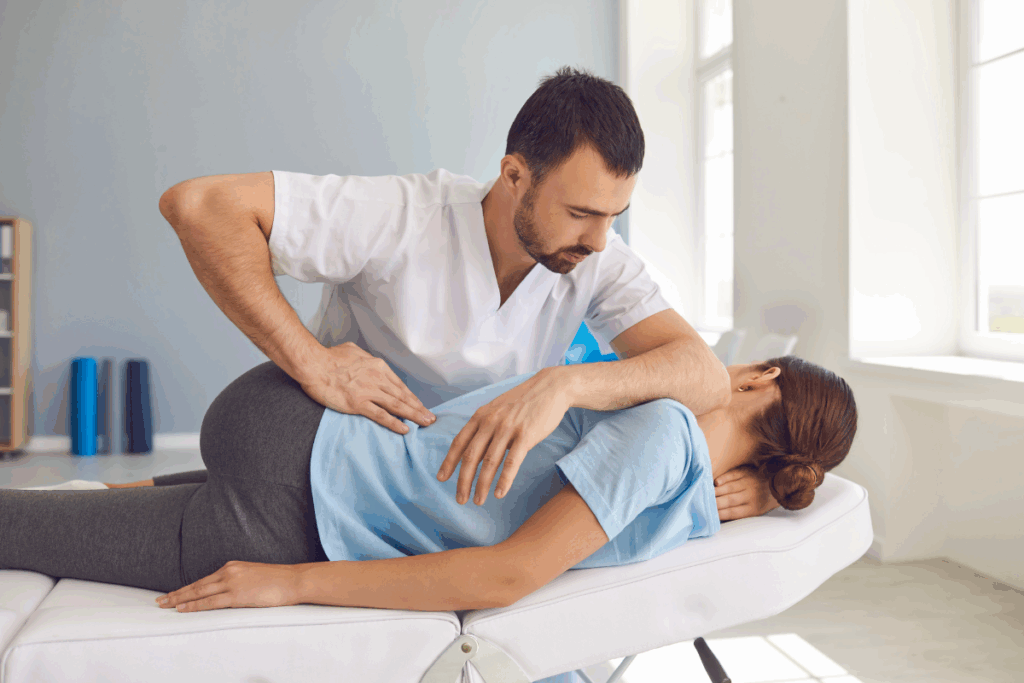
| Short-Term Benefits | Long-Term Benefits |
|---|---|
| Quick pain relief by calming tight muscles and stiff joints | Reduces dependence on pain medications by treating the root cause |
| Improves flexibility and range of motion in just a few sessions | Improves posture and healthy movement patterns, preventing recurring pain |
| Reduces swelling and muscle tension for faster recovery | Supports joint health and slows down stiffness from arthritis or aging |
| Helps you feel more relaxed and confident to move without pain | Builds resilience so you can stay active and avoid future injuries |
Manual Therapy vs. Pain Medications

When it comes to pain relief, many people first think of painkillers. But while medications may help for a short time, they don’t fix the real problem. Manual therapy, on the other hand, aims to treat the root cause of pain and restore natural movement.
| Manual Therapy | Pain Medications |
|---|---|
| Targets the root cause of pain (muscle tension, stiff joints, poor movement) | Masks pain temporarily without fixing the cause |
| Improves mobility, posture, and long-term function | Provides short-term relief but pain often returns |
| No risk of addiction or harmful side effects | Risk of dependency, stomach issues, or other side effects |
| Personalized treatment tailored to your body and lifestyle | Same pill for everyone, no customization |
| Encourages natural healing and prevents future problems | Can delay real treatment and lead to chronic issues |
Key Takeaway: If you want lasting relief and healthier movement, manual therapy is a smarter and safer alternative to relying only on pain medications.
Is Manual Therapy Right for You?
Manual therapy can be helpful for many people, but it works best when matched to the right needs and situations. Here are some quick points to help you decide:
Common Techniques You Might Experience:
- You have chronic back or neck pain that doesn’t fully improve with rest.
- You want a drug-free way to manage pain without depending on medications.
- You struggle with joint stiffness or arthritis that limits daily activities.
- You experience muscle tension or poor posture from sitting or working long hours.
- You’ve had a sports injury and want to recover mobility safely.
- You are open to a personalized treatment plan that combines hands-on therapy with exercise and education.
When to Ask a Professional First:
If you have a serious medical condition, recent surgery, or unexplained severe pain, it’s important to consult a doctor or physical therapist before starting manual therapy.
FAQs
1. What is manual therapy and how does it work?
Manual therapy is a hands-on treatment where a therapist uses gentle movements, pressure, and stretches to reduce pain, relax muscles, and improve joint mobility.
2. Can manual therapy really help relieve back and neck pain?
Yes. Manual therapy is highly effective for back and neck pain because it reduces muscle tension, restores joint movement, and eases pressure on nerves.
3. Is manual therapy better than pain medication?
Manual therapy targets the root cause of pain, while medications only mask symptoms. It’s a safer, drug-free option with long-term benefits.
4. What conditions can manual therapy treat?
It can help with back and neck pain, arthritis, joint stiffness, headaches, sports injuries, and posture-related pain.
5. How long does it take for manual therapy to work?
Many patients feel relief after the first session, but lasting results usually come after several treatments combined with exercise.
6. Are there any risks or side effects of manual therapy?
Manual therapy is generally safe. Some people may feel mild soreness for a day or two, but it usually fades quickly.
7. How often should you do manual therapy sessions?
Most patients benefit from 1–2 sessions per week at the start, then fewer sessions as their condition improves.
Can Manual Therapy Really Help Relieve Pain?
The evidence is clear: manual therapy is more than just a “feel-good” treatment. It works by easing stiff joints, relaxing tight muscles, calming overactive pain signals, and giving you the confidence to move again. Unlike medications, which only mask the pain, manual therapy addresses the root cause and helps your body heal naturally.
If you’re living with back pain, arthritis, headaches, or even posture-related discomfort, manual therapy offers a safe, drug-free way to feel better and stay active. Combined with exercise and education, it becomes a long-term solution—not just a temporary fix.